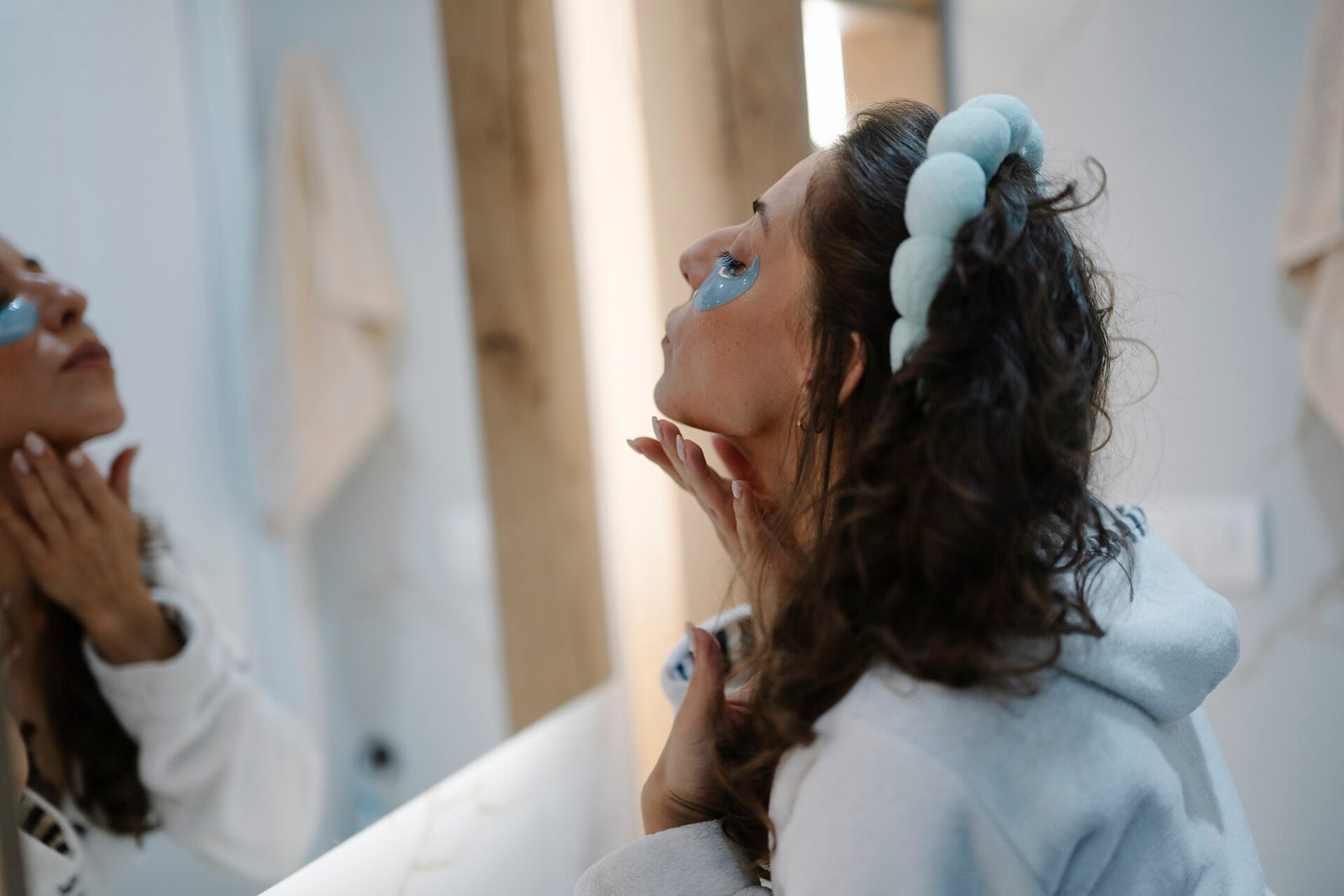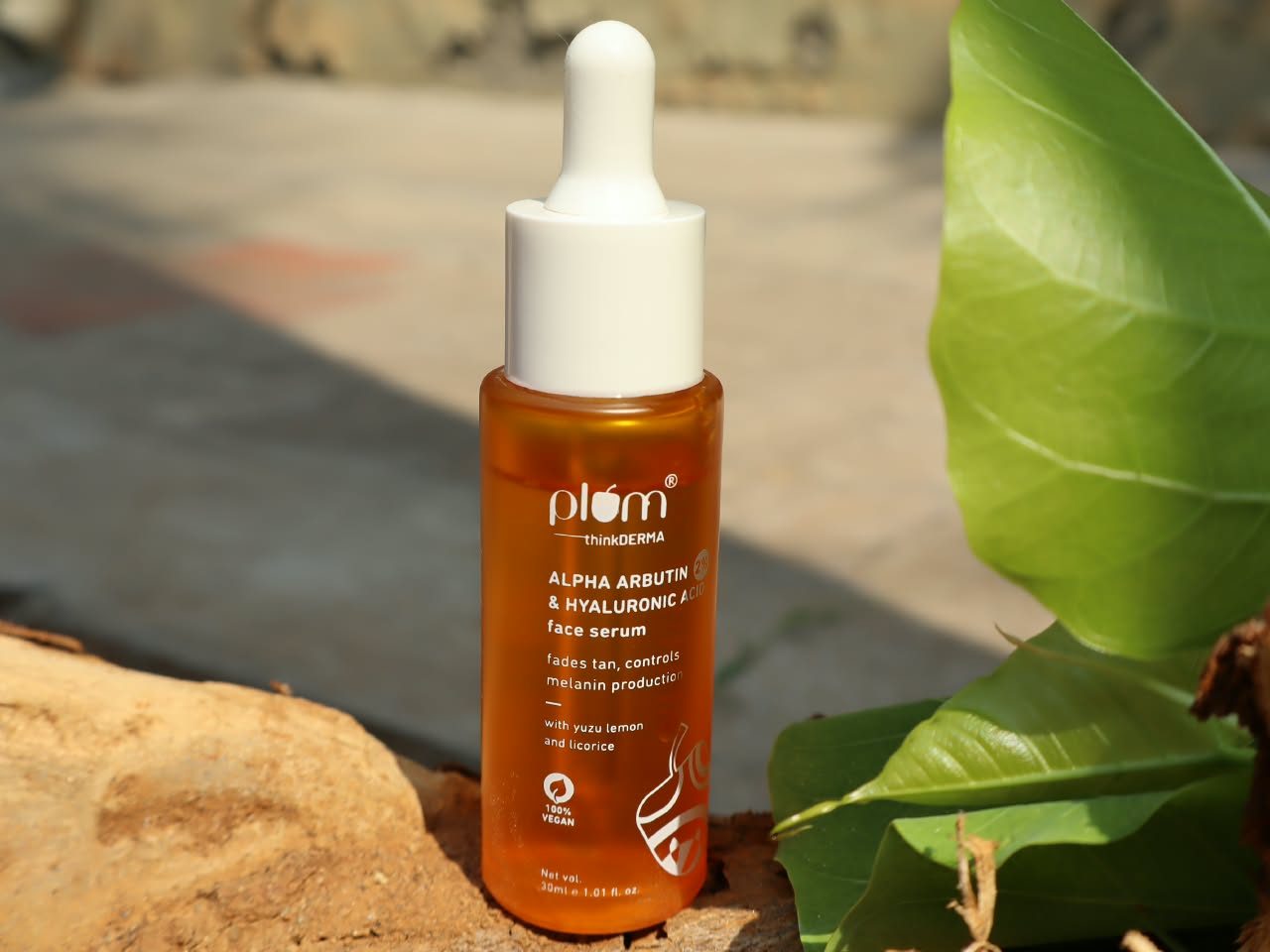
A night skin care routine needs only three things for most people: a thorough cleanse to remove sunscreen and makeup, an optional treatment product, and a moisturiser. Night is the best time for ingredients such as retinoids that break down in sunlight or make skin more sensitive to it.
Why the evening routine is different
Your morning routine is about protection: sunscreen, perhaps an antioxidant, and a light moisturiser under makeup. The evening routine is about cleaning up and repairing. After a day of UV exposure, heat, dust and long hours in air conditioning, skin benefits from a gentle cleanse and a richer layer of moisture.
It is also the time when you can use treatment products without worrying about sunlight or how they sit under foundation.
A basic night routine in four steps
| Step | Product | Why it matters | Skip if |
|---|---|---|---|
| 1 | Cleansing oil or balm | Breaks down sunscreen and long wear makeup | You wore no makeup or sunscreen |
| 2 | Gentle water based cleanser | Removes remaining residue and sweat | Never skip |
| 3 | Treatment (retinoid, exfoliant or calming serum) | Targets a specific concern | Skin feels irritated |
| 4 | Moisturiser | Supports the skin barrier overnight | Never skip |
That is enough for most people. Eye cream, face oil or an overnight mask are extras, not essentials.
Step 1 and 2: the double cleanse
In the UAE, many people wear water resistant sunscreen every day. A single splash of cleanser often leaves some behind, which can contribute to clogged pores. A double cleanse solves this: an oil or balm first, massaged onto dry skin and emulsified with water, then a mild cleanser.
If you have very dry or sensitive skin, a single cream cleanser used gently for a full minute may be enough. Avoid scrubbing with rough cloths.
Step 3: choosing one treatment
This is where routines often go wrong. Using a retinoid, a strong acid and vitamin C on the same night is a common cause of redness and peeling. Pick one main treatment and use it consistently.
Retinoids
Retinol and other retinoids are popular for fine lines, texture and some types of acne. Start two or three nights a week and increase slowly. Expect some dryness in the first weeks.
Exfoliating acids
Glycolic, lactic or salicylic acid can smooth texture and help with congestion. Two or three nights a week is plenty for most skin, and never on the same night as a retinoid when you are starting out.
Calming and hydrating serums
Niacinamide, hyaluronic acid or panthenol are gentler choices for nights when your skin needs a break.
Who should not use certain night treatments
- Pregnant or trying to conceive: retinoids are generally avoided. Ask your doctor about alternatives.
- Using prescription acne or eczema treatment: check with your doctor before adding over the counter actives.
- Very sensitive skin, rosacea or eczema: introduce actives only with advice from a dermatologist.
- Recent waxing, threading, laser or peels: pause actives on the treated area for a few days.
Step 4: moisturise properly
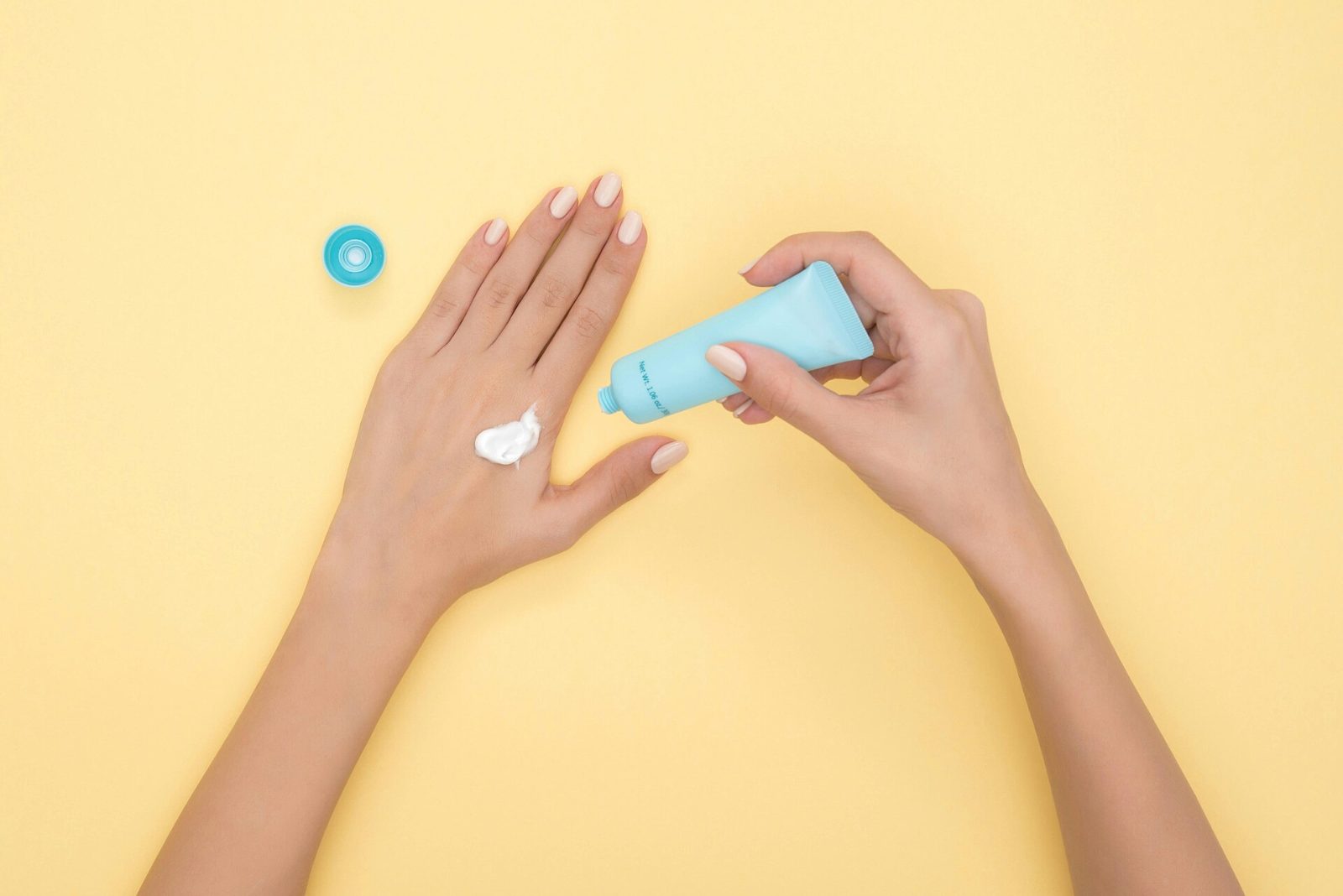
Air conditioning keeps indoor humidity low, especially in bedrooms. A moisturiser with ceramides, glycerin or squalane helps reduce water loss overnight. Oily skin can use a gel cream; dry skin may prefer a thicker cream. Do not skip this step if you use a retinoid, since moisturiser reduces irritation.

Sample weekly plan
- Monday: double cleanse, retinoid, moisturiser
- Tuesday: double cleanse, hydrating serum, moisturiser
- Wednesday: double cleanse, exfoliating acid, moisturiser
- Thursday: double cleanse, hydrating serum, moisturiser
- Friday: double cleanse, retinoid, moisturiser
- Weekend: gentle cleanse and moisturiser only
Adjust this to your skin. If redness or stinging builds up, drop back to cleanse and moisturise for a few nights.
Before a wedding or big event
Keep your night routine steady in the final month. Stop strong retinoids and acids about a week before the event, or as your dermatologist advises, so your skin is calm for makeup. The pre-wedding beauty timeline shows when to pause actives and when to book facials.
Habits that help as much as products
- Change pillowcases often, especially if you have acne
- Remove makeup even when you are tired; a cleansing balm by the bed is better than nothing
- Keep the bedroom air conditioning at a moderate setting, or use a humidifier if your skin feels tight in the morning
- Drink water through the day, especially in summer
- Sleep matters: skin often looks dull after several short nights
Adapting the routine through the year
In the cooler months, from roughly November to March, many people in the Emirates find their skin tolerates a slightly richer moisturiser and an extra night of treatment. In the peak of summer, when humidity on the coast rises and you sweat more, a lighter gel moisturiser and fewer actives can feel more comfortable. Listen to your skin rather than following a fixed rule all year.
One well chosen treatment, used consistently, usually beats a shelf full of actives used at random.
When to see a professional
See a licensed dermatologist in the UAE if you have persistent acne, patches that itch or flake despite moisturising, sudden pigmentation, or a mole that changes. Stop any product and seek medical help urgently if you develop facial swelling, hives or difficulty breathing.
Do I need a separate night cream?
Not necessarily. If your day moisturiser is rich enough and does not contain sunscreen, you can use it at night. Many people with dry skin prefer a thicker cream in the evening.
Can I use vitamin C at night?
Yes, but it is often used in the morning for its antioxidant support alongside sunscreen. If you use it at night, avoid pairing it with a retinoid until your skin is used to both.
How long should I wait between steps?
A minute or so is usually enough for products to settle. Some people wait longer before applying a retinoid to reduce irritation.
Is it bad to sleep in makeup?
An occasional night will not ruin your skin, but regularly sleeping in makeup and sunscreen can contribute to clogged pores and irritation.
Sources: American Academy of Dermatology, British Association of Dermatologists, NHS
Cover photo: not researched, CC BY 4.0. Last reviewed: 2026-11-25. General information only, not medical advice. Please consult a licensed practitioner in the UAE about your own situation.