
Bridal Makeup Trends: What Is Popular and What Will Still Look Good in 20 Years

Bridal makeup trends move quickly, driven by social media, celebrity weddings and new products. Popular directions in recent years include skin-like bases, soft-focus glow, diffused eyes and personalised lip colours, alongside the classic full glam that many UAE weddings still favour. The most useful question is not what is trending, but which trend will still look like you in your photos years from now.

Most makeup is worn for a day and forgotten. Bridal makeup is photographed, framed and looked at for decades. A look that feels fresh now can date quickly. That does not mean avoiding trends, but it helps to use them as details rather than the foundation of the look.

Keep timelessSkin that matches face, neck and chestNatural brow shapeLashes that suit your eyesBalanced contour and blushPlay with trendsEyeshadow colour or shimmerLip shade and finishHighlight intensityHair accessories and nails

These are broad directions that artists and brides frequently talk about, not rules. Popularity changes from season to season and differs between cultures and communities.

Skin-first bases

Light to medium coverage that lets real skin show through, with concealer only where needed. Often paired with a satin finish rather than full matte.

Soft-focus glow

A blurred, luminous finish on the cheeks with controlled highlighter, rather than very reflective highlight. Popular for daytime and outdoor weddings.

Diffused, blended eyes

Smoky, softly smudged shadow in browns, bronzes or mauves, rather than sharp cut creases. Works well with a hijab or veil because the eyes stay soft but defined.

Fluffy, natural brows

Brushed-up brows with fine strokes, set with gel, rather than heavy, blocky brows.

Personalised lip colours

Instead of one standard bridal pink, brides choose a lip that suits their skin tone: rosy brown, terracotta, berry or classic red. Lip liner blended into the lipstick for a softly defined edge is common.

Full glam, refined

In many Arabic, Indian and Pakistani weddings in the UAE, full glam remains the expectation: defined eyes, statement lashes, sculpted cheeks and a strong lip. The refinement is in blending and skin texture, so the look photographs well without heavy, cakey layers.

Trend versus timeless

ElementOften dates quicklyTends to age well
BrowsVery thin or very blockyNatural shape, softly filled
BaseVery heavy matte or extreme glass skinSkin-like, well matched
ContourStrong, visible stripesSoft, blended shadow
HighlightChunky glitter or metallic stripesFine sheen on the high points
LipsExtreme overliningNatural shape, defined edge
LashesVery long and heavy if they overwhelm the eyeLashes proportioned to your eye shape

Local conditions affect which trends work in practice:

  • Heat and humidity make very dewy trends harder to maintain outdoors; set the T-zone and keep glow on the cheeks
  • Air-conditioned venues can dry the skin, so very matte trends may look flat by evening
  • Flash-heavy photography at large receptions shows white cast from some powders and highlighters
  • Multi-day celebrations, such as henna nights, engagement parties and the wedding, let you try a trend at one event and keep the main day classic

Tell your artist about each event and its lighting. Our Makeup Artist Booking Checklist covers what to discuss.

Social media also drives trends in pre-wedding treatments. Some treatments are well-established, while others are new or heavily marketed. Be cautious about:

  • Trying a trending treatment for the first time in the final month
  • At-home devices or strong acids promoted online without professional guidance
  • Treatments offered without a medical consultation where one is needed

Safety first

Injectables, lasers, medium-depth peels and similar procedures are medical treatments in the UAE and should be done by a licensed practitioner in a licensed facility. Plan them months ahead, not weeks, and avoid anything new in the final few weeks before the wedding.

Use our Pre-Wedding Beauty Timeline to see where treatments fit.

A simple approach

  • Choose a base and brows that look like you on a good day
  • Pick one trend detail that excites you: a lip shade, a shimmer, a lash style
  • Test it at the trial in daylight, indoor light and flash
  • Look at the trial photos a few days later with fresh eyes
  • If you are unsure, keep the trend for a pre-wedding event
Wedding photographer taking portraits
Bridal nails and accessories
Photo: Hanay, CC BY-SA 3.0

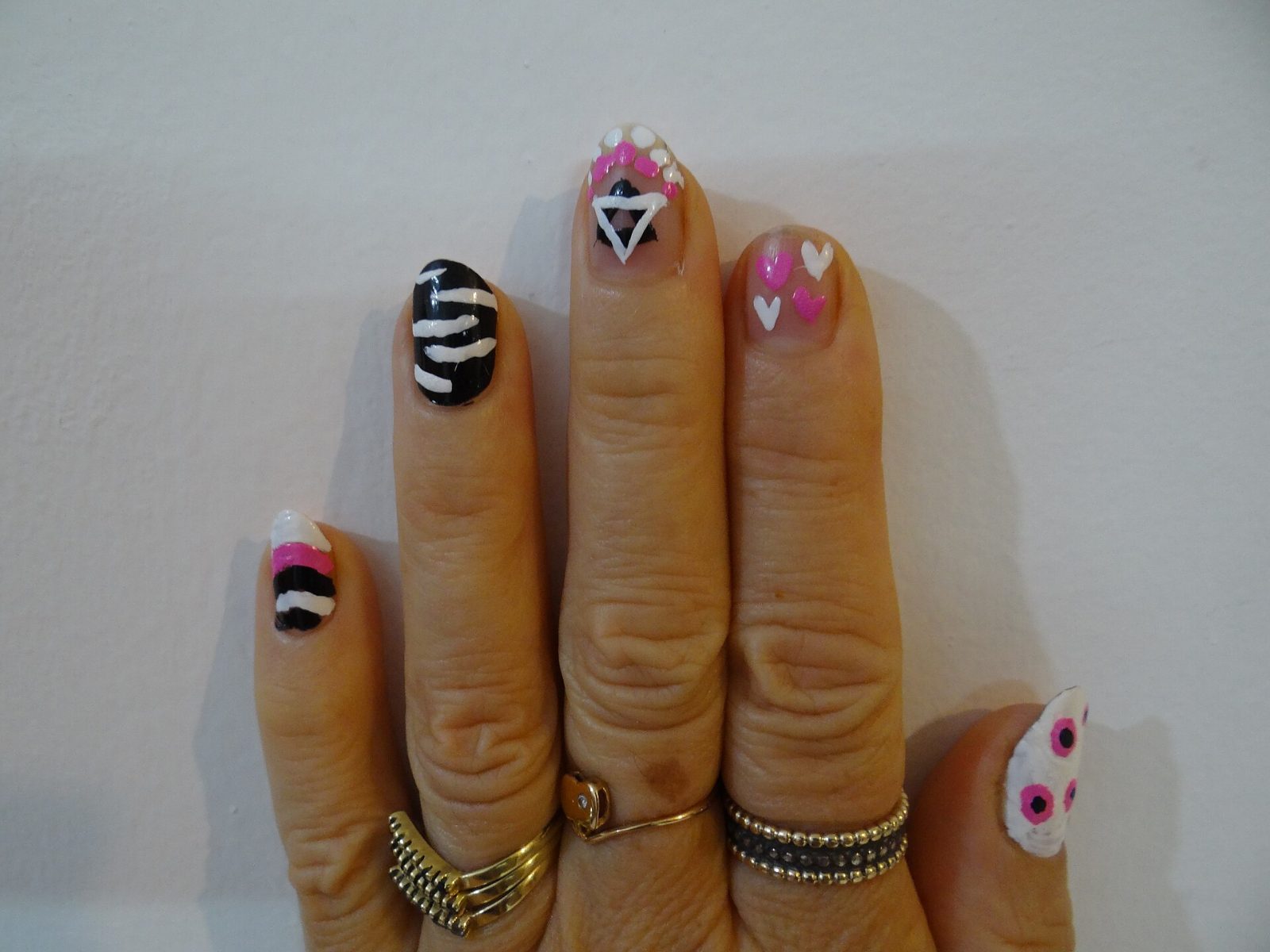
Makeup is only part of the bridal picture. Nail colour, hairstyle and accessories also follow trends, and they are the easiest place to experiment because they are less central to the face in close-up portraits. Soft milky or sheer nude nails, natural-length shapes and minimal nail art have been popular choices for brides who want a clean look, while bolder nail art often appears at henna nights. Loose waves, sleek low buns and statement hair accessories each come and go in popularity.

When planning, look at the whole picture together: if your hair and accessories are dramatic, a cleaner makeup look keeps the photos balanced, and if your hair is simple, the makeup can carry more drama. Share photos of your hair plan, jewellery and nails with your makeup artist before the trial so everything works as one look rather than several separate trends competing for attention.

Cultural and family expectations

In the UAE, many weddings bring together families with different traditions. A trend you love may not fit the expectations of the occasion, or of your family. Talking openly about the look early, and being clear about what matters to you, helps avoid stress on the day. There is no single right look for a bride.

Trends are fun for the details. For the base, brows and overall balance, timeless wins.

Frequently asked questions

Should I follow bridal makeup trends?

You can, especially in small details such as lip colour, shimmer or lashes. Keep the base and overall balance classic so the look ages well in photos.

What bridal makeup looks never go out of style?

Well-matched skin, natural brows, defined lashes and a lip colour that suits your skin tone tend to look good for years.

Is full glam still popular for UAE weddings?

Yes, full glam is still very common in many communities, particularly for evening receptions. The emphasis is often on smooth blending and skin that still looks like skin.

How do I try a trend without regretting it?

Test it at your trial, review the photos a few days later, and consider wearing it at a pre-wedding event rather than on the main day.

Sources: American Academy of Dermatology, Dubai Health Authority, US Food and Drug Administration: Cosmetics

Cover photo: Виктория Злых, CC BY-SA 4.0. Last reviewed: 2026-11-26. General information only, not medical advice. Please consult a licensed practitioner in the UAE about your own situation.

How to Choose a Skin Care Set for Your Skin Type in the UAE

A good skin care set gives you a cleanser, a treatment step and a moisturiser that are designed to work together, plus a sunscreen if you are buying for daytime use in the UAE. The best set is the one that matches your skin type and that you will actually finish, not the one with the most bottles.

What a skin care set should contain

Most sets are built around three to five steps. You do not need more than that, especially in the months before a wedding when consistency matters more than novelty.

StepWhat it doesWho usually needs it
Gentle cleanserRemoves sunscreen, sweat and makeup without strippingEveryone
Treatment (serum)Targets one concern such as dullness, oil or uneven toneOptional, one at a time
MoisturiserSupports the skin barrier and reduces tightnessEveryone, even oily skin
Broad spectrum sunscreenProtects against UV, which drives pigmentation and ageingEveryone during the day
Eye creamHydrates the thin skin around the eyesOptional

If a set leaves out sunscreen, plan to buy one separately. In the Emirates, UV levels stay high for most of the year, and no serum can make up for skipping it.

Matching a set to your skin type

Oily or acne prone skin

Look for a gel or foaming cleanser, a lightweight non comedogenic moisturiser and, if you want a treatment, a gentle exfoliating ingredient such as salicylic acid. Heavy creams can feel suffocating in humid coastal weather in Dubai or Abu Dhabi.

Dry or dehydrated skin

Air conditioning dries skin out even when it is humid outside. Choose a cream cleanser, a moisturiser with ceramides or glycerin, and avoid sets that pair several exfoliating acids.

Combination skin

A balancing set with a gel cream moisturiser often works. You can apply a little more moisturiser on the cheeks and less on the forehead and nose.

Sensitive skin

Fewer ingredients are better. Fragrance free products and sets without strong acids or retinoids reduce the chance of a reaction.

Who should be careful with treatment sets

  • Pregnant or breastfeeding: some sets include retinoids, which are generally avoided in pregnancy. Ask your doctor or pharmacist before using any active set.
  • Eczema, rosacea or very reactive skin: speak to a dermatologist before starting acids or retinoids.
  • Anyone on prescription acne treatment: combining it with an over the counter active set can over dry or irritate the skin.

Reading the label before you buy

A few habits make choosing a set much easier:

  • Check the full ingredient list, not just the front of the box. If one product in the set contains something that irritates you, the set is poor value.
  • Count the actives. Two strong exfoliants plus a retinoid in one kit is a lot for most people to start at once.
  • Look at sizes. Travel sets are useful for testing; full size sets make sense only once you know your skin tolerates the products.
  • Buy from authorised retailers. Cosmetics sold legally in the UAE go through local registration. Grey market products bought online may be counterfeit or stored badly in heat.
Woman applying moisturiser in front of a mirror

Introducing a new set without irritation

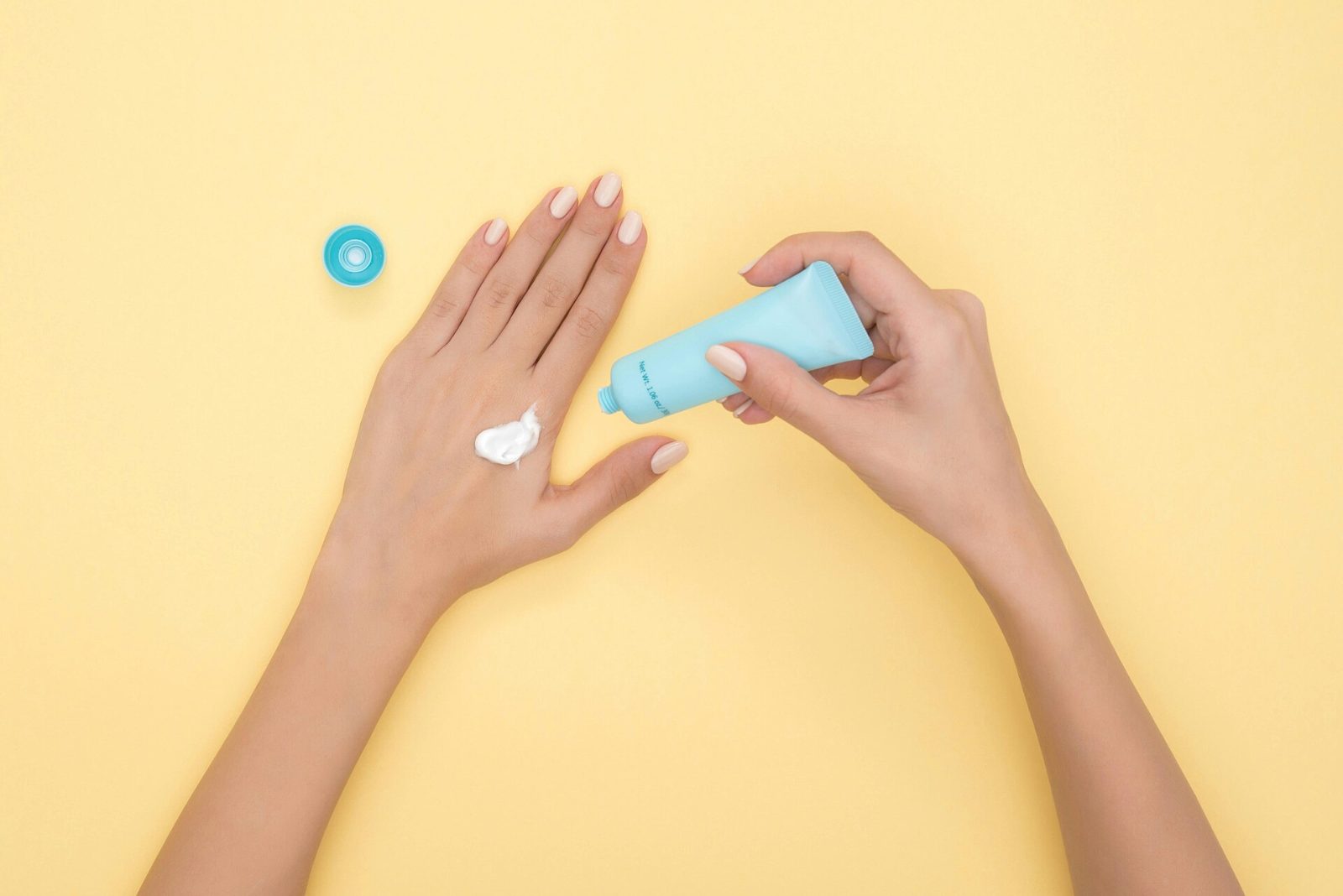
Starting everything on the same night is the most common mistake. A slower approach gives you a clear answer if something does not agree with you.

  1. Patch test each product on the inner arm or behind the ear for a few days.
  2. Start with the cleanser and moisturiser for one week.
  3. Add the treatment product every second or third night.
  4. Increase only if your skin is calm.
  5. Keep sunscreen every morning from day one.

If you are getting married

Do not switch to a brand new set in the final four weeks before the wedding. Changes are best made two to three months ahead, which leaves time to recover if something reacts. Our pre-wedding beauty timeline maps out when to try new products and when to stop experimenting.

Skin care products laid out together

Storing products in the UAE heat

High temperatures can break down some ingredients, especially vitamin C and sunscreen filters. Keep your set out of the car, away from windows and in a cool cupboard. If a product changes colour, smell or texture, it is time to replace it. Check the period after opening symbol, the small open jar icon with a number such as 6M or 12M.

A simple set used every day will do more for your skin than an elaborate one used occasionally.

Signs to stop and get help

Mild tingling for a minute after applying an acid can be normal. The following are not, and mean you should stop the product and seek medical advice:

  • Swelling of the face, lips or eyes
  • Hives, widespread redness or blistering
  • Burning that does not settle after rinsing
  • Breathing difficulty, which needs emergency care

A licensed dermatologist in the UAE can help identify the trigger and suggest alternatives.

Building your own set instead

You do not have to buy a branded kit. Many people do better picking a cleanser from one brand, a moisturiser from another and a sunscreen they like the feel of. This lets you change one product at a time. If you are planning bridal makeup, share your routine with your makeup artist during the trial; our makeup artist booking checklist includes this step.

Are expensive skin care sets better than pharmacy ones?

Price does not reliably predict results. Many affordable pharmacy brands have well formulated cleansers, moisturisers and sunscreens. Choose by ingredients and skin type.

How long should a skin care set last?

It depends on sizes and how often you use each step. As a rough guide, a full size cleanser and moisturiser used daily often last two to three months. Replace anything past its period after opening.

Can I use a skin care set during pregnancy?

Some sets are fine, but those with retinoids or certain high strength actives are generally avoided. Show the ingredient list to your doctor or pharmacist before using it.

Should men and women use different sets?

Skin type matters far more than gender. Choose based on oiliness, sensitivity and concerns.

Sources: American Academy of Dermatology, Ministry of Health and Prevention UAE, British Association of Dermatologists

Last reviewed: 2026-11-25. General information only, not medical advice. Please consult a licensed practitioner in the UAE about your own situation.
Oily Skin Care Products: What Actually Helps in the UAE Climate

The best skin care products for oily skin are a gentle gel or foam cleanser, a lightweight non comedogenic moisturiser, an oil free sunscreen and, if you need it, one targeted ingredient such as salicylic acid or niacinamide. Harsh cleansers and skipping moisturiser usually make shine worse, not better.

Why oily skin behaves the way it does

Oil, or sebum, is produced by glands in the skin and is influenced by genetics, hormones and climate. In the UAE, high humidity on the coast in summer makes shine more noticeable, while long hours in air conditioning can leave the surface dehydrated at the same time. That combination is why many people describe their skin as oily but tight.

Stripping the skin with strong cleansers or alcohol heavy toners can leave it irritated and does not switch off oil production. The aim is balance: remove excess oil gently and keep the skin barrier healthy.

Woman checking her skin in a bathroom mirror

Product types that help oily skin

ProductWhat to look forWhat to avoid
CleanserGel or light foam, fragrance freeVery high pH bar soaps, gritty scrubs
TreatmentSalicylic acid, niacinamide, azelaic acidUsing several strong actives at once
MoisturiserGel or gel cream, labelled non comedogenicHeavy butters and occlusive balms on the face
SunscreenFluid, gel or matte finish, broad spectrumSkipping it because of shine
Weekly extraClay mask once a weekDaily clay masks, which can over dry

Key ingredients explained

Salicylic acid

An oil soluble exfoliant that works inside the pore. It suits blackheads and mild congestion. Start with a cleanser or a leave on product a few times a week.

Niacinamide

Helps with the look of oiliness and uneven tone and is generally well tolerated. Useful for people who find acids too irritating.

Azelaic acid

Used for congestion and some types of redness and uneven tone. Some formulations are available over the counter, while higher strengths are prescription products.

Benzoyl peroxide

An anti bacterial ingredient used for inflamed spots. It can be drying and will bleach towels and pillowcases, so use white fabrics.

Clay

Kaolin or bentonite masks absorb oil temporarily. Once a week is enough for most people.

Who should be careful

  • Pregnant or breastfeeding: retinoids are generally avoided, and you should ask your doctor before using any acne active, including salicylic acid products.
  • People on prescription acne medication, especially isotretinoin: do not add over the counter actives without your doctor’s advice.
  • Anyone with eczema, rosacea or very reactive skin: start one product at a time with professional guidance.

A simple routine for oily skin

  1. Morning: gel cleanser, niacinamide serum if you use one, light moisturiser, oil free sunscreen.
  2. Evening: cleanse twice if you wore sunscreen or makeup, apply your one treatment product, finish with a gel moisturiser.
  3. Weekly: one clay mask on a night when you are not using an exfoliant.

Give any new routine at least six to eight weeks before judging it, unless it irritates your skin.

Gel moisturiser texture on a fingertip

Managing shine through the day

  • Blotting papers lift oil without disturbing makeup
  • A mattifying primer under makeup helps on long days
  • Powder sunscreen or a setting powder with SPF is a convenient top up, though it should not replace your main sunscreen layer
  • Avoid touching your face and clean your phone screen regularly

Oily skin and bridal makeup

Tell your makeup artist about oiliness at the trial so they can choose long wear, oil controlling products and plan touch ups. Our makeup artist booking checklist includes questions about skin type and touch up kits. Avoid starting new actives in the last month before the wedding.

Reading labels without the marketing

Terms like oil free, mattifying and non comedogenic are not tightly regulated everywhere, so treat them as a starting point rather than a guarantee. The ingredient list tells you more. If a moisturiser lists heavy oils or butters near the top, it may feel too rich for oily skin. If a toner lists alcohol among the first ingredients, it may sting and dry the surface. Products sold through official channels in the UAE carry ingredient labels, which makes comparing them easier.

Common mistakes

  • Over cleansing. Washing more than twice a day often triggers irritation and does not reduce oil long term.
  • Skipping moisturiser. Dehydrated skin can look shinier and feel tight.
  • Too many actives. Acid toner, acid serum and retinoid together can damage the skin barrier.
  • Heavy sunscreen avoidance. Modern fluid sunscreens are designed for oily skin; UV exposure can worsen marks left by spots.
  • Squeezing spots. It increases the chance of dark marks and scarring, which can last for months on deeper skin tones.

Oily skin needs gentle care and patience, not a stronger cleanser.

When to see a dermatologist

Book an appointment with a licensed dermatologist in the UAE if you have painful cysts or nodules, acne that leaves scars or dark marks, acne that does not improve after a few months of consistent care, or sudden oiliness and breakouts with other changes such as irregular periods or excess hair growth. These can point to causes that need medical assessment.

Stop a product and get medical advice if you develop swelling, hives, blistering or burning that does not settle.

Should people with oily skin use moisturiser?

Yes. A light gel or non comedogenic moisturiser supports the skin barrier and can reduce the tight, dehydrated feeling that often comes with oily skin.

Is salicylic acid safe to use every day?

Some people tolerate a daily low strength product, while others do better a few times a week. Start slowly and reduce if your skin becomes dry or irritated.

Do oil cleansers make oily skin worse?

Not necessarily. Oil cleansers can dissolve sunscreen and makeup well. Rinse thoroughly and follow with a gentle water based cleanser if you are prone to breakouts.

Can diet affect oily skin?

Research suggests some people notice links with certain foods, but responses vary. A dermatologist can help you work out whether diet is relevant for you.

Sources: American Academy of Dermatology, British Association of Dermatologists, NHS acne guidance

Cover photo: FaceMePLS from The Hague, The Netherlands, CC BY 2.0. Last reviewed: 2026-11-25. General information only, not medical advice. Please consult a licensed practitioner in the UAE about your own situation.