Airbrush Makeup for Brides: How It Works, Pros, Cons and Who It Suits

Airbrush makeup uses a small compressor and airbrush gun to spray a fine mist of foundation onto the skin, giving a light, even, often long-wearing layer. It can look beautiful on brides with smooth skin and in photos, but it is not automatically better than traditional brush or sponge application, and it does not suit every skin type. The artist’s skill matters far more than the tool.

How airbrush makeup works

An airbrush system pushes air through a fine nozzle, atomising liquid makeup into tiny droplets. The artist builds coverage in thin, sheer layers, holding the gun a short distance from the skin. Formulas are usually one of three types:

  • Water-based: lightweight and natural-looking; may need more setting in heat
  • Silicone-based: very long-wearing and water-resistant; common for bridal work
  • Alcohol-based: extremely durable and often used for body makeup or special effects; can feel drying

Airbrush can be used for foundation, blush, bronzer, highlighter and even body makeup to even out tone on the arms, shoulders or back for open dresses.

AirbrushSheer, even layersLight feel, often long-wearingBest on smooth skinLess precise on dry patchesBrush and spongeTargeted coverageWide product choiceEasier on texture and drynessSimple to touch up

Airbrush versus traditional application

FactorAirbrushBrush or sponge
FinishVery even, skin-like when done wellFrom sheer to full, depends on technique
CoverageBuildable, but heavy coverage needs many layersEasy to build in specific areas
Texture, dry patchesCan settle into dry or flaky areasEasier to work around texture
LongevityOften very good, especially silicone formulasVery good with long-wear products and setting
Touch-upsUsually done with traditional productsSimple with the same products
HygieneContactless application of foundationRequires clean brushes and sponges
Product choiceLimited to airbrush formulasHuge choice of shades and finishes

Who airbrush tends to suit

  • Brides with fairly smooth, even skin who want a light, long-wearing base
  • Brides who dislike the feel of heavier foundation
  • Looks that need body makeup, such as evening out tone on shoulders or the chest
  • Outdoor or warm venues, where a thin, long-wear base helps

Who might prefer traditional makeup

  • Very dry or flaky skin: the fine mist can cling to dry areas
  • Mature skin with fine lines: some airbrush formulas can look dry if the skin is not well prepped
  • Acne, texture or scarring: targeted concealer applied with a brush usually covers more precisely
  • Very deep or unusual undertones: airbrush shade ranges may be more limited, though good artists mix custom shades
  • Sensitive skin: some formulas, especially alcohol-based, may irritate

Foundation and makeup tools

Does airbrush last longer in UAE heat?

Silicone-based airbrush foundations are often water-resistant and can hold up well in heat and humidity, which is why many artists use them for outdoor weddings. But long-wear traditional foundations, applied thinly and set correctly, can last just as well. In both cases, oily skin will still need blotting and the occasional touch-up during a long celebration.

Ask before you book

  • Which formula do you use, and why?
  • Can I try both airbrush and traditional at the trial?
  • How do you handle concealer and dry areas?
  • Which products will you use for touch-ups?
  • How do you clean the airbrush gun between clients?

Add these to the questions in our Makeup Artist Booking Checklist.

Airbrush and flash photography

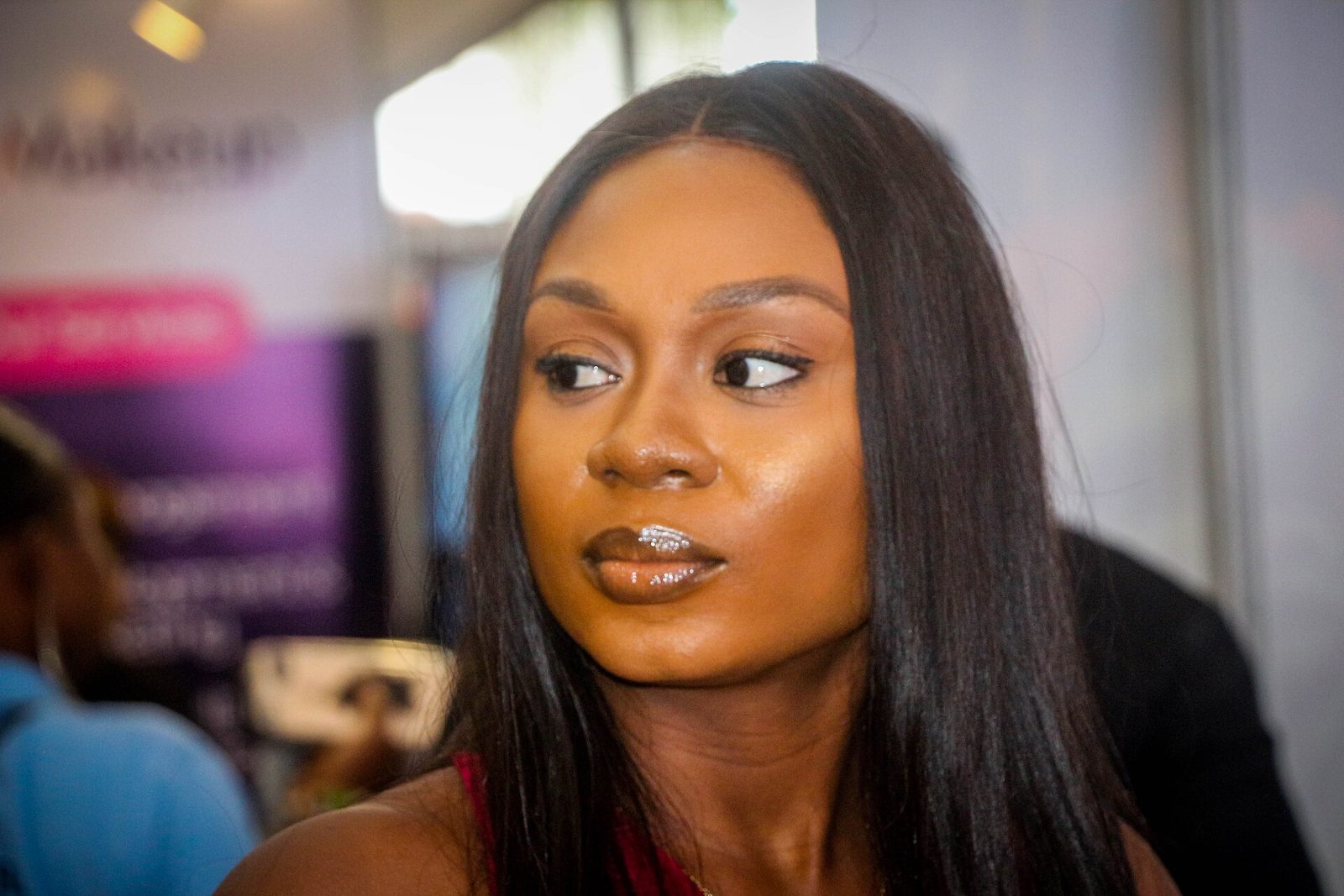
When applied well, airbrush makeup photographs beautifully because the layer is thin and even. Some silicone formulas can look slightly shiny under flash if not set, and some setting powders used on top can cause flashback. Ask your artist to take flash photos during the trial.

Skin prep for airbrush

Because airbrush shows the skin’s texture, prep is essential:

  • Keep skin well hydrated for weeks before the wedding
  • Exfoliate gently, but not in the last few days, to avoid irritation
  • Use a moisturiser that absorbs fully before the appointment
  • Avoid new products and treatments in the final weeks

Our Pre-Wedding Beauty Timeline shows when to schedule facials and other preparation.
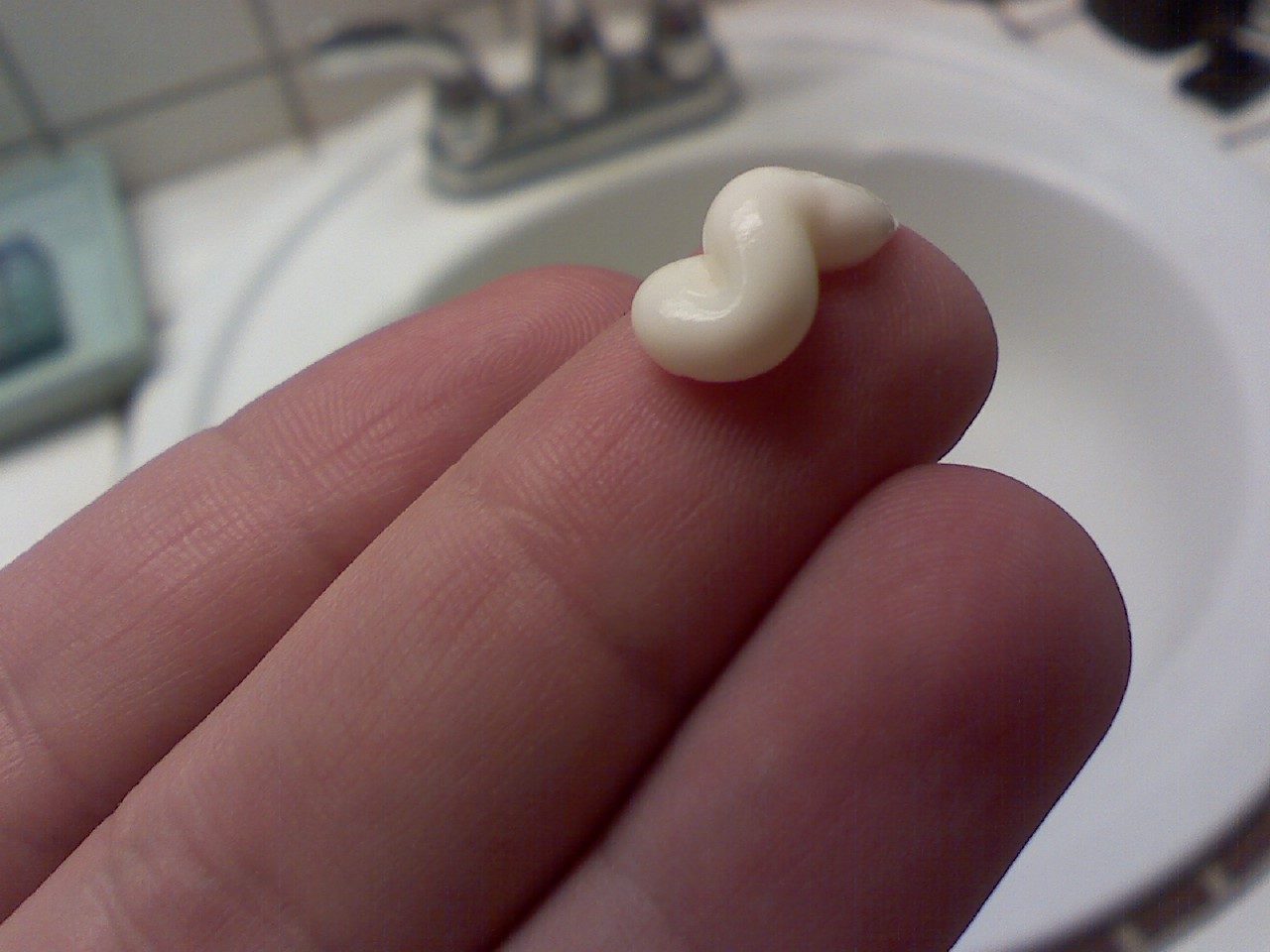
Moisturiser for skin prep before makeup
Photo: Shawn Campbell, CC BY 2.0

Sensitive skin and safety

Patch test airbrush products before the trial if you have sensitive skin or allergies. Keep your eyes closed when products are sprayed near the eye area and avoid inhaling the mist. If you have asthma or respiratory sensitivities, mention it to your artist. Remove any product that causes stinging, redness or itching, and seek advice from a licensed doctor in the UAE if a reaction persists.

What an airbrush appointment looks like

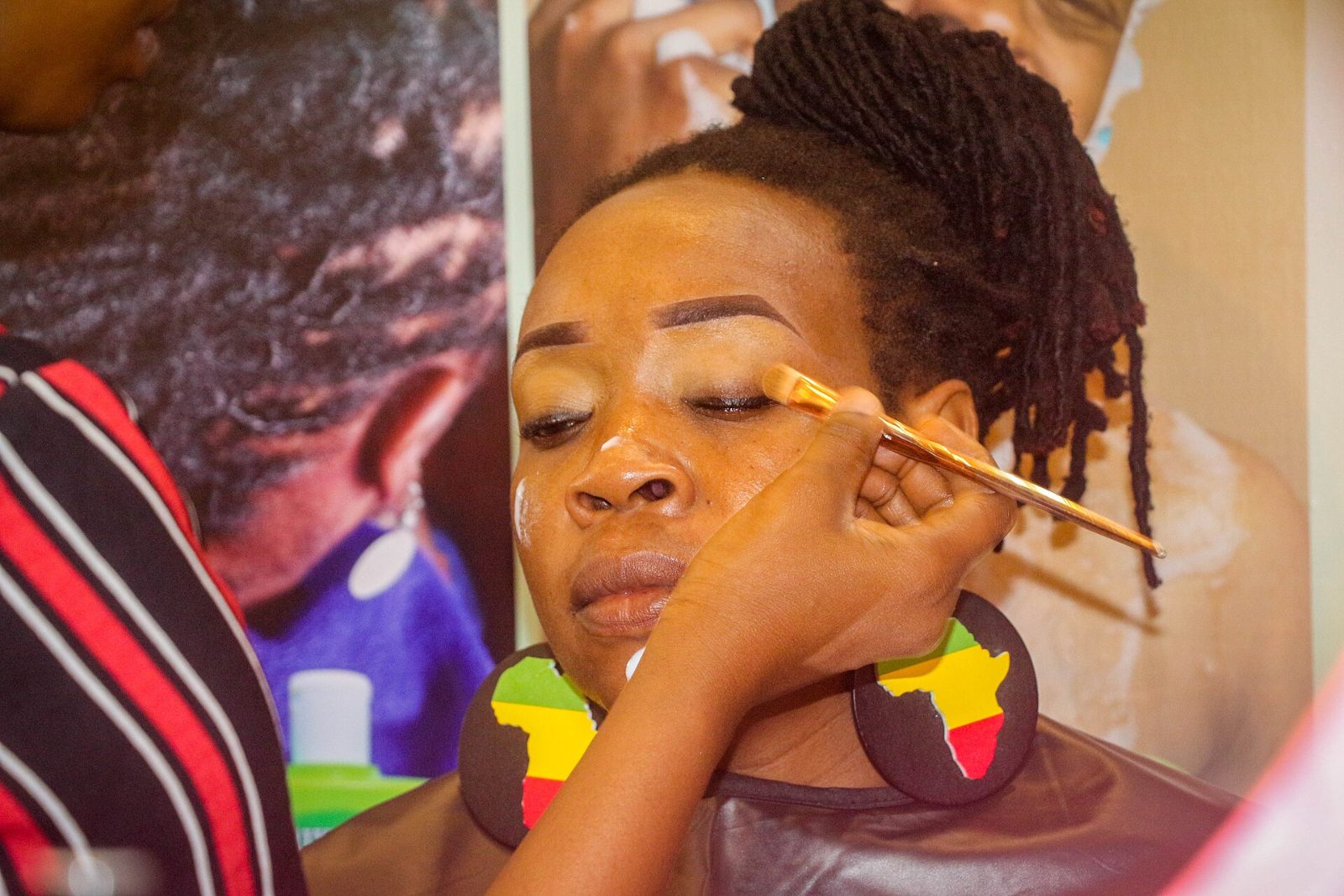
An airbrush bridal application usually follows the same order as a traditional one. The artist cleanses and preps your skin, applies primer if needed, then sprays foundation in several light passes, checking coverage between layers. Concealer is often applied with a brush on areas that need more coverage, such as under the eyes or on blemishes, because the airbrush alone gives sheer coverage. Blush, bronzer and highlighter may be sprayed on too or applied with brushes. Eyes, brows, lashes and lips are done in the usual way.

The process is typically quick for the base itself, though overall timing depends on the full look, your hair and how many people are being made up. The airbrush makes a quiet hissing sound and feels cool on the skin. If you are nervous about the sensation, try it at your trial so nothing feels unfamiliar on the day. Ask the artist whether they bring their own power supply or need a socket near the chair, which matters for hotel suites and outdoor venues.

Cost and booking

Some artists charge more for airbrush application because of the equipment and products, while others include it in their bridal package. Prices vary widely between artists and emirates, so ask for a written quote that lists what is included.

Airbrush is a tool, not a guarantee. A skilled artist can create a flawless base either way; choose the method that suits your skin.

Frequently asked questions

Is airbrush makeup better than regular makeup for a wedding?

Not necessarily. It can give a very light, even base on smooth skin, but traditional application often works better for dry, textured or acne-prone skin.

Does airbrush makeup look cakey?

When applied well in thin layers, it usually looks very natural. It can look dry on flaky skin, so skin prep is important.

Is airbrush makeup waterproof?

Silicone-based formulas are water-resistant and long-wearing, but no makeup is fully waterproof. Tears and sweat can still affect it, especially around the eyes.

Can I touch up airbrush makeup myself?

Yes, usually with blotting papers, a little powder and your lipstick. Your artist can recommend touch-up products that work with their formula.

Sources: American Academy of Dermatology, US Food and Drug Administration: Cosmetics, Dubai Municipality

Cover photo: KelvinJM, CC BY-SA 4.0. Last reviewed: 2026-11-26. General information only, not medical advice. Please consult a licensed practitioner in the UAE about your own situation.
Hiring a Makeup Artist in Sharjah: A Bride’s Planning Guide

To hire a makeup artist in Sharjah for your wedding, shortlist artists whose portfolios match the look you want, book a paid trial, confirm their licence and hygiene practices, and lock in the date early, especially for winter weekends. Plan travel time carefully if your artist is coming from Dubai or Ajman, because cross-emirate traffic can eat into your schedule.

What makes Sharjah different

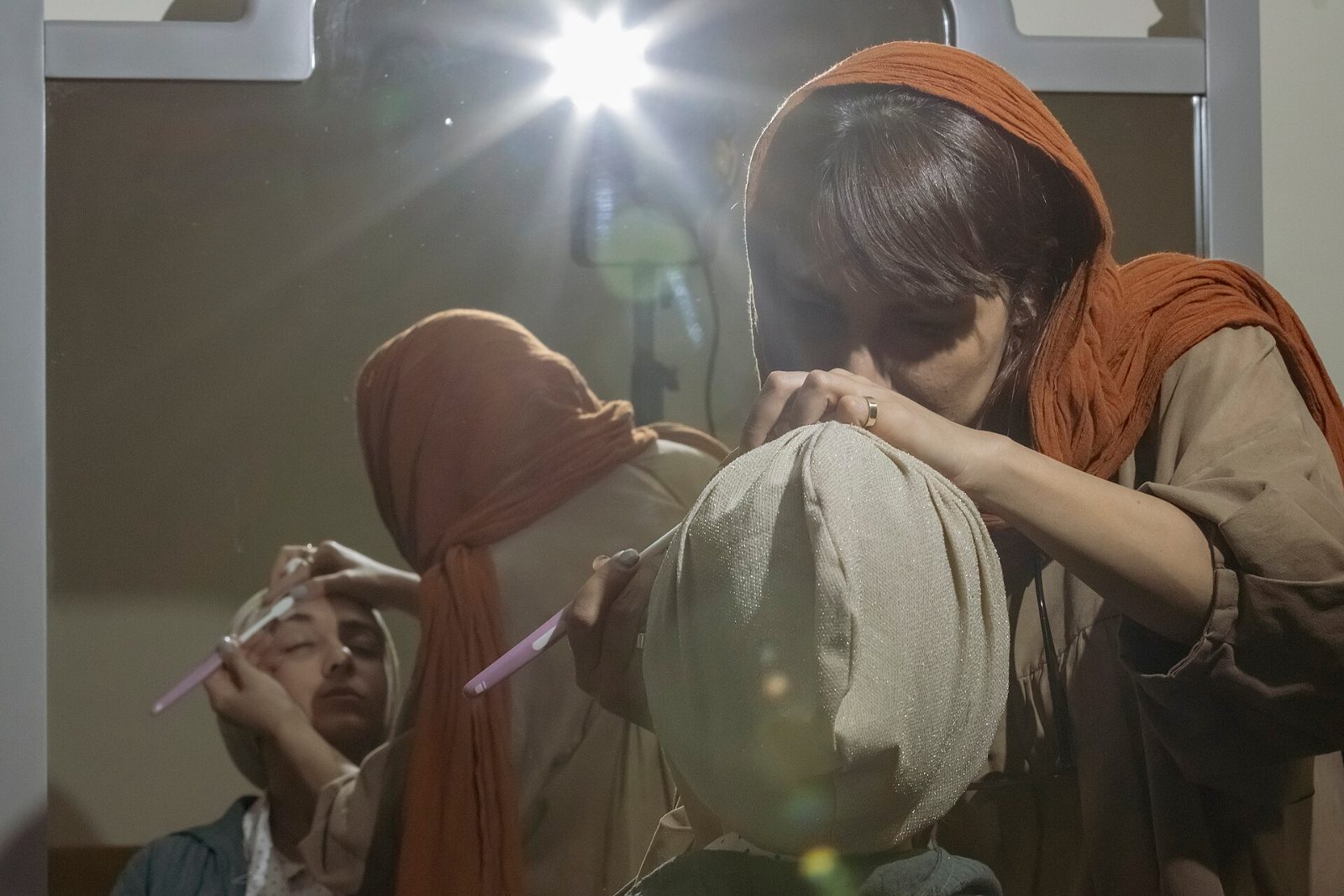
Sharjah weddings often follow a more conservative style than some Dubai events, and many brides want polished, long-wearing makeup that works with a hijab or a modest gown. Many celebrations are held in women-only halls, where the bride may be photographed extensively and makeup needs to look good both in person and on camera. Sharjah also has stricter public decency rules than some neighbouring emirates, which can affect how and where artists work, so it is worth discussing the venue and setting with your artist early.

Another practical point is location. Many makeup artists serving Sharjah are based in Dubai or Ajman. The roads between Dubai and Sharjah are known for heavy traffic at peak times, so an artist who quotes a home-service time needs a realistic travel plan.

Where to find artists

  • Salon-based artists working from licensed beauty centres in Sharjah.
  • Freelance artists who come to your home, hotel or venue.
  • Recommendations from recent brides, wedding planners and photographers who see artists’ work up close.
  • Social media portfolios, which are useful but need checking, since filters and heavy editing can hide what the makeup really looks like.
Makeup brushes and palettes on a table
Photo: k1ng, CC BY-SA 2.0

How to vet a makeup artist

Look at unedited work

Ask for unfiltered photos or short videos taken in natural light, ideally of clients with skin tones and types similar to yours. A portfolio of heavily retouched images tells you little about how the makeup will last over a long evening.

Check licensing and professionalism

Ask whether the artist works under a licensed salon or holds a valid freelance or trade licence for the emirate. A professional artist will be comfortable answering, will give you a written quote and will explain their cancellation policy.

Ask about hygiene

Good hygiene matters for your skin. Watch or ask how they handle products during your trial.

Hygiene questions to ask

  • Do you clean brushes between clients?
  • Do you use disposable mascara wands and lip applicators?
  • Do you decant products onto a palette instead of dipping directly into them?
  • Do you sanitise your hands and tools before starting?

Book a trial

A trial is the best way to test both the look and the working relationship. Bring photos of your dress, jewellery and hijab style if you wear one. Wear the makeup for several hours afterwards and take photos indoors, outdoors and with flash. Our makeup artist booking checklist lists what to confirm at the trial.

StageWhenWhat to confirm
Shortlist6 to 9 months beforePortfolio style, availability, rough quote
Trial2 to 3 months beforeLook, products, wear time, skin reaction
BookingRight after the trialWritten quote, deposit, cancellation terms
Final check1 to 2 weeks beforeTiming, address, people being made up
Wedding dayOn the dayArrival time, touch-up kit

Getting the look right for Sharjah weddings

Many brides choose a defined eye, a soft or bold lip and full-coverage skin that lasts through a long evening. If you wear a hijab, discuss how the makeup will meet the fabric at the hairline and jaw, and how to keep foundation off the scarf. For indoor halls with bright lighting and flash photography, ask the artist about products that photograph well without a white cast. Our pre-wedding beauty timeline shows how to prepare your skin in the months before.

A trial is not a formality. It is your rehearsal, and the best time to change your mind.

Planning the wedding day schedule

Bridal makeup and hair can take a few hours, and longer if family members are also being made up. Build in time for:

  1. Travel, especially if the artist is coming from another emirate.
  2. Hair and makeup in the right order, which depends on your style and your hijab or veil.
  3. Photos before you leave for the venue.
  4. A buffer for delays.
Bride getting ready before the wedding
Photo: Peachyeung316, CC BY-SA 4.0

Skin safety

  • Tell the artist about any allergies, sensitive skin or recent treatments such as peels or laser.
  • Ask for a patch test if you have reacted to cosmetics before.
  • Avoid new facial treatments in the final weeks before the wedding.
  • If you develop swelling, hives or a spreading rash after a trial, remove the makeup and see a licensed doctor or dermatologist.

Questions about cost

Prices for bridal makeup in Sharjah vary widely depending on the artist’s experience, whether they travel to you, the time of day, hair styling, lashes and the number of people being made up. Ask each artist for a written, itemised quote and confirm what is included, such as touch-up products and lashes, rather than comparing headline prices.

FAQ

How early should I book a makeup artist in Sharjah?

Popular artists can be booked months ahead for peak wedding season. Many brides shortlist six to nine months before and book soon after a trial.

Can a Dubai-based artist do my makeup in Sharjah?

Yes, many do. Confirm travel time, any travel fee and how early they plan to leave to avoid traffic delays.

Do I need a trial?

It is strongly recommended. A trial lets you test the look, check for skin reactions and see how well the makeup lasts.

What should I bring to the trial?

Photos of your dress and jewellery, your hijab or veil if relevant, and any skin care you use daily, so the artist can plan around it.

Sources: UAE Ministry of Health and Prevention; American Academy of Dermatology on cosmetics; Sharjah Government portal.

Last reviewed: 2026-11-25. General information only, not medical advice. Please consult a licensed practitioner in the UAE about your own situation.
Bridal Makeup for Green Eyes: Shades That Make Them Stand Out

For bridal makeup that brings out green eyes, reach for shades with red, purple or warm brown in them: plum, mauve, burgundy, copper, bronze and warm browns all create contrast that makes green look brighter. Pair them with a defined lash line and a softer lip so the eyes stay the focus, and test the look in daylight and flash during your trial.

Why these colours work

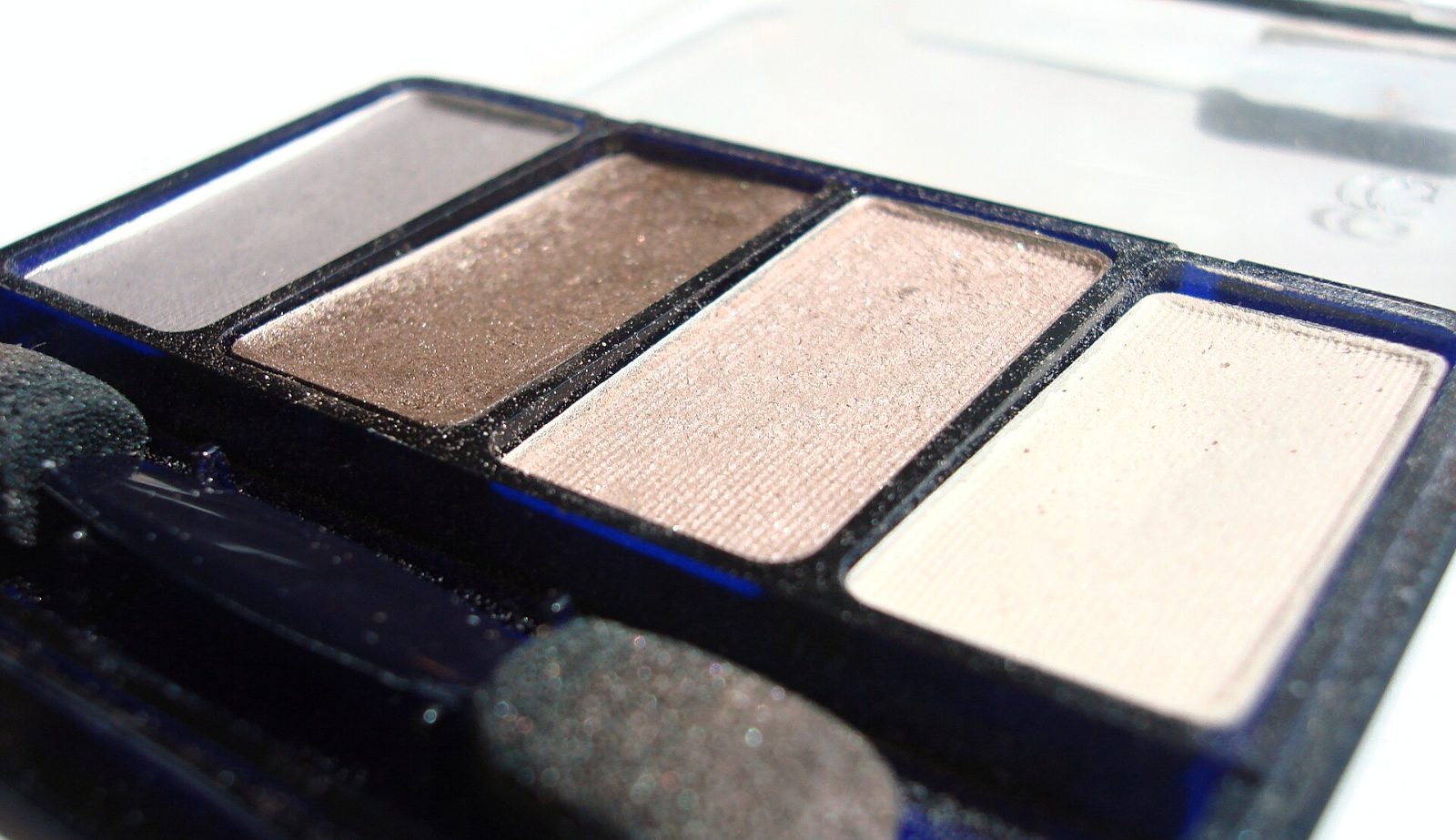
On the colour wheel, red sits opposite green. Shades that contain red, such as plum, burgundy, rose gold and copper, create contrast that makes green eyes appear more vivid. Warm browns and bronzes work for the same reason, while still looking neutral enough for a bridal look.

Shades close to green itself, like bright emerald or olive, can either enhance or compete with your eye colour. Used as a small accent, a deep green can look striking; used all over the lid, it can make your eyes look less distinct.

Eyeshadow palette with plum and bronze shades
Photo: User:Editor at Large, CC BY-SA 2.5

Shade guide for green and hazel eyes

Shade familyEffectBest for
Plum, aubergine, mauveStrong contrast, makes green vividEvening receptions, soft glam
Burgundy, wineRich and romanticWinter weddings, deeper skin tones
Copper, rose goldWarm glow and contrastDaytime, outdoor and beach weddings
Warm brown, bronzeSoft, neutral definitionNatural and classic looks
Champagne, soft goldBrightening on the lidAlmost any bridal look
Deep green or oliveAccent onlyLower lash line or outer corner touch

Hazel eyes, which often mix green, gold and brown, can lean either way. Purples bring out the green; golds and bronzes bring out the amber flecks.

A simple bridal eye for green eyes

1. Prime

Use an eyeshadow primer so shadow stays put in heat and does not crease.

2. Transition shade

Blend a warm brown, soft mauve or muted rose into the crease.

3. Depth

Add a deeper plum, burgundy or chocolate brown to the outer corner and blend it upward and outward.

4. Lid

Press a champagne, rose gold or copper shimmer onto the centre of the lid with a fingertip or flat brush.

5. Liner

Choose a deep brown, plum or bronze liner instead of jet black for a softer look. Black works well for evening glam and gives strong definition.

6. Lashes

Waterproof mascara, plus strip or individual lashes suited to your eye shape. Lashes frame green eyes beautifully without needing heavy shadow.

Lower lash line

A soft smudge of the same plum or brown shade along the lower lashes helps green eyes stand out, especially in photos. Keep it close to the lashes and blend it well to avoid a tired look.

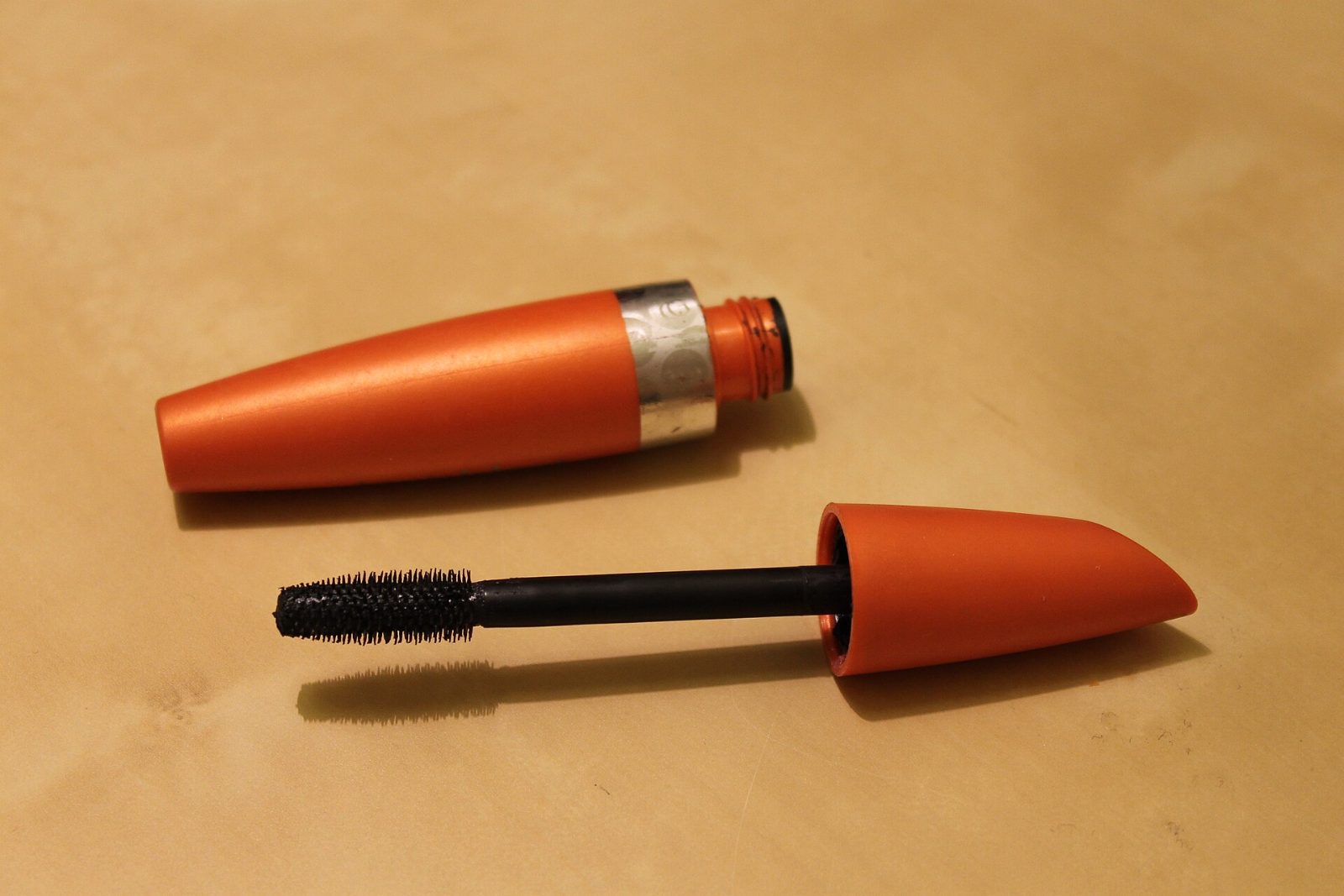
Mascara for defined bridal lashes
Photo: Jen, CC BY-SA 3.0

Adapting to your skin tone

Green eyes appear across many skin tones, and the right intensity changes:

  • Fair skin: soft mauve, rose gold, taupe-brown and light copper
  • Light to medium skin: plum, bronze and warm brown with champagne on the lid
  • Olive and tan skin: burgundy, rich copper, bronze and gold
  • Deep skin: deep plum, wine, copper and gold for strong, rich contrast

Your undertone matters too. Warm-toned skin often suits copper and bronze; cool-toned skin suits plum and mauve.

Matching the eye look to your outfit and events

Your outfit colour affects how your eyes read in photos. With an ivory or white gown, plum and bronze shades look soft and romantic. With gold embroidery, copper and gold shimmer tie the look together. For a green or emerald henna outfit, keep the eyeshadow in warm browns and gold rather than more green, so your eyes do not get lost against the fabric. If you have a red or burgundy reception outfit, a burgundy-toned smoky eye can look beautiful, with a softer nude lip to balance it. Share photos of every outfit with your artist so each look is planned rather than improvised.

Cheeks and lips

When the eyes are the focus, a softer lip keeps the look balanced. Good choices include:

  • Rosy nude or pink-brown lipsticks
  • Soft berry or mauve shades that echo the eye colour
  • Warm peach-nude for copper or bronze eyes

A bold red can be stunning with green eyes, but pair it with softer eyeshadow so the face does not feel overloaded. Choose a blush that ties into the palette: rosy pink for plum eyes, peach or apricot for copper eyes.

Making it last in the UAE

Heat, humidity and long celebrations test any eye look. Use waterproof mascara and liner, set the eyeshadow primer with a little powder, and keep a cotton bud and a small concealer in your touch-up kit for smudges. Outdoor photos in bright sun can make shimmer look stronger, so go a little lighter on shine for daytime outdoor portraits. Check our Makeup Artist Booking Checklist for venue and lighting questions to raise with your artist.

Eye comfort and safety

  • Patch test eye products if you have sensitive eyes or allergies
  • Do not share mascara or eye pencils, and use fresh products for your wedding
  • Remove eye makeup gently with an oil-based remover; do not rub
  • Seek advice from a licensed optometrist or doctor if you get persistent redness, swelling, pain or vision changes

Coloured contact lenses

If you are thinking of using coloured lenses to enhance green eyes, have them prescribed and fitted by a licensed optometrist or ophthalmologist, even if you do not need vision correction. Avoid buying decorative lenses without a proper fitting, as poorly fitting lenses can damage the eyes. Wear them for a trial before the wedding, not for the first time on the day.

Prepping the eye area

Hydrated, smooth skin around the eyes helps shadow and concealer sit well. Use a gentle eye cream in the weeks before the wedding and get enough sleep where you can. Plan treatments such as brow shaping or lash extensions in advance with our Pre-Wedding Beauty Timeline.

For green eyes, think contrast: plum, copper and warm brown bring out the colour more than green shadow ever will.

Frequently asked questions

What eyeshadow colour makes green eyes pop the most?

Shades with red or purple undertones, such as plum, burgundy and mauve, create the most contrast. Copper and rose gold are softer alternatives.

Is black eyeliner good for green eyes?

Yes, especially for evening looks. For softer daytime makeup, brown, plum or bronze liner can look more flattering.

Should I avoid green eyeshadow if I have green eyes?

Not necessarily. A deep green used as an accent can look lovely, but using it all over the lid may make your eye colour look less vivid.

What lipstick works with green eyes?

Rosy nudes, soft berries and mauves balance a defined eye. A red lip also works well if the eye makeup is kept softer.

Sources: American Academy of Ophthalmology, US Food and Drug Administration: Cosmetics, Dubai Health Authority

Last reviewed: 2026-11-26. General information only, not medical advice. Please consult a licensed practitioner in the UAE about your own situation.
Makeup Artist Certification: What It Means and How Brides Should Check It

A makeup artist certification is a certificate from a course or academy showing that the artist completed training. There is no single global licence for makeup artistry, so certificates vary from short workshops to long professional programmes. For a bride, a certificate is a useful sign of training, but it does not replace a trade licence, a strong portfolio and good hygiene in practice.

Certification, licence and portfolio: three different things

What it isWhat it showsWhat it does not show
Training certificateThe artist completed a courseHow good their work is today
Trade or freelance licenceThe artist is permitted to run a business in the emirateTheir skill or style
Portfolio and reviewsReal results and client experiencesWhether they hold a licence
Trial with youHow the look suits your face and lastsLong-term reliability

The strongest choice ticks all four boxes. If you have to prioritise, a licence plus a strong, unedited portfolio and a good trial usually tell you more than a certificate alone.

What a good training programme covers

Courses vary widely, but serious programmes usually include:

  • Skin types, skin preparation and colour theory
  • Foundation matching across different skin tones
  • Eye, brow and lip techniques for photography and long wear
  • Bridal makeup, including long-wear and humidity-resistant methods
  • Lash application and safe use of lash glue
  • Hygiene, sanitation and avoiding cross-contamination
  • Recognising skin conditions and when not to apply makeup

The hygiene and skin-safety parts matter most to you as a client, because they affect your skin, not just how the makeup looks.

Makeup brushes laid out for a training class
Photo: User: MrX, CC BY-SA 3.0

Training in the UAE

The UAE has makeup academies and beauty training centres, as well as international brands that run courses locally. In Dubai, private training institutes are regulated by the Knowledge and Human Development Authority, and other emirates have their own education or economic departments. Many artists also train abroad or through well-known international academies and brand programmes.

Because programmes differ so much, ask the artist where they trained, how long the course was, and what it covered. A professional will be happy to tell you.

How a bride can verify an artist

  1. Ask about the licence. Ask which licence they hold to work in the emirate, whether through a salon, a free zone, a freelance permit or a trade licence.
  2. Ask about training. Where and when did they train? Have they done any recent courses?
  3. Check the portfolio. Look for unedited photos in natural light and examples on skin similar to yours.
  4. Read reviews carefully. Look for detailed reviews from real brides, including how the makeup held up.
  5. Book a paid trial. Watch their hygiene habits in person.

Hygiene habits that matter more than any certificate

  • Clean brushes for every client
  • Disposable applicators for mascara and lips
  • Products decanted onto a palette, not used straight from the pot
  • Hands sanitised before touching your face
  • Willingness to patch-test if you have sensitive skin

Our makeup artist booking checklist includes these questions so you can work through them at the trial.

A certificate shows training. Hygiene and results show professionalism.

If you are thinking of becoming a makeup artist

Many readers ask about certification because they want to train themselves. A few points worth knowing:

  • Choose a course with plenty of hands-on practice on real faces, not only demonstrations.
  • Make sure hygiene and skin safety are covered properly.
  • Check whether the institute is licensed by the relevant authority in its emirate.
  • Build a portfolio of unedited work as you train.
  • Learn about licensing before you take paid clients, since working without the right permit can lead to fines.

The business side, from licensing to contracts and cancellations, matters as much as technique if you plan to work with brides.

Makeup student practising on a model
Photo: TAPAS KUMAR HALDER, CC BY-SA 4.0

Skin safety questions to ask any artist

A well-trained artist will ask about your skin, not just your look. Expect questions about allergies, sensitive skin, eczema, acne treatments, recent peels or laser, and whether you wear contact lenses. If an artist does not ask, mention these yourself.

When makeup should wait

  • Open wounds, active cold sores or infected spots in the area
  • Fresh chemical peel, laser or microneedling, until your practitioner says it is safe
  • An active eye infection
  • A known allergy to a product or lash glue ingredient

If a trial leaves you with swelling, a spreading rash or persistent redness, remove the makeup and see a licensed doctor or dermatologist. Seek urgent help if your lips, eyes or face swell or you have trouble breathing.

Red flags that no certificate can outweigh

Some warning signs should make you look elsewhere, however impressive the wall of certificates. Be cautious if an artist refuses to show unedited photos, will not give you a written quote, asks for the full fee in cash with no receipt, or becomes vague when you ask about their licence. In a trial, watch out for brushes taken straight from a bag without cleaning, a single mascara wand used on several people, or products that look old, separated or dried out.

Pay attention to how the artist listens. A professional asks about your skin, your outfit and the feel you want, and adjusts the look when you give feedback. If they dismiss your concerns about sensitivity or say a stinging product is normal, that is a sign to stop. Good training shows in small habits, not in framed paper.

Planning around your wedding

Shortlist artists six to nine months ahead for peak season, and book a trial two to three months before. Our pre-wedding beauty timeline maps out these steps alongside your skin prep.

FAQ

Do makeup artists need to be certified in the UAE?

There is no single makeup certification required everywhere, but artists generally need the right licence to work commercially. Training certificates are a plus, not a substitute.

Is a certificate from an international academy better?

Not necessarily. What matters is what the course covered, how much hands-on practice it included and the quality of the artist’s current work.

How can I check an artist’s licence?

Ask the artist for their licence details or the salon they work through, and request a proper invoice for your booking.

Should I choose a certified artist over one with a great portfolio?

Ideally both. If you must choose, a strong unedited portfolio, good reviews, a licence and a successful trial tell you more than a certificate alone.

Sources: Knowledge and Human Development Authority, Dubai; UAE Government portal; American Academy of Dermatology.

Cover photo: TAPAS KUMAR HALDER, CC BY-SA 4.0. Last reviewed: 2026-11-25. General information only, not medical advice. Please consult a licensed practitioner in the UAE about your own situation.
How Long Does Bridal Makeup Take? Planning Your Wedding Morning Schedule

Bridal makeup alone often takes somewhere between one and two hours, depending on the look, your skin and your artist’s process. Hair can add a similar amount of time again, and a full glam look, lashes, a hijab or veil styling, or makeup for family members and bridesmaids can stretch the morning much further. Always ask your artist for their own timing and then add a buffer.

What affects how long it takes

Every artist works at a different pace, and every bridal look is different. The main factors are:

  • The look: a soft natural look is usually quicker than full glam with cut creases, strong contour and lashes
  • Skin prep: very dry, oily or textured skin may need more time to prep and set
  • Lashes: applying strip or individual lashes takes extra time
  • Hair: complex updos, extensions or long blow-dries add significant time; hijab styling has its own timing
  • Body makeup: evening out tone on shoulders, back or arms for open dresses
  • Number of people: each bridesmaid, mother or relative adds a full appointment
  • Photographer timing: getting-ready photos may require the bride’s makeup to finish at a set point
Makeup brushes ready for a bridal appointment
Photo: ajay_suresh, CC BY 2.0

Typical time ranges

These are broad, commonly quoted ranges, not promises. Your artist will give you their own estimate at the trial.

ServiceTypical rangeWhat can make it longer
Bridal makeup, natural lookAround 1 hourSkin prep, lashes
Bridal makeup, full glamOften 1.5 to 2 hours or moreDetailed eyes, contour, body makeup
Bridal hair, simple styleAround 45 minutes to 1 hourVery long or thick hair
Bridal hair, complex updo1 to 2 hoursExtensions, accessories, veil fitting
Hijab stylingOften 20 to 45 minutesLayered styles, pinning accessories
Bridesmaid or family makeupAround 45 minutes to 1 hour eachFull glam requests
Touch-ups before the ceremony10 to 20 minutesHeat, tears, outfit changes

Build your schedule backwards

The safest way to plan your wedding morning is to start with the time you need to be fully ready and work backwards.

Example backwards plan

  • Leave for the venue or first look: fixed time
  • Dress on and final touch-ups: 30 to 45 minutes before
  • Bride’s makeup finished: 15 minutes before getting dressed
  • Bride’s makeup starts: about 2 hours before that
  • Bride’s hair: before or after makeup, depending on the artist
  • Bridesmaids and family: earlier in the morning, in a rota
  • Buffer: at least 30 minutes for delays

Whether hair or makeup goes first depends on the artist and the style; see our guide on whether hair or makeup should go first. Use our Pre-Wedding Beauty Timeline for planning the weeks and days before.

Clock for planning the wedding morning schedule
Photo: Santeri Viinamäki, CC BY-SA 4.0

Why the bride usually goes last

Many artists do the bride’s makeup last, or near the end, so it is as fresh as possible when the ceremony begins. Others prefer to do the bride in the middle so there is time for adjustments. Discuss this with your artist; photographers also often want shots of the bride in the final stages.

UAE-specific timing considerations

  • Traffic and distances: if your artist is travelling to you, or you are travelling to a venue in another emirate, build in travel time
  • Multiple events: henna nights, morning ceremonies and evening receptions may each need their own appointment
  • Heat: if photos are outdoors, finishing makeup too early means more time for heat to wear it down
  • Prayer times and family customs: some families plan the schedule around these; factor them in
  • Hotel suites: confirm when you can access the room and whether there is good lighting and power

Make the morning easier

  • Wash and dry hair as your stylist instructs, usually the night before or that morning
  • Arrive with a clean, moisturised face, no makeup
  • Wear a button-up shirt so you do not pull anything over your hair and makeup
  • Eat a proper breakfast and keep water with a straw nearby
  • Assign someone to manage the timeline so you can relax

How the trial helps you plan

Your makeup trial is the best way to get an accurate time estimate. Note how long your artist takes, from skin prep to the final setting spray. Ask how many assistants they will bring on the day if several people need makeup. Our Makeup Artist Booking Checklist includes questions about timing, assistants and travel.

A sample rota for a bride and four others

Imagine a bride, her mother and three bridesmaids, with one makeup artist and one hairstylist working side by side. A common approach is to start the people with the simplest looks first, while the bride relaxes or has her hair done. Each person moves from the hair chair to the makeup chair, or the other way round, so both professionals stay busy. The bride’s makeup is often scheduled to finish close to the time she gets dressed, with her mother just before her so they can be photographed together.

If the group is larger, ask your artist whether they can bring an assistant. Two artists working in parallel can halve the time for guests, though the bride’s own appointment usually stays with the lead artist. Write the rota down with names and times and share it with everyone the evening before, so each person knows exactly when to be in the chair.

What to do if things run late

Delays happen. Agree in advance who decides what gets cut if time runs short: perhaps a bridesmaid’s lashes, or a simpler hairstyle for a relative. Keep the bride’s appointment protected. Have the photographer focus on other details, such as the dress and accessories, if your makeup runs over.

Skin and comfort

Long appointments can be uncomfortable if you are very hungry, thirsty or tired. Eat beforehand, take breaks if you need them, and tell your artist if anything stings or irritates. If you have sensitive skin, patch test products before the trial rather than discovering a reaction on the morning.

Ask your artist how long they need, then add a buffer. A calm morning shows in your photos.

Frequently asked questions

How early should my makeup artist arrive on the wedding day?

Early enough to complete everyone’s makeup plus a buffer. For a bride with several bridesmaids, artists often start very early in the morning or bring assistants.

Does the bride go first or last?

It varies. Many artists do the bride last or near the end so the makeup is fresh, but some prefer the middle to allow time for adjustments.

How long does a bridal makeup trial take?

Trials often take as long as the wedding-day makeup or a little longer, since the artist and bride are discussing and adjusting the look.

How can I shorten the time on the day?

Keep your look close to what was tested at the trial, have lashes and brows done in advance if appropriate, and limit the number of people having makeup.

Sources: American Academy of Dermatology, Roads and Transport Authority Dubai, Dubai Municipality

Cover photo: Ronnie Macdonald from Chelmsford, United Kingdom, CC BY 2.0. Last reviewed: 2026-11-26. General information only, not medical advice. Please consult a licensed practitioner in the UAE about your own situation.
Bridal Makeup for Sensitive Skin: How to Avoid Reactions on Your Wedding Day

Bridal makeup for sensitive skin works best when you patch test every product in advance, keep the routine short, avoid fragrance and other common irritants where you can, and make sure your artist uses clean tools. Most reactions on a wedding day come from something new: a new product, a new treatment or a new artist’s kit you have never tried.

What “sensitive skin” can mean

Sensitive skin is not a single diagnosis. People use the term for skin that stings, burns, flushes or itches easily. Sometimes there is an underlying condition such as rosacea, eczema (atopic dermatitis), contact allergy or perioral dermatitis. These behave differently, so if you have recurring symptoms, a visit to a licensed dermatologist in the UAE a few months before the wedding is worth more than any product swap.

There are two broad types of reaction to cosmetics:

  • Irritant reactions: stinging, redness or dryness caused by something harsh on the skin, such as alcohol-heavy products, strong acids or over-exfoliation
  • Allergic contact dermatitis: an immune reaction to a specific ingredient, often fragrance or certain preservatives, which can appear hours or a day or two after contact and may be itchy

Patch testing before the trial

A simple patch test can catch many problems. Ask your makeup artist which foundation, concealer, primer, setting spray and lash adhesive they plan to use, and test them on a small area such as behind the ear or on the inner forearm. Check the area over the next 48 hours or so. Some reactions are delayed, so testing the morning of the trial is too late.

If you have a history of reactions to many products, a dermatologist can perform formal patch testing to identify specific allergens. That result gives you a list of ingredients to avoid, which you can share with your artist.

Commonly reported triggers

  • Fragrance and essential oils
  • Some preservatives
  • Certain hair dyes and lash or brow tint ingredients
  • Lash and nail adhesives
  • Chemical exfoliants used too often

A product labelled “hypoallergenic” can still cause a reaction in some people, so testing still matters.

Choosing products: shorter is safer

The fewer products on your face, the fewer chances of a reaction. A sensitive-skin bridal routine might look like this:

StepGentler choiceQuestions to ask
PrepYour own tried-and-tested moisturiserCan I bring my own skincare for the prep step?
PrimerSkip, or use one you have testedIs a primer really needed for my skin type?
FoundationFragrance-free, tested in the trialWhat else is in your kit if this one irritates?
ConcealerSame brand as tested in the trialIs it applied with a clean brush or sponge?
PowderFine mineral or talc-free powder if preferredHas this been patch tested?
LashesStrip lashes with a tested adhesiveWhich adhesive do you use?
Setting sprayOptional; avoid if alcohol stingsCan we skip spray and use powder only?

Bring your own skincare and, if you like, your own foundation that you know works. Many professional artists are happy to use a client’s product.

Hygiene: the part people forget

A professional kit is used on many faces. Ask your artist how brushes are cleaned between clients, whether they use disposable mascara wands and lip applicators, and whether creams are scooped out with a spatula rather than fingers. A good artist will be glad you asked. Our Makeup Artist Booking Checklist includes hygiene questions you can copy.

Clean makeup brushes ready to use
Photo: geehairimages, CC BY 2.0
Makeup products for a gentle bridal look
Photo: Esthee2010, CC BY-SA 4.0

Timing treatments around the wedding

Sensitive skin often reacts to facials, peels, waxing and threading. Schedule these well ahead of the date and only repeat what you have tolerated before. Our Pre-Wedding Beauty Timeline suggests realistic windows.

Skip in the final two weeks if your skin is reactive

  • New facials, peels or laser treatments
  • Facial waxing if you usually get bumps or redness
  • A first-time brow or lash tint
  • Any new active skincare product

UAE factors that can make things worse

Several local conditions can tip sensitive skin over the edge:

  • Air conditioning dries the skin barrier, which can make products sting
  • Heat and sun can trigger flushing, especially with rosacea
  • Hard water in some homes may feel drying for people with eczema
  • Long days of heavy makeup in warm conditions can clog pores or irritate

Keep a gentle moisturiser and sunscreen in your daily routine for weeks before the wedding, and keep the skin barrier happy rather than chasing quick results.

What to do if a reaction starts on the day

If your skin starts to sting, burn or itch after makeup is applied, remove the product gently with a mild cleanser and cool water. Do not keep layering more makeup over a reaction. Apply a bland moisturiser you know your skin tolerates.

Seek urgent medical help if you develop swelling of the lips, eyes or face, difficulty breathing, hives spreading over the body, or eye pain or vision changes. These can be signs of a serious allergic reaction. In the UAE, call 999 for an emergency.

The safest bridal look for sensitive skin is one that has already been worn, for hours, at the trial.

Frequently asked questions

Can I use my own makeup at my bridal appointment?

Usually yes. Many artists are happy to work with products you know you tolerate, especially foundation and skincare. Agree on this when you book.

Is mineral makeup better for sensitive skin?

Some people with sensitive skin find mineral powders comfortable because they contain fewer ingredients. It is not guaranteed, so patch testing is still the best guide.

How long before the wedding should I see a dermatologist?

If you have ongoing redness, flare-ups or past reactions, booking three to six months ahead gives time to diagnose and treat the problem before the date.

Should I avoid lash glue if I have sensitive eyes?

Not necessarily, but test the adhesive in advance and consider latex-free options if you have a latex allergy. Remove lashes immediately if your eyes become red or swollen.

Sources: American Academy of Dermatology, National Eczema Association, Dubai Health Authority

Cover photo: Esthee2010, CC BY-SA 4.0. Last reviewed: 2026-11-26. General information only, not medical advice. Please consult a licensed practitioner in the UAE about your own situation.