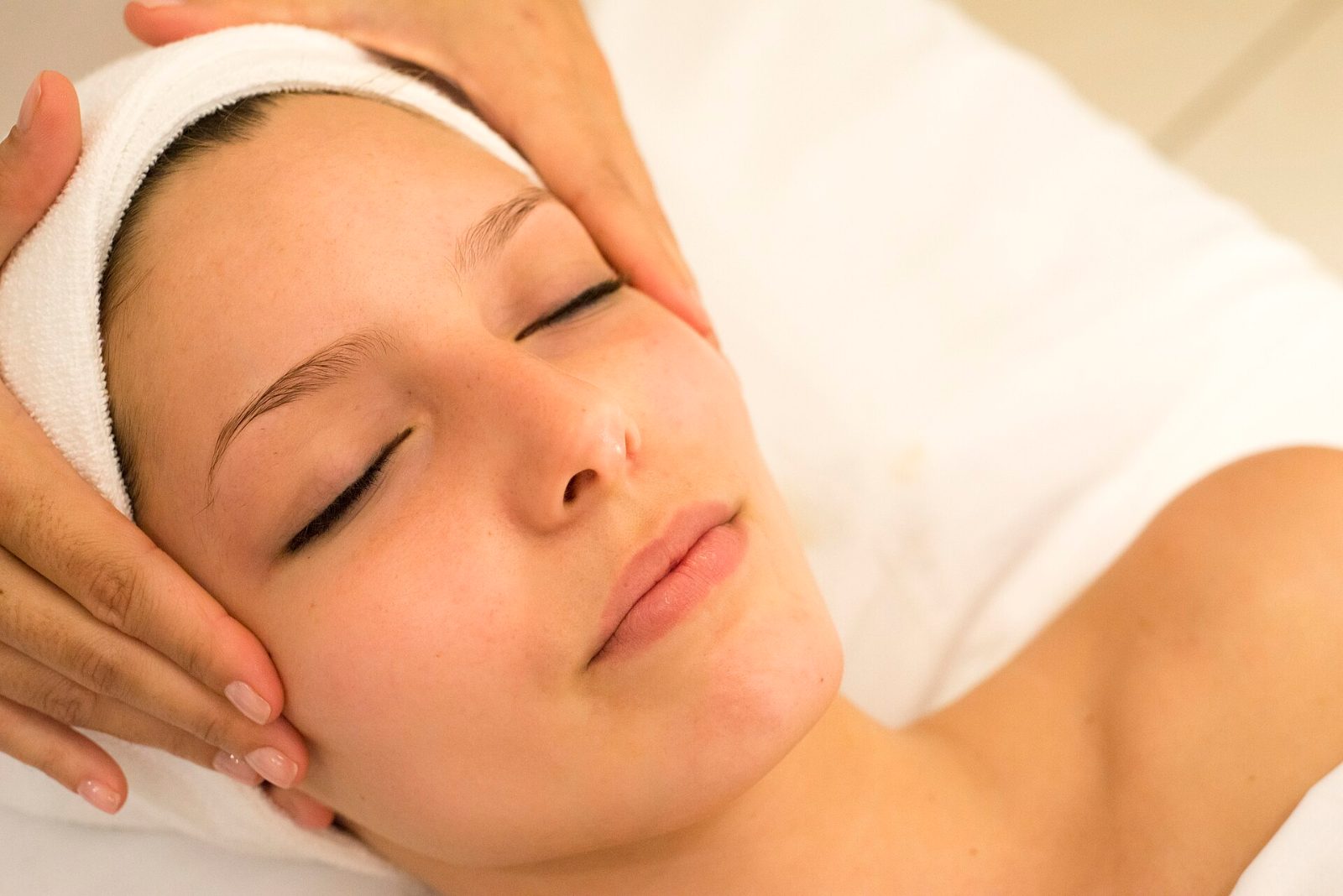
Japanese skin care is built on a small number of careful steps: gentle double cleansing, a hydrating “lotion” patted into the skin, a light moisturiser or emulsion, and serious sun protection. Compared with the many-layered Korean approach, it tends to be more minimal and more focused on long-term prevention, which suits busy routines and the strong UAE sun well.
The philosophy: less, but done well
Japanese skin care, sometimes called J-beauty, values consistency, gentleness and prevention. Rather than chasing quick fixes, the goal is skin that stays healthy and even over decades. Three ideas run through most routines:
- Thorough but gentle cleansing, so skin is clean without being stripped.
- Hydration first, with water-light textures applied in thin layers.
- Sun avoidance and protection as a daily habit, not a beach-only habit.
Many Japanese products are designed to feel almost weightless, which makes them comfortable in heat and humidity.
A typical Japanese routine
| Step | Product | Japanese name you may see | Purpose |
|---|---|---|---|
| 1 | Oil cleanser | Cleansing oil | Dissolves sunscreen and makeup (evening) |
| 2 | Foaming or gel cleanser | Face wash | Removes remaining residue |
| 3 | Lotion | Keshosui | Watery hydrating toner, patted in with hands or a cotton pad |
| 4 | Serum or essence | Biyoeki | Targeted ingredients |
| 5 | Emulsion or cream | Nyueki or cream | Seals in moisture |
| 6 | Sunscreen (morning) | UV milk or gel | Daily UV protection |
The “lotion” step is the one many people outside Japan find confusing. It is not a body lotion but a thin, watery hydrating liquid. Some people apply it in several thin layers, gently pressing it into the skin rather than rubbing.
A simple UAE-friendly version
Morning: gentle face wash, hydrating lotion, light emulsion, UV milk or gel sunscreen.
Evening: cleansing oil, face wash, lotion, serum if needed, emulsion or cream.
Ingredients common in Japanese products
- Hyaluronic acid and ceramides, for hydration and barrier support.
- Rice bran and rice ferment, used for softness and an even-looking tone.
- Green tea, an antioxidant ingredient.
- Camellia oil, a light traditional oil for skin and hair.
- Fermented ingredients, such as sake-derived ferments, used for a smooth, radiant look.
- Vitamin C derivatives and tranexamic acid, often found in products aimed at dark spots.
Japan has a regulatory category called “quasi-drugs” for cosmetics containing certain active ingredients at approved concentrations, for example some brightening and anti-acne products. This is why some Japanese labels mention approved active ingredients more clearly than standard cosmetics do.
Japanese skin care is less about how many steps you do, and more about doing a few steps gently, every day, for years.
Japanese sunscreens
Japanese sunscreens are widely loved for their light, often watery textures that dry quickly and sit invisibly under makeup. The PA system for rating UVA protection, from PA+ to PA++++, originated in Japan and is now used across much of Asia. Higher PA means stronger UVA protection.
In the UAE, where UV is intense all year, choose SPF 30 or higher with PA+++ or PA++++. Many Japanese “UV milks” are labelled water- and sweat-resistant, which helps outdoors, but they still need to be reapplied every two hours in the sun and after swimming. Water-resistant formulas usually need a cleansing oil to remove fully.
Japanese vs Korean skin care
| Number of steps | Usually fewer | Often more, highly layered |
|---|---|---|
| Focus | Prevention, simplicity, quality | Hydration layers, innovation, trends |
| Textures | Very light, refined | Light to rich, playful formats |
| Known for | Sunscreens, cleansing oils, lotions | Sunscreens, essences, sheet masks |
Both share double cleansing and sun protection. You can happily mix products from both if they suit your skin.
Adapting it to your skin type
Oily or acne-prone skin: light lotions and gel emulsions work well. Choose a sunscreen gel and a non-comedogenic cleanser.
Dry skin: apply the lotion in several thin layers and finish with a cream. In dry air-conditioned rooms, this layering helps a lot.
Sensitive skin: look for fragrance-free and alcohol-free formulas; some Japanese lotions and sunscreens contain alcohol, which can sting.
Check before you start
- Patch test new products for several days, especially if you have sensitive skin
- During pregnancy or breastfeeding, ask your doctor about any product with strong actives
- Persistent acne, pigmentation that is spreading, or a changing mole needs a dermatologist
Fitting it into a pre-wedding plan
A Japanese-style routine is a good choice before a wedding because it is gentle and unlikely to cause surprises. Start any new product at least two to three months before the date and keep your routine stable during the final weeks. The pre-wedding beauty timeline shows how to schedule skin care alongside facials and makeup trials.
Buying Japanese skin care in the UAE
Japanese brands are available in pharmacies, beauty chains and specialist Asian stores, as well as online. Buy from authorised sellers, check packaging and expiry dates, and be cautious of prices far below the usual. Some product names and instructions may only be in Japanese, so ask the retailer if you are unsure how to use them.

Frequently asked questions
What is the Japanese lotion step?
A thin, watery hydrating liquid applied after cleansing. It preps the skin and adds a first layer of moisture before serums and creams.
Is Japanese skin care good for oily skin?
Often, yes. Many products are light and quick-absorbing. Choose gel textures and non-comedogenic sunscreens.
Do I need a cleansing oil?
It is useful in the evening if you wear water-resistant sunscreen or makeup. Rinse it well, then follow with a gentle face wash.
Is Japanese sunscreen safe to use every day?
Yes, when used as directed. Choose one that feels comfortable so you will apply enough and reapply outdoors.
Sources: American Academy of Dermatology, British Association of Dermatologists
Cover photo: DryPot, CC BY-SA 3.0. Last reviewed: 2026-11-25. General information only, not medical advice. Please consult a licensed practitioner in the UAE about your own situation.