HydraFacial in Dubai: How It Works, Where to Book and What to Ask

A HydraFacial in Dubai is a medical-grade facial done with a patented device that cleanses, exfoliates, extracts and hydrates the skin in one session of roughly 30 to 60 minutes. You will find it in dermatology clinics, licensed beauty centres and some spas across the city, and the main things to check are the facility licence, the person operating the device, and which add-ons are actually included in the quoted price.

What a HydraFacial actually is

HydraFacial is a brand name, not a general technique. The treatment is performed with a device made by The HydraFacial Company, which uses a spiral-tipped handpiece and vacuum suction to deliver liquid serums while lifting debris out of pores at the same time. The company calls this Vortex-Fusion. Many clinics offer “hydra” or “aqua” facials on similar-looking machines, but those are different devices and the results and serums are not the same.

The standard protocol runs in three stages:

  1. Cleanse and peel. The skin is cleansed and a gentle exfoliating solution loosens dead skin cells.
  2. Extract and hydrate. Suction clears congestion from pores while a hydrating serum is applied.
  3. Fuse and protect. Antioxidant and hydrating serums are pushed into the surface of the skin.

Many menus then add “boosters” (targeted serums for brightness, fine lines or congestion), LED light, or lymphatic drainage. These extras change both the price and the session length.

Aesthetician performing a facial treatment in a clinic
Photo: Suyash Dwivedi, CC BY-SA 4.0

Dubai’s climate is hard on skin in two opposite ways. Outdoors, heat and humidity increase oil and sweat, which can clog pores. Indoors, long hours in air-conditioned offices, malls and cars dry out the surface layer. A treatment that both clears pores and adds hydration fits that pattern, which is a large part of its appeal here.

It is also a “no downtime” facial for most people. Redness, if any, usually fades within hours, so it is easy to fit around work, travel and events. That is why many brides and guests book one in the run-up to a wedding (see our separate guide on timing a HydraFacial before the big day).

At a glance

  • Session length: roughly 30 to 60 minutes depending on add-ons
  • Downtime: usually none, mild redness for some people
  • Results: smoother, more hydrated skin straight away; effects are temporary
  • Typical rhythm offered by clinics: monthly, or a short series before an event

Where to book: clinic, salon or spa

In Dubai, health facilities and the practitioners who work in them are licensed by the Dubai Health Authority (DHA). In Abu Dhabi the regulator is the Department of Health (DOH), and in the northern emirates it is the Ministry of Health and Prevention (MOHAP). A HydraFacial is a cosmetic procedure rather than surgery, but medical-grade facials with exfoliating acids are often performed in licensed clinics, especially when combined with peels, microneedling or prescription skincare.

SettingWhat to expectGood for
Dermatology or aesthetic clinicDoctor or licensed therapist, skin assessment, can combine with medical treatmentsAcne, pigmentation, sensitive or reactive skin
Licensed beauty centreTrained therapist, often more flexible bookingHealthy skin wanting a refresh
Hotel or day spaRelaxing setting, sometimes shorter protocolMaintenance and pampering

Whichever you choose, ask whether the machine is a genuine HydraFacial device and whether the serum tips are new and sealed for your session. Single-use tips are standard on the genuine system.

How much does it cost?

Prices in Dubai vary widely by setting, area, the protocol (signature, deluxe, platinum and similar tiers) and the boosters included. Promotions are common, and packages of several sessions usually reduce the per-visit cost. Rather than relying on a number you saw online, compare written quotes that list:

  • the exact protocol name and steps
  • which booster serums and LED are included
  • whether a consultation is charged separately
  • the cancellation and rescheduling policy

If a price looks far below everyone else’s, ask directly whether the device is the original brand.

Who should be cautious

A HydraFacial is gentle compared with most peels, but it is not for everyone at every moment. Speak to a doctor or dermatologist first if you:

  • are pregnant or breastfeeding (some exfoliating solutions contain acids that many practitioners avoid during pregnancy)
  • use prescription retinoids or isotretinoin, or have recently stopped them
  • have active rosacea flares, eczema, sunburn or open wounds on the face
  • have an active cold sore or other skin infection
  • have had injectables, laser or a peel in the past one to two weeks

Stop and get help if

You notice blistering, spreading redness, swelling that worsens after 24 hours, or signs of infection such as warmth, pus or fever. These are not normal reactions to a facial and need medical attention.

Getting the most out of a session

Small habits before and after make a visible difference.

Before: skip waxing, threading and strong exfoliants on the face for a few days. Arrive with clean skin if you can, and tell the therapist about every active ingredient you use.

After: keep makeup off for the rest of the day if possible, avoid saunas, hot yoga and intense workouts for 24 hours, and wear a broad-spectrum sunscreen every day. Freshly exfoliated skin burns more easily, and UAE sun is strong all year round, not only in summer.

The glow from a HydraFacial is real but temporary. Daily sunscreen and a steady routine are what keep it.
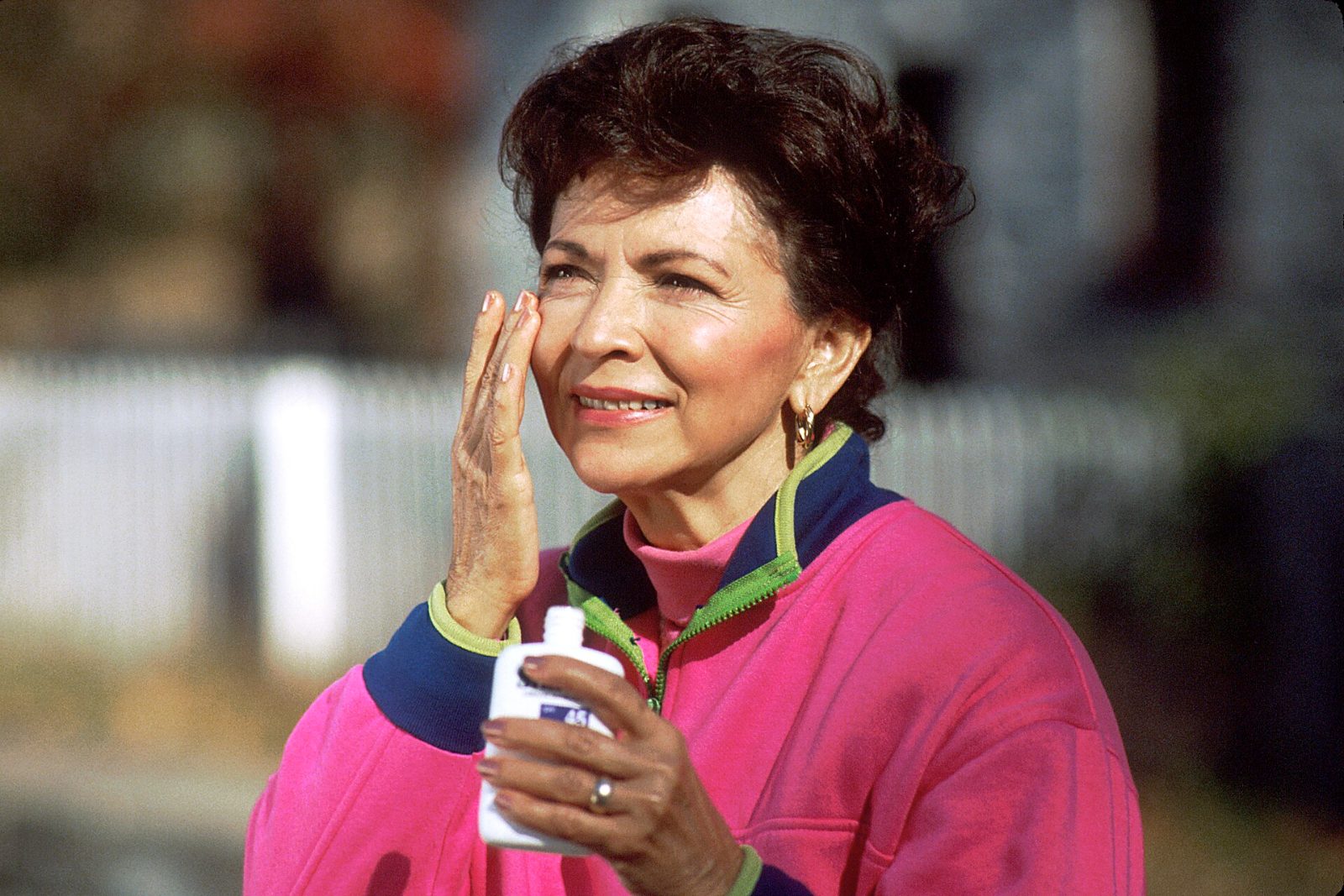
Applying sunscreen after a facial

Planning around an event

If you are booking for a wedding or another big day, do a trial session at least a few weeks before, so you know how your skin reacts. Then book the final one a few days before the event rather than the day itself. Our pre-wedding beauty timeline lays out where facials, trials and other treatments fit in the weeks before the date, and the makeup artist booking checklist helps you line up the rest of your beauty team.

Questions to ask at the consultation

  • Is this a genuine HydraFacial device, and are the tips single-use?
  • Who will perform the treatment, and what is their training?
  • Which boosters do you recommend for my skin, and why?
  • What should I avoid using on my skin for the next 48 hours?

Frequently asked questions

How long does a HydraFacial last?

The immediate smoothness and hydration usually look best for several days to about a week. Clinics typically suggest repeating it every four weeks or so, roughly in line with the skin’s natural renewal cycle, but there is no obligation to follow a set schedule.

Does a HydraFacial hurt?

Most people describe it as a cool, slightly tingling suction. Extraction on congested areas such as the nose can feel stronger. Tell the therapist if anything is uncomfortable so they can adjust the suction.

Can I have a HydraFacial if I have acne?

Mild congestion and blackheads often respond well. For active, inflamed or cystic acne, see a dermatologist first, because extraction over inflamed spots can irritate them and acne may need medical treatment.

Can I go to the beach after a HydraFacial?

It is better to avoid direct sun, swimming pools and the sea for at least a day. If you do go out, use a high-SPF broad-spectrum sunscreen and a hat.

Sources: HydraFacial official site, Dubai Health Authority, American Academy of Dermatology

Cover photo: Charles Lam from Hong Kong, China, CC BY-SA 2.0. Last reviewed: 2026-11-25. General information only, not medical advice. Please consult a licensed practitioner in the UAE about your own situation.


Oxygen Facial Before a Wedding: What It Does, What It Does Not, and Who It Suits

An oxygen facial is a salon or clinic treatment in which a device sprays a fine mist of pressurised oxygen together with serums, often containing hyaluronic acid, vitamins or botanicals, onto the skin. Many people find their skin looks fresh, plump and glowing for a few days afterwards, which is why it is popular before events. The research evidence for long-term benefits is limited, so treat it as a gentle, short-term boost rather than a treatment for skin problems.

How an oxygen facial works

A typical session starts with cleansing and sometimes light exfoliation. The therapist then uses a handheld device that delivers a stream of oxygen and a serum onto the skin. Some treatments also include massage, a mask or LED light. The sensation is usually cool and relaxing.

The visible glow comes mainly from hydration and the serums used, along with massage that temporarily increases blood flow to the skin. Skin can look smoother and more even for a short time.

What it can and cannot do

ExpectationRealistic?Notes
Fresh, hydrated look for a few daysOftenMainly from serums and massage
Relaxing, low-irritation experienceUsuallyGentle for many skin types
Treat acneNot on its ownSee a dermatologist for acne
Fade pigmentationUnlikely on its ownNeeds targeted treatment and sun protection
Reduce deep wrinklesNoOther treatments are needed
Long-term skin changeLimited evidenceEffects are mostly short-lived

Being clear about this helps you decide how much to spend and when to book it.

Calm treatment room in a spa
Photo: Jean-Pol GRANDMONT, CC BY 2.0

HydraFacial

HydraFacial uses a device to cleanse, exfoliate, extract and hydrate. It is more active on pores and texture, while an oxygen facial is usually gentler and focused on hydration and glow.

Classic hydrating facial

A traditional facial with cleansing, massage and a hydrating mask can give a similar short-term glow. The difference is mainly in the device and serums used.

Chemical peels

Peels exfoliate more deeply and can improve texture and tone over time, but they carry more risk of redness and peeling. They need careful timing well before a wedding.

Timing before your wedding

WhenSuggested step
2 to 3 months beforeTry one session to see how your skin reacts
3 to 7 days beforeBook the main session, if the trial went well
Final 1 to 2 daysAvoid any new treatment

Because results are short-lived, many people book an oxygen facial a few days before the event. Do not book your first ever session in the final week. Our pre-wedding beauty timeline shows how it fits with other appointments.

Tell the therapist about your routine

Mention retinoids, acids, recent peels, laser or threading. The therapist may skip exfoliation or adjust serums to avoid irritation.

Aftercare in the UAE

  • Apply sunscreen and avoid long sun exposure on the day.
  • Skip saunas, steam rooms and intense workouts for the rest of the day.
  • Keep your routine simple for a day or two: gentle cleanser, moisturiser and sunscreen.
  • Wait until the next day before heavy makeup, if possible.

A gentle glow is a lovely bonus. Healthy skin comes from steady care in the months before.

Who should check first

Speak to a doctor or dermatologist before booking if you

  • Are pregnant or breastfeeding, so serums and any added treatments such as LED can be checked
  • Have rosacea, eczema, active acne or very sensitive skin
  • Have a rash, sunburn, infection or cold sore on the face
  • Have had recent peels, laser, microneedling or injectables
  • React easily to fragrance or botanical extracts

If you notice burning, swelling, persistent redness, itching or a rash after treatment, contact the clinic and see a licensed doctor or dermatologist in the UAE. Seek urgent help for swelling of the lips or eyes, or any breathing difficulty.

Hydrating face mask applied during a facial
Photo: S.Swagat, CC BY-SA 4.0

Choosing where to go

Look for a licensed clinic or salon with clean, well-maintained equipment and trained staff. In Dubai, health facilities are licensed by the Dubai Health Authority, and in Abu Dhabi by the Department of Health. Ask what the session includes, which serums are used, and whether the therapist will assess your skin first. Avoid places that promise dramatic, permanent results.

When you book your makeup artist, tell them about any facials planned in the week before the wedding. Our makeup artist booking checklist includes a reminder to share recent treatments.

Questions to ask before you pay

A short conversation before booking helps you understand exactly what you are buying. Ask the clinic or salon which device they use and what the session includes step by step: cleansing, exfoliation, the oxygen infusion itself, massage, a mask or LED. Ask which serums will be applied and whether they contain fragrance or essential oils, which some sensitive skin reacts to.

Ask who will perform the treatment and what training they have, and whether they will look at your skin before starting. A good therapist will adjust the plan if your skin is red, freshly threaded or recently treated with a peel.

Be cautious about packages sold on the first visit. If you enjoy the first session and your skin responds well, you can always book more later. Ask about cancellation terms too, in case you need to move the appointment closer to your wedding. Clear answers to these questions are a good sign that you are in careful hands.

Is it worth it?

If you enjoy facials and want a relaxing, low-risk glow before your wedding, an oxygen facial can be a pleasant choice, especially if you have tried it before and know your skin likes it. If your budget is limited, you may get more lasting value from a dermatologist consultation, a consistent home routine and daily sunscreen in the months before.

FAQ

How long do oxygen facial results last?

Many people notice a fresher look for a few days. Long-term effects have limited evidence.

Is an oxygen facial safe for sensitive skin?

It is usually gentle, but serums can still irritate some people. Patch-test or try a session well before the wedding.

How is an oxygen facial different from a HydraFacial?

HydraFacial focuses on cleansing, exfoliation and extraction as well as hydration; oxygen facials are usually gentler and focus on hydration and glow.

When should I book an oxygen facial before my wedding?

Many people book it a few days before, after trying it once earlier to check how their skin reacts.

Sources: American Academy of Dermatology; Dubai Health Authority; Department of Health Abu Dhabi.

Cover photo: Sent1, CC BY-SA 4.0. Last reviewed: 2026-11-25. General information only, not medical advice. Please consult a licensed practitioner in the UAE about your own situation.

HydraFacial for Pigmentation: What It Can and Cannot Do

HydraFacial can make pigmented skin look brighter and more even for a while, mainly by removing dull surface cells and delivering brightening serums. It is not a strong pigmentation treatment on its own. Melasma, deep sun spots and dark marks after acne usually need daily sunscreen plus dermatologist guided treatment, with HydraFacial as a gentle supporting step at most.

Types of pigmentation and why they matter

Not all dark patches are the same, and the right approach depends on the cause. A licensed dermatologist can tell them apart, which is important before spending money on any treatment.

TypeWhat it looks likeCommon triggersHow much HydraFacial can help
Sun spots (solar lentigines)Flat brown spots on sun exposed areasYears of UV exposureSlight brightening only
MelasmaSymmetrical patches on cheeks, forehead, upper lipHormones, UV and visible light, heatLimited; heat and irritation can sometimes worsen it
Post inflammatory hyperpigmentationDark marks where spots or irritation wereAcne, eczema, injuries, harsh treatmentsCan support fading alongside other care
Uneven tone and dullnessGeneral lack of radianceDead cell build up, dehydrationGood short term improvement

In the UAE, strong sunlight for most of the year makes pigmentation common and stubborn, particularly melasma.

Woman shading her face from strong sunlight

How HydraFacial affects pigmentation

Exfoliation

The peel step removes dull surface cells, which can make the skin look brighter and the tone more even straight away.

Brightening boosters

Many clinics offer booster serums aimed at uneven tone. Ingredients vary, so ask exactly what is used.

Gentle approach

Because HydraFacial is relatively gentle, it is less likely than aggressive peels or lasers to trigger new pigmentation in deeper skin tones. That does not make it risk free: irritation of any kind can lead to dark marks in people prone to them.

Melasma needs extra caution

Heat, inflammation and some light exposure can make melasma worse. If you have melasma, speak to a dermatologist before booking any facial. Ask the clinic to avoid aggressive settings and to skip treatments that heat the skin.

What actually fades pigmentation

The steps that make the biggest difference over time are usually:

  1. Daily broad spectrum sunscreen, reapplied when outdoors. Tinted sunscreens with iron oxides can also help protect against visible light, which matters for melasma.
  2. Shade and hats, especially between late morning and afternoon.
  3. Topical treatments recommended by a dermatologist, which may include ingredients such as azelaic acid, niacinamide, vitamin C or prescription products.
  4. In clinic procedures chosen by a dermatologist, such as certain peels or lasers, planned carefully for your skin type.
  5. Patience, since pigmentation often takes months to improve.

HydraFacial fits around this plan as a maintenance or event treatment, not as the main tool.

A wide brimmed hat used for sun protection
Photo: Bureau of Land Management Oregon and Washington from Portland, America, CC BY 2.0

A simple home routine for uneven tone

While professional treatments are planned, a steady routine at home protects your progress:

  • Morning: gentle cleanser, an antioxidant serum such as vitamin C if your skin tolerates it, moisturiser and a broad spectrum sunscreen, ideally tinted.
  • Daytime: reapply sunscreen when outdoors, including on cloudy or dusty days, and after sweating.
  • Evening: cleanse thoroughly, then use the brightening treatment your dermatologist recommends and a moisturiser.
  • Weekly: avoid scrubbing at dark patches; friction and irritation can make pigmentation worse, especially on deeper skin tones.

Heat itself can aggravate melasma for some people, so time spent in hot cars, kitchens or saunas may matter as much as direct sunlight. Small changes such as parking in shade and cooling the car before getting in can help.

Who should avoid or postpone treatment

  • Pregnant or breastfeeding clients should consult a doctor first, since some solutions contain salicylic acid
  • People on isotretinoin or recently using prescription retinoids
  • Anyone with active cold sores, sunburn, open wounds or a rosacea flare
  • People who recently had injectables, lasers or chemical peels
  • Anyone whose pigmentation has changed suddenly, which needs medical review first

Choosing a clinic for pigmentation concerns

  • Choose a clinic licensed by the Dubai Health Authority in Dubai or the Department of Health in Abu Dhabi
  • Ask whether a dermatologist can assess your pigmentation before treatment
  • Ask which booster serums are used and what they contain
  • Make sure they ask about melasma, medications and pregnancy

Bridal timing

If you want brighter skin for your wedding, start sun protection and dermatologist treatment several months ahead, then add a HydraFacial a few days before the event for glow. Our pre-wedding beauty timeline shows a sensible order, and your makeup artist can colour correct remaining patches on the day.

Makeup and pigmentation on the wedding day

A skilled makeup artist can even out remaining patches with colour correctors and well matched foundation. Share your concerns at the trial and ask about long wear products that will not settle into dry patches. Our makeup artist booking checklist includes questions about skin concerns.

When a dark spot needs urgent attention

Any spot that is changing in size, shape or colour, bleeding, itching or looks different from your other spots should be checked by a doctor before any cosmetic treatment. Most pigmentation is harmless, but skin cancer can occasionally look like a dark spot.

For pigmentation, sunscreen does the heavy lifting; HydraFacial adds a temporary glow on top.

Can HydraFacial remove dark spots?

It can make them look slightly lighter by brightening the skin, but it rarely removes established dark spots. Dermatologist led treatments and sunscreen are more effective.

Is HydraFacial good for melasma?

It may give a temporary brightening effect, but melasma can be triggered by heat and irritation. Speak to a dermatologist before booking.

How many sessions are needed for pigmentation?

There is no fixed number, and HydraFacial alone usually gives limited results. A dermatologist can plan a combined approach.

Can HydraFacial cause pigmentation?

It is gentle, but any irritation can lead to dark marks in people prone to them. Tell your practitioner if this has happened to you before.

Sources: American Academy of Dermatology, British Association of Dermatologists, Dubai Health Authority

Last reviewed: 2026-11-25. General information only, not medical advice. Please consult a licensed practitioner in the UAE about your own situation.
Bridal Makeup Packages: What They Include and How to Compare Them

A bridal makeup package bundles several services into one price, typically the trial, the wedding-day makeup and lashes, and sometimes hair or hijab styling, touch-up time, travel and makeup for family or bridesmaids. Packages can be good value, but only if you know exactly what is included. The safest way to compare them is to list every item you need and ask each artist to quote against that list in writing.

What a package often includes

Packages vary a lot from artist to artist, but common components are:

  • Consultation: a call or meeting to discuss the look
  • Trial: a full test of the bridal makeup, sometimes with hair
  • Wedding-day makeup: the main bridal application
  • Lashes: strip or individual lashes, sometimes premium options at extra cost
  • Hair or hijab styling: included in some packages, separate in others
  • Touch-up kit: a lipstick or powder for the day
  • On-site touch-ups: an artist or assistant staying for a set time
  • Additional people: mother of the bride, sisters, bridesmaids
  • Additional events: henna night, engagement party, nikah, reception
Professional makeup kit laid out

Building your comparison table

Before contacting artists, make a list of what you actually need. Then ask each artist to quote against it.

ItemArtist AArtist BArtist C
Trial (and whether it is deducted)
Bridal makeup on the day
Lashes included? Which type?
Hair or hijab styling
Travel to your venue or home
Early-morning or late-night surcharge
Stay-on time for touch-ups
Additional people, per person
Additional events or outfit changes
Deposit and payment schedule
Cancellation and rescheduling terms

Copy this table into a note or spreadsheet. Seeing all quotes side by side makes it easier to spot what each package leaves out. Our Makeup Artist Booking Checklist includes these questions in a ready-to-send format.

The fine print that matters

Deposits

Many artists ask for a non-refundable deposit to secure your date, especially in peak season. Ask how much it is, when the balance is due and how you can pay.

Cancellation and rescheduling

Ask what happens if the wedding date changes, if you cancel, or if the artist has to cancel. A good contract or written agreement covers both sides.

Timing and surcharges

Very early starts, late-night touch-ups and public holidays can carry extra fees. Clarify start times and how long the artist will stay.

Travel

Travel within one emirate may be included, while travel to another emirate or a desert venue may not. Ask whether parking or tolls are added.

Assistants

If several people need makeup, ask whether the artist brings an assistant, and whether the bride’s makeup is always done by the lead artist.

Get it in writing

Ask for a written quote or agreement showing the date, start time, location, list of services, number of people, total price in AED, deposit amount, payment dates and cancellation terms. A message or email is better than nothing; a signed agreement is better still.

Comparing value, not just price

The cheapest package is not always the best value, and the most expensive is not always the best artist. Consider:

  • Portfolio quality: unfiltered photos of brides with similar skin tone and style
  • Reviews: recent, detailed reviews from real brides
  • Hygiene: clean tools, disposable applicators, sanitised products
  • Product quality: long-wear products suitable for UAE heat and flash
  • Communication: clear, prompt and professional answers
  • Trial experience: how well the artist listened and adjusted
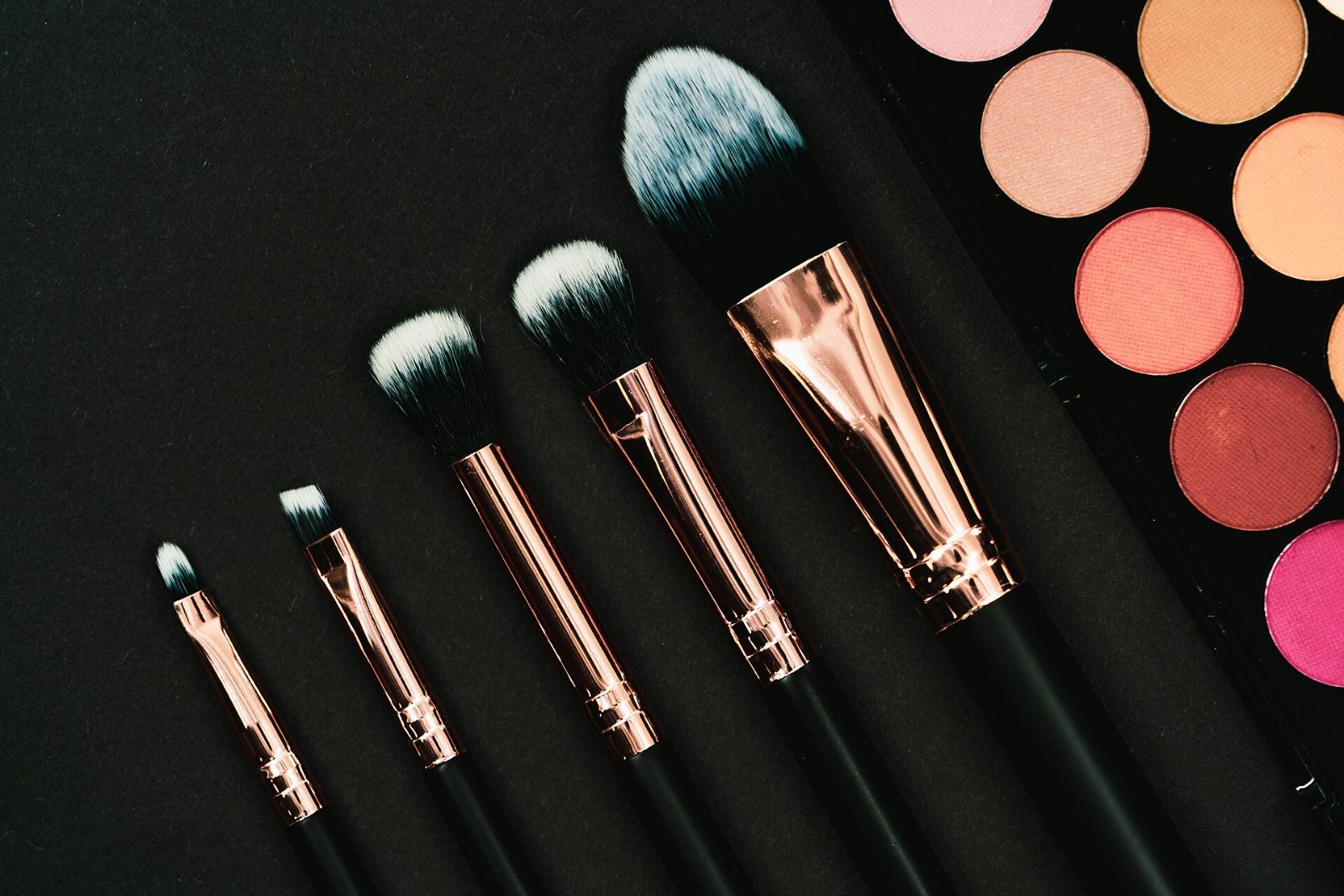
Clean makeup brushes in a professional kit
Photo: geehairimages, CC BY 2.0

Package add-ons to think about

  • Second look: changing eyes and lips for the reception
  • Body makeup: evening out skin on arms, back or shoulders
  • Premium lashes or extensions
  • Brow shaping before the makeup
  • Makeup for a pre-wedding photoshoot

Only pay for add-ons you need. A simple, well-executed package is often better than a long list of extras.

Questions to ask about multi-event packages

Many UAE weddings involve two, three or more events, and some artists offer packages that cover all of them. Before booking one, check:

  • Whether the same lead artist will do your makeup at every event, or an associate for some
  • How the artist handles events on consecutive days, including travel and start times
  • Whether each event gets its own trial or one trial covers all looks
  • What happens if one event moves to a different date
  • Whether lashes and touch-up time are included at every event, not just the wedding day

Write the full schedule down, with dates, start times and locations, and attach it to the quote. That way there is no confusion later about which events and services the price covers.

When a package might not suit you

  • If you only need makeup for yourself, a bridal-only booking may be simpler
  • If your family members prefer different artists or styles
  • If your events are on different days or in different emirates, a single package may not cover them all efficiently

Skin and safety

Whatever package you choose, ask about the products used and patch test them if you have sensitive skin. A trial is part of a safe plan, not just a style check. If you develop redness, swelling or eye irritation after a trial, tell your artist and seek advice from a licensed doctor in the UAE before the wedding.

Timing your booking

Popular artists in the UAE often book up early for the cooler wedding season. Start comparing packages several months ahead, book the trial once your outfit is chosen, and put the dates into your Pre-Wedding Beauty Timeline.

The right package is the one that lists everything you need in writing, at a price you can compare honestly with others.

Frequently asked questions

Are bridal makeup packages cheaper than booking services separately?

Often, but not always. Compare the full list of services in each package with separate prices to see whether the bundle actually saves money.

Is the trial always included in a bridal package?

No. Some packages include it, some deduct it from the total if you book, and some charge it separately.

Can I customise a bridal makeup package?

Many artists are happy to adjust packages, for example adding a family member or removing hair styling. Ask for a revised written quote.

What deposit is normal for a bridal makeup booking?

It varies by artist. Ask how much it is, whether it is refundable and when the balance is due, and get the answer in writing.

Sources: UAE Government portal, Dubai Municipality, American Academy of Dermatology

Last reviewed: 2026-11-26. General information only, not medical advice. Please consult a licensed practitioner in the UAE about your own situation.

HydraFacial Machine: How It Works and How to Spot the Genuine Device

A HydraFacial machine is a professional device that combines vacuum suction with a spiral-tipped handpiece to exfoliate, extract and infuse serums into the skin in a single pass. Genuine machines are made by The HydraFacial Company and sold only to trained professionals, while many look-alike “hydra” or “aqua peel” devices use similar ideas with different tips, solutions and results.

How the machine works

The heart of the system is a technology the manufacturer calls Vortex-Fusion. A handpiece fitted with a disposable tip is moved across the skin. Inside, a vacuum gently draws the skin into contact with the tip’s spiral edges, which loosen dead cells and debris. At the same time, liquid serum flows from the machine through the tip onto the skin.

So, in one movement, the device:

  1. Exfoliates using the tip edges and mild exfoliating solutions.
  2. Extracts debris and excess oil via suction into a waste container.
  3. Infuses serums onto freshly cleaned skin.

A second key idea is that the skin is continuously bathed in liquid, which makes the treatment feel cool and comfortable compared with dry exfoliation methods such as crystal microdermabrasion.

Professional facial device in a treatment room

Parts of a professional system

ComponentWhat it doesWhy it matters
Main consoleControls vacuum strength and serum flowLets the therapist adjust intensity for sensitive areas
HandpieceHolds the tip and is moved over the skinComfort and control during the treatment
HydroPeel tipsSingle-use spiral tips of different texturesHygiene and consistent exfoliation
Solution bottlesCleansing, peeling, hydrating and antioxidant serumsDefine each stage of the treatment
Waste containerCollects extracted debris and fluidMany clients find seeing it oddly satisfying
Add-on modulesLED light, lymphatic drainage, booster deliveryExtend the treatment and change the price

The company has released several generations of machine over the years, from compact units for smaller clinics to flagship models with digital consultation features. The core three-step treatment is the same across them.

Signs you are getting a genuine HydraFacial

  • The clinic can name the device model and show branded equipment
  • Tips are opened from sealed packaging for your session
  • Solutions are in branded bottles, not unlabelled containers
  • The menu uses HydraFacial protocol names, often with booster options

Genuine HydraFacial vs look-alike machines

Searching for “hydrafacial machine” online in the UAE brings up dozens of multi-function devices, often sold as 6-in-1 or 7-in-1 “hydra dermabrasion” units with ultrasonic scrubbers, RF and oxygen sprayers. Some are used in salons, and some are sold for home use.

These devices can clean and hydrate the skin, but they are not the same treatment.

ManufacturerThe HydraFacial CompanyMany different manufacturers
TipsPatented, single-useOften reusable plastic or metal tips
SerumsProprietary, standardisedVary widely; sometimes unbranded
TrainingRequired for purchaseVariable or none
ConsistencySame protocol worldwideDepends entirely on operator and products

The device matters less than the hygiene. A reusable tip that is not properly cleaned between clients is a real infection risk.

What a session on the machine looks like

After a short skin assessment, the therapist cleanses your face and selects a tip and solution for each stage. The handpiece glides over the face in overlapping strokes, usually starting on the forehead and working down to the cheeks, nose and chin. Suction is lowered around delicate areas and raised slightly on congested zones such as the nose. The serum changes for each stage, so you will notice the therapist swapping bottles or settings. At the end, many clinics hold up the waste container so you can see what was extracted. Add-ons such as LED or lymphatic drainage come last. The whole process typically takes 30 to 60 minutes.

Can you buy a HydraFacial machine for home use?

Genuine HydraFacial machines are professional equipment sold to licensed businesses, and the price reflects that. Home “hydra” gadgets are a different category: small suction pore cleaners or multi-function units. Used gently, some people like them for occasional cleansing, but they carry their own risks.

Home suction devices can cause

  • Broken capillaries and bruising, especially at high suction or if held in one place
  • Irritation and redness on sensitive or rosacea-prone skin
  • Infection risk if tips are not cleaned properly

Avoid using them on active acne, broken skin, sunburn, or the thin skin under the eyes.

Who should avoid machine-based facials

Check with a doctor or dermatologist before any suction or exfoliating facial if you:

  • are pregnant or breastfeeding, since some solutions contain acids
  • use prescription retinoids or took isotretinoin recently
  • have rosacea, eczema, active cold sores or open wounds
  • have very fragile capillaries or bruise easily
  • have had injectables or laser in the last couple of weeks

Choosing where to book

In Dubai, the Dubai Health Authority licenses clinics and healthcare professionals; beauty centres are licensed separately by local authorities. Whichever setting you choose, ask who performs the treatment, what training they have, and how tips and handpieces are cleaned. If you are booking for a wedding, use our pre-wedding beauty timeline to schedule a test session first and the final one a few days before the date.

Client receiving a relaxing facial treatment

Frequently asked questions

Is the HydraFacial machine painful?

Most people feel cool liquid and gentle suction. Extraction on the nose and chin can feel stronger. The therapist can lower suction if it feels uncomfortable.

Are all hydra facials done with a HydraFacial machine?

No. Many salons offer “hydra” or “aqua” facials on other devices. Ask which machine is used if the brand matters to you.

How often are the tips changed?

On the genuine system, tips are designed to be single-use and changed for each client.

Is a home hydra facial device worth buying?

It may help with occasional deep cleansing, but results are more modest than a professional treatment, and misuse can irritate or bruise the skin.

Sources: HydraFacial official site, American Academy of Dermatology, Dubai Health Authority

Last reviewed: 2026-11-25. General information only, not medical advice. Please consult a licensed practitioner in the UAE about your own situation.