Bridal Makeup on Dark Skin: Shade Matching, Undertones and Flash-Friendly Products

Great bridal makeup on dark skin starts with an exact foundation match in both depth and undertone, colour correction where needed rather than heavy layers of concealer, and powders and highlighters chosen so they never look ashy or grey in photographs. Above all, it starts with an artist who has real experience with deep skin tones and a kit that includes them.

Why deep skin needs a tailored approach

Dark and deep skin tones span a huge range, from rich brown to very deep ebony, with warm, red, neutral, golden or cool undertones. Many common makeup problems come from products or techniques designed for lighter skin:

  • Foundation that is the right depth but the wrong undertone can look grey, red or orange
  • Light concealer under the eyes can create a chalky, ashy cast
  • White or translucent setting powders can leave a visible white cast, especially under flash
  • Pale highlighters can look frosty instead of glowing
  • Uneven tone around the mouth, forehead or under the eyes is common and needs targeted correction

A skilled artist works with these features instead of covering them up.
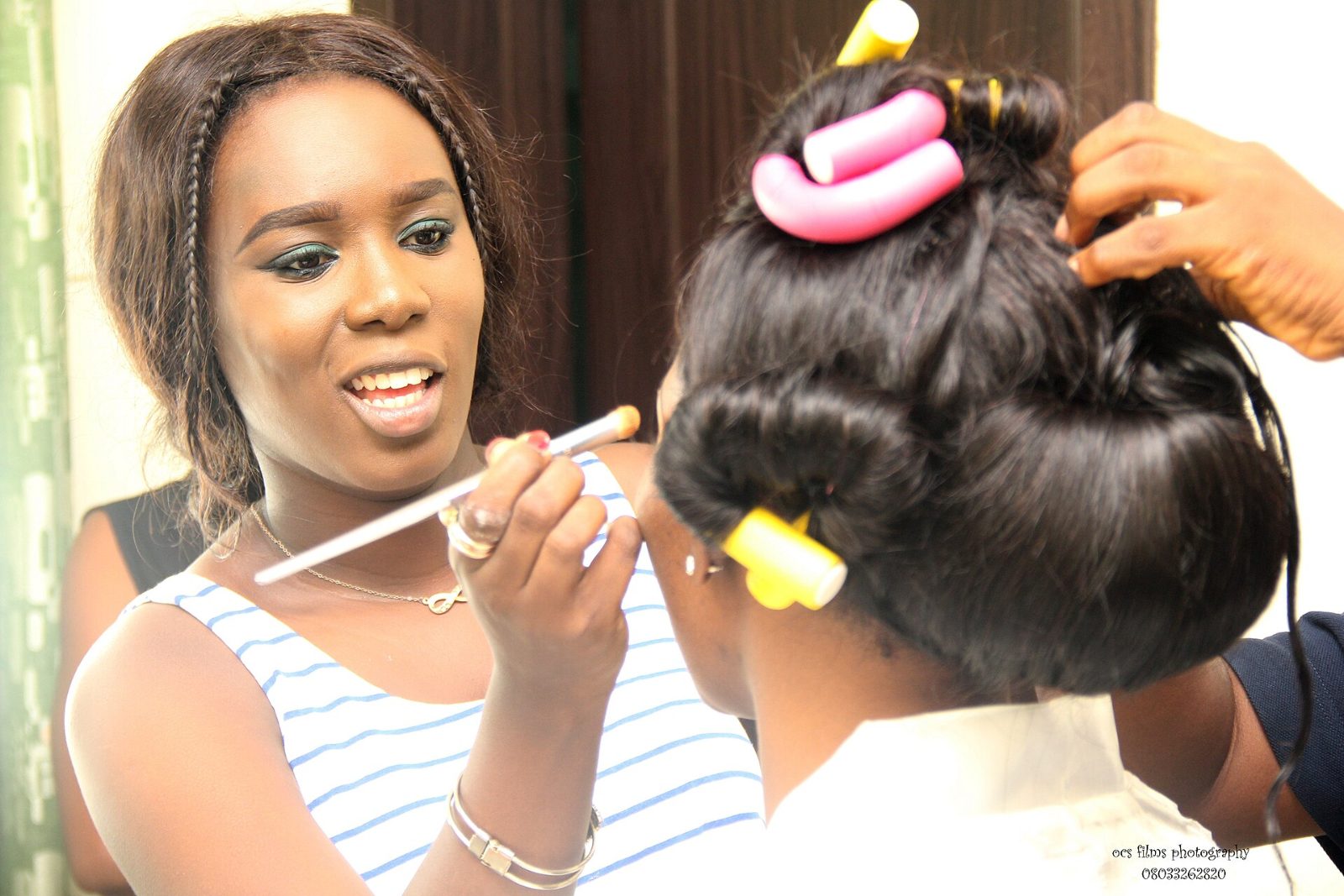
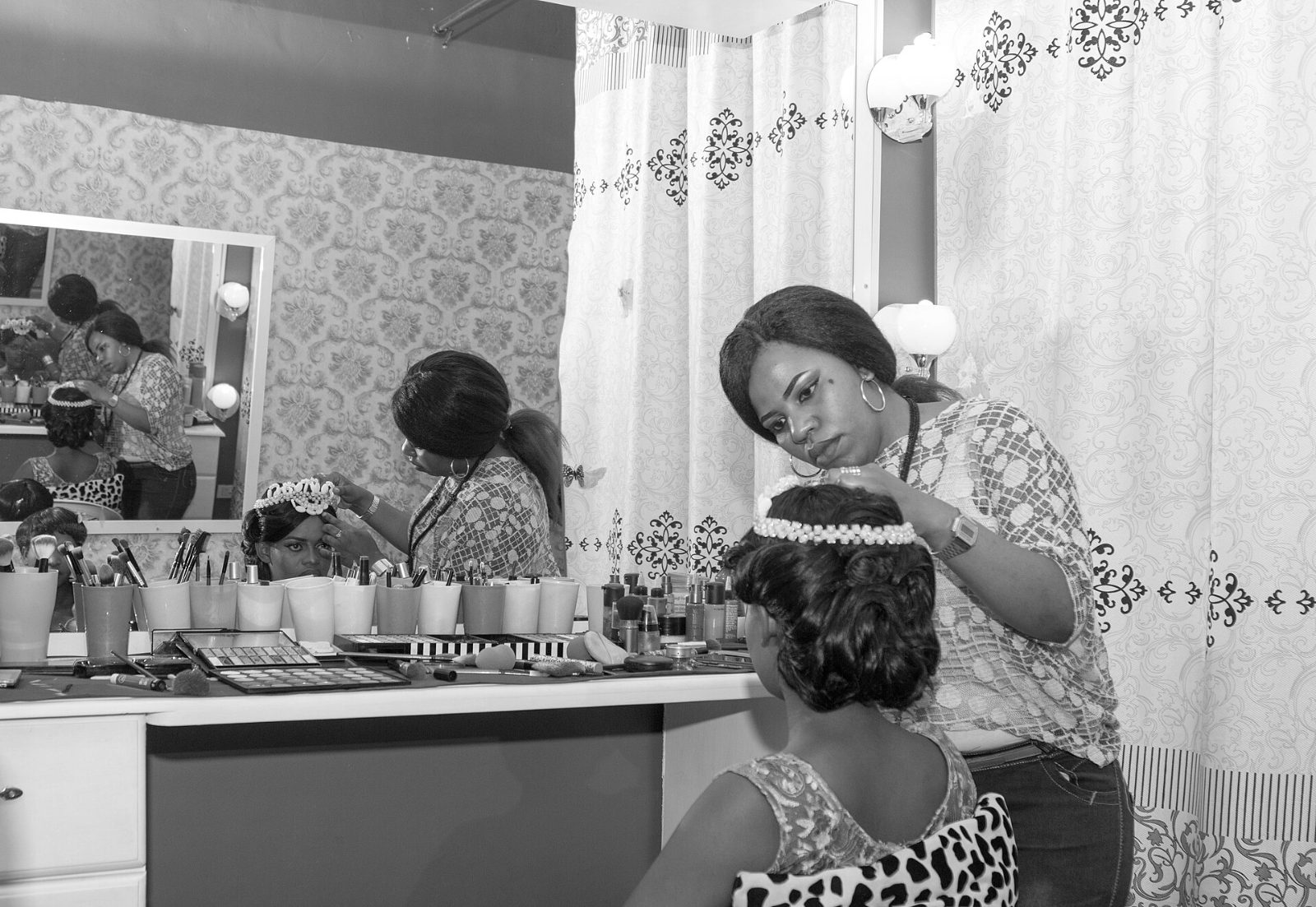
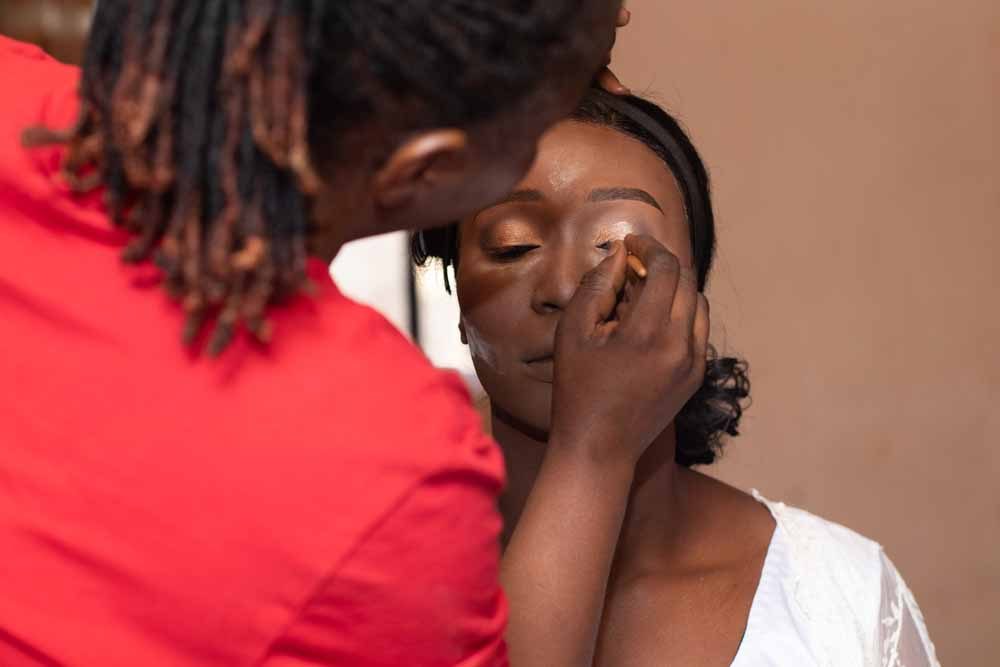
Makeup artist applying foundation
Photo: KelvinJM, CC BY-SA 4.0

Finding the right foundation

Foundation for deep skin is usually best chosen by testing two or three shades along the jawline in daylight. Many people need two shades: one for the centre of the face, which is often lighter, and one for the perimeter, which may be deeper. Your artist can blend these together for a natural result.

Match to your neck and chest as well as your face, especially with open necklines. Mismatched faces and necks are very obvious in full-length photos.

UndertoneSignsFoundation direction
Warm or goldenYellow, golden or amber castGolden or caramel-based shades
RedReddish or mahogany castShades with red or warm brown base
NeutralBalanced, no strong castNeutral brown shades
CoolBluish or plum castShades with a cool or plum base

Colour correcting, not covering

Hyperpigmentation around the eyes, mouth or on the forehead is common on deeper skin. Rather than piling on concealer, artists often use:

  • Orange or red correctors on dark circles and dark patches on deep skin
  • Peach correctors on medium-deep skin
  • A thin layer of foundation on top, then concealer only where still needed

The result is more even and less heavy.

Under-eye rule

Choose an under-eye concealer only one shade lighter than your foundation, or the same shade with a corrector underneath. Going too light is the quickest way to create a grey, ashy under-eye in photos.

Powder and flash photography

Some setting powders appear invisible in a mirror but bounce flash back, creating a white cast in photos. For deep skin, artists usually choose:

  • Tinted setting powders close to your skin tone, or banana-toned or golden powders on some skin tones
  • Finely milled formulas used sparingly
  • No heavy “baking” with light powders under the eyes unless it is fully brushed away and tested with flash

Ask your artist to take flash photos during the trial and check them on a bigger screen. Our Makeup Artist Booking Checklist includes a question about flash testing.
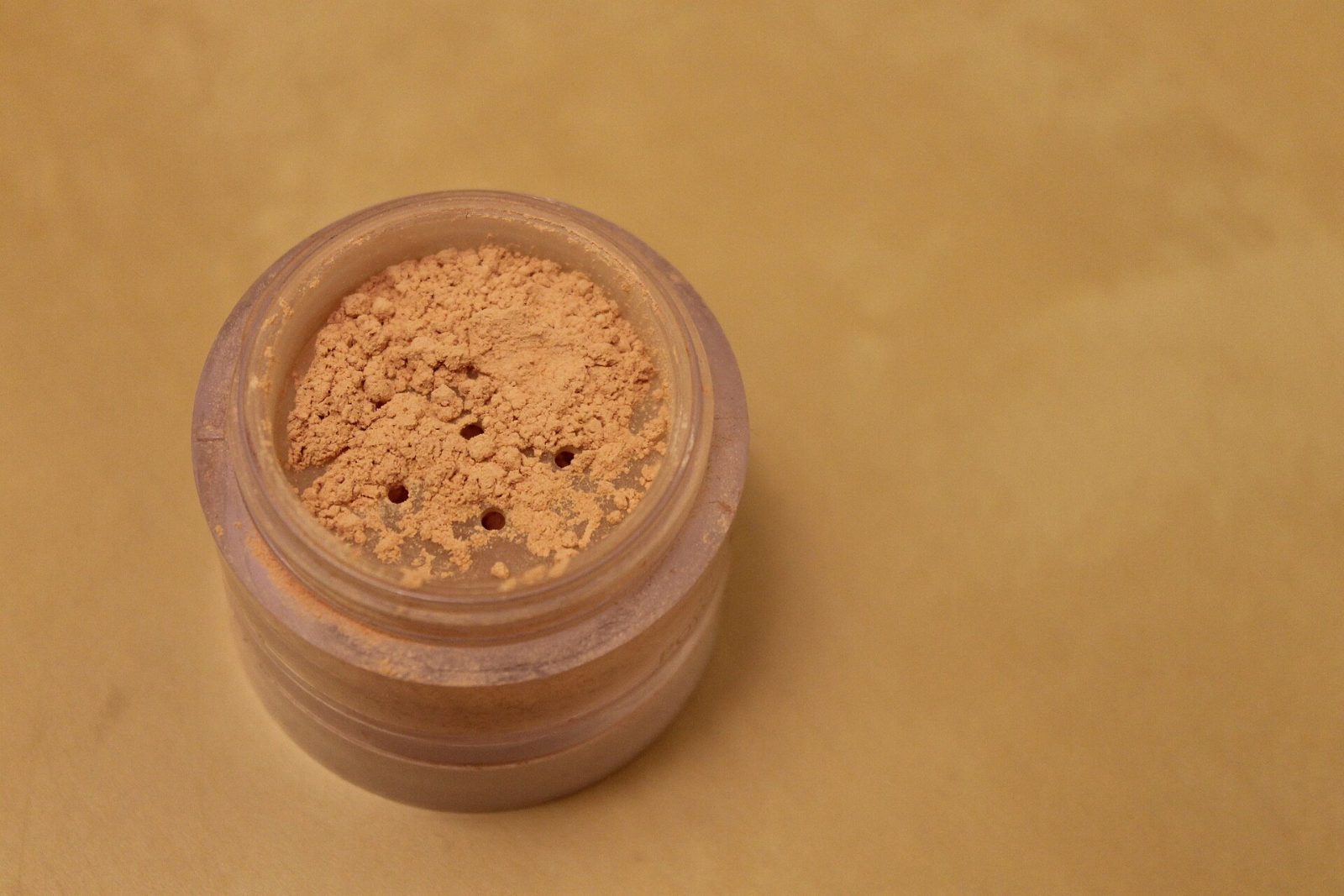
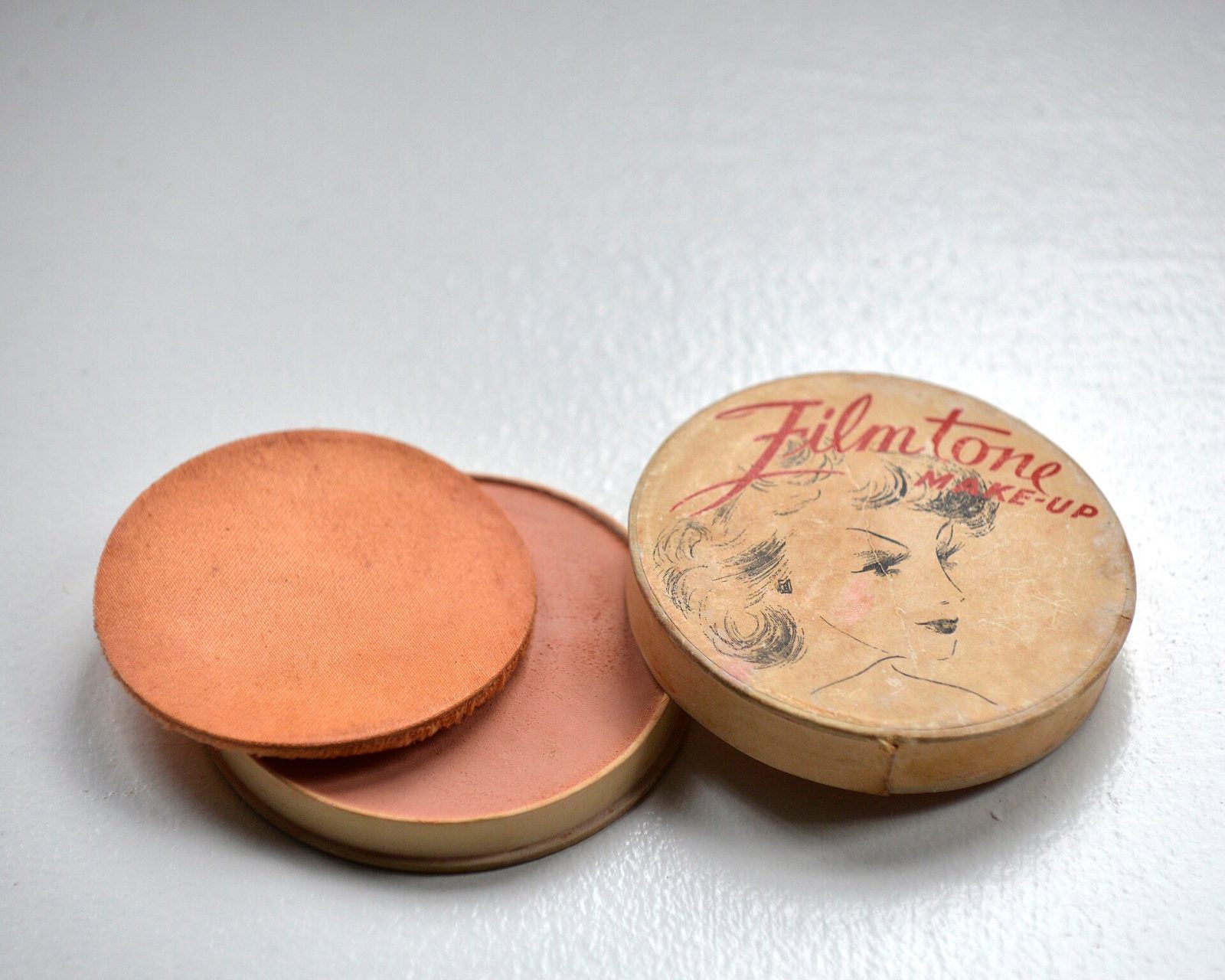
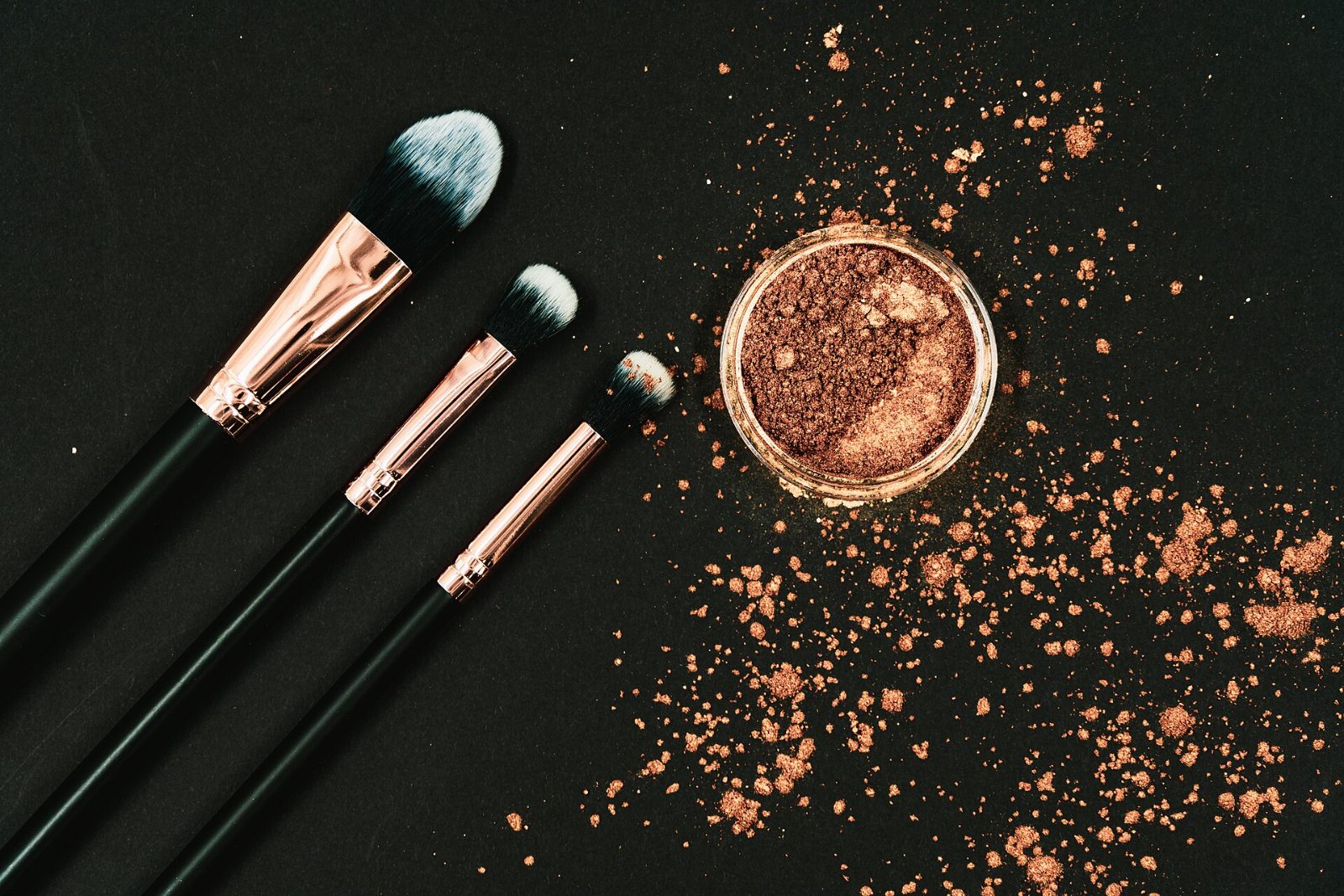
Tinted face powder and brush
Photo: Jen, CC BY-SA 3.0

Colour that pops on deep skin

Deep skin carries rich colour beautifully:

  • Blush: berry, plum, brick, deep coral, tangerine and warm red
  • Bronzer and contour: deep chocolate and espresso, blended softly
  • Highlighter: gold, bronze, copper and rose gold, rather than silver or pale pearl
  • Eyes: gold, bronze, copper, plum, emerald and deep brown
  • Lips: deep nude-browns, berry, wine, classic red, warm brick

Nude lipstick should be close to or deeper than your natural lip colour. A lip liner in a deep brown, blended into the lipstick, often gives a beautiful, natural definition.

Skin prep for deep skin

Deep skin is particularly prone to post-inflammatory hyperpigmentation, which is darkening after irritation, breakouts or harsh treatments. That makes pre-wedding prep important:

  • Keep skincare gentle and consistent in the months before the wedding
  • Wear broad-spectrum sunscreen daily, since UV can deepen dark marks
  • Avoid harsh scrubs, strong peels or new treatments close to the date
  • Choose practitioners experienced with darker skin for any facials, peels or laser treatments

If you have significant pigmentation, acne or other concerns, see a licensed dermatologist in the UAE several months before the wedding. Plan treatments with our Pre-Wedding Beauty Timeline.

Treatments that need extra caution on deep skin

  • Strong chemical peels, which can cause darkening if too aggressive
  • Some laser and light treatments, which must be suited to darker skin types
  • Waxing and threading close to the date, which can leave dark marks
  • Skin-lightening products bought online, which may contain unsafe ingredients

Products sold online or in markets with unclear labelling can contain harmful ingredients. Use products from reputable sources, and ask a doctor before using any product claiming to lighten skin.

Choosing an artist

Look for portfolios that include deep-skinned brides photographed in different lighting, ideally unfiltered. Ask which foundation ranges they carry for deep tones and how they choose setting powders. A good artist will be happy to show their kit and explain their process. If an artist only shows lighter skin tones in their work, ask to see more before you book.

On deep skin, the right undertone and the right powder do more for your photos than any amount of coverage.

Frequently asked questions

Why does my makeup look grey in photos?

Usually because of a foundation with the wrong undertone, a concealer that is too light, or a white setting powder reflecting flash. A tinted powder and correct undertone often solve it.

Should I use a colour corrector before concealer?

Many artists use an orange or red corrector on dark circles and hyperpigmentation for deep skin, followed by foundation and a little concealer. It gives a more natural result than heavy concealer alone.

What highlighter suits dark skin?

Gold, bronze, copper and rose-gold highlighters usually look best. Very pale or silver shades can look ashy.

How early should I start skin prep?

Start a gentle, consistent routine with sunscreen at least three to six months before the wedding, and see a dermatologist early if you have pigmentation or acne.

Sources: American Academy of Dermatology: Skin of color, Skin of Color Society, Dubai Health Authority

Cover photo: KelvinJM, CC BY-SA 4.0. Last reviewed: 2026-11-26. General information only, not medical advice. Please consult a licensed practitioner in the UAE about your own situation.


Double Cleansing: Who Needs It and How to Do It Without Drying Your Skin

Double cleansing means washing your face twice in the evening: first with an oil, balm or micellar cleanser to break down sunscreen and makeup, then with a gentle water-based cleanser to clean the skin itself. It is most useful if you wear long-wear makeup, water-resistant sunscreen or both. If you wear little or no makeup and have dry or sensitive skin, a single gentle cleanse may be all you need.

Why two cleansers?

Many sunscreens, long-wear foundations and waterproof mascaras are designed to resist water and sweat. A water-based cleanser alone may not dissolve them fully. Oils and balms bind to these products and lift them away; the second cleanser then removes the residue, along with sweat and dirt.

In the UAE, where daily sunscreen is essential and many people wear makeup that has to survive heat and humidity, double cleansing is a practical way to make sure your skin is truly clean at night.

Step by step

  1. First cleanse. Apply an oil, balm or micellar water to dry skin. Massage gently for about a minute, including over the eyes if the product is suitable for them. Add a little water to emulsify oils, then rinse.
  2. Second cleanse. Use a gentle, low-foam cleanser on damp skin. Massage briefly and rinse with lukewarm water.
  3. Pat dry. Use a clean towel and pat rather than rub.
  4. Follow with moisturiser and any evening treatment.

Choosing the first cleanser

First cleanserTextureGood forPoints to know
Cleansing oilLiquid oil that emulsifies with waterHeavy makeup, water-resistant sunscreenChoose one labelled to rinse clean
Cleansing balmSolid balm that meltsDry or normal skin, full glamUse clean hands or the spatula provided
Micellar waterWatery, used on cotton padsSensitive skin, light makeupRub gently; follow with a rinse cleanse

If you have acne-prone skin, look for a first cleanser that is labelled non-comedogenic and rinse it off thoroughly.

Choosing the second cleanser

The second cleanser should be mild. Gel cleansers suit oily or combination skin; cream or lotion cleansers suit dry skin. Avoid harsh, very foamy cleansers if your skin feels tight afterwards, which is a sign of over-cleansing.

Your skin should feel comfortable, not squeaky

Squeaky-clean skin often means the cleanser has stripped natural oils. Comfortable, soft skin after cleansing is the goal.

Who can skip it

  • People who wear no makeup and use a sunscreen that removes easily with one cleanse.
  • People with very dry or sensitive skin, who may do better with one gentle cleanse or a single cleansing balm that rinses well.
  • Anyone whose skin becomes red or tight with double cleansing.

There is no need to double cleanse in the morning. A rinse with water or a light single cleanse is enough for most people.

Clean is the goal. Two steps are just one way to get there.

Cleansing products lined up on a shelf
Photo: Sarah Stierch, CC BY 2.0

Double cleansing before the wedding

In the months before your wedding, consistent, gentle cleansing helps keep skin clear and comfortable. If you are using retinoids or acids, keep cleansing especially gentle to avoid irritation.

After makeup trials and on the wedding night itself, long-wear bridal makeup and lashes need careful removal:

  1. Remove strip lashes slowly from the outer corner.
  2. Hold a cotton pad soaked in an eye makeup remover or micellar water on the eyes for a few seconds before wiping.
  3. Massage a cleansing balm or oil over the face to dissolve foundation and setting spray.
  4. Follow with your usual gentle cleanser and moisturiser.

Pack these in your overnight bag so you are not tempted to sleep in your makeup. Our pre-wedding beauty timeline reminds you to prepare this kit.

Clean face towel and cleanser beside a sink

Adapting double cleansing to your skin type

Oily or combination skin. A light cleansing oil followed by a gel cleanser usually works well. Rinse the oil thoroughly and make sure it emulsifies, turning milky with water, so it does not leave a film. You may prefer to double cleanse every evening, since heat and sweat add to the oil on your skin.

Dry skin. A cleansing balm or cream cleanser is often more comfortable than oil, and the second step can be a very mild cream cleanser or even just lukewarm water if your skin feels tight. Apply moisturiser while the skin is still slightly damp.

Sensitive skin. Choose fragrance-free products with short ingredient lists. Micellar water applied gently with soft cotton pads, followed by a mild rinse-off cleanser, can be gentler than massaging oil into the skin. Patch-test new products first.

Acne-prone skin. Look for non-comedogenic first cleansers and avoid heavy balms that leave residue. If you use prescription acne treatment, ask your dermatologist whether double cleansing suits your routine.

Whatever your skin type, the right routine is the one that leaves your skin clean, calm and comfortable rather than tight, red or stinging.

Common mistakes

  • Scrubbing hard. Friction irritates skin; let the product do the work.
  • Using hot water. Very hot water dries skin; lukewarm is better.
  • Cleansing too long. About a minute for each step is usually enough.
  • Skipping moisturiser. Clean skin needs moisture, especially in air-conditioned rooms.
  • Using dirty cloths. Change face cloths often to avoid bacteria.

When to see a dermatologist

See a licensed dermatologist if you develop a persistent rash, stinging, burning, or breakouts that do not improve with gentler cleansing, or if you have eczema, rosacea or another skin condition that flares with cleansing products. Seek urgent help for any swelling of the face, lips or eyes.

FAQ

Is double cleansing necessary every night?

It is helpful on nights you wear makeup or water-resistant sunscreen. On other nights, one gentle cleanse may be enough.

Does cleansing oil cause breakouts?

Some people find certain oils clog pores. Choose a non-comedogenic oil and rinse it off well, or try micellar water instead.

Can I double cleanse if I have sensitive skin?

Yes, with very gentle products, but some sensitive skin does better with one cleanse. Watch how your skin reacts.

Should I double cleanse in the morning?

Usually not. A light cleanse or a rinse with water is enough.

Sources: American Academy of Dermatology on face washing; British Association of Dermatologists; NHS skin care advice.

Last reviewed: 2026-11-25. General information only, not medical advice. Please consult a licensed practitioner in the UAE about your own situation.
HydraFacial Before Your Wedding: When to Book and What to Expect

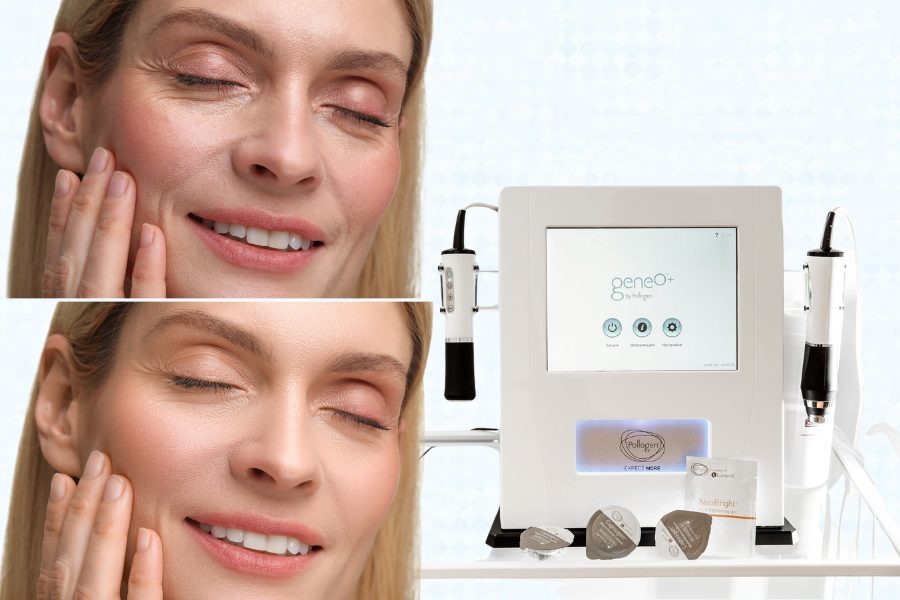
A HydraFacial is a popular pre-wedding facial because it cleanses, exfoliates and hydrates in one session with little or no downtime. Most brides book a first session several weeks before the wedding to see how their skin reacts, and a final one a few days before, never a brand-new treatment the day before.

What a HydraFacial does

The treatment uses a device that cleanses, gently exfoliates, extracts and then infuses serums into the skin. Skin usually looks brighter and more hydrated straight afterwards, which is why it is often booked before events.

Facial treatment in a spa

A simple timeline

WhenWhat to do
2–3 months beforeBook a skin consultation; start a steady routine
6–8 weeks beforeFirst HydraFacial to test how your skin reacts
2–4 weeks beforeOptional second session
3–5 days beforeFinal session if your skin tolerated earlier ones
Final weekNo new treatments or products

Many clinics and Pearl Skin offer HydraFacial treatments as part of bridal packages, so ask about combining sessions with your overall skin plan instead of booking a one-off the day before.

Make the most of it

  • Tell the therapist about any actives you use, such as retinoids
  • Avoid waxing or threading the face just before the facial
  • Keep the following days low-key: sunscreen, no harsh scrubs
  • Plan your makeup trial after a facial so you see your real skin

Who should be careful

Ask a doctor or therapist first if you

  • Have active acne flare-ups, rosacea or eczema on the face
  • Have a sunburn or recent peel
  • Use prescription skincare, especially retinoids or isotretinoin
  • Are pregnant and want to check which serums are used
Bridal makeup
Photo: Bridalglamguide, CC BY-SA 4.0

The best wedding facial is the second one, not the first.

Frequently asked questions

Can I wear makeup after a HydraFacial?

Many people can, but some therapists suggest waiting until the next day. Ask at your appointment.

Will it make me break out before the wedding?

Most people tolerate it well, but any facial can trigger a reaction in sensitive skin. That is why testing weeks earlier matters.

Is one session enough?

One session gives a short-term glow. Results that last longer come from a steady routine and repeated sessions.

Sources: American Academy of Dermatology, NHS

Last reviewed: 2026-11-25. General information only, not medical advice. Please consult a licensed practitioner in the UAE about your own situation.
Korean Skin Care: The Routine, Key Ingredients and What Works in the UAE

Korean skin care is an approach built around gentle cleansing, layering hydration in light textures, and daily sun protection, with the aim of healthy, even, dewy skin rather than covering problems with makeup. You do not need the famous ten steps. A few well-chosen Korean products can fit perfectly into a UAE routine, especially their lightweight moisturisers and sunscreens.

The philosophy behind K-beauty

Korean skin care, often shortened to K-beauty, became globally popular in the 2010s. Its core ideas are simple and sensible:

  • Prevention over correction. Protect the skin barrier and use sunscreen every day so problems develop more slowly.
  • Hydration in layers. Several thin, watery products rather than one heavy cream.
  • Gentleness. Low-irritation cleansers and soothing ingredients instead of harsh scrubs.
  • Texture matters. Formulas that feel pleasant encourage people to use them consistently.

The result many people aim for is “glass skin”, meaning skin that looks clear, smooth and luminous.

Korean skin care products on display
Photo: Donald Trung Quoc Don (Chữ Hán: 徵國單) – Wikimedia Commons – © CC BY-SA 4.0 Intern, CC BY-SA 4.0

The classic multi-step routine

You will often see a ten-step routine described online. It is better understood as a menu than a rulebook.

StepProductPurposeEssential?
1Oil cleanser or cleansing balmDissolves sunscreen, makeup and sebumUseful at night if you wear sunscreen or makeup
2Water-based cleanserRemoves remaining residueYes
3ExfoliantRemoves dead cellsOptional, one to three times a week
4TonerRebalances and preps skinOptional
5EssenceLightweight hydrationOptional
6Serum or ampouleConcentrated active ingredientsOptional, choose by concern
7Sheet maskIntensive hydrationOccasional
8Eye creamHydrates the eye areaOptional
9MoisturiserSeals in hydrationYes
10Sunscreen (morning)UV protectionYes

The truly essential steps are cleanse, moisturise and protect. Everything else is a way to target specific concerns or to enjoy the ritual.

A realistic UAE routine

Morning: gentle cleanser, hydrating essence or serum, light gel moisturiser, Korean sunscreen.

Evening: cleansing balm (if you wore sunscreen or makeup), gentle cleanser, one treatment serum, moisturiser.

  • Centella asiatica (cica): a plant extract used to calm redness and support the skin barrier.
  • Snail mucin: a secretion filtrate valued for hydration and soothing. It is not vegan, which matters to some buyers.
  • Rice extract and rice water: used for brightening and softness.
  • Ginseng: an antioxidant ingredient, common in more premium lines.
  • Propolis and honey: for hydration and a soothing feel.
  • Hyaluronic acid and panthenol: classic humectants that draw water into the skin.
  • Niacinamide: widely used for tone, oil control and barrier support.

Many of these have reasonable support for hydration and soothing. Bold claims, such as dramatic anti-ageing or “whitening”, should be treated with caution.

The real secret of K-beauty is not a mystery ingredient. It is gentle cleansing and wearing sunscreen every single day.

Korean sunscreens and the UAE sun

Korean sunscreens are popular because they are often light, invisible and comfortable under makeup, which makes them easier to reapply in heat. Many use modern UV filters and carry an SPF value plus a PA rating, from PA+ to PA++++, which indicates UVA protection. Higher PA means more UVA protection.

In the UAE, where UV levels are high most of the year, look for SPF 30 or higher with PA+++ or PA++++, apply generously, and reapply every two hours outdoors.

Is Korean skin care right for your skin?

Oily or acne-prone skin: lightweight layering often works well, but too many layers can feel heavy in humid weather. Choose gel textures and non-comedogenic products.

Dry skin: the layered hydration approach is a natural fit, especially in air-conditioned environments.

Sensitive skin: cica and panthenol products can be soothing, but plant extracts and fragrances can also irritate. Patch test, and add one product at a time.

Pregnancy: many K-beauty products are gentle, but check for retinoids and ask your doctor about any active ingredient.

Stop a product and seek advice if

You develop itching, burning, swelling, hives or a rash. Persistent acne, spreading pigmentation or a changing mole need a dermatologist, not another serum.

Buying authentic K-beauty in the UAE

Korean products are widely sold in UAE pharmacies, beauty chains, malls and online. Counterfeits do circulate on some marketplaces. Buy from authorised retailers or brand stores, check batch codes and expiry dates, and be wary of prices far below the usual. If packaging, smell or texture differs from what you know, do not use it.

Building it into a pre-wedding plan

If you are preparing for a wedding, start any new Korean routine at least two to three months ahead so you have time to see how your skin reacts. Avoid adding new products in the final two weeks. The pre-wedding beauty timeline shows where routine changes, facials and makeup trials belong.

Woman using a hydrating sheet mask

Frequently asked questions

Do I need all ten steps of Korean skin care?

No. Cleansing, moisturising and daily sunscreen are the essentials. Add a serum or essence if it helps a specific concern.

What is double cleansing?

Cleansing first with an oil or balm to dissolve sunscreen and makeup, then with a gentle water-based cleanser. It is mainly useful in the evening.

Are Korean products suitable for hot climates?

Many are, especially gel moisturisers and fluid sunscreens. Heavier creams may be better saved for winter or very dry indoor air.

Is Korean skin care better than Western skin care?

Not inherently. Korean brands are known for pleasant textures and sunscreens, but good products exist everywhere. Choose based on ingredients and how your skin responds.

Sources: American Academy of Dermatology, British Association of Dermatologists

Last reviewed: 2026-11-25. General information only, not medical advice. Please consult a licensed practitioner in the UAE about your own situation.
Bridal Makeup Tips for UAE Weddings: 15 Lessons That Actually Matter

The best bridal makeup tips come down to three things: prepare your skin early, test the full look in a proper trial, and build the makeup for the conditions you will actually face, which in the UAE usually means air-conditioned venues, outdoor heat and a lot of flash photography. Everything else is fine-tuning.

Planning tips: start earlier than feels necessary

1. Book your artist before you lock in small details

Popular makeup artists in Dubai, Abu Dhabi and Sharjah are often booked months ahead for the cooler wedding season between roughly October and April. Once you have a date and a venue, shortlist artists and ask about availability straight away. Our Makeup Artist Booking Checklist lists the questions worth asking before you pay a deposit.

2. Treat the trial as a rehearsal, not a preview

A trial is where you find out how the products behave on your skin over several hours. Wear the look for the rest of the day, take photos in daylight and with flash, and note where it fades first. Bring reference photos, a picture of your dress neckline and, if possible, the jewellery or veil you plan to wear.

3. Build a timeline backwards from the wedding

Facials, brow shaping, lash treatments and any new skincare all need lead time. Our Pre-Wedding Beauty Timeline maps out when each step usually fits, so nothing new touches your face in the final week.

Makeup brushes laid out for a bridal appointment
Photo: geehairimages, CC BY 2.0

Skin tips: the canvas matters more than the product

4. Keep skincare boring in the final month

This is not the moment to try a strong new acid, a new retinoid or an unfamiliar facial. Reactions such as redness, peeling or breakouts can take days to settle. Stick to products your skin already tolerates.

5. Hydrate the skin, not just the body

Air conditioning in UAE homes, cars and ballrooms is drying. A simple routine of gentle cleanser, a hydrating serum and a moisturiser suited to your skin type, used consistently for weeks, makes foundation sit more smoothly than any primer on the day.

6. Daily sunscreen is part of bridal prep

UV exposure in the UAE is high most of the year. Uneven tan lines, new pigmentation and sunburned noses are hard to correct with makeup. A broad-spectrum sunscreen every morning, reapplied when outdoors, protects the look you are working towards.

Avoid in the last 7 to 10 days

  • Any treatment you have never had before
  • Strong peels, waxing on the face or new laser sessions
  • Self-tan applied for the first time
  • Switching your foundation shade or formula

Application tips: designing for heat and long hours

7. Choose long-wear formulas, then use less of them

Long-wear and transfer-resistant foundations hold up better in humidity, but thick layers crease and look heavy in close-up photos. Thin layers, built only where coverage is needed, last longer than one heavy coat.

8. Set strategically

Powder belongs where you get shiny or where makeup creases, usually the T-zone and under the eyes. Leaving the cheeks a little more luminous keeps the skin from looking flat. A setting spray can help the layers melt together.

9. Waterproof the eyes

Tears happen, and so does humidity during outdoor photos. Waterproof mascara, a tubing mascara or lash extensions, plus a long-wear liner, reduce smudging. Ask your artist to keep heavy shadow away from the lower lash line if you expect to cry.

10. Match your look to the lighting

Ballroom lighting is often warm and dim, while daytime beach or garden photos are bright and harsh. A look designed only for one setting can look washed out or too strong in the other. Tell your artist where the ceremony, the photos and the reception will take place.

SituationWhat tends to helpWhat to watch
Outdoor photos in warm weatherLong-wear base, light powder on T-zone, setting sprayHeavy cream products slipping
Indoor ballroom receptionSlightly more defined eyes and lipsVery shimmery highlighter in warm light
Flash photographyFlash-friendly powders, blended edgesSome SPF and very light powders can cause white cast
Long day, many outfitsNeutral base that works with each outfitLip colour that clashes with a second dress
Lipstick shades for a bridal look

Photography tips: your photos last longest

11. Check the trial in flash photos

Flash can reveal unblended edges and some powders can look white. Take a few flash photos during your trial and look at them on a larger screen, not just your phone.

12. Do not skip the neck and chest

Foundation should match your neck and the visible skin of your chest and shoulders, especially with open necklines. A mismatch is easy to miss in a mirror but obvious in full-length photos.

13. Ask about lip durability

Long ceremonies, eating and greeting guests wear lipstick off quickly. A lip liner over the whole lip under the lipstick, or a long-wear liquid formula, usually lasts longer. Make sure the formula is comfortable, as very matte liquids can feel dry after many hours.

The look that photographs best is usually the one that has been tested in the same light, at the same time of day, for the same number of hours.

On the day: small things that save the look

14. Pack a touch-up kit

Keep it small: blotting papers, your lipstick and liner, a compact powder, cotton buds, a few pins and any eye drops you normally use. Hand it to a bridesmaid or family member who will be close by.

15. Leave buffer time

Bridal makeup often takes longer than expected, especially with hair, a veil or a hijab styling session, family photos and getting dressed. Ask your artist how long they need and add extra time on top, so you are not rushed.

A simple touch-up rule

Blot first, powder second. Adding powder over shine without blotting tends to build a cakey layer by the evening.

Who should take extra care

If you have sensitive skin, eczema, rosacea, active acne or known allergies to cosmetic ingredients, tell your artist before the trial and consider a patch test with their products a few days beforehand. If you notice swelling, burning, hives or eye irritation after applying a product, remove it and seek advice from a licensed dermatologist or doctor in the UAE. Any skin condition that flares before the wedding is better treated early than covered up on the day.

Frequently asked questions

How far in advance should I do my bridal makeup trial?

Many brides do the trial one to three months before the wedding, once the dress and hairstyle are decided. That leaves time for a second trial if the first one does not feel right.

Should I get a facial right before my wedding?

A gentle facial you have had before is usually scheduled around one to two weeks ahead, so any redness has time to settle. Avoid trying a new or intensive treatment in the final week.

Can I do my own bridal makeup?

Yes, if you are confident with long-wear products and practise the full look several times in the same lighting. Many brides still book a professional for the base and lashes, which are the hardest parts to get right under pressure.

What should I tell my makeup artist before the trial?

Share your skin type, any allergies or conditions, the venue lighting, the dress style and colour, whether you will wear a veil or hijab, and how many hours the look needs to last.

Sources: American Academy of Dermatology, Dubai Health Authority, NHS: Sunscreen and sun safety

Cover photo: Doug Bowman from DeKalb IL, USA, CC BY 2.0. Last reviewed: 2026-11-26. General information only, not medical advice. Please consult a licensed practitioner in the UAE about your own situation.
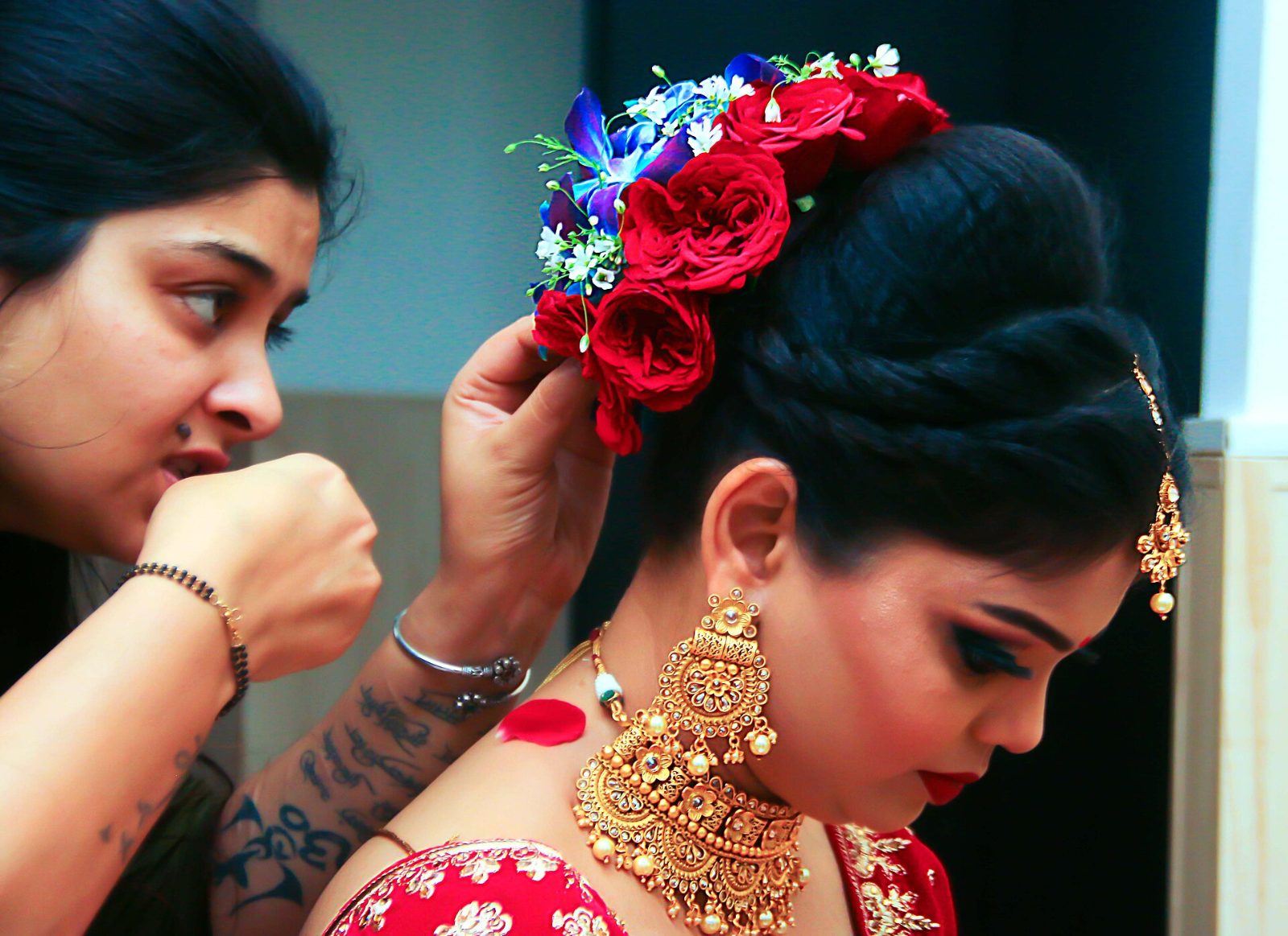
Waterproof Wedding Makeup: Tear-Proof and Sweat-Resistant Looks for UAE Brides

Waterproof wedding makeup is a look built from water-resistant products, mainly mascara, eyeliner, brow products and a setting layer, so that tears, humidity and sweat do not wash it away. Nothing is truly waterproof all day, but the right formulas and techniques make a big difference, especially at outdoor UAE ceremonies or emotional moments.

Waterproof, water-resistant and long-wear: what the labels mean

Cosmetic labels are not always strict. In general, a waterproof product is formulated to resist water, so it does not break down when wet. A water-resistant product handles light moisture but may smudge with heavy tears. Long-wear or transfer-resistant usually describes how well a product stays put through hours of wear and touching, which is not the same as resisting water.

For a wedding, you usually want waterproof products on and around the eyes, and long-wear products on the face and lips.

AreaBest formula typeWhy
LashesWaterproof or tubing mascaraTears hit the lashes first
Upper linerWaterproof gel or liquid linerResists blinking and moisture
Lower lash lineMinimal product or waterproof pencilThe area most likely to smudge
BrowsWaterproof brow gel or pencilSweat at the hairline can move brow powder
BaseLong-wear foundation, thin layersMoves less with heat and touching
LipsLong-wear liner and lipstickSurvives eating, drinking and greeting guests
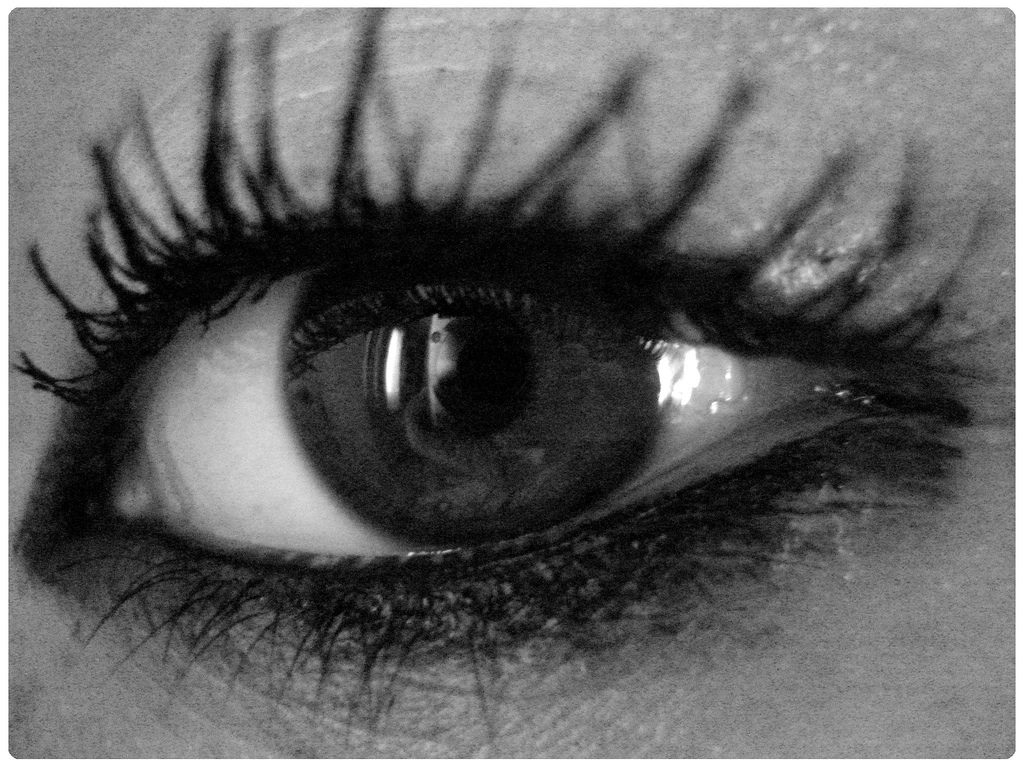
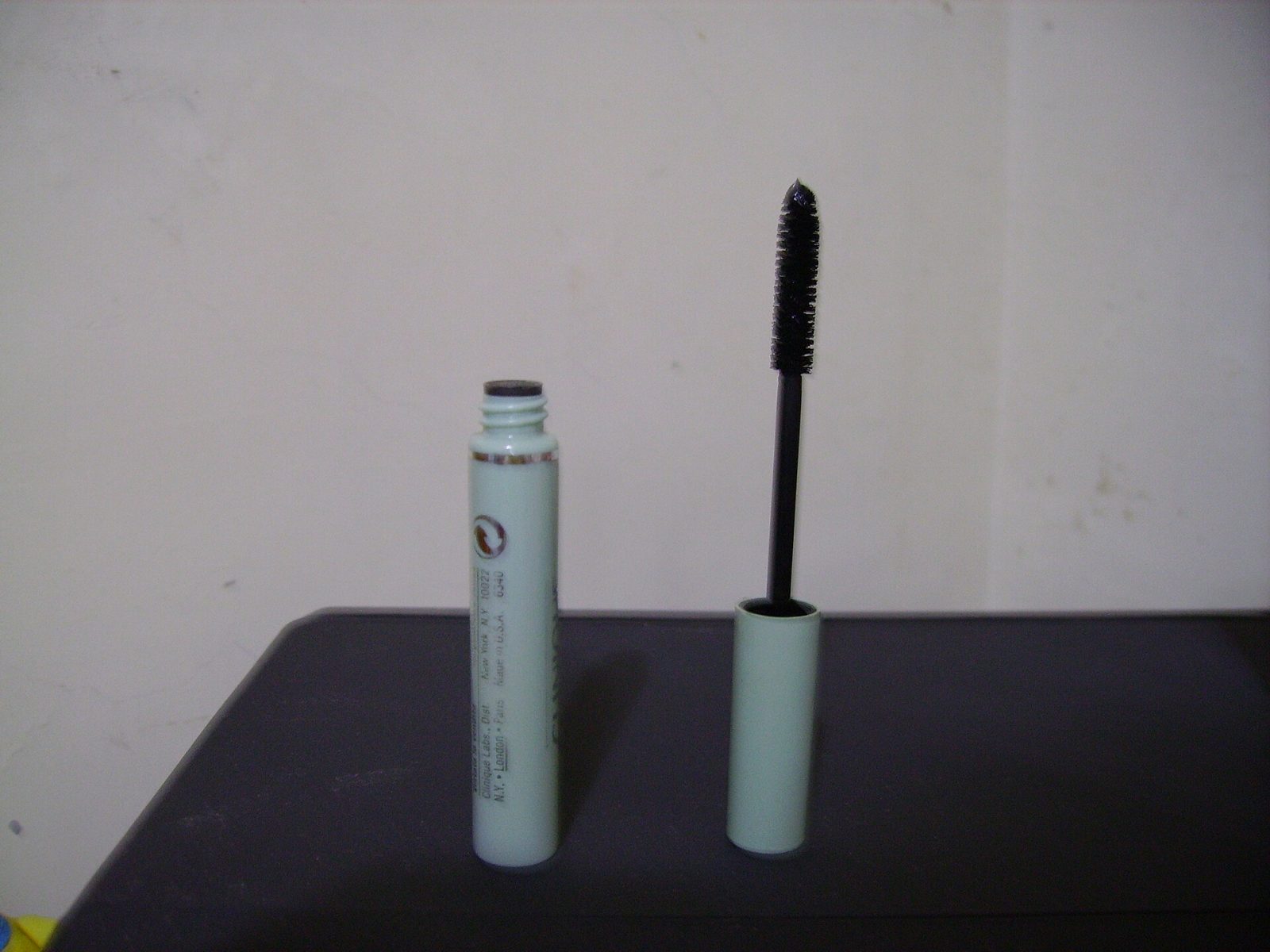
Close-up of mascara wand and lashes
Photo: own work, CC BY-SA 3.0

How to build a tear-proof eye look

Start with a clean, oil-free lid

Oily residue from eye cream can break down shadow and liner. Apply eye cream early so it absorbs, then blot the lid lightly before primer.

Use an eye primer

A thin layer of eyeshadow primer gives the shadow something to grip and reduces creasing in the heat.

Choose waterproof or tubing mascara

Classic waterproof mascara uses film-forming ingredients and resists tears well. Tubing mascara wraps each lash in small polymer tubes that do not dissolve in water but slide off with warm water and gentle pressure. Both work; tubing formulas are often easier to remove.

Keep the lower lash line light

If you expect to cry, a heavy lower liner or dark shadow under the eye is the most likely thing to run. A soft, smudged shadow in a neutral tone, set with powder, is safer.

Consider lash extensions or strip lashes

Lash extensions remove the need for mascara altogether, but they need a licensed lash technician and should be done ahead of the wedding, not the day before. Strip lashes applied with a good adhesive are another option.

The tissue trick

If you start tearing up, fold a tissue into a point and hold it at the outer corner of the eye so it absorbs tears before they travel down your face. Press, do not wipe.

Sweat-resistant base for warm weather

Outdoor photo sessions, a walk from the car to the venue in the afternoon, or a crowded dance floor can all make you sweat. A few habits help the base hold:

  • Use a lightweight moisturiser that absorbs fully, so the base does not slide
  • Apply a mattifying or gripping primer only where you get oily
  • Build foundation in thin layers with a damp sponge or brush
  • Set the T-zone with a fine powder and finish with a setting spray

Heavy creams, thick highlighters and multiple layers of concealer are what usually slip first in heat.

Makeup sponge and foundation

Lips that last through the day

A waterproof lip does not really exist, but long-wear lip formulas can survive many hours. Line and fill the whole lip with a liner close to your lipstick shade, apply the lipstick, blot, and apply again. Very matte liquid lipsticks last longest but can feel dry by the evening, so test comfort during your trial.

Removing waterproof makeup without irritation

Waterproof formulas are designed to resist water, so splashing your face at midnight will not remove them. Plan a gentle removal routine:

  1. Soak a cotton pad in an oil-based cleanser, cleansing balm or a bi-phase eye makeup remover
  2. Hold it on the closed eye for 20 to 30 seconds so the product loosens
  3. Wipe gently downwards and outwards, without rubbing
  4. Follow with your usual gentle cleanser and moisturiser

If you use tubing mascara, warm water and gentle pressure with your fingertips usually slide the tubes off.

Who should be careful

  • Contact lens wearers: some waterproof formulas can flake into the eyes; keep eye drops and spare lenses handy
  • People with sensitive eyes, blepharitis or allergies: patch test products before the trial
  • Anyone with existing eye irritation: see an eye doctor or GP before the wedding rather than covering it with makeup

Red flags

Stop using a product and seek medical advice from a licensed doctor or optometrist in the UAE if you notice persistent eye redness, swelling, discharge, pain, or blurred vision after using an eye product. Never share mascara or eye pencils, and replace mascara regularly, as old products can harbour bacteria.

Practical checklist for your trial

  • Wear the look for at least six hours
  • Take one outdoor and one indoor photo session
  • Dab a little water under the eyes to see how the liner reacts
  • Test the removal routine at home that night

These checks will tell you more than any label. For the bigger picture of when to book trials and treatments, see our Pre-Wedding Beauty Timeline.

Waterproof makeup protects the eyes; long-wear makeup protects everything else. A wedding look usually needs both.

Frequently asked questions

Is waterproof mascara bad for lashes?

Used for a day or occasionally, it is generally fine. The risk comes from rubbing hard to remove it, which can pull out lashes. Use an oil-based remover and let it soak in first.

Can I wear waterproof makeup if I have sensitive skin?

Often yes, but choose fragrance-free products, patch test them in advance, and ask a dermatologist if you have eczema or a history of reactions.

Does setting spray make makeup waterproof?

Setting sprays can help makeup last longer and resist light moisture, but they do not make a non-waterproof mascara or liner waterproof.

What is better for crying brides, lash extensions or mascara?

Both can work well. Extensions avoid mascara running altogether but need to be applied by a trained technician in advance. Tubing or waterproof mascara is the simpler option if you prefer not to have extensions.

Sources: US Food and Drug Administration: Cosmetics, American Academy of Dermatology, American Academy of Ophthalmology

Cover photo: Camila Zanon., CC BY 2.0. Last reviewed: 2026-11-26. General information only, not medical advice. Please consult a licensed practitioner in the UAE about your own situation.
Bridal Makeup Trial Cost: What You Pay For and How to Get Full Value

A bridal makeup trial is usually charged as a separate service, and the price varies widely between artists, emirates and the type of look. In the UAE, some artists include the trial in a bridal package, some deduct it from the final bill if you book, and others charge it in full. Rather than looking for an average figure, ask each artist for a written quote that says exactly what the trial includes.

Why artists charge for trials

A trial is a full appointment. The artist plans the look with you, applies complete makeup, often including lashes, and adjusts it as you go. It can take as long as, or longer than, the wedding-day makeup. They also use professional products and block out time that could go to another client, often in the busy cooler-season months. That is why most professional artists charge for trials rather than offering them free.

Often includedConsultation and planningFull makeup applicationAdjustments and photosProduct notes for the dayOften extraHair or hijab trialLashes or premium lashesTravel to your locationA second trial

What affects the price

FactorWhy it changes the cost
Artist experience and demandSenior or very busy artists usually charge more
LocationStudio trials are often cheaper than home or hotel visits
Look complexityFull glam with lashes takes longer than a soft natural look
Hair includedA combined hair and makeup trial costs more
Number of looksTesting two looks, such as ceremony and reception, takes longer
Season and dayWeekend and peak-season slots can be in higher demand
Travel between emiratesTravel time and fuel may be added

Because so many factors are involved, prices quoted online or by friends may not apply to you. Always compare like with like.

Is a trial worth paying for?

For most brides, yes. A trial lets you:

  • Check that you and the artist understand each other’s taste
  • See how products behave on your skin over several hours
  • Test the look in daylight, indoor light and flash photos
  • Find out how long the makeup takes, for planning the wedding morning
  • Spot any reactions to products before the wedding

If you skip the trial, you see the result for the first time on your wedding day, with no time to change direction.

Makeup brushes set out for a trial
Photo: geehairimages, CC BY 2.0

Questions to ask about the trial fee

Before you pay

  • Is the trial fee deducted from the wedding package if I book?
  • Does the trial include lashes, and which kind?
  • Is a hair or hijab trial included or separate?
  • Can I try two looks in one session?
  • How long will the trial last?
  • Is a second trial possible, and what does it cost?
  • What is the cancellation policy?

Our Makeup Artist Booking Checklist includes these questions and more, ready to copy into a message.

When to book the trial

Most brides book the trial one to three months before the wedding, once the dress, hairstyle and colour scheme are decided. Booking too early can mean your skin, hair colour or tan changes before the day; too late leaves no time for a second trial. Fit it into your Pre-Wedding Beauty Timeline after any facials or treatments have settled.

Makeup products tested at a bridal trial
Photo: Doll Joints, CC BY 2.0

How to get the most from your trial

Prepare

Arrive with clean, moisturised skin. Bring photos of looks you like and do not like, a picture of your dress and jewellery, and your usual lipstick if you have a favourite.

Recreate the conditions

If possible, wear a top in a similar colour and neckline to your dress. Bring the veil, hijab or headpiece, or a similar one, so the artist can see how the face is framed.

Test it properly

Wear the makeup for the rest of the day. Take photos outdoors, indoors and with flash. Note where it fades, creases or shines first.

Give honest feedback

Tell the artist what you love and what does not feel like you. Good artists welcome feedback; the trial exists for adjustments.

Sensitive skin

If you have sensitive skin or allergies, ask for the product list before the trial and patch test anything new a few days in advance. If you react during or after the trial, tell the artist so they can change products, and seek advice from a licensed doctor in the UAE if the reaction does not settle.

Fitting the trial into your budget

It helps to treat beauty costs as one line in your wedding budget rather than paying for each item as it comes up. List the trial, the wedding-day makeup, any hair or hijab styling, lashes, travel, touch-up time and makeup for family or bridesmaids, then compare full quotes from two or three artists. An artist with a higher trial fee may still be better value overall if the fee is deducted from the package or if lashes and travel are included.

If you are booking several services with one artist, such as makeup for an engagement party, henna night and wedding, ask whether a single trial can cover more than one look. Some artists are happy to test a soft daytime look on one side of the face and a fuller evening look on the other, which is a practical way to compare two directions in one session. Keep all quotes and confirmations in writing, including dates, times, deposits and what happens if either side needs to cancel.

Red flags when comparing artists

  • No written quote or unclear terms
  • Pressure to pay the full wedding fee before the trial
  • Portfolio with only heavily filtered photos
  • No answers about hygiene or product brands
  • Refusal to adjust the look after your feedback

Treat the trial as part of the wedding budget, not an optional extra. It is the cheapest way to avoid an expensive surprise on the day.

Frequently asked questions

Is the bridal trial included in the makeup package?

Sometimes. Some artists include it, some deduct it from the final bill, and some charge it separately. Ask for this in writing.

Can I skip the trial to save money?

You can, but it increases risk. If budget is tight, consider a trial with the artist’s associate or a shorter consultation instead of skipping entirely.

Should I book a hair trial too?

If you have a complex hairstyle, extensions or a veil to fit, a hair trial is worth considering. Some artists offer combined trials.

What if I do not like my trial makeup?

Tell the artist clearly what you would change. Many artists can adjust on the spot or offer a second trial. If the styles do not match at all, it may be better to look for another artist.

Sources: Dubai Department of Economy and Tourism, American Academy of Dermatology, UAE Government portal

Cover photo: Fidelis ogunseri ocsfilms, CC BY-SA 4.0. Last reviewed: 2026-11-26. General information only, not medical advice. Please consult a licensed practitioner in the UAE about your own situation.