
The best time for a bridal manicure is usually one to three days before the wedding for gel or builder gel, and the day before for regular polish. If you are having a henna or mehndi night, plan the manicure around it with both your nail technician and henna artist, because soaking, filing and polish removal can all affect the henna design.
Why your hands matter on the day
Your hands will be in many close-up photos: the ring, the bouquet, the henna, holding hands during the ceremony. A neat, chip-free manicure finishes the look, but healthy nails and soft cuticles matter just as much as the polish. Starting hand care a few months ahead gives you the best base.
Choosing a finish
| Finish | How it works | Typical wear | Good to know |
|---|---|---|---|
| Regular polish | Air-dries | A few days before chips | Easy to change, chips sooner |
| Gel polish | Cured under a UV or LED lamp | Often two weeks or more | Needs proper removal |
| Builder gel (BIAB) | Thicker gel that strengthens the nail | Several weeks with infills | Good for weak or short nails |
| Acrylic extensions | Powder and liquid applied over tips or forms | Several weeks with infills | Adds length, needs skilled removal |
| Press-ons | Pre-made nails glued on | Days to about a week | Quick, easy to change between events |
Gel and builder gel are the most popular choices for brides because they resist chipping through a long day of hugging, eating and handling flowers.
Picking a colour and shape
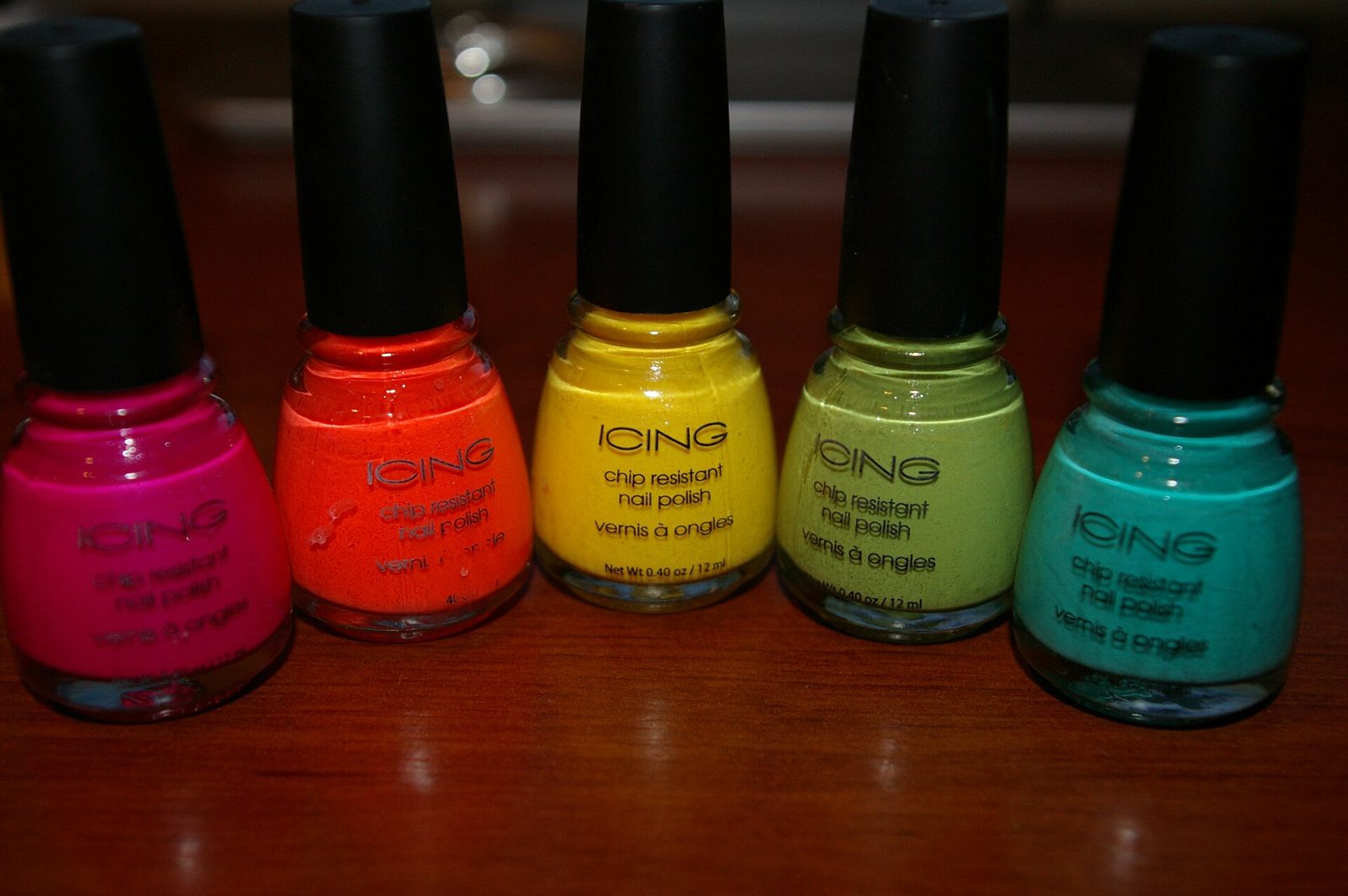
Classic bridal choices include sheer pink, milky white, nude shades and the French manicure. For a henna-heavy look, many brides choose a neutral or soft shade so the henna stays the focus. If you plan several events with different outfits, a neutral that works with all of them saves a mid-week change.
Shape matters too. Almond and soft oval shapes make fingers look longer in photos, while short, rounded nails are practical if you are not used to length. If you are getting extensions for the first time, try them at least once before the wedding week so you are comfortable doing everyday tasks.
Timing around your henna or mehndi night
Henna needs time on the skin to develop its colour, and many brides avoid washing their hands for hours afterwards. Soaking hands in water, scrubbing cuticles or using acetone soon after can lighten the stain. A common approach is:
- Do the manicure before the henna night, choosing a long-wearing gel so it lasts through the wedding.
- Ask the henna artist to work around your nails, or decide in advance whether you want henna on the fingertips.
- Avoid soaking or filing over the henna for the following days.
Some brides prefer the reverse order. Discuss it with both artists, since the right plan depends on your design and how long your celebrations last.
Ask about soak-off timing
If you have old gel or acrylic to remove, book that appointment a week or two before your bridal manicure, so your nails can recover and your technician can see their real condition.
Hand care in the months before
- Moisturise often. Hand washing, sanitiser and air conditioning dry the skin. Use a hand cream after washing and a richer one at night.
- Oil your cuticles. A few drops of cuticle oil daily soften them so they need less cutting.
- Protect from the sun. Hands show sun spots and ageing. Apply sunscreen to the backs of your hands, especially when driving.
- Wear gloves for chores. Cleaning products dry and weaken nails.
- Do not cut cuticles at home. Pushing them back gently is safer than cutting, which can lead to infection.
Beautiful bridal nails start with healthy cuticles weeks before the polish goes on.
UV lamps and skin protection
Gel polish is cured under UV or LED lamps. The American Academy of Dermatology suggests applying a broad-spectrum sunscreen to your hands before gel manicures, or wearing fingerless gloves, to reduce UV exposure. This is a simple step to take if you have regular gel appointments in the months before the wedding.
Salon hygiene checklist
Choose a licensed salon and watch how they handle tools. Our pre-wedding beauty timeline suggests when to book each beauty appointment, including your manicure trial.
Signs of a careful salon
- Metal tools come out of a sealed pouch after sterilisation
- Files and buffers are new or single-use
- Foot spas and bowls are cleaned between clients
- The technician washes or sanitises hands before starting
- They do not cut living skin aggressively
Who should take extra care
If you have eczema on your hands, a known allergy to acrylates in gels or acrylics, or a nail fungal infection, talk to a dermatologist before booking gel or extensions. Allergy to acrylates can show up as itching, redness or swelling around the nails or even elsewhere on the skin. Pregnant brides should ask their doctor about strong salon fumes and ventilation.
See a doctor if
- The skin around a nail becomes red, hot, swollen or filled with pus
- A nail lifts painfully or changes colour after an appointment
- You develop an itchy rash on your fingers or face after gel or acrylic
These can be signs of infection or allergy and should be checked by a licensed doctor or dermatologist in the UAE.
FAQ
How many days before the wedding should I get my nails done?
For gel or builder gel, one to three days before is common. For regular polish, the day before. Keep your henna schedule in mind.
Is gel or acrylic better for a bride?
Gel suits natural nails and gives a chip-resistant finish. Acrylic adds length. Choose based on your nails and whether you have worn extensions before.
Does henna stain nails?
Henna can stain the nail and cuticle if applied there. Discuss with your henna artist whether you want this or want to avoid it.
Should I do a manicure trial?
If you want a new shape, extensions or nail art, a trial a few weeks before helps you avoid surprises.
Sources: American Academy of Dermatology on nail care; Dubai Municipality; NHS on nail infections.
Last reviewed: 2026-11-25. General information only, not medical advice. Please consult a licensed practitioner in the UAE about your own situation.