Lash Extensions for Your Wedding: Timing, Styles and Eye Safety

For a wedding, most brides get a trial set of lash extensions four to six weeks before the date to check comfort and style, then a full set or fill about two to four days before the wedding. That gives the lashes time to settle and leaves room to deal with any irritation, while still looking full on the day.

How lash extensions work

Lash extensions are individual synthetic fibres attached one by one, or in small fans, to your natural lashes using a cosmetic adhesive. They are not glued to the eyelid. Because natural lashes shed and regrow in a cycle, the extensions fall out with them over a few weeks, which is why fills are needed to keep them full.

Common styles include:

  • Classic: one extension per natural lash, a natural, mascara-like look
  • Hybrid: a mix of classic and volume, fuller but still soft
  • Volume: several very fine extensions fanned onto one natural lash, a dense, dramatic look
  • Wispy or textured: varied lengths for a fluttery effect
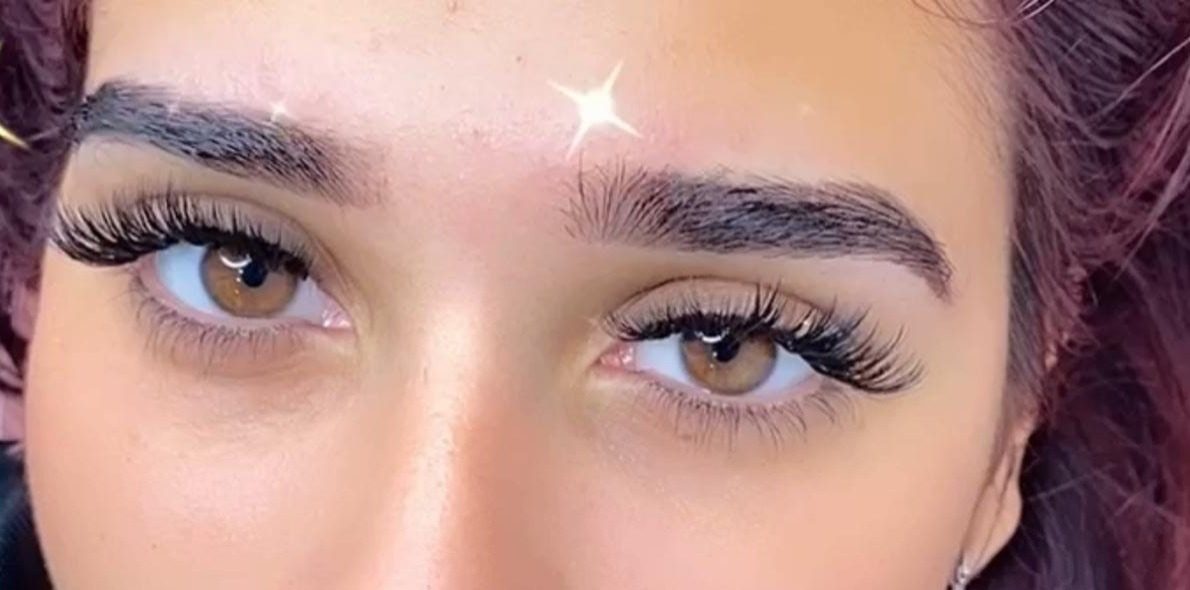
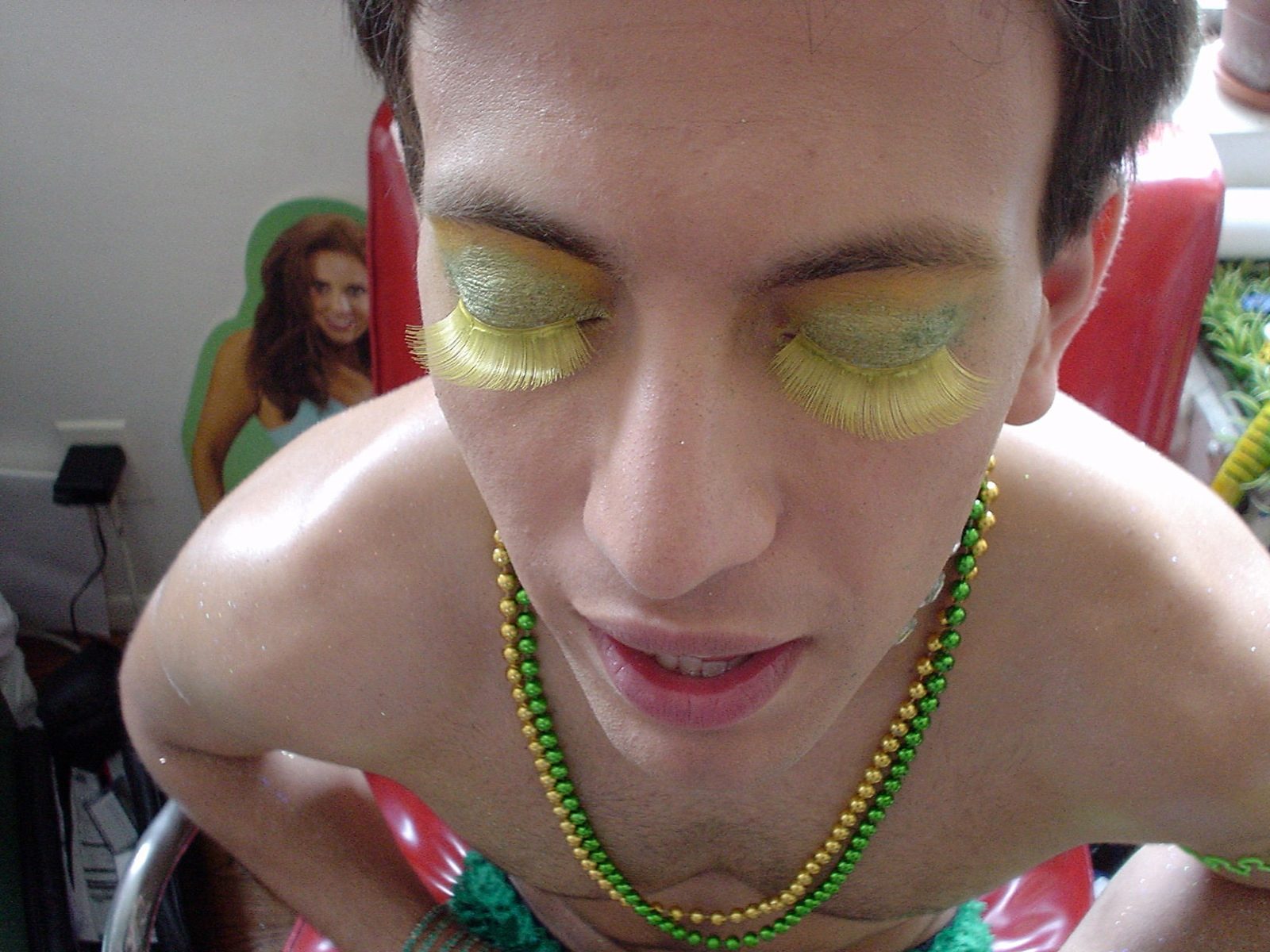
Close-up of long eyelashes

The wedding timeline

WhenStepWhy
6 to 8 weeks beforeResearch and book a technicianGood technicians are often busy in wedding season
4 to 6 weeks beforeTrial setCheck comfort, any reaction and the look in photos
2 to 3 weeks beforeOptional fillKeep lashes healthy and see how they wear
2 to 4 days beforeFinal full set or fillLashes settle and adhesive cures fully
Wedding dayNo mascara neededAvoid oil-based products near the lashes

If you are having a henna night or other events a few days before, schedule the final appointment before those too. Our Pre-Wedding Beauty Timeline shows how lashes fit alongside facials and makeup trials.

Choosing a style for your eyes and your look

The right lash style depends on your eye shape, your natural lashes and your overall bridal look. A few general pointers:

  • Hooded eyes often look best with slightly curled lashes that lift above the fold
  • Round eyes can be elongated with longer lashes at the outer corners
  • Almond eyes suit most styles
  • Deep-set eyes may benefit from a curl that brings the lashes forward
  • Very fine or short natural lashes cannot safely hold long or heavy extensions

Think about the full look too. Heavy volume lashes suit a dramatic Arabic or Indian bridal look, while a soft hybrid set fits a natural, minimal style. Show your technician photos of your dress and your planned makeup, and tell your makeup artist you will have extensions so they can plan the eyes around them. Our Makeup Artist Booking Checklist lists what to share.

Ask your technician

  • Which adhesive they use and whether a patch test is possible
  • How they isolate each lash so extensions do not stick together
  • What weight and length is safe for your natural lashes
  • How they clean tools and whether they use fresh disposables
  • How removal works if you react

Aftercare in UAE heat

Heat, humidity and sweat can shorten how long extensions last. In the first day or so after application, avoid getting the lashes wet and avoid steam, saunas and heavy exercise, or follow your technician’s advice on timing. After that:

  • Clean the lashes gently with a lash-safe cleanser to avoid build-up
  • Brush them with a clean spoolie each morning
  • Avoid oil-based makeup removers and creams around the eyes
  • Do not rub your eyes or sleep face-down on them
  • Do not pull or pick at extensions, which can damage natural lashes
Bride eye makeup with long lashes
Photo: Evi Michailidou, CC BY-SA 3.0

Who should avoid lash extensions

Speak to an eye doctor first or skip extensions if you

  • Have blepharitis, conjunctivitis, styes or other eye infections
  • Have very sensitive eyes or a history of allergy to cosmetic adhesives
  • Have had recent eye surgery
  • Have alopecia or lashes falling out unexpectedly
  • Are having chemotherapy or other treatments affecting hair

Some people react to the adhesive even after previous sets. If you have had redness or swelling with lashes before, tell your technician.

Red flags

Contact a licensed doctor or optometrist in the UAE and have the lashes removed by your technician if you experience eye pain, persistent redness, swelling of the eyelids, discharge, or changes in vision. Do not try to remove extensions yourself with force, as this can damage your natural lashes.

Alternatives to extensions

If you prefer not to have extensions, there are other ways to get fuller lashes on the day:

  • Strip lashes: applied by your makeup artist on the day; easy to remove that night
  • Individual cluster lashes: small clusters glued to the lash line for a natural look
  • Lash lift: curls your natural lashes for several weeks; patch test first
  • Waterproof or tubing mascara: simplest option
Strip false eyelashes on a tray
Photo: Thomas Hobbs, CC BY-SA 2.0

Extensions should be applied a few days before the wedding by a technician you have already tested, never for the first time the day before.

Extensions with a hijab, veil or niqab

Many brides in the UAE wear a veil or hijab for part of the day, and some wear a niqab, where the eyes become the focus of the whole look. A few practical points help here. Very long extensions can catch on a veil or brush against sunglasses, so ask your technician to keep the length comfortable for the accessories you will wear. If the eyes are the main feature, a softly defined set that frames them usually photographs better than the longest possible length. Finally, make sure your makeup artist knows about the extensions before applying eyeshadow and liner, so they use products that will not weaken the bond.

After the wedding

You can keep up with fills or let the extensions shed naturally. If you plan a honeymoon with lots of swimming, ask your technician about removal or a lighter set, since salt water, chlorine and sunscreen can shorten their life.

Frequently asked questions

Can I get lash extensions the day before my wedding?

It is safer to have them two to four days before. This allows the adhesive to cure fully and gives time to spot any irritation.

Will I still need mascara with extensions?

Usually not. Mascara, especially waterproof or oil-based formulas, can damage the bond and is hard to remove from extensions.

How long do lash extensions last?

They shed with your natural lashes over a few weeks, so most people need a fill every two to four weeks to keep them full.

Do lash extensions damage natural lashes?

When applied correctly and at a weight your lashes can support, they usually do not. Problems are more likely with heavy sets, poor technique or pulling them off.

Sources: American Academy of Ophthalmology, US Food and Drug Administration: Cosmetics, Dubai Health Authority

Cover photo: Shane Gavin, CC BY 2.0. Last reviewed: 2026-11-26. General information only, not medical advice. Please consult a licensed practitioner in the UAE about your own situation.
Arabic Bridal Makeup: Signature Looks, Variations and Planning Tips

Arabic bridal makeup is known for sculpted, defined features: full, shaped brows, dramatic eyes with smoky shadow, winged liner and lashes, a flawless luminous base with soft contour, and a polished lip, often in nude, rose or deep berry tones. It is designed to look striking in person and in photos under bright venue lighting, and it has to last through a long evening.

The signature elements

Brows

Brows are usually full, groomed and clearly defined, with a lifted arch. Artists fill sparse areas with powder or pencil and set them with gel so they stay in place all night.

Eyes

The eyes are the focal point. Common features include blended smoky shadow in browns, bronzes, golds or deep plums, a sharp winged liner, liner along the waterline and full false lashes. Some brides prefer a softer, glowing eye with shimmer on the lid and a lighter wing.

Base

A smooth, long wearing foundation, carefully matched to the neck and chest, with concealer to brighten under the eyes. Contour and highlight add structure; the finish is often radiant rather than flat matte.

Lips

Lip colour is chosen to balance the eyes. Many brides choose a nude or rosy lip with a dramatic eye, or a deeper shade when the eye is softer.

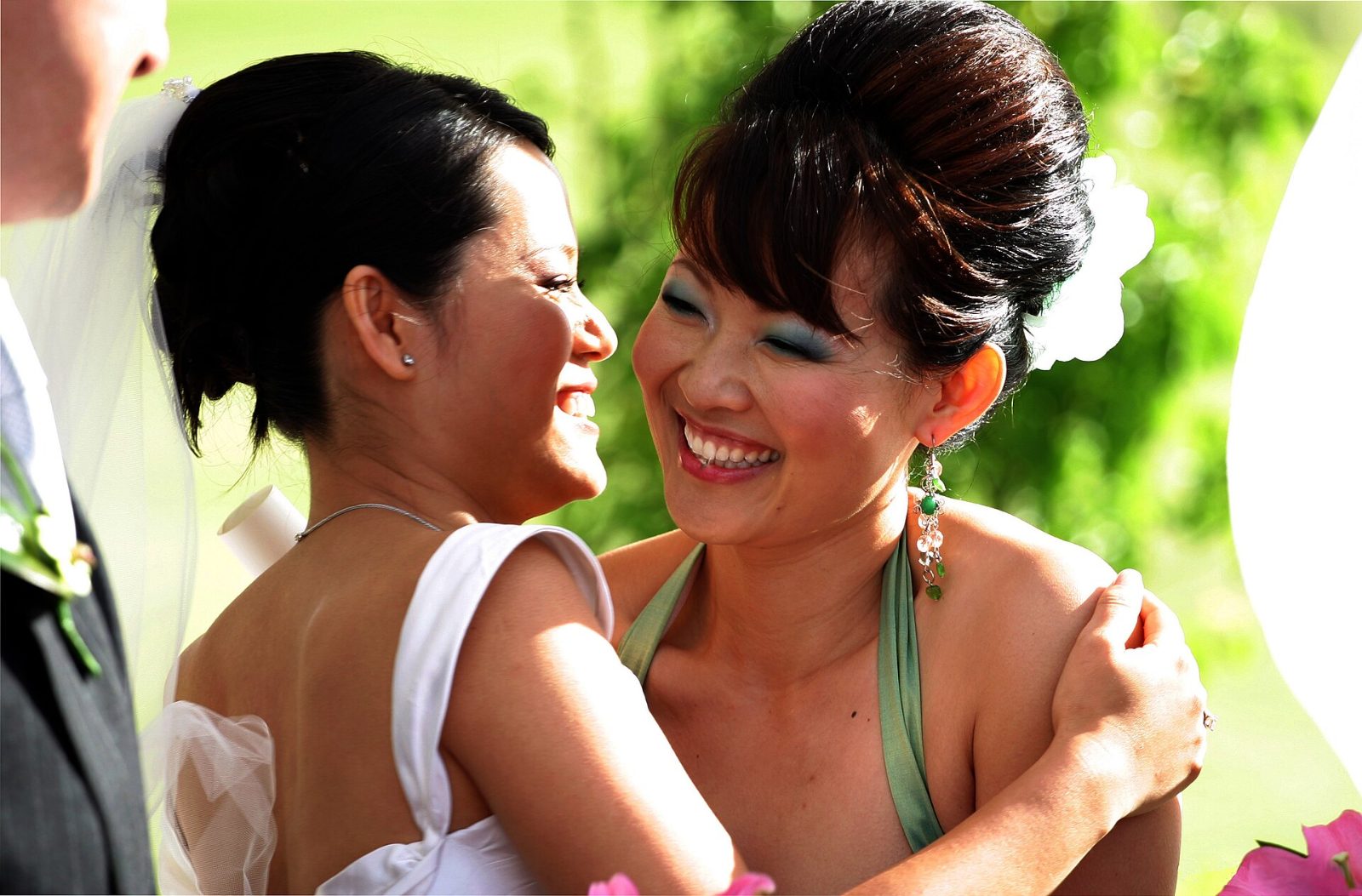
Close up of defined bridal eye makeup
Photo: Jason Hutchens, CC BY 2.0
StyleEyesBaseLipsSuits
Classic glamSmoky brown or black, bold wing, full lashesFull coverage, sculptedNude or soft roseEvening receptions
Golden glowWarm gold and bronze shimmerRadiant, lighter coveragePeachy nudeWarm skin tones, daytime events
Soft modernSoft brown wash, thin liner, natural lashesSkin like, minimal contourRosy or MLBB shadeBrides who prefer subtle looks
Bold colourJewel tones such as emerald or plumFull coverageDeep berry or redHenna nights and themed events

Practical points for the wedding day

Veils, sheilas and hairlines

Many brides wear a veil, sheila or hijab. Tell your artist so they can blend foundation neatly at the hairline and around the face, and use setting techniques that reduce transfer onto fabric. Try the veil or headpiece on at the trial.

Long hours and warm venues

Receptions in the UAE often run late into the night in heavily lit halls. Long wear foundation, waterproof eye products, primer under eyeshadow and setting spray help the look last. Plan touch ups with blotting papers, a compact and your lip colour.

Photography and lighting

Strong venue lights and camera flash can wash out shimmer or exaggerate white cast from some powders. Ask your artist to check the look in flash photos at the trial.

Kohl and eye safety

Waterline liner is part of many Arabic bridal looks. Use eye products sold through official retailers and registered for sale in the UAE. Some traditional kohl and surma powders have been found to contain lead. Tell your artist about contact lenses, sensitive eyes or any allergy to lash glue, and ask for a patch test of the adhesive if you have not used it before.

Preparing your skin

A sculpted look depends on smooth, calm skin. In the months before the wedding:

  • Keep your routine simple and consistent
  • Use sunscreen daily to avoid new pigmentation
  • Avoid trying new strong actives or treatments in the final month
  • Book threading or waxing a few days before the wedding, not on the day
  • Moisturise well, since dry patches show under full coverage foundation

Our pre-wedding beauty timeline helps you schedule facials, hair removal and trials in a safe order.

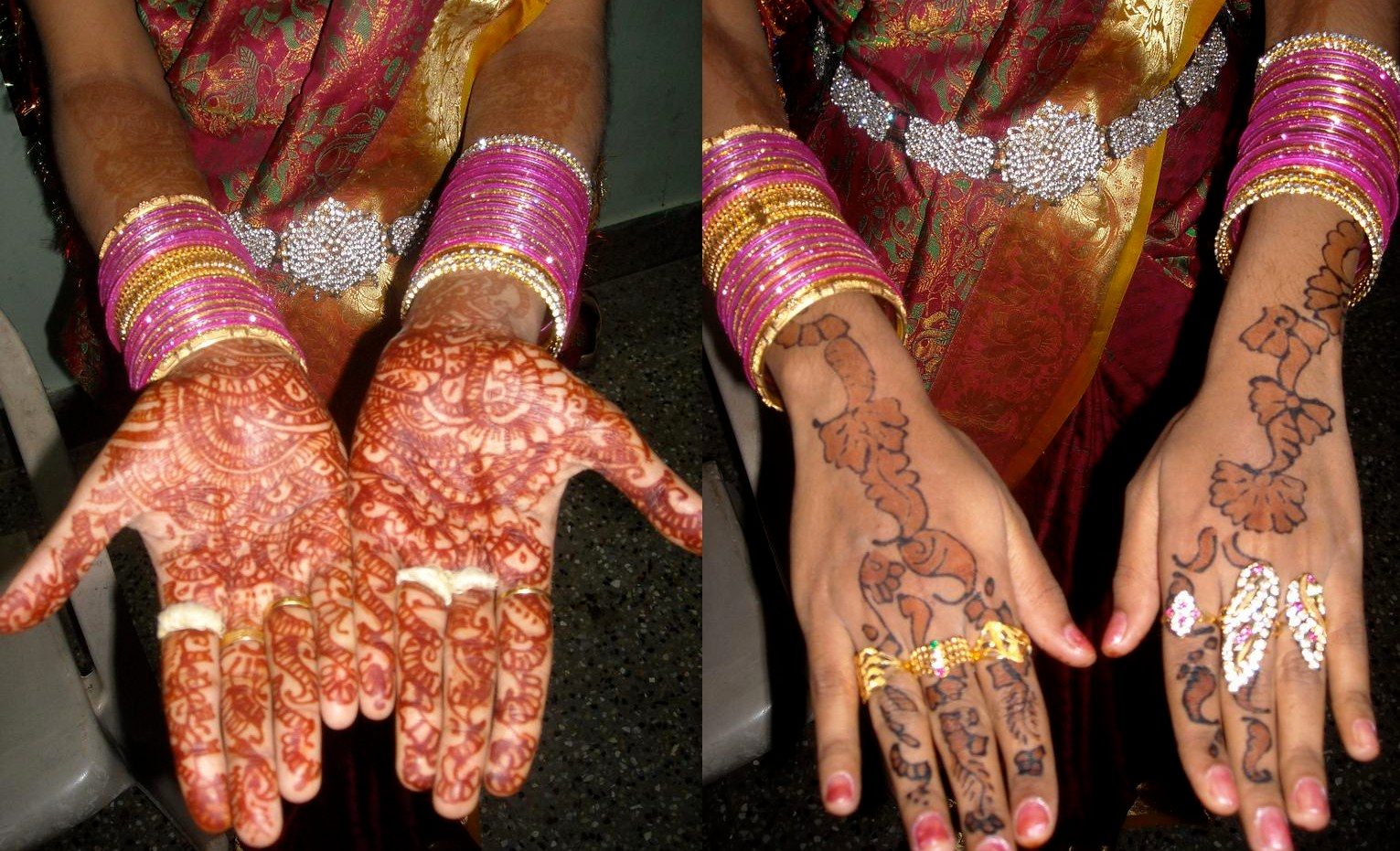
A bride's hands decorated with henna
Photo: Sistak, CC BY-SA 2.0

Henna night and multiple events

Many families celebrate across several events, such as a henna night, the wedding and a reception. You might choose a bolder, more colourful look for the henna night and a classic glam look for the wedding. Discuss all the events with your artist when booking so they can plan looks that feel different but suit you equally. Use natural henna only; very dark black henna can contain PPD, which causes serious reactions.

Choosing your artist

Look for an artist whose portfolio includes real Arabic brides with skin tones similar to yours. Ask how long a full bridal look takes, whether lashes and hair are included, and whether they will stay for touch ups. Our makeup artist booking checklist lists the questions to ask and the details to confirm in writing.

Make the trial count

Bring photos of your dress, jewellery and veil, wear a top with a similar neckline and plan to keep the makeup on for several hours afterwards. Take photos indoors, outdoors and with flash, then give your artist honest feedback.

Signs of a reaction

Stop and remove any product that causes stinging, burning, swelling or itching. Seek medical help for swelling of the eyelids or lips or any difficulty breathing. If you have sensitive skin, ask for fragrance free products and patch tests at the trial.

Arabic bridal makeup is bold by design; good prep and a thoughtful trial make sure it is still you under the glamour.

How long does Arabic bridal makeup take?

A full look with lashes and contour often takes one to two hours, longer with hair styling. Ask your artist for their timing.

Can Arabic bridal makeup be soft and natural?

Yes. Many brides choose a softer version with lighter eyes and a skin like base. Share reference photos at the trial.

How do I stop makeup getting on my veil?

Tell your artist you are wearing a veil or sheila. Setting techniques and careful blending at the hairline reduce transfer.

Is waterline kohl safe?

Use registered eye products from official retailers and avoid unlabelled traditional powders, some of which may contain lead.

Sources: US Food and Drug Administration cosmetics, American Academy of Dermatology, Ministry of Health and Prevention UAE

Last reviewed: 2026-11-25. General information only, not medical advice. Please consult a licensed practitioner in the UAE about your own situation.
Neutral Bridal Makeup: Choosing Nudes and Browns That Suit Your Skin Tone

Neutral bridal makeup uses a palette of nudes, browns, taupes, peaches and soft roses to define the face without strong colour. The trick is that “neutral” is different for every skin tone: a nude lipstick that looks perfect on one bride can look grey or chalky on another. Choosing shades by undertone and depth is what makes a neutral look flattering in photos.

Neutral, natural and soft glam: the difference

These terms overlap, but they are not the same:

  • Neutral describes the colour palette: nudes, browns and soft tones, at any level of coverage
  • Natural usually means minimal makeup and visible skin texture
  • Soft glam is a fuller look with blended eyes and lashes, but no harsh lines

You can have a neutral smoky eye with full coverage, or a neutral, almost bare look. Deciding on palette and intensity separately makes it easier to explain what you want to your artist.

Brown and taupe eyeshadow shades
Photo: Deborah Austin, CC BY 2.0

Step one: find your undertone

Your undertone is the colour beneath the surface of your skin. It does not change with a tan.

UndertoneCommon signsNeutrals that often flatter
WarmGolden, peachy or yellow cast; gold jewellery often looks betterWarm browns, caramel, peach, terracotta nudes
CoolPink, red or bluish cast; silver jewellery often looks betterTaupe, mauve, rosy nudes, cool browns
NeutralMix of both; both gold and silver look fineMost nudes; rosy brown and soft beige
OliveGreenish or grey-beige cast, common in many Middle Eastern and Mediterranean skin tonesRosy browns, warm mauves, bronze, avoid very yellow nudes

These are general guides, not rules. A trial with your artist is the most reliable test.

Step two: match depth

A nude lipstick or eyeshadow should be close to, or slightly deeper than, your natural skin or lip colour:

  • Fair skin: soft pinks, light peach, pale taupe
  • Light to medium skin: rosy beige, warm caramel, soft brown
  • Medium to tan skin: rosy brown, toffee, cinnamon, bronze
  • Deep skin: chocolate, mahogany, deep rose-brown, warm espresso

Nudes that are much lighter than your lips can look chalky or washed out, especially in flash photos.

Building a neutral bridal look

Base

Match foundation carefully to the face, neck and chest. A satin or natural finish keeps a neutral look from feeling flat.

Eyes

Use a transition shade one or two tones deeper than your skin in the crease, a slightly deeper brown at the outer corner, and a soft shimmer on the lid: champagne for fair skin, gold or bronze for medium and deep skin. Brown liner is usually softer than black, but black can add definition in evening light.

Cheeks

A rosy, peach or warm brown blush keeps neutral makeup from looking flat. Add a little bronzer for warmth and a subtle highlight on the cheekbones.

Lips

Line the lips with a liner close to your natural lip colour, then apply a nude a shade deeper than your lip or skin. If nudes look pale on you, a rosy brown or “your lips but better” shade is often the answer.

Nude and rosy lipstick shades
Photo: Maria Morri, CC BY-SA 2.0

The photo test

Neutral shades can disappear in photos. At the trial, take a photo with flash and one in daylight. If the lips or eyes vanish, ask your artist to go one shade deeper or add a little more liner and lashes.

Neutral makeup with different outfits

Neutral makeup is popular because it works with many outfits, which matters if you have several events or outfit changes:

  • White or ivory gowns: warm nudes keep the skin from looking pale next to the dress
  • Gold or champagne: bronze and gold shimmer tie the look together
  • Pastel or blush outfits: rosy nudes and soft pink blush
  • Red or jewel-tone outfits for henna or reception: neutral eyes with a deeper lip

If you are wearing a hijab or veil, consider the colour near your face. A hijab in a soft neutral tone can make very pale nudes look washed out, so a slightly warmer blush helps.

Common mistakes with neutral looks

  • Choosing a nude lipstick that is lighter than your natural lips
  • Using greyish taupes on warm or olive skin, which can look dull
  • Skipping blush, which leaves the face looking flat in photos
  • Over-powdering, which removes all dimension
  • Picking a palette based on someone else’s photos without considering skin tone

Skin prep makes neutral makeup shine

Because neutral makeup does not rely on bold colour, the skin underneath matters. Consistent hydration and daily sunscreen in the months before the wedding make a visible difference. Avoid new treatments in the final weeks, and plan facials using our Pre-Wedding Beauty Timeline.

Before your trial

Bring photos of neutral looks you like on people with a similar skin tone, the lipstick you usually wear, and a picture of your outfit. Our Makeup Artist Booking Checklist lists more details to share.

Neutral makeup palette and brushes

A neutral look should still have contrast. Definition in the eyes, warmth in the cheeks and a lip a little deeper than your own are what keep it from fading away in photos.

Sensitive skin and product safety

If you have sensitive skin or allergies, patch test products before the trial. Some long-wear lipsticks and eyeshadows contain ingredients that irritate sensitive lips or eyes. Stop using any product that causes redness, swelling or itching, and seek advice from a licensed doctor in the UAE if a reaction does not settle quickly.

Frequently asked questions

Is neutral makeup boring for a wedding?

Not when it is done well. A neutral palette with good structure, lashes and a slight glow photographs beautifully and looks timeless.

How do I stop nude lipstick looking pale?

Choose a shade close to or slightly deeper than your natural lip colour, line with a matching liner, and add a little gloss or balm in the centre for dimension.

Can neutral makeup work for an evening wedding?

Yes. Add more depth to the outer eye, a little more liner and lashes, and a slightly deeper lip so the look stands up to warm evening lighting.

What eyeshadow colours count as neutral?

Browns, taupes, beiges, champagnes, soft golds, bronzes and muted roses are all commonly considered neutral. The best shades depend on your skin tone.

Sources: American Academy of Dermatology, US Food and Drug Administration: Cosmetics, Dubai Municipality

Cover photo: Alexander Vasenin, CC BY-SA 3.0. Last reviewed: 2026-11-26. General information only, not medical advice. Please consult a licensed practitioner in the UAE about your own situation.

Korean Skin Care Routine: A Realistic Version for Busy Brides in the UAE

A Korean skin care routine layers products from thinnest to thickest: cleanse, tone, treat with an essence or serum, moisturise, and finish with sunscreen in the morning. The famous ten-step version adds double cleansing, exfoliation, sheet masks and eye cream, but most people get the benefits from five or six steps done consistently.

The idea behind the routine

The Korean approach puts hydration and prevention first. Instead of one heavy cream, it uses several light layers that each add water or support the skin barrier. The order matters because thinner, watery products absorb better when applied before thicker creams and oils.

For brides, the appeal is practical: well-hydrated skin looks smoother under makeup, and a steady routine is easier on the skin than a last-minute rush of strong treatments. In the UAE, where you move between hot outdoor air and cold, dry air conditioning, layering light hydration often feels more comfortable than one rich cream.

The classic steps, explained

StepProductWhat it doesEssential?
1Oil cleanser (evening)Dissolves sunscreen and makeupYes, if you wear SPF or makeup
2Water-based cleanserRemoves sweat and residueYes
3Exfoliant (1 to 3 times a week)Removes dead skin cellsOptional
4TonerAdds a first layer of hydrationOptional
5EssenceLight hydrating treatmentOptional
6Serum or ampouleTargets a concern such as dullnessOptional
7Sheet mask (occasional)Extra hydrationOptional
8Eye creamMoisture for the eye areaOptional
9MoisturiserSeals in hydrationYes
10Sunscreen (morning)Protects from UV damageYes

The essentials are cleansing, moisturising and daily sunscreen. Everything else is a tool to use if your skin needs it.

Washing the face as the first step of a routine
Photo: Marcin BiaƂek, CC BY-SA 4.0

A simplified morning routine

  1. Rinse or gentle cleanse. If your skin is dry, lukewarm water may be enough in the morning. Oily skin often prefers a mild cleanser.
  2. Hydrating toner or essence. Pat a small amount into damp skin.
  3. Serum, if you use one. An antioxidant serum is a common choice in the morning.
  4. Light moisturiser. Gel textures suit humid summer days. Creams suit dry winter air and long hours in AC.
  5. Sunscreen. Use a broad-spectrum SPF 30 or higher and reapply when you are outdoors for long periods.

A simplified evening routine

  1. Oil or balm cleanser to remove sunscreen and makeup.
  2. Water-based cleanser for a clean base. This pair is called double cleansing.
  3. Toner or essence.
  4. Treatment step, such as a gentle exfoliant two or three nights a week, or a hydrating serum.
  5. Moisturiser or sleeping mask.

Keep actives apart at first

If you use exfoliating acids, do not combine them with other strong actives such as retinoids on the same night until you know how your skin reacts. Irritation before a wedding is far harder to fix than to avoid.

Adjusting the routine for UAE conditions

Heat and humidity outdoors make skin feel oilier, while air conditioning indoors can leave it tight and dehydrated. Many people find that their skin is both at once. A few adjustments help:

  • Use lighter textures in summer and richer ones in the cooler months.
  • Keep sunscreen non-negotiable, even on days spent mostly indoors or in the car, since UVA passes through glass.
  • Do not over-cleanse. Washing too often can make dehydration worse, which can lead to more oil.
  • Store products away from heat. Do not leave sunscreen in a hot car.

Consistency beats complexity: five steps done daily will outperform ten steps done now and then.

Common mistakes with layered routines

The most frequent problem is doing too much. Layering an exfoliating toner, an acid serum and a retinoid on the same night can strip the skin barrier, leaving it red, tight and more prone to breakouts. If your skin suddenly stings when you apply a plain moisturiser, that is often a sign the barrier needs a rest. Pause the actives, keep to a gentle cleanser, moisturiser and sunscreen for a week or two, and reintroduce one active at a time.

The second mistake is using too little sunscreen. Most people apply far less than the amount used in testing, so the real protection is lower than the label suggests. A common guide is roughly two finger-lengths of product for the face and neck. Reapply after sweating, swimming or long periods outdoors.

A third mistake is judging a product too early. Hydrating steps can make skin feel better within days, but changes in texture or tone usually take several weeks of steady use. Give each new product time, and keep notes on what you started and when. That simple record is very useful if you later need to explain a reaction to a dermatologist.

Timing it around your wedding

Start or adjust your routine at least two to three months before the wedding, so any reaction has time to settle. In the last month, avoid new products, strong peels and new exfoliants. Sheet masks and hydrating steps are usually the safest way to give your skin a boost in the final week, as long as you have used them before. Our pre-wedding beauty timeline lays this out week by week.

Woman using a hydrating sheet mask
Photo: Ch-info.ch, CC BY 3.0

Who should get advice first

  • People with rosacea, eczema or very sensitive skin, before adding exfoliants or fragranced products.
  • Anyone who is pregnant or breastfeeding, before using retinoids or high-strength actives.
  • Anyone using prescription acne or pigmentation treatment, before adding more actives.

Stop a product and see a licensed dermatologist in the UAE if you develop swelling, blistering, a spreading rash, or redness and burning that do not settle after you stop.

FAQ

Do I really need ten steps?

No. Cleansing, moisturising and sunscreen are the core. Add toner, essence or serum only if they solve a specific concern for you.

What is double cleansing?

It means cleansing with an oil or balm first to break down sunscreen and makeup, then with a water-based cleanser. It is mainly useful in the evening.

How long should I wait between layers?

A few moments until each layer feels mostly absorbed is usually enough. There is no need for long waits with light, watery products.

Can I use a Korean routine with oily skin?

Yes. Choose lightweight gel moisturisers, non-comedogenic sunscreen and gentle exfoliants, and skip heavy creams and oils.

Sources: American Academy of Dermatology; Skin Cancer Foundation on sunscreen; NHS skin care advice.

Cover photo: WGW2007, CC BY-SA 4.0. Last reviewed: 2026-11-25. General information only, not medical advice. Please consult a licensed practitioner in the UAE about your own situation.
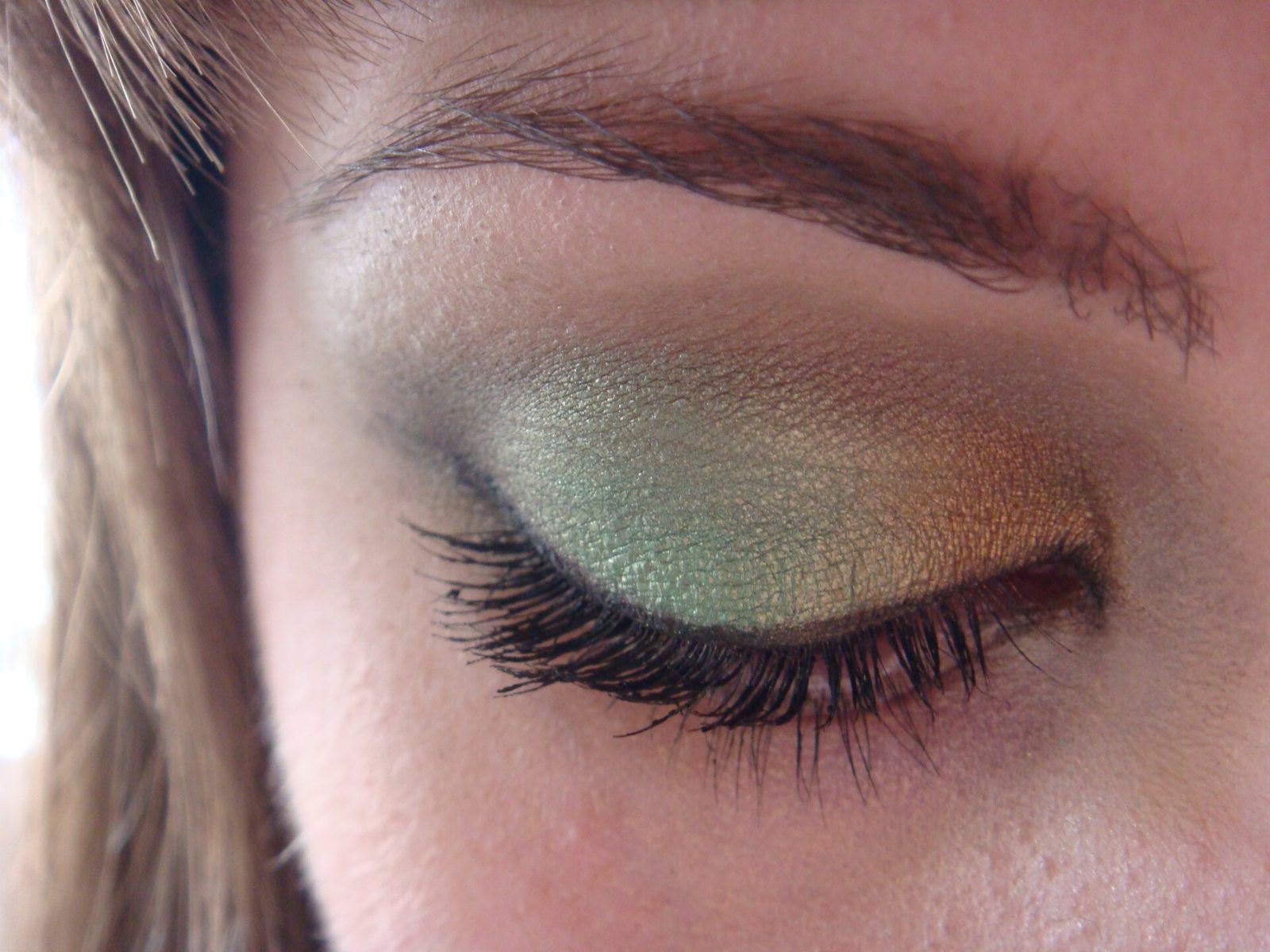
Long-Lasting Bridal Makeup: How to Keep It Fresh From Morning to Midnight

Long-lasting bridal makeup is less about one magic product and more about a system: well-prepped skin, a primer matched to each zone of the face, thin layers of long-wear formulas, setting in stages, and a small touch-up plan for the evening. Done this way, makeup can stay fresh through a long UAE wedding day that may start in the morning and finish well after midnight.

Why makeup breaks down

Makeup fades or separates for a few predictable reasons:

  • Oil and sweat mix with foundation and loosen it, especially on the T-zone
  • Dryness from air conditioning makes base cling to flakes and crack
  • Friction from hugs, phones, tissues, veils and hijabs rubs product away
  • Eating and drinking wear off lipstick
  • Movement of the face creases product in lines around the eyes and mouth
  • Too many thick layers slide more than thin ones

For tears and water specifically, see our guide to waterproof wedding makeup. This guide focuses on the whole face over a very long day.

The long-wear system, step by step

1. Skin prep matched to skin type

Hydrate dry areas with a serum and moisturiser; keep oily areas light with a gel moisturiser. Give everything time to absorb. Skin that is comfortable holds makeup better.

2. Zone priming

Use a mattifying or gripping primer on the T-zone and a hydrating primer on dry cheeks. A colour-correcting primer can reduce how much foundation you need.

3. Thin layers of long-wear foundation

Apply a thin layer, let it set for a minute, then add a second thin layer only where needed. Thin layers move with the skin; thick layers crack.

4. Targeted concealer and setting

Conceal only where needed and set immediately with a fine powder, especially under the eyes and around the nose.

5. Cream, then powder

Apply cream blush, contour and highlight first, then a light layer of matching powder on top. This “sandwich” makes colour last much longer.

6. Eyes on primer

Eyeshadow primer, set with powder, then long-wear shadows. Waterproof liner and mascara.

7. Setting spray

Mist between stages and at the end to melt layers together and reduce powdery texture.

AreaLong-wear tacticTouch-up plan
T-zoneMattifying primer, thin base, pressed powderBlot, then a little powder
CheeksHydrating primer, cream then powder blushUsually none
Under eyesThin concealer, set straight awayPat creases with a fingertip
EyelidsPrimer and powder shadowsCotton bud for smudges
LipsLiner over the whole lip, blot and layerReapply after meals
BrowsWaterproof pencil and brow gelRarely needed

Lips that survive dinner

Line and fill the whole lip with a long-wear liner, apply lipstick, blot, apply again and blot. A liquid matte formula lasts longest, but test comfort at the trial, as some feel dry after many hours. Keep the lipstick and liner in your touch-up kit and reapply after eating.

Makeup products used to set a long-wear look

Transfer resistance with veils and hijabs

Veils and hijabs touch the face and can rub off foundation along the jaw and forehead. Ask your artist to use a transfer-resistant foundation, to set the edges well and to finish with setting spray before the fabric is placed. Our Makeup Artist Booking Checklist includes questions about hijab-friendly products.

The touch-up plan

Even the best makeup needs small refreshes over a long day. Plan it in advance:

Touch-up kit

  • Blotting papers
  • Pressed powder in your shade
  • Lipstick and lip liner
  • Cotton buds and a little concealer
  • A small setting or hydrating spray
  • Eye drops if you use them

Give the kit to a bridesmaid or relative. Agree on two or three touch-up moments: before the ceremony, before portraits and before the evening entrance. Some artists can stay or return for a touch-up; ask whether this is possible.

Compact powder for touch-ups
Photo: Andy Mabbett, CC BY-SA 3.0

UAE conditions to plan for

  • Outdoor heat: limit time in direct sun, and plan photos for softer light
  • Air conditioning: keep a hydrating mist handy for dry patches by evening
  • Humidity near the coast: set the T-zone thoroughly
  • Many events in one day: consider an artist touch-up before a second event

Skin prep in the weeks before

Long-wear makeup depends on calm, hydrated skin. A consistent routine in the months before the wedding, with no new strong treatments in the final weeks, makes a visible difference. Use our Pre-Wedding Beauty Timeline to plan facials and other preparation.

Comfort, skin and removal

Long-wear products can feel tight or drying on sensitive skin over many hours. Patch test them before the trial. At the end of the night, remove makeup gently with a cleansing oil or balm, then a mild cleanser and moisturiser. If you notice stinging, redness or eye irritation, remove the product and seek advice from a licensed doctor in the UAE if it does not settle.

Testing longevity at your trial

The trial is the best chance to see how long your makeup really lasts. Book it for a morning if possible, then carry on with your day as normal: go outside, eat lunch, sit in air conditioning and, if you can, stay out into the evening. Take a photo every few hours in similar lighting and note where the makeup changes first. Share the photos with your artist so they can adjust primer, powder or formula choices for the wedding day.

Long-lasting makeup is a system: right prep, right primer in each zone, thin layers, smart setting and a planned touch-up.

Frequently asked questions

How long can bridal makeup last?

With good prep and long-wear products, bridal makeup can look fresh for many hours. Most brides still need small touch-ups, especially for lips and shine.

Does setting spray really make makeup last longer?

It can help the layers meld and reduce powdery texture, which often improves wear. It does not replace good prep and long-wear formulas.

Is airbrush makeup longer lasting?

Some airbrush formulas are very long-wearing, but long-wear traditional products, applied thinly and set well, can last as long.

How do I stop my lipstick fading while eating?

Line and fill the whole lip, layer and blot, choose a long-wear formula and reapply after meals.

Sources: American Academy of Dermatology, US Food and Drug Administration: Cosmetics, NHS: Sunscreen and sun safety

Cover photo: Wun-nam Rahimatu, CC BY-SA 4.0. Last reviewed: 2026-11-26. General information only, not medical advice. Please consult a licensed practitioner in the UAE about your own situation.