HydraFacial Steps Explained: What Happens From Start to Finish

A standard HydraFacial follows three core steps: cleanse and peel, extract and hydrate, then fuse and protect. Many clinics in the UAE add optional extras such as boosters, LED light or lymphatic drainage, which is why session lengths and prices vary from one place to the next.

The three core steps at a glance

1. Cleanseand peelloosens dead skin 2. Extractand hydratevortex suction 3. Fuseand protectserums and antioxidants

The treatment uses a handheld device with disposable tips. The device delivers solutions to the skin while suction draws away loosened debris, so cleansing and hydration happen at the same time rather than in separate stages as in a traditional facial.

How it differs from a classic facial

A classic salon facial usually involves steaming, manual extraction with fingers or a tool, a mask and a massage. Results depend heavily on the therapist’s hands, and manual extraction can leave red marks for a day or two. HydraFacial replaces most of that with a standardised device protocol, which is why results tend to be more predictable from one session to the next.

That does not make it better for everyone. People who enjoy a long relaxing massage may prefer a traditional facial, and some skin concerns such as deep acne scarring need medical treatments that neither option provides. Think of HydraFacial as a thorough cleanse and hydration treatment, not a cure.

Before the first step: consultation and skin check

A good clinic starts with questions, not the machine. Expect to be asked about medications, recent treatments, allergies and pregnancy. In Dubai, facilities offering medical aesthetic treatments are licensed by the Dubai Health Authority, and in Abu Dhabi by the Department of Health, so you can check the clinic’s licence before booking.

Tell your therapist if any of these apply

  • You are pregnant or breastfeeding
  • You have used isotretinoin or a prescription retinoid recently
  • You have active cold sores, open wounds, sunburn or a rosacea flare
  • You are allergic to aspirin or salicylates, since some peel solutions contain salicylic acid
  • You have had injectables, laser or a chemical peel in the past couple of weeks

Step 1: Cleanse and peel

The first pass uses a cleansing solution to remove surface oil and dead skin. A second pass applies a mild peel solution, typically containing gentle acids, to loosen debris in the pores and prepare the skin for extraction.

Most people feel a light, cool scraping sensation. Stinging should be mild and brief. If it burns, say so immediately so the therapist can stop or adjust the solution.

Step 2: Extract and hydrate

This is the step people notice most. The device uses suction to lift loosened material out of the pores, which the brand calls vortex extraction. It is designed to be gentler than manual squeezing, so redness after the session is usually limited.

At the same time, a hydrating serum is delivered to the skin. Some clinics show you the collection jar at the end, which is mostly a mix of serum, oil and dead skin cells.

Step 3: Fuse and protect

The final pass infuses antioxidant and peptide serums. This leaves the glow that makes HydraFacial popular before events. Your therapist should finish with a moisturiser and, if you are leaving during the day, a broad spectrum sunscreen. In UAE sunlight that last step matters.


Woman relaxing after a facial treatment
Professional facial treatment step
Photo: Clare Garvie, originally via the NYPD, CC BY-SA 4.0

Optional add ons and what they do

Add onWhat it isNotes
Booster serumA concentrated serum targeting a concern such as dullness or fine linesAsk what is in it before agreeing
LED light therapyRed or blue light applied after the facialUsually a few extra minutes
Lymphatic drainageSuction based massage on face and neckCan help with puffiness short term
Peptide add onsAdditional serums aimed at firmnessVaries by clinic

Packages with names like signature, deluxe or platinum mostly differ by how many of these extras are included. Ask the clinic for a step by step list rather than relying on the package name.

Timing before a wedding

Many brides book a HydraFacial about three to seven days before the wedding, after at least one earlier session to check how their skin responds. Our pre-wedding beauty timeline shows where facials fit alongside trials and other treatments.

Choosing where to book

Genuine HydraFacial devices are sold to licensed providers, and many clinics in Dubai, Abu Dhabi and Sharjah offer them. Some salons use similar hydradermabrasion machines from other brands, which is not necessarily a problem but should be stated honestly. Ask which device is used, whether the tips are single use, and who performs the treatment.

After the session

Skin may look slightly pink for an hour or two. Most people return to normal activities straight away. General aftercare advice from clinics includes:

  • Avoid heavy makeup for the rest of the day if you can
  • Skip saunas, steam rooms and intense workouts for about 24 hours
  • Hold off on retinoids and strong acids for a couple of days
  • Use sunscreen and avoid long sun exposure

The machine matters less than the person using it and the questions they ask before they start.

Red flags after treatment

Contact the clinic or a doctor if you notice swelling, blistering, hives, rash spreading beyond the treated area, or pain that increases over the next day. These are uncommon but should be checked by a licensed practitioner.

How long does a HydraFacial take?

A basic session usually takes around 30 to 45 minutes. Packages with boosters, LED and drainage can take an hour or more.

Does HydraFacial hurt?

Most people describe it as comfortable, with a cool, slightly suctioning feeling. Mild tingling during the peel step is common; real pain is not and should be reported.

Can I do makeup straight after?

It is generally advised to wait until the next day. If you must, choose light, clean products and fresh brushes.

How often should the steps be repeated?

Many clinics suggest monthly sessions. Your practitioner can advise based on your skin and goals.

Sources: HydraFacial official site, Dubai Health Authority, American Academy of Dermatology

Cover photo: Shixart1985, CC BY 2.0. Last reviewed: 2026-11-25. General information only, not medical advice. Please consult a licensed practitioner in the UAE about your own situation.


HydraFacial in Dubai: How It Works, Where to Book and What to Ask

A HydraFacial in Dubai is a medical-grade facial done with a patented device that cleanses, exfoliates, extracts and hydrates the skin in one session of roughly 30 to 60 minutes. You will find it in dermatology clinics, licensed beauty centres and some spas across the city, and the main things to check are the facility licence, the person operating the device, and which add-ons are actually included in the quoted price.

What a HydraFacial actually is

HydraFacial is a brand name, not a general technique. The treatment is performed with a device made by The HydraFacial Company, which uses a spiral-tipped handpiece and vacuum suction to deliver liquid serums while lifting debris out of pores at the same time. The company calls this Vortex-Fusion. Many clinics offer “hydra” or “aqua” facials on similar-looking machines, but those are different devices and the results and serums are not the same.

The standard protocol runs in three stages:

  1. Cleanse and peel. The skin is cleansed and a gentle exfoliating solution loosens dead skin cells.
  2. Extract and hydrate. Suction clears congestion from pores while a hydrating serum is applied.
  3. Fuse and protect. Antioxidant and hydrating serums are pushed into the surface of the skin.

Many menus then add “boosters” (targeted serums for brightness, fine lines or congestion), LED light, or lymphatic drainage. These extras change both the price and the session length.

Aesthetician performing a facial treatment in a clinic
Photo: Suyash Dwivedi, CC BY-SA 4.0

Dubai’s climate is hard on skin in two opposite ways. Outdoors, heat and humidity increase oil and sweat, which can clog pores. Indoors, long hours in air-conditioned offices, malls and cars dry out the surface layer. A treatment that both clears pores and adds hydration fits that pattern, which is a large part of its appeal here.

It is also a “no downtime” facial for most people. Redness, if any, usually fades within hours, so it is easy to fit around work, travel and events. That is why many brides and guests book one in the run-up to a wedding (see our separate guide on timing a HydraFacial before the big day).

At a glance

  • Session length: roughly 30 to 60 minutes depending on add-ons
  • Downtime: usually none, mild redness for some people
  • Results: smoother, more hydrated skin straight away; effects are temporary
  • Typical rhythm offered by clinics: monthly, or a short series before an event

Where to book: clinic, salon or spa

In Dubai, health facilities and the practitioners who work in them are licensed by the Dubai Health Authority (DHA). In Abu Dhabi the regulator is the Department of Health (DOH), and in the northern emirates it is the Ministry of Health and Prevention (MOHAP). A HydraFacial is a cosmetic procedure rather than surgery, but medical-grade facials with exfoliating acids are often performed in licensed clinics, especially when combined with peels, microneedling or prescription skincare.

SettingWhat to expectGood for
Dermatology or aesthetic clinicDoctor or licensed therapist, skin assessment, can combine with medical treatmentsAcne, pigmentation, sensitive or reactive skin
Licensed beauty centreTrained therapist, often more flexible bookingHealthy skin wanting a refresh
Hotel or day spaRelaxing setting, sometimes shorter protocolMaintenance and pampering

Whichever you choose, ask whether the machine is a genuine HydraFacial device and whether the serum tips are new and sealed for your session. Single-use tips are standard on the genuine system.

How much does it cost?

Prices in Dubai vary widely by setting, area, the protocol (signature, deluxe, platinum and similar tiers) and the boosters included. Promotions are common, and packages of several sessions usually reduce the per-visit cost. Rather than relying on a number you saw online, compare written quotes that list:

  • the exact protocol name and steps
  • which booster serums and LED are included
  • whether a consultation is charged separately
  • the cancellation and rescheduling policy

If a price looks far below everyone else’s, ask directly whether the device is the original brand.

Who should be cautious

A HydraFacial is gentle compared with most peels, but it is not for everyone at every moment. Speak to a doctor or dermatologist first if you:

  • are pregnant or breastfeeding (some exfoliating solutions contain acids that many practitioners avoid during pregnancy)
  • use prescription retinoids or isotretinoin, or have recently stopped them
  • have active rosacea flares, eczema, sunburn or open wounds on the face
  • have an active cold sore or other skin infection
  • have had injectables, laser or a peel in the past one to two weeks

Stop and get help if

You notice blistering, spreading redness, swelling that worsens after 24 hours, or signs of infection such as warmth, pus or fever. These are not normal reactions to a facial and need medical attention.

Getting the most out of a session

Small habits before and after make a visible difference.

Before: skip waxing, threading and strong exfoliants on the face for a few days. Arrive with clean skin if you can, and tell the therapist about every active ingredient you use.

After: keep makeup off for the rest of the day if possible, avoid saunas, hot yoga and intense workouts for 24 hours, and wear a broad-spectrum sunscreen every day. Freshly exfoliated skin burns more easily, and UAE sun is strong all year round, not only in summer.

The glow from a HydraFacial is real but temporary. Daily sunscreen and a steady routine are what keep it.

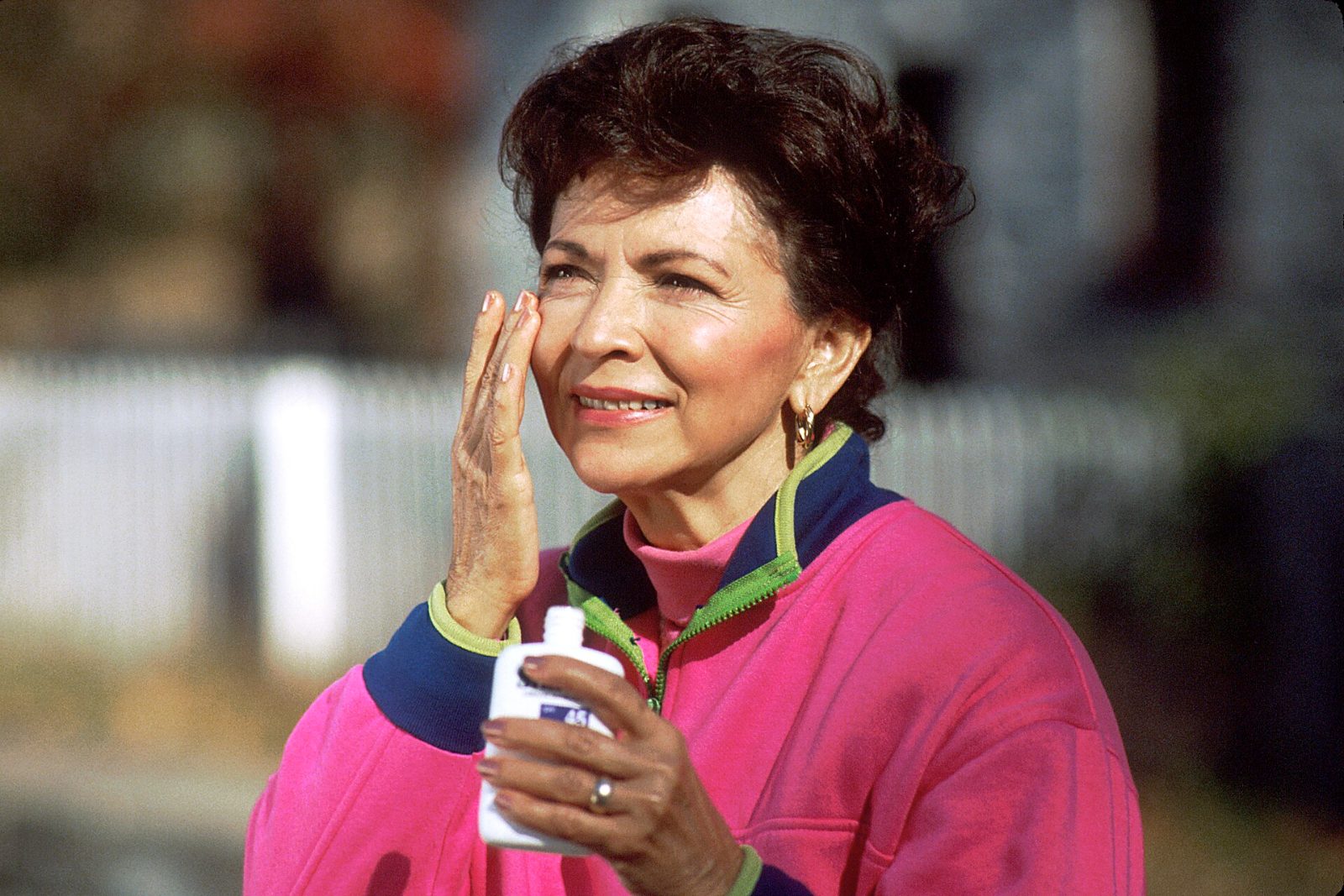
Applying sunscreen after a facial

Planning around an event

If you are booking for a wedding or another big day, do a trial session at least a few weeks before, so you know how your skin reacts. Then book the final one a few days before the event rather than the day itself. Our pre-wedding beauty timeline lays out where facials, trials and other treatments fit in the weeks before the date, and the makeup artist booking checklist helps you line up the rest of your beauty team.

Questions to ask at the consultation

  • Is this a genuine HydraFacial device, and are the tips single-use?
  • Who will perform the treatment, and what is their training?
  • Which boosters do you recommend for my skin, and why?
  • What should I avoid using on my skin for the next 48 hours?

Frequently asked questions

How long does a HydraFacial last?

The immediate smoothness and hydration usually look best for several days to about a week. Clinics typically suggest repeating it every four weeks or so, roughly in line with the skin’s natural renewal cycle, but there is no obligation to follow a set schedule.

Does a HydraFacial hurt?

Most people describe it as a cool, slightly tingling suction. Extraction on congested areas such as the nose can feel stronger. Tell the therapist if anything is uncomfortable so they can adjust the suction.

Can I have a HydraFacial if I have acne?

Mild congestion and blackheads often respond well. For active, inflamed or cystic acne, see a dermatologist first, because extraction over inflamed spots can irritate them and acne may need medical treatment.

Can I go to the beach after a HydraFacial?

It is better to avoid direct sun, swimming pools and the sea for at least a day. If you do go out, use a high-SPF broad-spectrum sunscreen and a hat.

Sources: HydraFacial official site, Dubai Health Authority, American Academy of Dermatology

Cover photo: Charles Lam from Hong Kong, China, CC BY-SA 2.0. Last reviewed: 2026-11-25. General information only, not medical advice. Please consult a licensed practitioner in the UAE about your own situation.
Oxygen Facial Before a Wedding: What It Does, What It Does Not, and Who It Suits

An oxygen facial is a salon or clinic treatment in which a device sprays a fine mist of pressurised oxygen together with serums, often containing hyaluronic acid, vitamins or botanicals, onto the skin. Many people find their skin looks fresh, plump and glowing for a few days afterwards, which is why it is popular before events. The research evidence for long-term benefits is limited, so treat it as a gentle, short-term boost rather than a treatment for skin problems.

How an oxygen facial works

A typical session starts with cleansing and sometimes light exfoliation. The therapist then uses a handheld device that delivers a stream of oxygen and a serum onto the skin. Some treatments also include massage, a mask or LED light. The sensation is usually cool and relaxing.

The visible glow comes mainly from hydration and the serums used, along with massage that temporarily increases blood flow to the skin. Skin can look smoother and more even for a short time.

What it can and cannot do

ExpectationRealistic?Notes
Fresh, hydrated look for a few daysOftenMainly from serums and massage
Relaxing, low-irritation experienceUsuallyGentle for many skin types
Treat acneNot on its ownSee a dermatologist for acne
Fade pigmentationUnlikely on its ownNeeds targeted treatment and sun protection
Reduce deep wrinklesNoOther treatments are needed
Long-term skin changeLimited evidenceEffects are mostly short-lived

Being clear about this helps you decide how much to spend and when to book it.

Calm treatment room in a spa
Photo: Jean-Pol GRANDMONT, CC BY 2.0

HydraFacial

HydraFacial uses a device to cleanse, exfoliate, extract and hydrate. It is more active on pores and texture, while an oxygen facial is usually gentler and focused on hydration and glow.

Classic hydrating facial

A traditional facial with cleansing, massage and a hydrating mask can give a similar short-term glow. The difference is mainly in the device and serums used.

Chemical peels

Peels exfoliate more deeply and can improve texture and tone over time, but they carry more risk of redness and peeling. They need careful timing well before a wedding.

Timing before your wedding

WhenSuggested step
2 to 3 months beforeTry one session to see how your skin reacts
3 to 7 days beforeBook the main session, if the trial went well
Final 1 to 2 daysAvoid any new treatment

Because results are short-lived, many people book an oxygen facial a few days before the event. Do not book your first ever session in the final week. Our pre-wedding beauty timeline shows how it fits with other appointments.

Tell the therapist about your routine

Mention retinoids, acids, recent peels, laser or threading. The therapist may skip exfoliation or adjust serums to avoid irritation.

Aftercare in the UAE

  • Apply sunscreen and avoid long sun exposure on the day.
  • Skip saunas, steam rooms and intense workouts for the rest of the day.
  • Keep your routine simple for a day or two: gentle cleanser, moisturiser and sunscreen.
  • Wait until the next day before heavy makeup, if possible.

A gentle glow is a lovely bonus. Healthy skin comes from steady care in the months before.

Who should check first

Speak to a doctor or dermatologist before booking if you

  • Are pregnant or breastfeeding, so serums and any added treatments such as LED can be checked
  • Have rosacea, eczema, active acne or very sensitive skin
  • Have a rash, sunburn, infection or cold sore on the face
  • Have had recent peels, laser, microneedling or injectables
  • React easily to fragrance or botanical extracts

If you notice burning, swelling, persistent redness, itching or a rash after treatment, contact the clinic and see a licensed doctor or dermatologist in the UAE. Seek urgent help for swelling of the lips or eyes, or any breathing difficulty.

Hydrating face mask applied during a facial
Photo: S.Swagat, CC BY-SA 4.0

Choosing where to go

Look for a licensed clinic or salon with clean, well-maintained equipment and trained staff. In Dubai, health facilities are licensed by the Dubai Health Authority, and in Abu Dhabi by the Department of Health. Ask what the session includes, which serums are used, and whether the therapist will assess your skin first. Avoid places that promise dramatic, permanent results.

When you book your makeup artist, tell them about any facials planned in the week before the wedding. Our makeup artist booking checklist includes a reminder to share recent treatments.

Questions to ask before you pay

A short conversation before booking helps you understand exactly what you are buying. Ask the clinic or salon which device they use and what the session includes step by step: cleansing, exfoliation, the oxygen infusion itself, massage, a mask or LED. Ask which serums will be applied and whether they contain fragrance or essential oils, which some sensitive skin reacts to.

Ask who will perform the treatment and what training they have, and whether they will look at your skin before starting. A good therapist will adjust the plan if your skin is red, freshly threaded or recently treated with a peel.

Be cautious about packages sold on the first visit. If you enjoy the first session and your skin responds well, you can always book more later. Ask about cancellation terms too, in case you need to move the appointment closer to your wedding. Clear answers to these questions are a good sign that you are in careful hands.

Is it worth it?

If you enjoy facials and want a relaxing, low-risk glow before your wedding, an oxygen facial can be a pleasant choice, especially if you have tried it before and know your skin likes it. If your budget is limited, you may get more lasting value from a dermatologist consultation, a consistent home routine and daily sunscreen in the months before.

FAQ

How long do oxygen facial results last?

Many people notice a fresher look for a few days. Long-term effects have limited evidence.

Is an oxygen facial safe for sensitive skin?

It is usually gentle, but serums can still irritate some people. Patch-test or try a session well before the wedding.

How is an oxygen facial different from a HydraFacial?

HydraFacial focuses on cleansing, exfoliation and extraction as well as hydration; oxygen facials are usually gentler and focus on hydration and glow.

When should I book an oxygen facial before my wedding?

Many people book it a few days before, after trying it once earlier to check how their skin reacts.

Sources: American Academy of Dermatology; Dubai Health Authority; Department of Health Abu Dhabi.

Cover photo: Sent1, CC BY-SA 4.0. Last reviewed: 2026-11-25. General information only, not medical advice. Please consult a licensed practitioner in the UAE about your own situation.

HydraFacial for Pigmentation: What It Can and Cannot Do

HydraFacial can make pigmented skin look brighter and more even for a while, mainly by removing dull surface cells and delivering brightening serums. It is not a strong pigmentation treatment on its own. Melasma, deep sun spots and dark marks after acne usually need daily sunscreen plus dermatologist guided treatment, with HydraFacial as a gentle supporting step at most.

Types of pigmentation and why they matter

Not all dark patches are the same, and the right approach depends on the cause. A licensed dermatologist can tell them apart, which is important before spending money on any treatment.

TypeWhat it looks likeCommon triggersHow much HydraFacial can help
Sun spots (solar lentigines)Flat brown spots on sun exposed areasYears of UV exposureSlight brightening only
MelasmaSymmetrical patches on cheeks, forehead, upper lipHormones, UV and visible light, heatLimited; heat and irritation can sometimes worsen it
Post inflammatory hyperpigmentationDark marks where spots or irritation wereAcne, eczema, injuries, harsh treatmentsCan support fading alongside other care
Uneven tone and dullnessGeneral lack of radianceDead cell build up, dehydrationGood short term improvement

In the UAE, strong sunlight for most of the year makes pigmentation common and stubborn, particularly melasma.

Woman shading her face from strong sunlight

How HydraFacial affects pigmentation

Exfoliation

The peel step removes dull surface cells, which can make the skin look brighter and the tone more even straight away.

Brightening boosters

Many clinics offer booster serums aimed at uneven tone. Ingredients vary, so ask exactly what is used.

Gentle approach

Because HydraFacial is relatively gentle, it is less likely than aggressive peels or lasers to trigger new pigmentation in deeper skin tones. That does not make it risk free: irritation of any kind can lead to dark marks in people prone to them.

Melasma needs extra caution

Heat, inflammation and some light exposure can make melasma worse. If you have melasma, speak to a dermatologist before booking any facial. Ask the clinic to avoid aggressive settings and to skip treatments that heat the skin.

What actually fades pigmentation

The steps that make the biggest difference over time are usually:

  1. Daily broad spectrum sunscreen, reapplied when outdoors. Tinted sunscreens with iron oxides can also help protect against visible light, which matters for melasma.
  2. Shade and hats, especially between late morning and afternoon.
  3. Topical treatments recommended by a dermatologist, which may include ingredients such as azelaic acid, niacinamide, vitamin C or prescription products.
  4. In clinic procedures chosen by a dermatologist, such as certain peels or lasers, planned carefully for your skin type.
  5. Patience, since pigmentation often takes months to improve.

HydraFacial fits around this plan as a maintenance or event treatment, not as the main tool.

A wide brimmed hat used for sun protection
Photo: Bureau of Land Management Oregon and Washington from Portland, America, CC BY 2.0

A simple home routine for uneven tone

While professional treatments are planned, a steady routine at home protects your progress:

  • Morning: gentle cleanser, an antioxidant serum such as vitamin C if your skin tolerates it, moisturiser and a broad spectrum sunscreen, ideally tinted.
  • Daytime: reapply sunscreen when outdoors, including on cloudy or dusty days, and after sweating.
  • Evening: cleanse thoroughly, then use the brightening treatment your dermatologist recommends and a moisturiser.
  • Weekly: avoid scrubbing at dark patches; friction and irritation can make pigmentation worse, especially on deeper skin tones.

Heat itself can aggravate melasma for some people, so time spent in hot cars, kitchens or saunas may matter as much as direct sunlight. Small changes such as parking in shade and cooling the car before getting in can help.

Who should avoid or postpone treatment

  • Pregnant or breastfeeding clients should consult a doctor first, since some solutions contain salicylic acid
  • People on isotretinoin or recently using prescription retinoids
  • Anyone with active cold sores, sunburn, open wounds or a rosacea flare
  • People who recently had injectables, lasers or chemical peels
  • Anyone whose pigmentation has changed suddenly, which needs medical review first

Choosing a clinic for pigmentation concerns

  • Choose a clinic licensed by the Dubai Health Authority in Dubai or the Department of Health in Abu Dhabi
  • Ask whether a dermatologist can assess your pigmentation before treatment
  • Ask which booster serums are used and what they contain
  • Make sure they ask about melasma, medications and pregnancy

Bridal timing

If you want brighter skin for your wedding, start sun protection and dermatologist treatment several months ahead, then add a HydraFacial a few days before the event for glow. Our pre-wedding beauty timeline shows a sensible order, and your makeup artist can colour correct remaining patches on the day.

Makeup and pigmentation on the wedding day

A skilled makeup artist can even out remaining patches with colour correctors and well matched foundation. Share your concerns at the trial and ask about long wear products that will not settle into dry patches. Our makeup artist booking checklist includes questions about skin concerns.

When a dark spot needs urgent attention

Any spot that is changing in size, shape or colour, bleeding, itching or looks different from your other spots should be checked by a doctor before any cosmetic treatment. Most pigmentation is harmless, but skin cancer can occasionally look like a dark spot.

For pigmentation, sunscreen does the heavy lifting; HydraFacial adds a temporary glow on top.

Can HydraFacial remove dark spots?

It can make them look slightly lighter by brightening the skin, but it rarely removes established dark spots. Dermatologist led treatments and sunscreen are more effective.

Is HydraFacial good for melasma?

It may give a temporary brightening effect, but melasma can be triggered by heat and irritation. Speak to a dermatologist before booking.

How many sessions are needed for pigmentation?

There is no fixed number, and HydraFacial alone usually gives limited results. A dermatologist can plan a combined approach.

Can HydraFacial cause pigmentation?

It is gentle, but any irritation can lead to dark marks in people prone to them. Tell your practitioner if this has happened to you before.

Sources: American Academy of Dermatology, British Association of Dermatologists, Dubai Health Authority

Last reviewed: 2026-11-25. General information only, not medical advice. Please consult a licensed practitioner in the UAE about your own situation.

HydraFacial Machine: How It Works and How to Spot the Genuine Device

A HydraFacial machine is a professional device that combines vacuum suction with a spiral-tipped handpiece to exfoliate, extract and infuse serums into the skin in a single pass. Genuine machines are made by The HydraFacial Company and sold only to trained professionals, while many look-alike “hydra” or “aqua peel” devices use similar ideas with different tips, solutions and results.

How the machine works

The heart of the system is a technology the manufacturer calls Vortex-Fusion. A handpiece fitted with a disposable tip is moved across the skin. Inside, a vacuum gently draws the skin into contact with the tip’s spiral edges, which loosen dead cells and debris. At the same time, liquid serum flows from the machine through the tip onto the skin.

So, in one movement, the device:

  1. Exfoliates using the tip edges and mild exfoliating solutions.
  2. Extracts debris and excess oil via suction into a waste container.
  3. Infuses serums onto freshly cleaned skin.

A second key idea is that the skin is continuously bathed in liquid, which makes the treatment feel cool and comfortable compared with dry exfoliation methods such as crystal microdermabrasion.

Professional facial device in a treatment room

Parts of a professional system

ComponentWhat it doesWhy it matters
Main consoleControls vacuum strength and serum flowLets the therapist adjust intensity for sensitive areas
HandpieceHolds the tip and is moved over the skinComfort and control during the treatment
HydroPeel tipsSingle-use spiral tips of different texturesHygiene and consistent exfoliation
Solution bottlesCleansing, peeling, hydrating and antioxidant serumsDefine each stage of the treatment
Waste containerCollects extracted debris and fluidMany clients find seeing it oddly satisfying
Add-on modulesLED light, lymphatic drainage, booster deliveryExtend the treatment and change the price

The company has released several generations of machine over the years, from compact units for smaller clinics to flagship models with digital consultation features. The core three-step treatment is the same across them.

Signs you are getting a genuine HydraFacial

  • The clinic can name the device model and show branded equipment
  • Tips are opened from sealed packaging for your session
  • Solutions are in branded bottles, not unlabelled containers
  • The menu uses HydraFacial protocol names, often with booster options

Genuine HydraFacial vs look-alike machines

Searching for “hydrafacial machine” online in the UAE brings up dozens of multi-function devices, often sold as 6-in-1 or 7-in-1 “hydra dermabrasion” units with ultrasonic scrubbers, RF and oxygen sprayers. Some are used in salons, and some are sold for home use.

These devices can clean and hydrate the skin, but they are not the same treatment.

ManufacturerThe HydraFacial CompanyMany different manufacturers
TipsPatented, single-useOften reusable plastic or metal tips
SerumsProprietary, standardisedVary widely; sometimes unbranded
TrainingRequired for purchaseVariable or none
ConsistencySame protocol worldwideDepends entirely on operator and products

The device matters less than the hygiene. A reusable tip that is not properly cleaned between clients is a real infection risk.

What a session on the machine looks like

After a short skin assessment, the therapist cleanses your face and selects a tip and solution for each stage. The handpiece glides over the face in overlapping strokes, usually starting on the forehead and working down to the cheeks, nose and chin. Suction is lowered around delicate areas and raised slightly on congested zones such as the nose. The serum changes for each stage, so you will notice the therapist swapping bottles or settings. At the end, many clinics hold up the waste container so you can see what was extracted. Add-ons such as LED or lymphatic drainage come last. The whole process typically takes 30 to 60 minutes.

Can you buy a HydraFacial machine for home use?

Genuine HydraFacial machines are professional equipment sold to licensed businesses, and the price reflects that. Home “hydra” gadgets are a different category: small suction pore cleaners or multi-function units. Used gently, some people like them for occasional cleansing, but they carry their own risks.

Home suction devices can cause

  • Broken capillaries and bruising, especially at high suction or if held in one place
  • Irritation and redness on sensitive or rosacea-prone skin
  • Infection risk if tips are not cleaned properly

Avoid using them on active acne, broken skin, sunburn, or the thin skin under the eyes.

Who should avoid machine-based facials

Check with a doctor or dermatologist before any suction or exfoliating facial if you:

  • are pregnant or breastfeeding, since some solutions contain acids
  • use prescription retinoids or took isotretinoin recently
  • have rosacea, eczema, active cold sores or open wounds
  • have very fragile capillaries or bruise easily
  • have had injectables or laser in the last couple of weeks

Choosing where to book

In Dubai, the Dubai Health Authority licenses clinics and healthcare professionals; beauty centres are licensed separately by local authorities. Whichever setting you choose, ask who performs the treatment, what training they have, and how tips and handpieces are cleaned. If you are booking for a wedding, use our pre-wedding beauty timeline to schedule a test session first and the final one a few days before the date.

Client receiving a relaxing facial treatment

Frequently asked questions

Is the HydraFacial machine painful?

Most people feel cool liquid and gentle suction. Extraction on the nose and chin can feel stronger. The therapist can lower suction if it feels uncomfortable.

Are all hydra facials done with a HydraFacial machine?

No. Many salons offer “hydra” or “aqua” facials on other devices. Ask which machine is used if the brand matters to you.

How often are the tips changed?

On the genuine system, tips are designed to be single-use and changed for each client.

Is a home hydra facial device worth buying?

It may help with occasional deep cleansing, but results are more modest than a professional treatment, and misuse can irritate or bruise the skin.

Sources: HydraFacial official site, American Academy of Dermatology, Dubai Health Authority

Last reviewed: 2026-11-25. General information only, not medical advice. Please consult a licensed practitioner in the UAE about your own situation.

Dermaplaning Before Your Wedding: Smooth Makeup Base or Risk Worth Skipping?

Dermaplaning is a facial treatment in which a trained practitioner uses a sterile blade to gently remove fine facial hair and the top layer of dead skin cells. Many brides like it because makeup can look smoother afterwards. If you want it before your wedding, try it once a month or two in advance, then book your final session about a week or two before the day so any redness has time to settle.

What dermaplaning does

The practitioner holds the skin taut and draws a surgical-style blade across it at a shallow angle. This removes vellus hair, the soft, light “peach fuzz”, and dead skin cells from the surface. Skin can feel smoother straight away, and foundation often goes on more evenly because there is less texture and fewer fine hairs for powder to catch on.

It is a form of physical exfoliation. It does not treat acne, pigmentation or deep lines, though it is sometimes combined with other facials.

Common myths

“Hair grows back thicker”

Shaving or dermaplaning cuts the hair at the surface. It does not change the hair follicle, so hair does not grow back thicker or darker. It may feel slightly blunt as it grows because the tip has been cut, but that is temporary.

“It is the same as shaving at home”

The motion is similar, but a trained practitioner works on clean, prepared skin with a sterile blade and knows how to avoid areas that should not be treated. Home tools exist, but the risk of nicks and irritation is higher, especially close to an important event.

Timing before the wedding

WhenWhat to do
2 to 3 months beforeTry a first session to see how your skin reacts
1 month beforeOptional second session if the first went well
7 to 14 days beforeFinal session, so skin has time to calm
Final few daysAvoid it; any nick or redness may not settle

Our pre-wedding beauty timeline shows how dermaplaning fits with other facials and your makeup trial.

What to expect at the appointment

  1. Your practitioner asks about your skin, medicines and recent treatments.
  2. The skin is cleansed and dried thoroughly.
  3. The blade is drawn across the skin in short strokes, avoiding the eyelids, lips and any spots.
  4. A calming serum and moisturiser are applied, followed by sunscreen.

It should not hurt. Most people feel a light scraping sensation. Tell the practitioner if anything stings.

Tell them about retinoids and acids

If you use retinol, prescription retinoids or exfoliating acids, your skin may be more fragile. Your practitioner may ask you to pause them for several days before dermaplaning.

Aftercare in the UAE

Newly exfoliated skin is more sensitive to sun and irritation.

  • Apply a broad-spectrum sunscreen and reapply when outdoors.
  • Avoid saunas, steam rooms, swimming pools and heavy sweating for a day or two.
  • Skip exfoliating acids, scrubs and retinoids for several days, or as advised.
  • Use a gentle cleanser and a simple moisturiser.
  • Avoid makeup for the rest of the day if you can.

Smooth skin helps makeup; calm skin helps it more. Leave time for both.

Who should avoid it or check first

Dermaplaning may not be suitable if you have

  • Active acne, especially inflamed or cystic spots
  • Rosacea, eczema or very reactive skin
  • Active cold sores, a rash or a skin infection on the face
  • Sunburn or broken skin
  • Recent use of oral isotretinoin, or recent peels or laser in the area
  • A tendency to develop dark marks after skin irritation

If you have a darker skin tone and are prone to pigmentation after irritation, ask your practitioner how they will reduce that risk, and do your first session well in advance. People who are pregnant should mention it so the practitioner can adjust products used during the treatment.

Gentle moisturiser used after exfoliation

Signs of a problem

Mild redness for a few hours is common. Contact your practitioner or a licensed doctor if you notice cuts that do not heal, increasing redness, swelling, pus, blistering or a spreading rash. These can be signs of infection or irritation and should be checked.

Practitioner preparing skin for a facial treatment
Photo: RaniJhansi0310, CC BY-SA 4.0

Dermaplaning compared with other options

Dermaplaning is one of several ways to smooth skin and remove fine facial hair before a wedding. Threading is common in the UAE and removes hair from the root, so results last longer, but it does not exfoliate in the same way and can cause temporary redness. Waxing removes hair from the root too, but it can be harsh on sensitive skin and is risky if you use retinoids. Chemical exfoliants, such as gentle acid toners or professional peels, smooth texture without removing hair, and stronger peels need more recovery time.

If your main goal is smoother makeup application, a gentle hydrating facial or a well-planned skin care routine may give you a good result with less risk. If you mainly want to remove visible facial hair, threading or laser hair removal, planned many months ahead, may suit you better. Each option has its own downtime, so discuss your skin type and wedding timeline with a licensed practitioner before you decide.

Choosing a practitioner

Choose a licensed clinic or salon. In Dubai, health facilities are regulated by the Dubai Health Authority, and in Abu Dhabi by the Department of Health. Ask who will perform the treatment, how blades are sterilised or replaced, and what training they have. A new, single-use blade for each client is a good sign.

Also tell your makeup artist if you have had dermaplaning, so they can adjust skin prep. Our makeup artist booking checklist includes a reminder to share recent treatments.

FAQ

Will dermaplaning make my makeup look better?

Many people find foundation sits more smoothly afterwards because there is less fine hair and dry texture.

How close to my wedding can I have dermaplaning?

Many practitioners suggest about one to two weeks before, after trying it once earlier. Avoid the last few days.

Does facial hair grow back thicker after dermaplaning?

No. Cutting the hair does not change the follicle, so it does not grow back thicker or darker.

Can I do dermaplaning at home?

Home tools exist, but professional treatment carries less risk of nicks and irritation, especially before an event.

Sources: American Academy of Dermatology; Dubai Health Authority; Department of Health Abu Dhabi.

Cover photo: RaniJhansi0310, CC BY-SA 4.0. Last reviewed: 2026-11-25. General information only, not medical advice. Please consult a licensed practitioner in the UAE about your own situation.
Platinum HydraFacial: What It Adds and Whether It Is Worth It

A Platinum HydraFacial is the most complete version of the standard treatment. On top of the three core steps (cleanse and peel, extract and hydrate, fuse and protect) it typically adds lymphatic drainage, a targeted booster serum and LED light therapy. It takes longer and costs more than the Signature version, so it makes most sense before an important event or when you want the full experience.

Signature, Deluxe and Platinum compared

HydraFacial treatments are commonly sold in three tiers. Exact contents can vary between clinics, so always ask for the step list, but the usual pattern looks like this:

TierCore three stepsBooster serumLED lightLymphatic drainageTypical length
SignatureYesNoNoNoShortest
DeluxeYesYesUsually yesNoMedium
PlatinumYesYesYesYesLongest, often about an hour

Prices in Dubai, Abu Dhabi and Sharjah vary by clinic, location and offers, so compare current quotes directly with licensed providers.

A facial treatment room in a spa
Photo: Harrison Keely, CC BY 4.0

What each extra step adds

Lymphatic drainage

Using suction tips, the therapist works along the neck and face in directions that follow the lymphatic system. The aim is to reduce puffiness and give a lifted, refreshed look. The effect is generally temporary, which is one reason brides book it close to the wedding day.

Booster serum

Boosters are concentrated serums chosen for a specific concern, such as dullness, uneven tone, fine lines or dehydration. They are applied during the infusion stage. Ask exactly which booster is being used and what it contains, particularly if you have allergies or are pregnant.

LED light therapy

After the facial, red or blue LED light is applied for a few minutes. Red light is commonly used for a calming and rejuvenating effect, blue light for oily and acne prone skin. LED is generally well tolerated, but people with light sensitive conditions or on medications that increase light sensitivity should mention this.

Is Platinum right for you?

  • Good fit: before a wedding or event, puffiness, dull or dehydrated skin, or wanting a relaxing longer session
  • Less necessary: regular monthly maintenance, tight budgets, or if your main goal is simple deep cleansing
  • Ask first: if you have sensitive skin, rosacea, allergies or are on light sensitising medication

Who should avoid or postpone it

  • Pregnant or breastfeeding clients should speak to their doctor first; some solutions contain salicylic acid
  • Anyone using isotretinoin or recently using prescription retinoids
  • People with active cold sores, open wounds, sunburn or a rosacea flare
  • Clients who have had injectables, laser or a chemical peel within the past couple of weeks
  • People with photosensitive conditions or on light sensitising medications, because of the LED step
  • Anyone allergic to aspirin or salicylates

A good clinic will ask these questions before you lie down. In Dubai, check that the facility is licensed by the Dubai Health Authority; in Abu Dhabi, by the Department of Health.

LED light therapy panel used after a facial

Timing a Platinum HydraFacial before a wedding

Many brides book the Platinum version three to seven days before the wedding so the skin looks fresh without being freshly treated. If you have never had a HydraFacial before, book a basic session a month or two earlier to check how your skin reacts.

Plan the whole run up

Our pre-wedding beauty timeline shows where to place facials, makeup trials, hair removal and nail appointments so they do not clash. Share the date of your facial with your makeup artist as well; the makeup artist booking checklist includes it.

What happens during the session

  1. Consultation and skin assessment, including questions about medications and pregnancy.
  2. Lymphatic drainage on the neck and face.
  3. Cleanse and peel.
  4. Extraction and hydration with vortex suction.
  5. Booster serum and antioxidant infusion.
  6. LED light therapy.
  7. Moisturiser and sunscreen.

Some clinics change the order slightly, starting drainage after cleansing, for example. The total time is usually longer than an hour once consultation is included.

Aftercare

  • Skin may look a little pink for a short time
  • Avoid heavy makeup for the rest of the day if possible
  • Skip saunas, steam rooms and intense exercise for about a day
  • Pause retinoids and strong acids for a couple of days, or as your practitioner advises
  • Use sunscreen and limit direct sun, which is important in the UAE

Platinum adds comfort and a temporary lift; the core cleansing and hydration are the same as in the basic version.

Is it worth the extra cost?

If you enjoy a longer, more pampering session and have a specific event coming up, the extra steps can be worth it. For regular maintenance, many people find the Signature or Deluxe version enough. The quality of the clinic, the therapist and the questions asked before treatment matter more than the tier name.

Questions to ask before booking

  • Which exact steps and serums are included in your Platinum package?
  • Is the device a genuine HydraFacial system, and are tips single use?
  • Who performs the treatment and what training do they have?
  • Can the treatment be adjusted for sensitive skin or pregnancy?

Red flags after treatment

Contact the clinic or a doctor if you notice swelling, blistering, hives, a rash spreading beyond the treated area, or pain that increases over the following day. These reactions are uncommon but need professional review.

How long does a Platinum HydraFacial take?

Often around an hour, sometimes longer with consultation. Ask the clinic for their timing so you can plan your day.

Is the lymphatic drainage step painful?

Most people find it comfortable, a gentle suction massage. Tell your therapist if anything feels sore.

Can I wear makeup after a Platinum HydraFacial?

It is usually advised to wait until the next day. If you need makeup, use clean brushes and light products.

How often should I have the Platinum version?

Many people reserve it for special occasions and use a simpler version monthly. Your practitioner can advise.

Sources: HydraFacial official site, Dubai Health Authority, American Academy of Dermatology

Cover photo: Harrison Keely, CC BY 4.0. Last reviewed: 2026-11-25. General information only, not medical advice. Please consult a licensed practitioner in the UAE about your own situation.

HydraFacial Before and After: What Results to Realistically Expect

Right after a HydraFacial most people see skin that looks cleaner, smoother, more hydrated and brighter, with less visible congestion on the nose and chin. Those effects are real but temporary, usually lasting from several days to a couple of weeks. Deeper concerns such as scarring, deep wrinkles or stubborn pigmentation change little after a single session.

What changes immediately

The combination of exfoliation, suction extraction and serum infusion gives a quick visible lift. Typical changes straight after a session include:

  • Glow and radiance, as dead surface cells are removed and the skin is well hydrated
  • Smoother texture, because rough patches have been softened
  • Cleaner looking pores, especially blackheads on the nose
  • Plumper look, from hydration rather than any structural change
  • Slight pinkness, which usually settles within hours

This is why many brides and guests book a HydraFacial a few days before a wedding.

Portrait of a woman with fresh, glowing skin
Photo: PattayaPatrol, CC BY-SA 4.0

What to expect for different concerns

ConcernAfter one sessionAfter a course of sessionsOften better treated with
Dullness and dehydrationNoticeable improvementMaintained with regular sessionsGood daily skin care
Blackheads and congestionClearer pores, may returnEasier to manageSalicylic acid at home, dermatologist advice
Fine lines from drynessSofter appearanceModest improvementRetinoids, sunscreen, medical treatments
Uneven tone and pigmentationSlightly brighterGradual, limited changeSunscreen, dermatologist led treatments
Active inflamed acneLimited, sometimes not suitableVariesMedical acne treatment
Acne scarsLittle changeLittle changeMedical procedures such as microneedling or laser

Results vary by skin type, age, routine and the specific boosters used.

Reading before and after photos critically

Clinic and social media photos can be helpful, but lighting, camera angle, makeup and filters all affect how skin looks. Before deciding based on images:

  • Look for photos taken in the same lighting and angle
  • Check whether the after photo was taken straight after the session or weeks later
  • Ask whether the results came from one session or several
  • Be wary of dramatic changes in scarring or deep wrinkles from HydraFacial alone

Realistic expectations

HydraFacial is best thought of as a deep cleansing and hydration treatment. It can make healthy skin look its best and support a good routine, but it does not replace medical treatment for acne, melasma or scarring.

How long results last

The immediate glow often fades over several days as the skin naturally renews. Cleaner pores last until oil and dead cells build up again, which can take one to a few weeks depending on your skin. Many clinics suggest monthly sessions to maintain results, but that is a choice rather than a necessity.

Your daily routine makes a big difference. Gentle cleansing, moisturiser and daily sunscreen help the results last longer, especially under UAE sun.

Getting the best before and after for an event

  1. Have a trial session one to two months before the event to see how your skin reacts.
  2. Book the main session three to seven days before the event.
  3. Avoid new products, peels, waxing and threading on the face in the days around the session.
  4. Keep up sunscreen and moisturiser daily.
  5. Sleep well and stay hydrated in the final week.

Planning a wedding glow

Our pre-wedding beauty timeline places HydraFacial sessions alongside makeup trials and other treatments so nothing clashes. Tell your makeup artist when you had the facial; the makeup artist booking checklist has a place for it.

Taking your own before and after photos

If you want an honest record of your results, take your own photos rather than relying on the clinic’s:

  • Use the same spot by a window with natural daylight, avoiding direct harsh sun
  • Remove all makeup and wait a few minutes after cleansing so redness settles
  • Take front, left and right views at the same distance
  • Turn off beauty filters and portrait modes on your phone
  • Repeat the photos a day later and a week later, not only straight after the session

Comparing photos a week apart tells you far more than the dewy look immediately after treatment, when skin is still flushed and coated in serum.

Facial treatment in a skin clinic

Combining HydraFacial with other treatments

Some people pair HydraFacial with other treatments for concerns it cannot address alone, such as medical peels, microneedling or laser for pigmentation and scarring. These combinations should be planned by a licensed dermatologist or aesthetic doctor, who will space the treatments safely. Avoid booking several treatments at different clinics without telling each one what you have had.

Who may not see the expected results

  • People with active inflamed acne, where the treatment may need modification or postponement
  • Those with rosacea or very sensitive skin who may become flushed
  • Anyone whose main concern is scarring or deep wrinkles
  • People who skip sunscreen afterwards, since UV exposure quickly dulls skin and worsens pigmentation

Who should avoid or postpone treatment

Pregnant or breastfeeding clients should consult their doctor first. People using isotretinoin, with active cold sores, sunburn, open wounds or a rosacea flare, or who recently had injectables, lasers or peels should tell their practitioner and may need to wait. Choose a clinic licensed by the Dubai Health Authority in Dubai or the Department of Health in Abu Dhabi.

Red flags after treatment

Mild pinkness is common. Contact the clinic or a doctor for swelling, blistering, hives, a rash that spreads, or pain that worsens over the next day.

The best after photo is healthy, hydrated skin that you keep looking that way with sunscreen and a simple routine.

Can you see HydraFacial results after one session?

Yes, most people notice a glow, smoother texture and cleaner pores straight away. These effects are temporary.

How many sessions are needed for lasting results?

There is no fixed number. Many people book monthly sessions for maintenance. Deeper concerns may need other treatments.

Does HydraFacial get rid of acne scars?

Not meaningfully. Acne scars usually need medical procedures performed by a dermatologist.

Why did I break out after my HydraFacial?

Some people get a few small spots in the days after as pores clear. Persistent or severe breakouts should be checked by a professional.

Sources: HydraFacial official site, American Academy of Dermatology, Dubai Health Authority

Cover photo: Alan Tennyson, CC BY-SA 4.0. Last reviewed: 2026-11-25. General information only, not medical advice. Please consult a licensed practitioner in the UAE about your own situation.

HydraFacial in Abu Dhabi: How to Choose a Clinic and What to Expect

HydraFacial is widely available in Abu Dhabi at dermatology clinics, medical spas and some beauty centres. To choose well, check that the facility and the person treating you are licensed by the Department of Health Abu Dhabi, confirm that the clinic uses a genuine HydraFacial device, and ask for a skin assessment before treatment. Expect a session of roughly an hour or less with little or no downtime.

What a HydraFacial is

HydraFacial is a branded facial treatment that uses a device to cleanse, exfoliate, extract and hydrate the skin with a series of serums delivered through a vacuum-assisted tip. It is often described as a gentle, multi-step facial that suits most skin types. It is not a medical treatment for skin disease, but it is often performed in medical settings.

Because the name is a brand, some places offer “hydra facials” using other devices. Those can still be good treatments, but they are not the same device, so ask what you are getting.

Checking the clinic in Abu Dhabi

In Abu Dhabi, healthcare facilities and professionals are licensed by the Department of Health (DOH). Many dermatology and aesthetic clinics fall under this system. Before booking, you can ask the clinic for its licence details and the name and role of the person who will treat you.

Questions to ask before booking

  • Is the clinic licensed, and by which authority?
  • Who performs the treatment: a doctor, nurse or licensed therapist?
  • Is the device a genuine HydraFacial system?
  • Will you assess my skin and medical history first?
  • What does the session include, and are add-ons extra?
Therapist performing a facial treatment
Photo: Justice Miller from Chicago, Illinois, United States, CC BY 2.0

What happens during the treatment

The core HydraFacial steps usually follow this order:

  1. Cleanse and exfoliate to remove dead skin cells.
  2. Gentle peel using a mild acid solution to loosen debris in pores.
  3. Extraction using suction to clear congested pores.
  4. Hydration with serums containing ingredients such as hyaluronic acid and antioxidants.
  5. Optional boosters targeting specific concerns, and sometimes LED light therapy.

Most people describe the sensation as cool and slightly suctioning, with mild tingling during the peel step. It should not be painful. Tell the therapist straight away if anything stings strongly.

PointTypical experience
Session lengthOften under an hour, longer with add-ons
DiscomfortMild, usually none
DowntimeUsually none; mild redness may last a few hours
ResultsBrighter, more hydrated skin, often visible the same day
FrequencySome people repeat it monthly; ask your clinic

Aftercare in Abu Dhabi’s climate

Heat and strong sun make aftercare important.

  • Apply a broad-spectrum sunscreen and avoid long sun exposure for the rest of the day.
  • Skip saunas, steam rooms and intense workouts for the first day.
  • Avoid strong exfoliants, retinoids and peels for a few days, or as your clinic advises.
  • Keep skin moisturised, especially if you spend long hours in air conditioning.
  • Wait until your clinic says it is fine before applying heavy makeup.

A gentle facial is only as good as the sunscreen you wear afterwards.

Who should avoid it or check first

Speak to a doctor first if you

  • Are pregnant or breastfeeding, since some serums or acids may not be recommended
  • Have active rosacea, eczema, a rash or sunburn on the face
  • Use prescription retinoids or have taken isotretinoin recently
  • Have active cold sores or a skin infection
  • Have had recent filler, laser or peels in the area

Red flags after treatment

Mild redness for a few hours is common. Contact the clinic or a licensed doctor if you notice swelling that keeps increasing, blistering, pain, pus, or a rash that spreads. Seek urgent medical help if you have swelling of the lips or eyes or any breathing difficulty.

Moisturiser and sunscreen used after a facial
Photo: Shixart1985, CC BY 2.0

Planning around events

If you are preparing for an event, try your first HydraFacial well in advance, so you know how your skin reacts, rather than booking it for the first time a day or two before. Our pre-wedding beauty timeline shows how facials fit into a longer skin plan.

Your first consultation

A good clinic treats the first visit as more than a booking. Expect a short consultation where the practitioner asks about your skin type, any conditions such as acne, rosacea or melasma, the products you use, any medicines you take, allergies, and recent treatments such as peels, laser, filler or threading. Bring a list of your current skin care so you do not have to guess ingredient names.

Be clear about what you hope to achieve. If your main concern is dehydration or dullness, a standard session may be enough. If you are concerned about pigmentation, acne scarring or deeper lines, the practitioner may explain that HydraFacial alone will have limited effect and suggest other options, some of which carry more downtime and risk. That honesty is a good sign.

Ask how many sessions they would suggest and at what intervals, and whether boosters are truly needed for your goals or are optional extras. You should never feel pressured to buy a package on the spot. Taking a day to think, comparing with another licensed clinic, and starting with a single session are all reasonable choices.

Finally, note how the clinic handles hygiene. The device tips that touch your skin should be single-use, and the treatment room should be clean and well organised. If anything feels rushed or unclear, it is fine to postpone.

About price

Prices in Abu Dhabi vary with the clinic, the practitioner, the level of treatment and any boosters or add-ons such as LED or lymphatic drainage. Ask for a written price for the exact treatment before you start, and be cautious about offers that seem very low for a branded device treatment.

FAQ

Is HydraFacial safe?

It is generally considered gentle and well tolerated, but it is not suitable for everyone. A skin assessment and medical history check before treatment help reduce risk.

How long do HydraFacial results last?

Many people notice brighter, smoother skin for several days to a few weeks. Results depend on your skin and routine.

Can I wear makeup after a HydraFacial?

Many clinics suggest waiting until the next day. Follow your clinic’s advice.

How do I know a clinic is licensed in Abu Dhabi?

Ask the clinic for its DOH licence details and the credentials of the person treating you.

Sources: Department of Health Abu Dhabi; HydraFacial; American Academy of Dermatology.

Cover photo: RaniJhansi0310, CC BY-SA 4.0. Last reviewed: 2026-11-25. General information only, not medical advice. Please consult a licensed practitioner in the UAE about your own situation.

HydraFacial Side Effects: What Is Normal and When to Get Help

HydraFacial side effects are usually mild and short-lived: some redness, a feeling of tightness or warmth, and occasionally a few small breakouts in the days afterwards. Serious reactions are uncommon, but they can happen, especially on sensitive or already irritated skin, after strong retinoids or peels, or when hygiene is poor. Knowing what is normal makes it easy to spot what is not.

Normal reactions in the first 24 hours

The treatment combines exfoliating solutions, suction and extraction, so skin is mildly stimulated afterwards. Common, expected effects include:

  • Redness or pinkness, often fading within a few hours
  • Warmth or tingling, especially where exfoliating solutions were used
  • Tightness, which usually settles once you moisturise
  • Slight sensitivity to products you normally use without issue

If you had extractions on congested areas such as the nose and chin, those spots may feel a little tender for a day.

Mild redness after a facial treatment

Less common side effects

Side effectWhy it happensWhat usually helps
Small breakouts (“purging”)Congestion moving to the surface after extractionGentle cleansing, no picking; settles in days
Dryness or flakingExfoliation plus air conditioningBland moisturiser, pause active ingredients
Stinging with skincareFreshly exfoliated surfaceSkip acids and retinoids for a few days
Minor bruising or broken capillariesSuction on fragile skinTell your therapist next time to lower suction
Flare of rosacea or eczemaHeat, suction or ingredientsAvoid treatment during flares; see a dermatologist
Allergic or irritant reactionSensitivity to a serum or boosterStop products; seek medical advice if severe

Most likely to react

  • People using prescription retinoids or who recently took isotretinoin
  • Anyone who had a peel, laser, waxing or threading on the face in the past week or two
  • People with active rosacea, eczema, psoriasis or very reactive skin
  • Anyone with a recent sunburn

When a reaction is not normal

Most HydraFacial reactions fade within a day. Some signs need prompt attention.

Contact the clinic or a doctor if you notice

  • Redness, swelling or burning that worsens after 24 hours instead of improving
  • Blisters, raw or weeping areas
  • Hives, widespread itching, or swelling of the lips or eyes
  • Pus, yellow crusting, increasing warmth or fever, which may indicate infection
  • A cluster of painful small blisters, which may be a cold sore flare

If you have difficulty breathing or significant facial swelling, seek emergency care immediately.

A glow is normal. Pain is not. If your skin feels worse on day two than on day one, get it checked.

Side effects by skin type

Oily and acne-prone skin tends to tolerate the treatment well but is the most likely to notice a few spots afterwards as congestion surfaces. Resist the urge to squeeze them, which raises the risk of dark marks.

Dry or dehydrated skin may feel tight or flaky for a day or two, especially in air-conditioned rooms. A richer moisturiser and a pause on exfoliating products usually solve it.

Sensitive and rosacea-prone skin is the most likely to stay red for longer or to flare. Ask for lower suction, gentler solutions and no heat-based add-ons, and avoid booking during an active flare.

Medium to deep skin tones can develop post-inflammatory darkening if the skin is irritated or picked. Gentle extraction and strict sun protection afterwards help prevent this.

Pregnancy and HydraFacial

Many clinics treat pregnant clients with modified protocols, while others prefer to avoid exfoliating solutions containing acids during pregnancy. There is limited specific research. If you are pregnant or breastfeeding, discuss it with your doctor first and tell the clinic so they can adjust the serums they use.

How to reduce the risk of side effects

Before your appointment:

  1. Stop retinoids and exfoliating acids for a few days, or as your clinic advises.
  2. Avoid waxing, threading, peels and laser on the face for at least a week or two.
  3. Tell the therapist about every medicine and skincare product you use, including isotretinoin, even if you stopped recently.
  4. Mention any history of cold sores, rosacea or allergies.

After your appointment:

  1. Use a gentle cleanser and a plain moisturiser for a day or two.
  2. Skip makeup for the rest of the day if you can.
  3. Avoid saunas, hot yoga, steam rooms and intense exercise for 24 hours.
  4. Wear broad-spectrum sunscreen and keep out of strong sun. In the UAE, that means shade and a hat even on short outdoor trips.

Hygiene matters too

Some side effects, such as infection, are linked to how equipment is handled. On the genuine HydraFacial system, tips are designed to be single-use. Ask whether your tip is new and opened from sealed packaging, and whether the handpiece is cleaned between clients. In Dubai, clinics and healthcare professionals are licensed by the Dubai Health Authority; beauty centres are licensed separately by local authorities.

Planning around events

Because small breakouts and redness can happen, do not book your first ever HydraFacial right before a wedding or major event. Try it several weeks ahead, then book the final session a few days before the date. Our pre-wedding beauty timeline shows the ideal spacing, and the makeup artist booking checklist helps you coordinate with your makeup artist.

Applying a gentle moisturiser after treatment

Frequently asked questions

How long does redness last after a HydraFacial?

Usually a few hours, and rarely more than a day. If redness worsens after 24 hours, contact your clinic.

Is it normal to break out after a HydraFacial?

A few small spots can appear as congestion clears, typically settling within days. Widespread or painful breakouts should be reviewed by a dermatologist.

Can a HydraFacial cause burns?

It is not a heat-based treatment, so burns are not expected. Stinging, rawness or blistering suggests irritation or a reaction and should be checked.

Can I use retinol after a HydraFacial?

Most clinics suggest waiting a few days before restarting retinoids and exfoliating acids, to give the skin time to settle.

Sources: American Academy of Dermatology, HydraFacial official site, DermNet

Cover photo: Gloow europe, CC BY 4.0. Last reviewed: 2026-11-25. General information only, not medical advice. Please consult a licensed practitioner in the UAE about your own situation.