
Skin Care Routine: Simple Morning and Evening Steps for UAE Skin

A good skin care routine has a morning job and an evening job. In the morning you cleanse lightly, hydrate and protect with sunscreen; in the evening you remove the day’s sunscreen and grime, apply any treatment product and moisturise. Three or four steps done consistently will do more for your skin than ten steps done occasionally, especially in the UAE’s heat and air-conditioned interiors.

The basic structure

MorningEvening1. Gentle cleanse or rinse2. Antioxidant serum (optional)3. Moisturiser4. Sunscreen SPF 30+1. Remove sunscreen and makeup2. Cleanse3. Treatment (optional)4. Moisturiser

The order follows a simple rule: thinnest textures first, thickest last, and sunscreen always on top in the morning.

Morning routine, step by step

1. Cleanse or rinse. If your skin is oily or you sweat at night, use a gentle cleanser. If it is dry or sensitive, a splash of lukewarm water may be enough.

2. Antioxidant serum (optional). Vitamin C serums are popular for brightness and some protection against environmental damage. Niacinamide is a gentler alternative for sensitive or oily skin.

3. Moisturiser. A light gel or lotion in humid months, something richer if you spend the day in dry air conditioning.

4. Sunscreen. Broad-spectrum, SPF 30 or higher, applied generously to face, neck and ears. In the UAE, this is the most important step of the entire routine, every day of the year.

Reapply without ruining makeup

Keep a sunscreen stick, powder sunscreen or mist in your bag. Blot oil first with a tissue, then reapply over makeup when you are outdoors for long periods.

Evening routine, step by step

1. Remove sunscreen and makeup. An oil cleanser, balm or micellar water dissolves water-resistant sunscreen and long-wear makeup.

2. Cleanse. A gentle water-based cleanser removes what remains. Skip harsh foaming products that leave skin squeaky and tight.

3. Treatment (optional). This is where active ingredients go, such as a retinoid for texture and fine lines, an exfoliating acid for dullness, or a prescription product from your dermatologist. Use one at a time and introduce slowly.

4. Moisturiser. Seal everything in. Dry skin may like a richer cream at night.

Adjusting for your skin type

Skin typeCleanserMoisturiserUseful extras
OilyGel cleanserOil-free gelNiacinamide, salicylic acid a few times a week
DryCream or milk cleanserRich cream with ceramidesHydrating serum, gentle oils at night
CombinationGentle gelLight lotion; richer on dry patchesSpot-treat congestion only
SensitiveFragrance-free, low-foamSimple, fragrance-freePatch test everything; fewer steps
Acne-proneGentle cleanserNon-comedogenicBenzoyl peroxide or retinoid with medical advice

Building a new routine gradually

If you are starting from scratch, do not buy and start everything on the same day. Begin with the three essentials, cleanser, moisturiser and sunscreen, and use them for two weeks. If your skin is calm, add one treatment product, such as a retinoid two or three nights a week, and increase slowly over a month or two. If irritation appears, step back to the last routine that felt comfortable.

This slow approach makes it easy to identify which product is responsible if something goes wrong, and it gives each active ingredient time to show what it can do. Keeping a note on your phone of what you started and when is surprisingly useful, both for you and for a dermatologist if you ever need one.
Daily skin care products on a shelf
Photo: Kolobetsoo, CC BY-SA 4.0

Weekly extras

  • Exfoliation: one to three times a week with a chemical exfoliant, depending on tolerance. Avoid harsh scrubs.
  • Masks: hydrating masks after long flights, sun exposure or very dry days.
  • Fresh pillowcases and towels: small habits that help acne-prone skin.

A routine that fits into five minutes is a routine you will still be doing in six months.

Common mistakes

  1. Skipping sunscreen on cloudy or indoor days. UVA passes through clouds and windows, including car windows.
  2. Layering too many actives. Retinoids, acids and vitamin C all in one night often cause irritation.
  3. Changing products constantly. Most products need weeks to show results.
  4. Over-cleansing. Washing too often or too harshly strips the skin barrier, which can increase oiliness and sensitivity.
  5. Ignoring the neck and hands. They show sun damage just as much as the face.

Planning a routine before a wedding

If you are preparing for a wedding or another important event, set your routine at least two to three months before. Introduce any new active ingredient early, then keep things stable in the final month. Avoid new peels, strong retinoids or unfamiliar products in the last two weeks. Our pre-wedding beauty timeline maps routines, facials and makeup trials week by week, and the makeup artist booking checklist helps you coordinate skin prep with your artist.

Check with a doctor first if

  • You are pregnant or breastfeeding, especially before using retinoids or strong acids
  • You have persistent acne, rosacea, eczema or spreading pigmentation
  • A product causes burning, swelling, hives or a rash; stop using it
  • You notice a new, changing or bleeding spot or mole
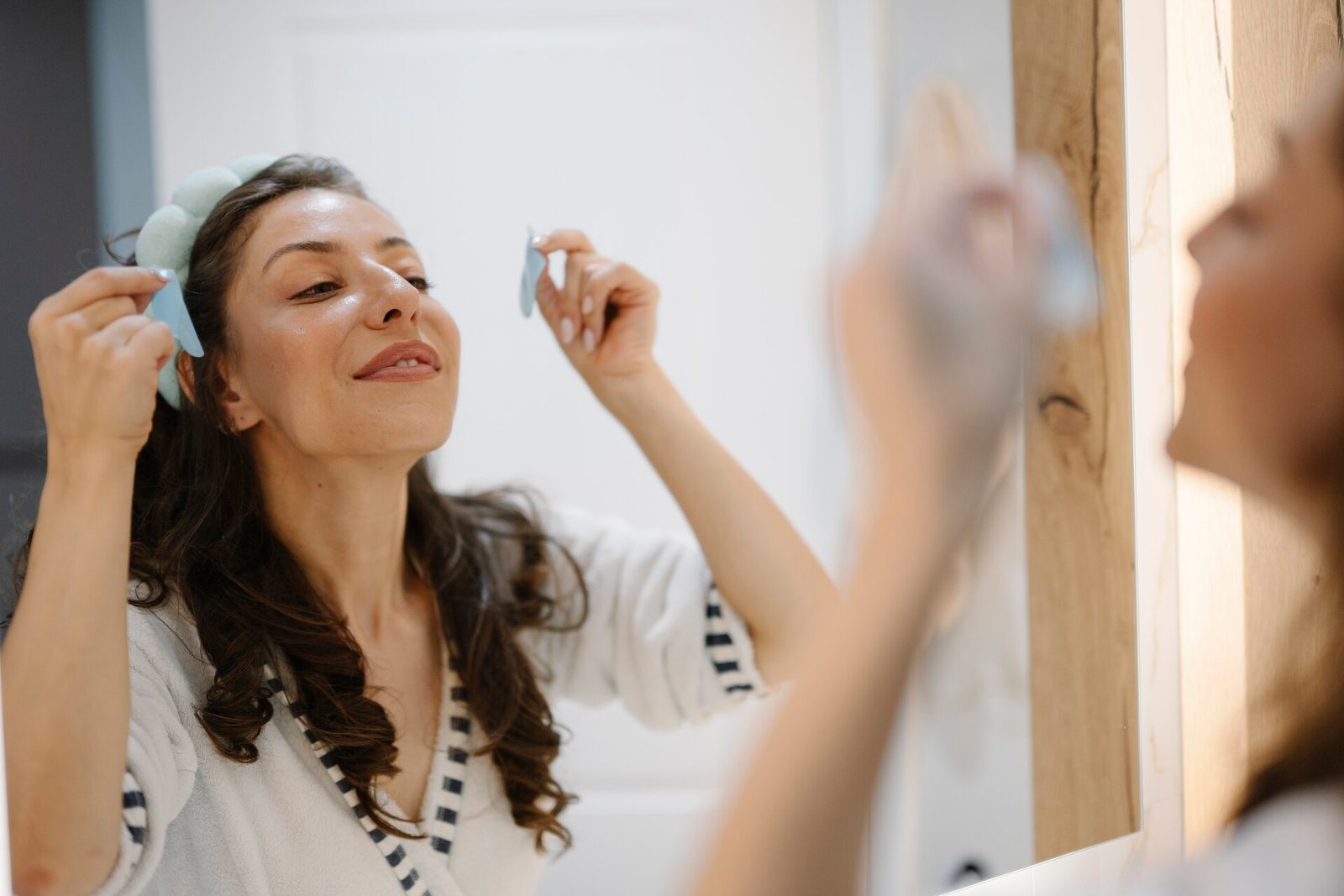
Applying moisturiser as part of a daily routine
Photo: Shixart1985, CC BY 2.0

Frequently asked questions

How long should I wait between skin care steps?

For most products, a minute or so is enough. Some prescription treatments come with specific timing instructions, so follow those.

Do I need toner?

Not necessarily. Modern toners are optional hydrating or exfoliating steps. Cleanser, moisturiser and sunscreen are the essentials.

Should my routine change in summer and winter?

Many UAE residents use lighter textures in the humid summer and richer creams in winter, when dry indoor air and cooler nights increase dryness. Sunscreen stays all year.

When will I see results from a new routine?

Hydration improves within days. Changes in tone, texture and breakouts usually take eight to twelve weeks of consistent use.

Sources: American Academy of Dermatology, British Association of Dermatologists, NHS

Cover photo: Facecreamband, CC BY-SA 3.0. Last reviewed: 2026-11-25. General information only, not medical advice. Please consult a licensed practitioner in the UAE about your own situation.

Can I Wash My Face After a HydraFacial? Aftercare Timeline

Yes, you can wash your face after a HydraFacial, but most clinics suggest waiting until the evening or at least several hours so the serums have time to absorb, then using only lukewarm water and a gentle, fragrance free cleanser. Avoid scrubs, cleansing brushes, acids and retinoids for a day or two.

Why clinics suggest waiting a few hours

The last stage of a HydraFacial infuses hydrating and antioxidant serums into freshly cleansed skin. Washing straight away removes some of that layer before it has settled. There is no strict medical rule about the exact number of hours, so follow your clinic’s instructions; many simply advise not washing until the evening or the next morning.

If you must cleanse sooner, for example after sweating heavily on a hot day in Dubai, a gentle rinse with lukewarm water is better than leaving sweat and dust on the skin.

Woman rinsing her face with water

How to wash your face after the treatment

  1. Use lukewarm water, not hot, since skin may be slightly more sensitive.
  2. Choose a mild, fragrance free cleanser with no exfoliating acids or beads.
  3. Use clean fingertips rather than a brush, sponge or cloth.
  4. Massage gently for about thirty seconds, then rinse thoroughly.
  5. Pat dry with a clean, soft towel. Do not rub.
  6. Apply a simple moisturiser, and sunscreen if it is daytime.

Aftercare timeline

Time after treatmentCleansingProductsOther advice
First few hoursAvoid washing if possibleLeave the serums onNo heavy makeup
Evening of treatment dayGentle cleanse with lukewarm waterLight moisturiserSkip workouts, saunas and steam
Next 24 to 48 hoursGentle cleanser twice dailyMoisturiser and sunscreenNo retinoids, acids or scrubs
After 48 to 72 hoursBack to your usual cleanserReintroduce actives graduallyWatch for any irritation

This is general guidance. Your practitioner may give slightly different timings based on the boosters and solutions used.

Products to pause for a couple of days

  • Retinol and other retinoids
  • Glycolic, lactic, salicylic and other exfoliating acids
  • Physical scrubs and cleansing brushes
  • Strong vitamin C serums if your skin feels sensitive
  • Products with fragrance or alcohol that sting

Makeup after a HydraFacial

Most clinics suggest waiting until the next day to wear full makeup. Your pores have just been cleared, and fresh skin can be more reactive. If you need makeup the same day, use a light layer, clean brushes or sponges and products you already know suit your skin. Mineral makeup is a common choice.

Wedding week timing

If you are a bride, schedule your HydraFacial so you have at least a few days between treatment and wedding makeup. Our pre-wedding beauty timeline shows a sensible order, and you can let your artist know the date through the makeup artist booking checklist.

Sun, heat and sweat

UV exposure in the UAE is high for most of the year. After a HydraFacial, apply a broad spectrum sunscreen before going outside, wear a hat if you will be in the sun and try to avoid long periods outdoors in the middle of the day. Intense exercise, hot yoga, saunas and steam rooms can make the skin flushed and irritated, so leave them for about a day.

What is normal after washing

  • Mild pinkness for a few hours
  • Skin feeling softer, smoother and slightly tight
  • Occasional small breakouts in the following days, which some people get as pores clear
Washing the face gently with water
Photo: Eric Kilby from Somerville, MA, USA, CC BY-SA 2.0

What is not normal

Stop using any product and contact your clinic or a doctor if you notice:

  • Burning or stinging that continues after rinsing
  • Swelling of the face, lips or eyes
  • Hives, blistering or a spreading rash
  • Pain that gets worse rather than better
  • Any breathing difficulty, which needs emergency care

Gentle, lukewarm and fragrance free: that is the rule for the first wash after a HydraFacial.

Common aftercare mistakes

  • Scrubbing to remove the serum feel. Some people dislike the slightly tacky finish and wash it off with a scrub. Leave it, or rinse gently with water if it really bothers you.
  • Booking threading or waxing the same day. Hair removal on freshly treated skin can cause irritation. Leave a few days between them.
  • Jumping straight back into retinol. Even if your skin feels fine, wait the time your clinic suggests.
  • Forgetting the neck. If your treatment included the neck, apply the same gentle aftercare there.
  • Using an old, unwashed towel or pillowcase. Fresh fabric helps reduce the chance of breakouts in the days after.

Who should take extra care

If you have sensitive skin, rosacea, eczema or are using prescription skin treatments, ask your practitioner for specific aftercare instructions. Pregnant or breastfeeding clients should have checked with their doctor before the treatment and should continue to follow both the clinic’s and the doctor’s advice afterwards.

Building the next steps into your routine

After a couple of days you can return to your normal routine. Reintroduce actives one at a time, starting with the gentlest. If you used a retinoid before, start on alternate nights for the first week. Keep sunscreen daily to protect the results, which typically last for days to a couple of weeks depending on your skin and routine.

How long after a HydraFacial can I wash my face?

Many clinics suggest waiting until the evening or the next morning. Follow your practitioner’s instructions.

Can I use my regular cleanser after HydraFacial?

If it is gentle and fragrance free, yes. Avoid cleansers with acids, scrubs or strong active ingredients for a couple of days.

Can I shower after a HydraFacial?

Yes, but keep the water lukewarm and avoid letting hot water run directly on your face for a long time.

Is it okay to sweat after a HydraFacial?

Light sweating is unavoidable in UAE weather, but skip intense workouts for about a day. Rinse gently if you sweat heavily.

Sources: HydraFacial official site, American Academy of Dermatology, Dubai Health Authority

Last reviewed: 2026-11-25. General information only, not medical advice. Please consult a licensed practitioner in the UAE about your own situation.

Fall Bridal Makeup: Autumn Colours for Early Wedding Season in the UAE

Fall bridal makeup is built on warm, earthy colours: bronze, copper, terracotta, burnt orange, olive and deep burgundy, with skin that looks warm and healthy rather than pale. In the UAE, autumn is also the start of the main wedding season, when evenings cool down but days can still be hot and humid, so the look needs the staying power of summer makeup with the richer palette of autumn.

Autumn in the UAE is not autumn elsewhere

In much of the world, fall weddings mean cool weather and changing leaves. In the UAE, September and October can still be very warm, and November often brings pleasant evenings with warm afternoons. That affects your makeup in practical ways:

  • Long-wear, heat-resistant products are still essential, especially in September and October
  • Outdoor ceremonies may be scheduled closer to sunset, under warm golden light
  • Indoor venues still run strong air conditioning, which can dry the skin
  • Humidity can be high on the coast

The colours can be autumnal, but the technique should still be warm-weather proof. For the cooler months of December to March, see our guide to winter bridal makeup.

Autumn leaves in warm earthy tones

The autumn colour palette

FeatureAutumn shadesWorks well with
EyesBronze, copper, rust, olive, chocolate, goldGreen, hazel and brown eyes; also striking with blue
CheeksTerracotta, warm peach, soft brickMost skin tones, adjusted for depth
LipsBurgundy, brick red, terracotta, rosewood, warm nudeIvory gowns, gold and rich jewel-tone outfits
HighlightGold, bronze, warm champagneGolden hour photos

Autumn colours tend to flatter warm and olive skin tones particularly well, which suits many brides in the region. On cool-toned skin, choose plum-browns, rosewood and soft burgundy rather than very orange shades.

Building an autumn bridal look

Base

Hydrated skin, long-wear foundation in a satin finish, and a warm bronzer swept lightly across the forehead and cheekbones. Set the T-zone with fine powder.

Eyes

A warm brown or soft copper in the crease, bronze or gold shimmer on the lid, and a deeper chocolate or burgundy at the outer corner. Smudge a little of the same shade under the lower lashes. Use brown or black waterproof liner and full lashes.

Cheeks

Terracotta or warm peach blush, blended into the bronzer for a sun-warmed effect.

Lips

Line with a warm liner, then choose from brick red, burgundy, rosewood or a terracotta nude. A deeper lip with softer eyes, or softer lips with a bronzed smoky eye, both balance well.

Golden hour glow

Many autumn ceremonies in the UAE are timed around sunset. Warm golden light flatters bronze and copper shades, but it can make highlight look stronger. Keep highlight subtle and focused on the top of the cheekbones.

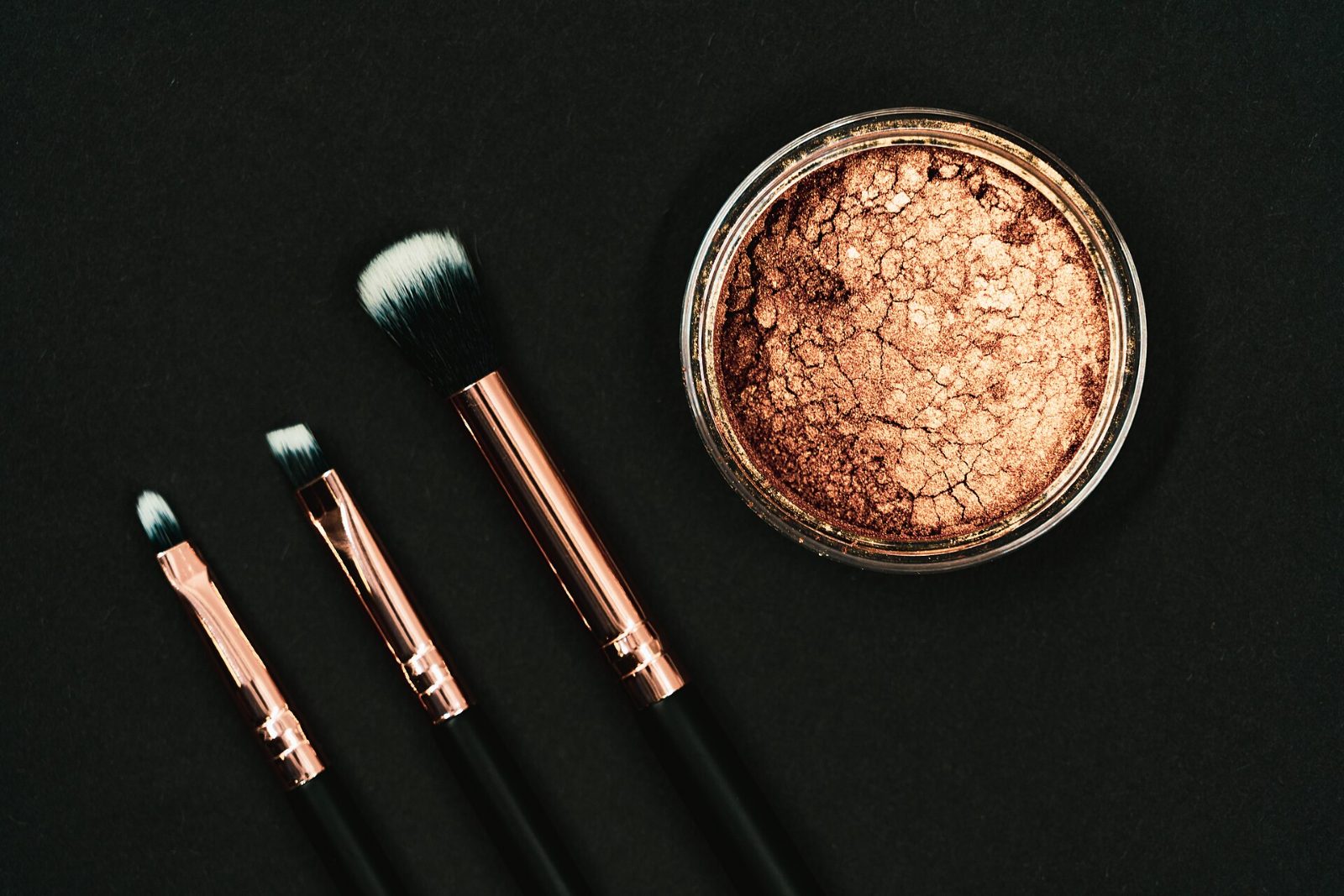
Bronzer and brush for a warm glow
Photo: geehairimages, CC BY 2.0

Keeping autumn makeup in place

Early in the season, heat is still the main challenge:

  • Use a mattifying primer in oily areas and a hydrating primer where skin is dry
  • Choose waterproof mascara and long-wear liner
  • Apply eyeshadow over a primer and set it with a translucent powder
  • Use a setting spray to melt layers together
  • Blot rather than re-powder during the day

Our Makeup Artist Booking Checklist suggests asking your artist how they adapt products for the expected temperature at your venue.

Coordinating with outfits and decor

Autumn palettes pair beautifully with:

  • Ivory or champagne gowns with gold embroidery
  • Burgundy, rust or emerald outfits for henna nights or receptions
  • Rich floral decor in deep reds, oranges and greens

Share photos of your outfits and venue decor with your artist. If your reception outfit is a deep jewel tone, a slightly stronger eye or lip can tie the look together.

Skin prep after a hot summer

Summer in the UAE can leave skin dehydrated, sun-damaged or uneven by early autumn. Starting a gentle routine a few months before the wedding helps:

  • Gentle cleansing and consistent moisturising
  • Daily broad-spectrum sunscreen
  • Gentle exfoliation as tolerated, never right before the wedding
  • Professional facials scheduled with time to settle

Use our Pre-Wedding Beauty Timeline to plan treatments. If summer sun has caused new pigmentation, see a licensed dermatologist in the UAE early rather than trying strong products at home.

Patch test warm-toned products

Some deeply pigmented eyeshadows, particularly reds and oranges, can contain colourants that irritate sensitive eyes. Patch test these before your trial if you have sensitive eyes, and remove any product that causes redness, itching or swelling. Seek advice from a licensed optometrist or doctor if irritation continues.

Adjusting autumn colours by skin tone

  • Fair skin: soft copper, rosewood, peachy terracotta, light bronze
  • Medium and olive skin: rich bronze, rust, warm brick, olive accents
  • Deep skin: deep copper, burnt orange, chocolate, wine and gold

A good artist will mix shades to suit your undertone, so the palette feels natural rather than costume-like.

Autumn looks for each event

If your celebrations stretch across several days, the autumn palette offers easy variations. A daytime henna gathering suits a lighter copper eye with a terracotta lip, the main ceremony might use bronze and gold with a rosewood lip, and the evening reception can deepen into burgundy with a smoky chocolate eye. Keeping the same warm base and bronzer across all three makes the photos feel connected while each event still has its own look.

In the UAE, autumn bridal makeup means autumn colours with summer-proof technique.

Frequently asked questions

What lipstick colours suit a fall wedding?

Burgundy, brick red, rosewood, terracotta and warm nudes are classic autumn choices. Pick one that suits your skin tone and outfit.

Is autumn makeup too dark for a daytime wedding?

Not if it is softened. For daytime, keep eyes in bronze and soft copper, and choose a terracotta or rosewood lip instead of a deep burgundy.

How do I stop makeup melting at an October wedding in Dubai?

Use long-wear products, set the T-zone, choose waterproof eye products and finish with setting spray. Blot during the day and keep touch-up products nearby.

Do autumn colours suit blue eyes?

Yes. Copper, bronze and warm browns contrast with blue eyes and make them look brighter.

Sources: American Academy of Dermatology, NHS: Sunscreen and sun safety, National Centre of Meteorology UAE

Last reviewed: 2026-11-26. General information only, not medical advice. Please consult a licensed practitioner in the UAE about your own situation.

Chemical Peel Before a Wedding: Which Peel, How Far Ahead and What to Avoid

A chemical peel can brighten skin and soften uneven tone before a wedding, but only light peels belong in the final months, and the last one should usually be at least two weeks before the date. Medium and deep peels involve longer recovery and higher risk, so they are best done many months ahead, or after the wedding, and only under a licensed doctor’s care.

What a chemical peel does

A chemical peel applies an acid or another exfoliating solution to the skin to remove the outer layers in a controlled way. As the skin renews, it can look smoother and more even. Peels are used for dullness, uneven texture, some types of pigmentation and mild acne marks.

Peels are usually grouped by depth:

Peel depthCommon agentsTypical downtimeFit for a wedding timeline
Superficial (light)Glycolic, lactic, mandelic, salicylic acidsMild redness or light flaking for a few daysCan be part of a series in the months before
MediumStronger acids such as TCA in medical settingsPeeling and redness for around a week or moreOnly many months ahead, under a doctor
DeepPhenol-based or high-strength peelsWeeks of recoveryNot suitable in the run-up to a wedding

Recovery varies from person to person. Your doctor or licensed skin therapist will explain what to expect for the specific peel they suggest.

Skin treatment in a beauty clinic
Photo: Tadeáš Bednarz, CC BY-SA 4.0

A safe planning window

Example plan for light peels

  • 4 to 6 months before: skin consultation, choose a peel and a series plan
  • 3 to 4 months before: first light peel, ideally after a patch test
  • Every few weeks after that: repeat sessions only if your skin tolerates them well
  • At least 2 weeks before the wedding: final light peel at the latest
  • Final 2 weeks: no peels, no new actives, gentle routine only

If you have never had a peel, start early. A first peel shows how your skin responds; some people get more redness or flaking than expected. Our Pre-Wedding Beauty Timeline shows how peels fit with facials, Hydrafacials and the makeup trial.

The pigmentation question in the UAE

Strong sun exposure and warmer skin tones both increase the risk of post-inflammatory hyperpigmentation, which is darkening of the skin after irritation or injury. A peel that is too strong, done too often, or followed by sun exposure can leave dark patches that take months to fade, which is the opposite of what you want before a wedding.

To reduce the risk:

  • Choose a practitioner experienced with your skin tone
  • Start with a gentle peel and build up only if needed
  • Use broad-spectrum sunscreen every day and reapply when outdoors
  • Avoid beach days, desert trips and long outdoor sessions after a peel
  • Do not pick or peel flaking skin

Before and after a peel

Before

Your practitioner may advise stopping retinoids, exfoliating acids, scrubs and waxing on the face for several days before treatment. Tell them about all medicines you use, including acne treatments, and any history of cold sores.

After

Expect some tightness, redness or flaking depending on the peel. General aftercare often includes a gentle cleanser, a plain moisturiser and strict sun protection. Avoid makeup for the time your practitioner advises, as well as saunas, steam rooms, swimming and heavy exercise in the first days.

Who should avoid peels or speak to a doctor first

  • Pregnant or breastfeeding women, as some peeling agents are not recommended
  • People who have used isotretinoin recently
  • People with active eczema, rosacea flares, open wounds, sunburn or infection on the face
  • People prone to cold sores, who may need preventive treatment first
  • People prone to keloid scarring or significant pigmentation after injury
  • Anyone with very sensitive skin or recent waxing, threading or laser on the area
Sunscreen to protect skin after a peel

How peels affect your makeup trial

Try to schedule your makeup trial when your skin has fully recovered from the most recent peel, not in the days of flaking that follow it. Freshly peeled skin can be more sensitive to primers, long-wear foundations and setting sprays, and dry flakes make any base look patchy. If you have a peel planned shortly before the trial, tell your makeup artist, and consider moving one or the other by a week. On the wedding day itself, a gentle prep of hydrating serum and moisturiser gives the base a smooth surface. Skip exfoliating toners and scrubs that morning, even if your skin feels dull.

Red flags after a peel

Contact your practitioner or a licensed doctor in the UAE if you have blistering, oozing, severe pain, swelling, signs of infection such as pus or fever, or if dark or light patches appear and do not fade. Do not try to treat these with makeup or home remedies.

Peels versus other pre-wedding treatments

Peels are one of several ways to improve skin before the wedding. A Hydrafacial, for example, combines cleansing, exfoliation and hydration and is often chosen closer to the date because there is usually little visible downtime. A gentle enzyme facial is another lower-risk option for brightness. Your skin professional can help you choose one approach rather than layering too many treatments.

The best peel before a wedding is a light one you have already tried, done early enough that your skin has fully recovered by the trial.

Choosing where to have it done

Medium and deep peels are medical procedures and should be carried out by a doctor licensed by DHA, DOH or MOHAP in a licensed facility. Light peels are offered in many clinics and some licensed beauty centres; ask about the practitioner’s training, the exact product and strength, and what they do if your skin reacts. If you are unsure, start with a dermatology consultation.

Frequently asked questions

How close to the wedding can I have a chemical peel?

For a light peel you have had before, two weeks is usually the minimum. For a first peel or anything stronger, allow much more time, often several months.

Will a chemical peel remove melasma before my wedding?

Melasma is complex and can worsen with irritation, heat and sun. Some peels may be part of a treatment plan, but this needs a dermatologist’s assessment and time.

Can I wear makeup after a chemical peel?

Usually not straight away. Many practitioners suggest waiting until the skin has calmed, often a day or more after a light peel. Follow the advice you were given.

Is a peel better than a Hydrafacial before a wedding?

They do different things. A light peel targets texture and tone; a Hydrafacial focuses on cleansing and hydration with little downtime. Your skin goals and timeline decide which suits you.

Sources: American Academy of Dermatology: Chemical peels, NHS: Chemical peels, Dubai Health Authority

Cover photo: Momokoiwama, CC BY-SA 4.0. Last reviewed: 2026-11-26. General information only, not medical advice. Please consult a licensed practitioner in the UAE about your own situation.