Lip Filler Before a Wedding: Should You, and When?

If you are considering lip filler for your wedding, plan the first treatment at least two to three months before the date, and never in the final four weeks. That allows time for swelling and bruising to settle, for a review appointment, and for any adjustment or correction long before the photos. If you have never had filler, the wedding is a high-stakes moment to try it for the first time, so think carefully about whether you want it at all.

Start with the why

A wedding is a common reason to consider cosmetic treatments, and it is also a time when stress and social pressure are high. Before booking, it helps to ask yourself a few honest questions:

  • Is this something I have wanted for a while, or is it a response to wedding pressure?
  • Would I be happy with my lips in my photos without filler?
  • Could makeup, such as liner and gloss, give me the look I want for the day?
  • Am I comfortable with the possibility of bruising, swelling or a result I do not like?

There is no right answer. But if the main motivation is to look different in the photos, remember that you will want to recognise yourself in them years from now.
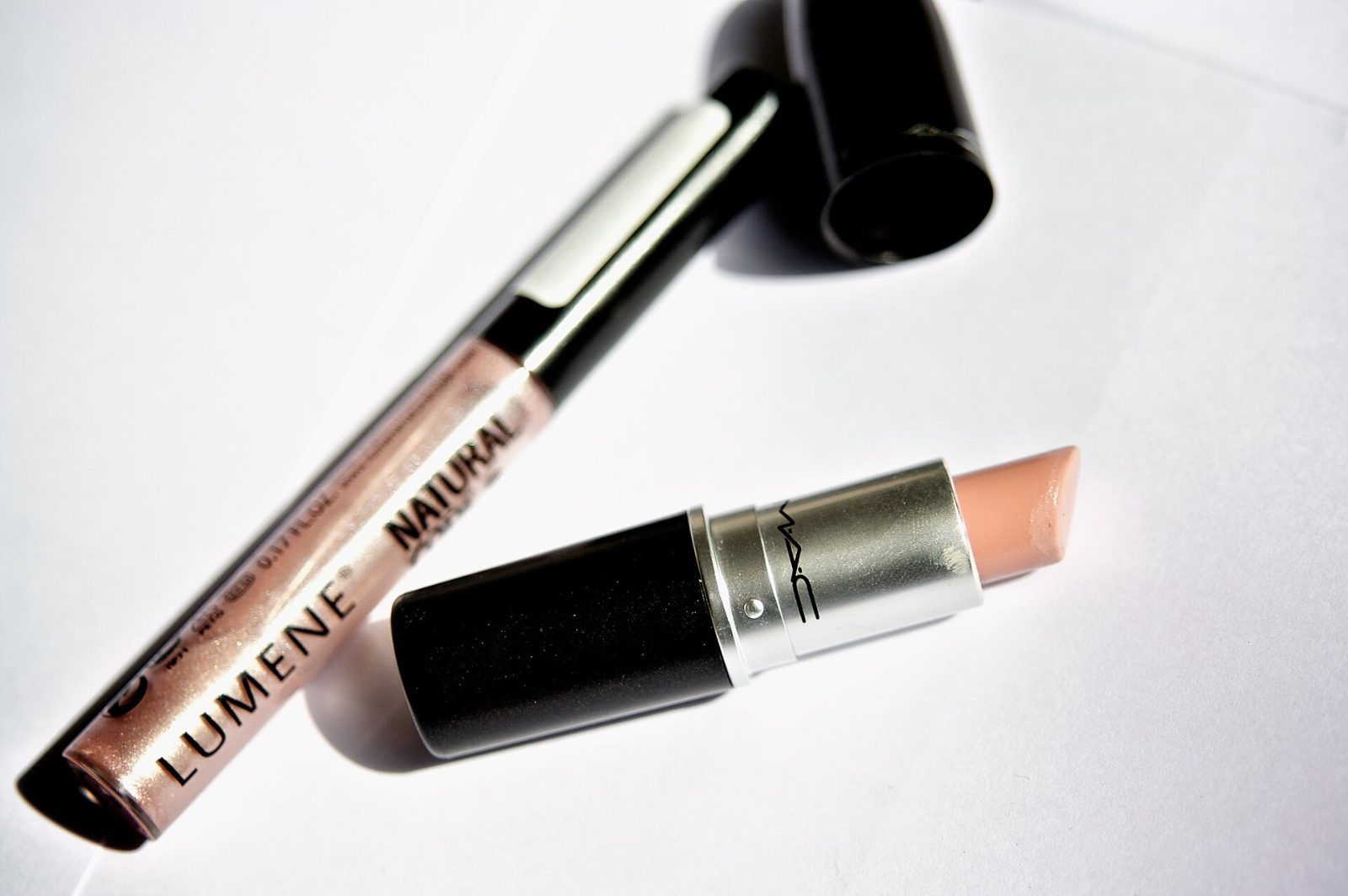
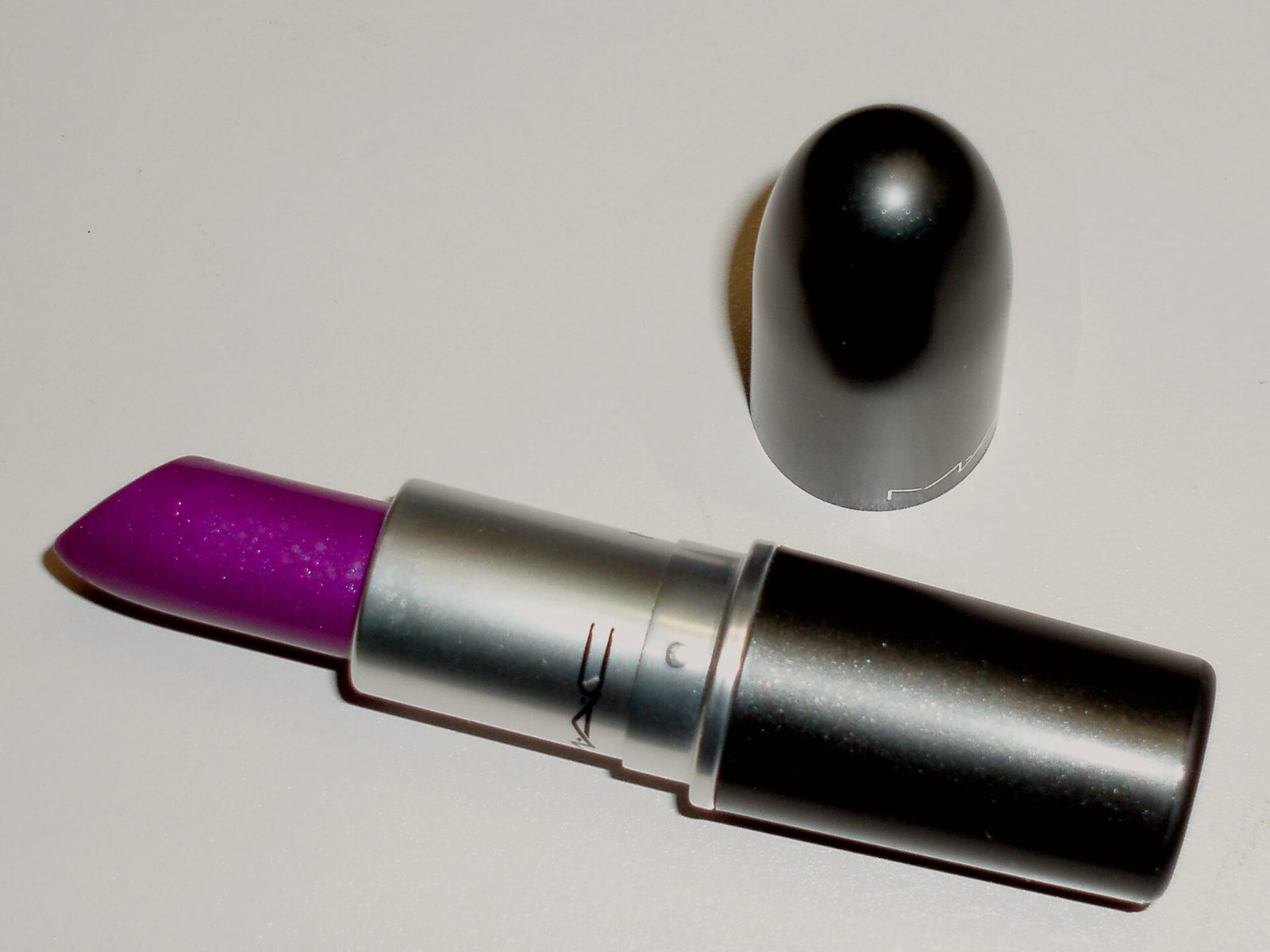
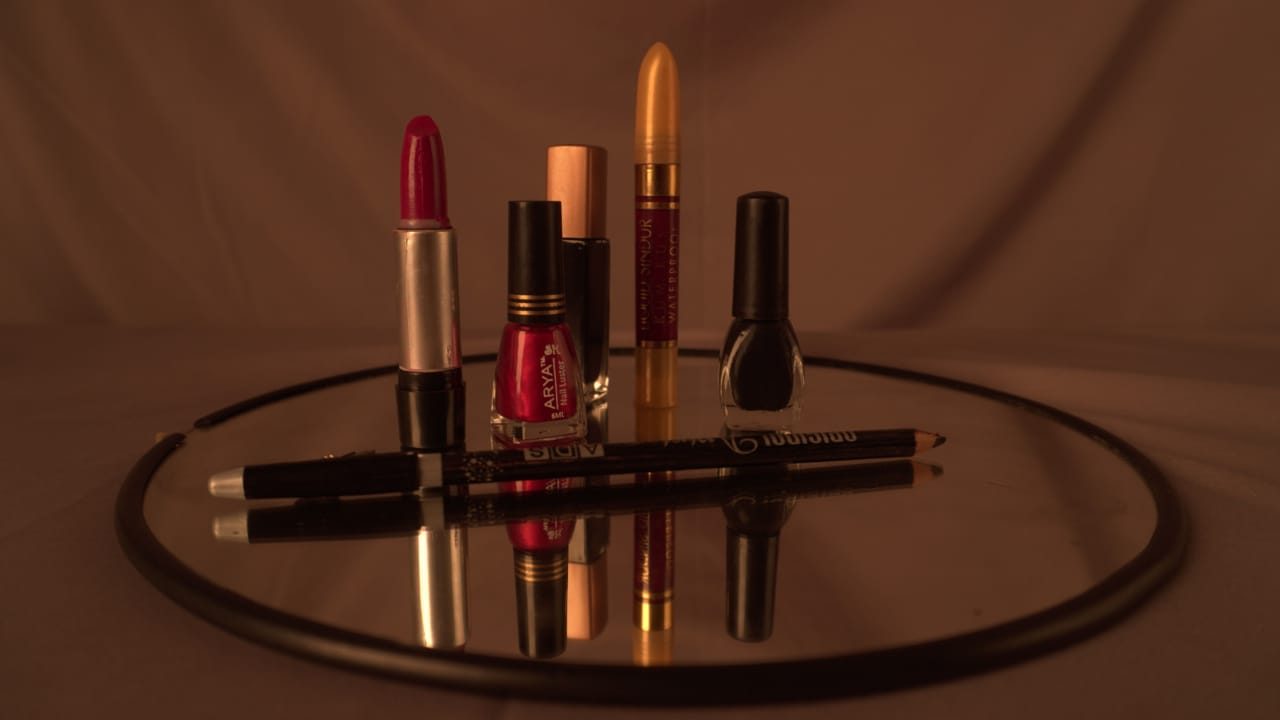
Lipstick and lip liner for a defined lip
Photo: Maria Morri, CC BY-SA 2.0

Safe timing for brides

A wedding-friendly plan

  • 4 to 6 months before: consultation with a licensed doctor; discuss goals and medical history
  • 3 months before: first, conservative treatment if you decide to go ahead
  • About 2 weeks after treatment: review appointment, once swelling has settled
  • 6 to 8 weeks before the wedding: any small top-up, only if needed
  • Final 4 weeks: no new injectables

Filler typically takes a few weeks to settle fully. For a detailed breakdown of what happens in those weeks, see our guide on how long lip filler takes to settle. Add your treatment dates to the Pre-Wedding Beauty Timeline so they fit around other events such as your engagement party or henna night.

Why the final month is off-limits

RiskWhy it matters close to the wedding
SwellingCan make lips look larger or uneven for days
BruisingMay need heavy concealer or may still show in close-ups
LumpsOften settle in weeks, not days
Cold sore flare-upsLip injections can trigger them in people prone to cold sores
A result you do not likeDissolving and re-treating takes time
Rare complicationsNeed urgent medical care and time to recover

Choosing a doctor in the UAE

Lip filler is a medical procedure. In the UAE, injectables should be performed by a doctor licensed by DHA in Dubai, DOH in Abu Dhabi or MOHAP in the other emirates, in a licensed medical facility. You can usually check a practitioner’s licence on the relevant authority’s website.

At the consultation, a good doctor will:

  • Ask about your medical history, medicines, allergies and previous treatments
  • Explain the product, how long it typically lasts and the risks
  • Discuss your goals and may suggest a more conservative result
  • Explain what they would do in case of a complication, including dissolving the filler if necessary
  • Not pressure you into extra areas or larger amounts

If the clinic is offering a wedding package with several areas at once on a short timeline, take extra time to think it over.

Who should not have filler before the wedding

  • Pregnant or breastfeeding women, or those trying to conceive soon, should discuss timing with their doctor first; many doctors advise postponing
  • People with active cold sores or infection on or near the lips
  • People with known allergy to the filler or local anaesthetic
  • People with bleeding disorders or on blood-thinning medicine, unless their doctor agrees
  • Anyone with significant anxiety about appearance or body image, who may benefit from talking to a professional first

Planning around makeup and photos

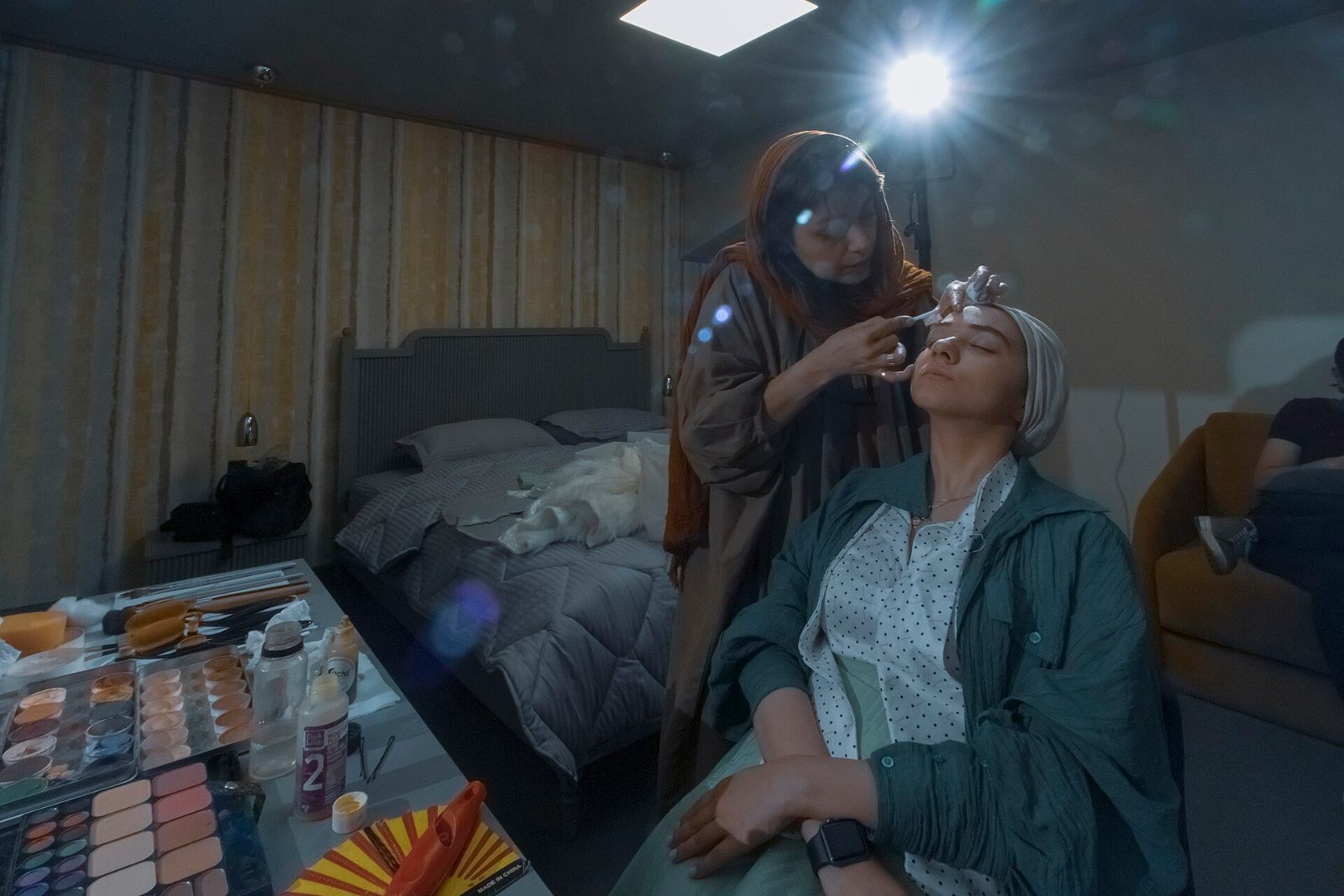
Tell your makeup artist if you have had filler and when. Lip liner around filler should follow the natural border so the lip does not look overdrawn in close-up photos. Long-wear lip products can feel drying on recently treated lips, so test them at the trial. Our Makeup Artist Booking Checklist includes notes to share with your artist.
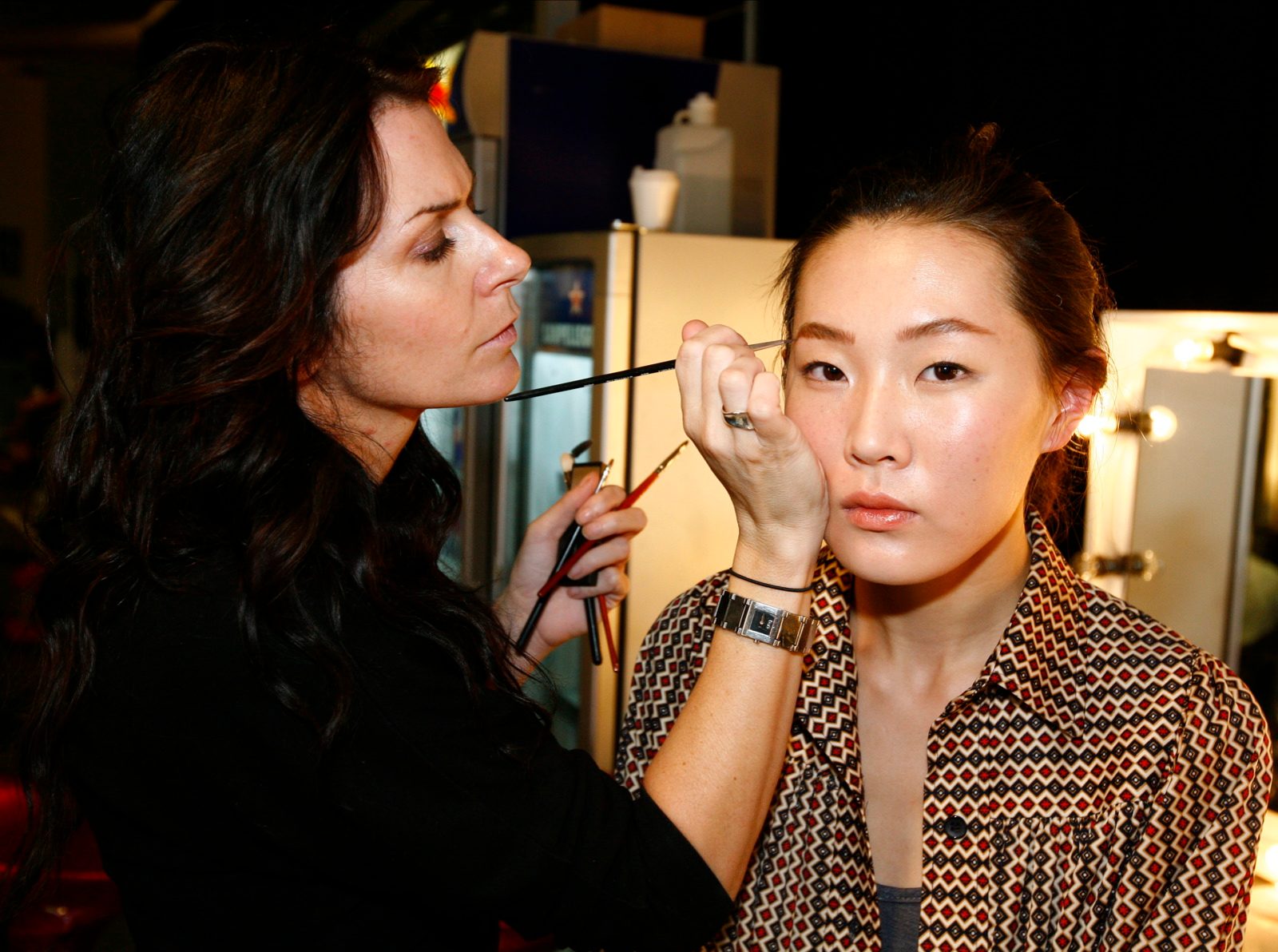
Makeup artist applying lip colour
Photo: Charlie Brewer from Sydney, Australia, CC BY-SA 2.0

Alternatives that need no recovery time

If you want fuller-looking lips without injections, several makeup techniques help:

  • Lip liner a shade close to your lip colour, traced just on the natural border
  • A lighter or shimmery shade in the centre of the lower lip to catch the light
  • Gloss on top of lipstick for a fuller effect
  • Highlighter a touch on the cupid’s bow
  • Lip care in the weeks before: gentle exfoliation and a good balm for smooth lips

These can be tested and adjusted at the trial with no risk to your face on the day.

If filler is new to you, the wedding is not the moment for a first experiment. Give yourself months, not weeks.

Red flags after treatment

Seek urgent medical advice if you notice severe or increasing pain, skin turning white, grey or dusky near the lips, blistering, vision changes, fever or swelling of the face or throat. Contact the treating doctor immediately and, in an emergency, call 999 or go to the nearest emergency department.

After the wedding

Filler gradually breaks down over months. If you decide you do not want to keep it, hyaluronic acid filler can usually be dissolved by a doctor. If you do want to maintain it, there is no need to plan top-ups around your honeymoon; it is often better to wait until you are home and can attend a review.

Frequently asked questions

Is two weeks before the wedding enough for lip filler?

It is cutting it fine. Swelling may have settled for many people, but there is little time left for a review or corrections. Most doctors and planners suggest at least a month, preferably more.

Can I have a top-up instead of a full treatment?

If you already have filler, a small top-up six to eight weeks before the wedding is a common approach. Discuss it with the doctor who knows your lips.

Can I get lip filler and Botox on the same day?

Some doctors do treat several areas in one session, but each adds a risk of swelling or bruising. Discuss timing and spacing with your doctor.

Will filler make my lipstick look different?

Lips that are fuller or more defined can change how a lipstick shade and liner look. Test your wedding lipstick after the filler has settled, ideally at your trial.

Sources: American Academy of Dermatology, NHS: Cosmetic procedures, Dubai Health Authority

Cover photo: Arienne McCracken, CC BY-SA 2.0. Last reviewed: 2026-11-26. General information only, not medical advice. Please consult a licensed practitioner in the UAE about your own situation.

Retinol Before Your Wedding: When to Start, When to Pause and What to Avoid

If you want to use retinol before your wedding, start at least three to six months ahead, because skin often goes through an adjustment phase of dryness and flaking in the first weeks. Use it at night, wear sunscreen daily, and plan short pauses before waxing, peels and possibly your makeup trial and wedding day. Do not start retinol for the first time in the final month, and avoid retinoids if you are pregnant or trying to conceive unless your doctor advises otherwise.

What retinol does

Retinol is a form of vitamin A used in skin care. Retinoids as a group, which include over-the-counter retinol and prescription-strength options, speed up skin cell turnover. Over time, they can help with texture, fine lines, clogged pores and uneven tone. Prescription retinoids are also used to treat acne. Results take weeks to months, which is why timing matters so much before a wedding.

The adjustment phase

When you start a retinoid, skin often becomes dry, tight, flaky or slightly red for a few weeks. Some people also get a temporary increase in breakouts. This settles for many people as the skin adapts, but it is the last thing you want close to your wedding.

Timeframe before weddingWhat to do
6 months or moreIdeal time to start, slowly
3 to 6 monthsStill reasonable to start with a low strength
1 to 3 monthsOnly continue if already using it comfortably
Final monthDo not start; consider reducing frequency
Final weekMany people pause a few nights before makeup

Our pre-wedding beauty timeline shows how retinol fits with other skin steps.

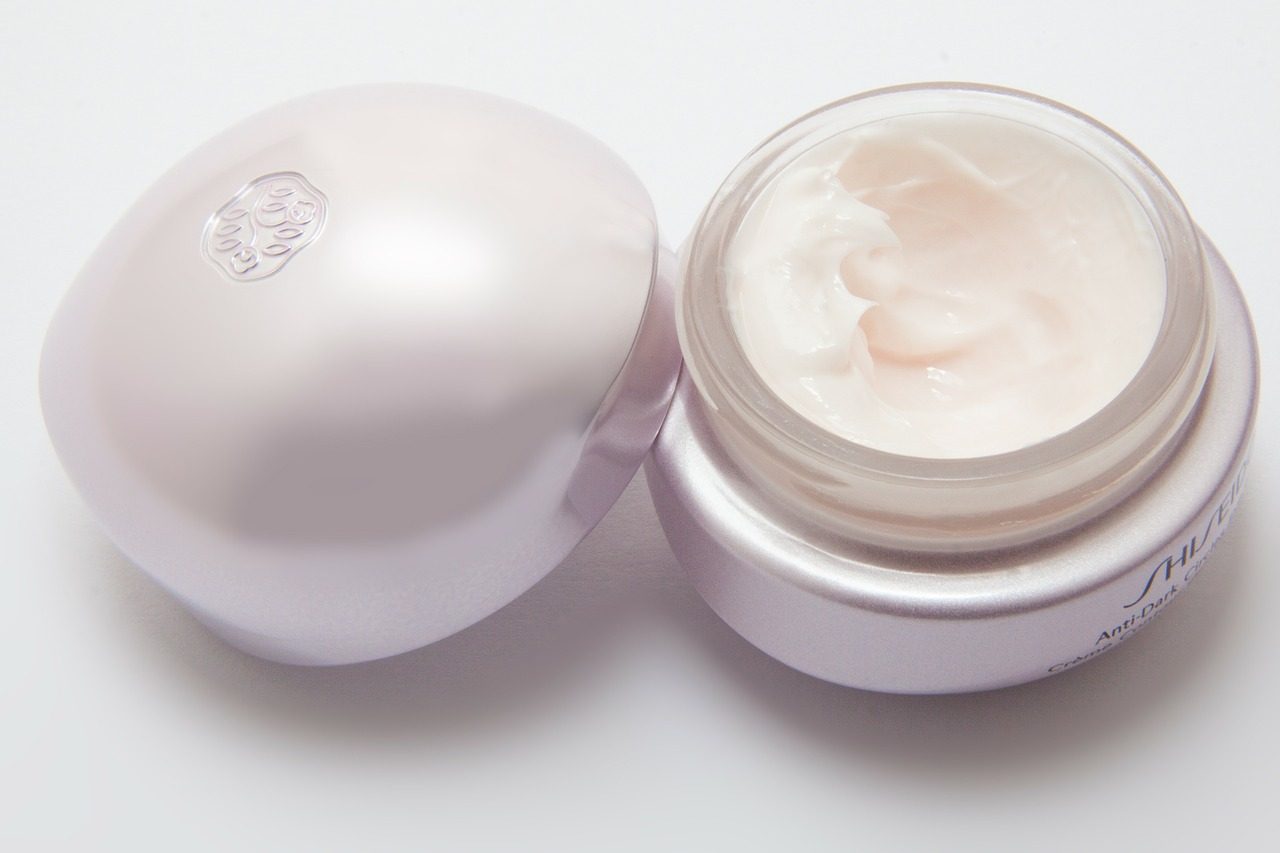
Night cream jar on a bathroom counter

How to start slowly

  1. Choose a low-strength retinol.
  2. Apply a pea-sized amount to clean, dry skin at night, two or three times a week.
  3. Avoid the corners of the nose, the lips and the skin right under the eyes at first.
  4. Follow with a simple moisturiser. Some people apply moisturiser first to buffer the retinol.
  5. Increase to every other night, then nightly, only if your skin is comfortable.
  6. Apply broad-spectrum sunscreen every morning.

Keep the rest of your routine simple

While your skin adjusts, avoid adding exfoliating acids, scrubs or other strong actives. A gentle cleanser, moisturiser and sunscreen are all you need around retinol.

Sun protection in the UAE

Retinoids can make skin more sensitive, and UAE sunshine is strong for most of the year. Wear sunscreen every day, reapply when outdoors, and use shade and hats where you can. This matters for comfort, and because sun exposure can undo the improvements you are working towards.

When to pause retinol

Retinoids thin the outermost layer of skin and make it more fragile. That affects other treatments:

  • Waxing: waxing over skin that has been using retinoids can lift or tear the skin. Many salons ask you to stop for several days before facial waxing. Ask yours for their guidance, and consider threading as an alternative.
  • Peels, microneedling and laser: your practitioner will tell you how long to stop beforehand.
  • Facials with exfoliation: tell your therapist you use retinol.
  • Makeup trial and wedding day: if retinol leaves you flaky, pausing for a few nights beforehand can give a smoother base. Discuss with your dermatologist.

Retinol is a long-term habit, not a last-minute fix.

Who should avoid or check first

Speak to a doctor before using retinoids if you

  • Are pregnant, breastfeeding or trying to conceive; retinoids are generally not recommended in pregnancy
  • Have eczema, rosacea or very sensitive skin
  • Are using other prescription acne or pigmentation treatments
  • Have recently taken oral isotretinoin
  • Have a sunburn, broken skin or active infection on the face

Stop and seek advice if you develop strong burning, swelling, blistering or a rash that does not settle. Mild dryness and flaking in the first weeks are common, but severe irritation is not. Seek urgent help for swelling of the lips or eyes.

Moisturiser used alongside retinol at night
Photo: Facecreamband, CC BY-SA 3.0

Retinol versus prescription retinoids

Prescription retinoids are stronger and are used for acne and other conditions. They should only be used under the guidance of a doctor, who can explain the right strength and schedule. If acne is your main concern before the wedding, see a dermatologist early instead of experimenting with strong products on your own.

Caring for skin during the adjustment phase

Dryness and flaking during the first weeks are easier to manage with a few simple habits. Use a mild, non-foaming cleanser and lukewarm water rather than hot. Pat your face dry instead of rubbing. Apply a fragrance-free moisturiser morning and night, and consider a richer cream at night if your skin feels tight, especially in rooms with strong air conditioning.

If flakes appear, resist the urge to scrub them off, because physical scrubs on retinoid-treated skin can cause irritation and redness. A gentle moisturiser and patience usually work better. You can also reduce how often you apply retinol for a week or two, then build back up.

Keep track of how your skin responds. A simple note on your phone with the nights you used retinol and how your skin felt the next day can help you find the frequency that suits you. Bring those notes to your dermatologist appointment if you need advice, since they give a much clearer picture than memory alone. Most people find a comfortable rhythm within a couple of months.

Telling your makeup artist

If you use retinol, tell your makeup artist at the trial. Skin may be more sensitive to exfoliating prep products and can show dry patches under foundation. Our makeup artist booking checklist includes a reminder to share your routine.

FAQ

Can I start retinol a month before my wedding?

It is safer not to. The adjustment phase can cause dryness, flaking and breakouts that may not settle in time.

Should I stop retinol before my wedding?

Many people pause for a few nights before makeup if their skin is flaky. Also pause before waxing or treatments as advised.

Is retinol safe during pregnancy?

Retinoids are generally not recommended during pregnancy. Speak to your doctor about alternatives.

Can I use retinol and vitamin C together?

Many people use vitamin C in the morning and retinol at night to reduce irritation.

Sources: American Academy of Dermatology; British Association of Dermatologists; NHS.

Last reviewed: 2026-11-25. General information only, not medical advice. Please consult a licensed practitioner in the UAE about your own situation.

How Long Does Lip Filler Take to Settle? A Week-by-Week Guide

Lip filler usually takes about two to four weeks to fully settle. Swelling is often most noticeable in the first two or three days, improves a lot within the first week, and the final shape and softness typically show by around the second to fourth week. Everyone heals differently, so your own doctor’s follow-up advice comes first.

Why lips swell after filler

Most lip fillers used today are based on hyaluronic acid, a substance that attracts and binds water. After injection, the lips react to the needle or cannula and to the product itself, which causes swelling and sometimes bruising. The filler also draws in some water as it integrates with the tissue. Lips have a rich blood supply and are very mobile, which is why they tend to swell more than other treated areas.

Close-up of lips after a cosmetic treatment

A typical settling timeline

Time after treatmentWhat many people noticeWhat it usually means
First 24 to 72 hoursPeak swelling, tenderness, possible bruising, lips may look unevenNormal early reaction
Days 4 to 7Swelling reduces, bruises fade, lips start to look more naturalSettling under way
Week 2Most swelling has gone; small firm areas may still be feltFiller integrating with tissue
Weeks 2 to 4Lips feel softer and the final shape showsUsual time to judge the result
After 4 weeksStable resultReview appointment if needed

These are general patterns, not guarantees. People who bruise easily, have a lot of product placed, or have their first treatment may take longer.

Why the review appointment matters

Many practitioners ask you to come back around two weeks after treatment. By then swelling has mostly settled, so it is easier to judge symmetry and decide whether any adjustment is needed. Judging the result in the first few days often leads to worry about unevenness that simply settles.

Day-by-day aftercare

Your practitioner will give you specific aftercare instructions, and these should always come first. Common general advice includes:

  • Apply a clean cold compress gently in short sessions during the first day to help with swelling
  • Avoid pressing, massaging or pinching the lips unless you are told to
  • Avoid strenuous exercise, saunas, steam rooms and very hot environments for the first day or two
  • Avoid alcohol for a short period, as it may increase swelling and bruising
  • Keep lipstick and lip products off the lips for the time your practitioner advises
  • Sleep with your head slightly raised the first night

In the UAE, it is worth avoiding long periods in direct midday heat in the first couple of days, as heat can make swelling worse.

Lumps, unevenness and bruising

Small lumps or firm areas are common in the first week or two and often soften as swelling goes down. Bruising may last a few days to around a week and can usually be covered with concealer once the skin is healed and your practitioner says makeup is fine.

Persistent lumps, visible bumps, a bluish tinge under the skin, or asymmetry that remains after a few weeks should be reviewed by the doctor who treated you. Hyaluronic acid fillers can be dissolved by a doctor with an enzyme called hyaluronidase if needed, which is one reason many people choose them.

Cold compress for reducing swelling

Red flags: get help straight away

Seek urgent medical advice if you notice

  • Severe or increasing pain, especially out of proportion to what you expected
  • Skin that turns white, grey, dusky blue or mottled near the treated area
  • Blisters or scabs forming on or around the lips in the days after treatment
  • Any change in vision, eye pain or drooping
  • Fever, spreading redness, warmth or pus, which can signal infection
  • Swelling of the face, tongue or throat, or difficulty breathing

Some of these, particularly colour change and pain, can be signs of a blocked blood vessel, which is a medical emergency. Contact your treating doctor immediately and, if you cannot reach them, go to an emergency department or call 999 in the UAE.

Who should not have lip filler, or should wait

  • Pregnant or breastfeeding women
  • People with active cold sores, infection or inflammation near the lips (those prone to cold sores may need preventive treatment first)
  • People with known allergies to filler ingredients or lidocaine
  • People with certain autoimmune conditions, bleeding disorders or on blood thinners, unless their doctor agrees
  • Anyone feeling pressured into treatment

What affects how fast lips settle

Several factors can make the settling period shorter or longer:

  • Amount of product: more filler in one session usually means more swelling
  • First treatment or repeat: first-time lips often swell more than lips that have been treated before
  • Technique: needle or cannula, and where the product is placed, both play a role
  • Your own tendency to bruise: some medicines and supplements that affect bleeding can increase bruising, so tell your doctor about everything you take, and never stop a prescribed medicine without medical advice
  • Activity and heat: exercise, hot showers and time in the sun in the first days can prolong swelling

Many practitioners prefer a conservative first session, with a review after the lips settle, rather than placing a large amount at once. This approach also makes it easier to stop at a look you like.

Choosing where to have it done

In the UAE, injectable treatments such as fillers should be carried out by a doctor licensed by the relevant authority, DHA, DOH or MOHAP, in a licensed medical facility. Ask which product will be used, check that it comes from a sealed package, and ask what the clinic does if there is a complication.

If you are planning filler around a special event, read our guide on lip filler before a wedding and use the Pre-Wedding Beauty Timeline to plan when treatment should happen.

Wait at least two weeks before you judge your result. Early swelling is not the final shape.

Frequently asked questions

When can I wear lipstick after lip filler?

Practitioners often advise avoiding lip products for at least the first day, and longer if there are puncture marks. Follow the advice you were given.

Why do my lips look uneven the day after filler?

Swelling is rarely symmetrical. One side may swell more than the other. Unevenness that remains after two to four weeks should be discussed with your doctor.

How long does lip filler last?

It depends on the product, the amount and how your body breaks it down. Many people find results last several months to around a year, but this varies widely.

Can I fly after lip filler?

Many people do, but it may be better to wait a day or two. Ask your doctor, especially if you are travelling soon after treatment.

Sources: American Academy of Dermatology, NHS: Cosmetic fillers, Dubai Health Authority

Last reviewed: 2026-11-26. General information only, not medical advice. Please consult a licensed practitioner in the UAE about your own situation.

Teeth Whitening Before a Wedding: Timing, Options and Safety in the UAE

If you want whiter teeth for your wedding, start with a dental check-up about three months before the date, then whiten under a licensed dentist’s guidance so you finish at least two to four weeks ahead. That leaves time for any sensitivity to settle and for the shade to stabilise before photos, and avoids surprises if your teeth react unevenly.

Start with a check-up and clean

Whitening works on natural tooth enamel. It does not change the colour of crowns, veneers, fillings or bonding. If you have visible restorations at the front, whitening the natural teeth around them can make the restorations look darker by comparison, and replacing them later adds time and cost.

A dentist licensed in the UAE (by DHA in Dubai, DOH in Abu Dhabi or MOHAP in the other emirates) can check for decay, gum problems or cracks, which should be treated before whitening. A professional scale and polish alone often brightens a smile by removing surface stains from coffee, tea, karak and smoking.

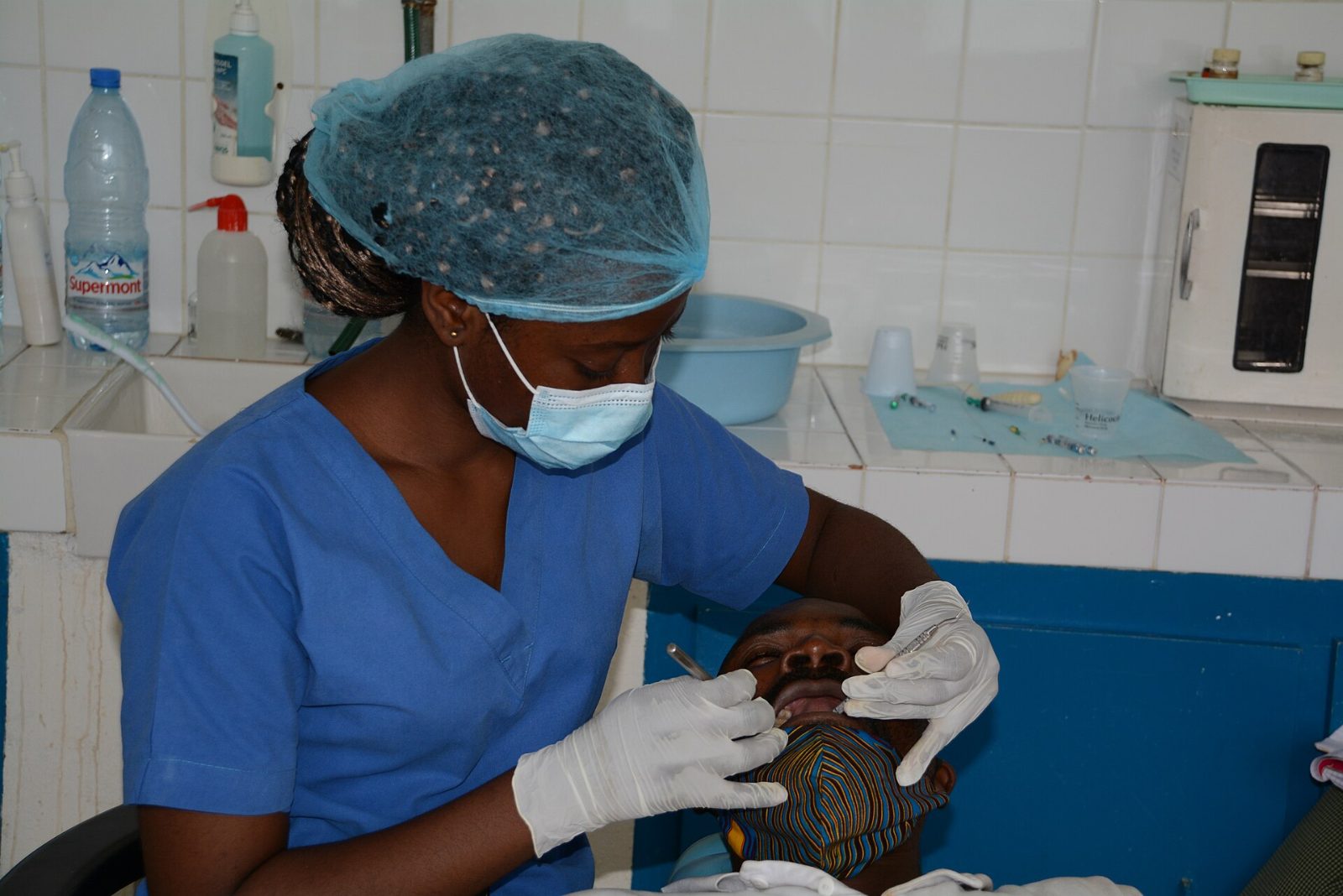
Dentist performing a dental check-up

The main options

OptionHow it worksTypical timeframePoints to consider
Professional cleanRemoves plaque, tartar and surface stainOne visitGood first step for everyone
In-clinic whiteningA dentist applies a stronger whitening gel with gum protectionOne or more visitsFast, but can cause short-term sensitivity
Dentist-supplied home traysCustom trays with a whitening gel worn at homeUsually a couple of weeksGradual, more control, needs consistency
Over-the-counter strips or kitsLower-strength products used at homeVariesLess tailored; follow instructions closely
Whitening toothpasteMild abrasives or low-level agents for surface stainsOngoingMaintenance rather than real colour change

Rules on the strength of whitening products differ between countries, and stronger products are generally meant to be used under dental supervision. Ask your dentist which option is appropriate and legal for your situation rather than buying strong products online.

A wedding whitening timeline

Suggested timing

  • About 3 months before: dental check-up, treat any problems, professional clean
  • About 2 months before: start whitening with your dentist’s plan
  • About 1 month before: finish whitening, assess the shade
  • Final 2 to 4 weeks: maintenance only, no new treatments

This fits alongside the rest of your beauty plan. See our Pre-Wedding Beauty Timeline for how dental work slots in with facials and makeup trials.

Sensitivity and other side effects

The most common side effect of whitening is temporary tooth sensitivity, especially to cold drinks, and some people notice gum irritation. These usually settle after treatment ends. Your dentist may recommend a toothpaste for sensitive teeth or spacing out sessions.

Who should not whiten, or should wait

  • Pregnant or breastfeeding women are usually advised to postpone cosmetic whitening
  • People with untreated cavities, gum disease or exposed roots
  • People with very sensitive teeth or worn enamel
  • Children and teenagers, unless a dentist advises otherwise
  • Anyone allergic to ingredients in the product

Stop and contact your dentist if you have severe or lasting pain, blistered or white patches on the gums, or swelling.

Keeping the shade until the big day

After whitening, teeth can pick up stains more easily for a short time. Many dentists suggest limiting strongly coloured drinks and foods in the days after treatment, such as coffee, tea, red sauces and colas, and rinsing with water after having them. Using a straw for iced coffee helps a little. Not smoking is the single best step for colour and for your health.

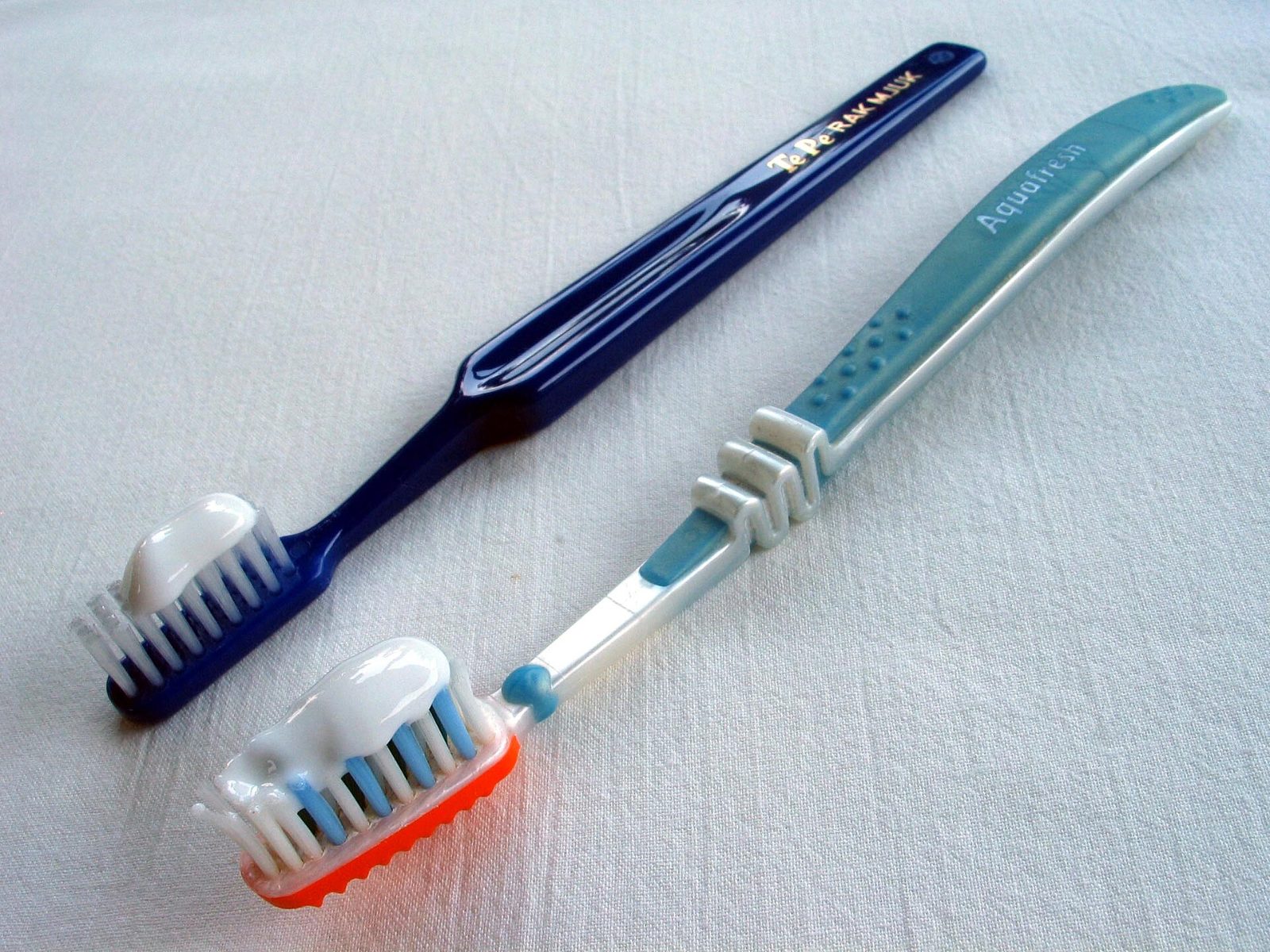
Toothbrush and toothpaste for daily care

How whiter teeth interact with your makeup

A brighter smile changes how lip colours look. Blue-based reds and berry shades tend to make teeth look whiter, while very warm orange or coral tones can bring out yellow. Very bright, opaque white teeth can look unnatural in close-up photos, so aim for a natural shade that matches the whites of your eyes. Mention any whitening plans to your makeup artist before the trial so they can choose lip shades with your new shade in mind; it is one of the points on our Makeup Artist Booking Checklist.

A natural shade that looks healthy in daylight usually photographs better than the brightest possible white.

Questions to ask your dentist

Going into the consultation with a short list helps you compare options and avoid surprises. Useful questions include:

  • Are my teeth and gums healthy enough to whiten right now?
  • Which method do you recommend for my timeline, and why?
  • How many sessions or how many days of home use will I need?
  • What shade change is realistic for my teeth?
  • How will my fillings, crowns or veneers look afterwards?
  • What should I do if my teeth become sensitive?
  • How do I maintain the result through the wedding and honeymoon?

Ask for the total cost in AED up front, including any follow-up visits or top-up gel, since clinics price whitening differently and packages vary. If you have a series of events, such as an engagement party, a henna night and the wedding itself, mention all the dates so the plan finishes before the first one. Brides travelling home for a wedding abroad should also check whether they can attend follow-up appointments, or whether a home tray plan suits them better.

A note on beauty salons and DIY kits

In many places, whitening is considered a dental procedure. Be cautious about whitening offered outside licensed dental clinics, and about kits that promise dramatic results in an hour. Avoid DIY methods such as lemon juice, baking soda scrubs or charcoal powders, which can be abrasive or acidic and may damage enamel.

Frequently asked questions

How long does teeth whitening last?

It varies with diet, habits and the method used. Results are not permanent; many people do occasional top-ups under their dentist’s guidance.

Can I whiten my teeth the week before the wedding?

It is safer to finish two to four weeks before, so that any sensitivity or uneven results can settle or be corrected.

Will whitening work on my veneers or crowns?

No. Whitening agents change the colour of natural enamel, not of crowns, veneers or fillings. Discuss this with your dentist before you start.

Is in-clinic whitening better than home trays?

Both can work. In-clinic treatment is faster, while home trays are gradual and give more control. Your dentist can advise based on your teeth and timeline.

Sources: American Dental Association: MouthHealthy, NHS: Teeth whitening, Dubai Health Authority

Cover photo: Happi raphael, CC BY-SA 4.0. Last reviewed: 2026-11-26. General information only, not medical advice. Please consult a licensed practitioner in the UAE about your own situation.

Best Makeup for Acne-Prone Skin: What Dermatologists Generally Advise

The makeup dermatologists generally suggest for acne-prone skin is labelled non-comedogenic or “won’t clog pores”, oil-free, and fragrance-free where possible, in light layers that you remove fully every night. Mineral powder foundations and lightweight liquid formulas often suit breakout-prone skin better than heavy creams. Makeup can cover acne well, but treating the acne itself needs a separate plan, ideally with a dermatologist months before your wedding.

Can makeup make acne worse?

It can, but it does not have to. Some ingredients and heavy, occlusive textures can clog pores in people who are prone to breakouts. Leaving makeup on overnight, using dirty brushes and sponges, and rubbing or picking at spots all make things worse. Well-chosen products, applied and removed correctly, are usually fine to use daily.

Labels to look for

LabelWhat it suggestsNotes
Non-comedogenicFormulated not to clog poresNot a guarantee for every person
Oil-freeNo added oils in the formulaHelpful for oily skin
Fragrance-freeNo added fragranceReduces irritation risk
Non-acnegenicTested not to cause acneWording varies by brand
Mineral makeupOften based on minerals such as zinc oxide and titanium dioxideMany people with sensitive skin find it gentle

These labels are a starting point. Everyone’s skin is different, so patch-test any new product, and introduce one at a time.

Foundation and concealer on a table

Product by product

Primer

Many people with acne-prone skin can skip primer. If you use one, choose a light, oil-free version. Some silicone-based primers smooth texture without clogging pores, but test carefully.

Foundation

Lightweight liquid or mineral powder foundations are often well tolerated. Build coverage in thin layers rather than applying one heavy layer. A foundation with SPF can help, but apply a separate sunscreen if you are outdoors for long, as most people do not use enough foundation to get the labelled protection.

Concealer

Use a thin layer only on spots and redness. A green-tinted corrector can neutralise redness under foundation. Pat it on with a clean brush or fingertip; do not rub.

Powder

A light dusting of loose or mineral powder helps control shine through a long day, which matters in UAE heat and humidity.

Blush and bronzer

Powder formulas are usually better than creams for oily, acne-prone skin.

Clean tools are part of the formula

Wash brushes and sponges often, and replace sponges regularly. Bacteria and oil build up on tools and transfer back to your skin.

Applying makeup over active acne

  1. Start with clean, moisturised skin. Even oily skin needs a light, non-comedogenic moisturiser.
  2. Apply sunscreen if you are going outdoors.
  3. Use foundation thinly, building only where needed.
  4. Spot-conceal with a small brush.
  5. Set with a little powder.
  6. Avoid touching your face through the day.

Cover in thin layers, remove completely, and treat the acne separately.

Removing makeup properly

Take makeup off every night, even when you are tired. A gentle cleanser is usually enough. If you wear long-wear or waterproof makeup, a micellar water or a light cleansing oil or balm followed by a gentle cleanser can help. Avoid scrubbing hard, as friction irritates acne.

Planning ahead for your wedding

If you have acne that does not respond to over-the-counter products, book a dermatologist appointment early, ideally six months or more before the wedding. Prescription treatments often take weeks to show results, and some have side effects like dryness or initial flares. Our pre-wedding beauty timeline suggests when to start.

Tell your makeup artist about your acne and any treatments you use, such as retinoids or benzoyl peroxide. These can make skin more sensitive, flaky or reactive, and the artist may need to adjust skin prep and products. Our makeup artist booking checklist includes this question.

Dermatologist examining a patient's skin
Photo: Expert Infantry, CC BY 2.0

Who should see a dermatologist rather than relying on makeup

  • People with painful, deep or cystic acne
  • Anyone whose acne leaves scars or dark marks
  • People whose acne started suddenly in adulthood or comes with other symptoms such as irregular periods or excess hair growth
  • Anyone who is pregnant or planning pregnancy, since some acne treatments are not suitable then

Stop a product if you develop burning, swelling, blistering or a spreading rash, and see a licensed doctor or dermatologist in the UAE. Seek urgent help for swelling of the lips or eyes or any breathing difficulty.

Dealing with a breakout in the final week

Even with good planning, a new spot can appear just before the wedding, often triggered by stress, late nights or changes in diet and sleep. Resist the urge to squeeze it. Picking pushes inflammation deeper, can leave a dark mark that lasts for weeks, and creates a broken surface that makeup struggles to cover smoothly.

Instead, keep the area clean, use only the treatment products your skin already tolerates, and let your makeup artist know so they can plan coverage. A small hydrocolloid patch overnight can help protect a spot from picking, though it will not make it disappear. For a large, painful spot, some dermatologists offer in-clinic treatment that can reduce swelling quickly. If that is something you might want, ask your dermatologist about it at an earlier appointment so you know whether it is suitable for you and how much notice the clinic needs.

On the morning itself, a calm, well-moisturised base makes concealing far easier than skin that has been scrubbed or dried out the night before.

Common myths

“Oily skin does not need moisturiser.” Dehydrated skin can produce more oil. A light, non-comedogenic moisturiser usually helps.

“Makeup should be avoided completely if you have acne.” Most people can wear suitable makeup. What matters is product choice, hygiene and removal.

“Toothpaste dries out spots.” It can irritate skin and is not a recommended treatment.

FAQ

Is mineral makeup good for acne-prone skin?

Many people with acne-prone or sensitive skin find mineral powder makeup gentle. It is still worth patch-testing.

Does non-comedogenic mean it will not cause breakouts?

It means the product is formulated to avoid clogging pores, but individual reactions can still happen.

Can I wear makeup while using prescription acne treatment?

Usually yes, with gentle products. Ask your dermatologist about the right routine for your treatment.

How far before my wedding should I treat acne?

Ideally six months or more, so treatments have time to work and any side effects can settle.

Sources: American Academy of Dermatology on acne and makeup; British Association of Dermatologists; Dubai Health Authority.

Cover photo: Bairavi Arjunan3, CC BY-SA 4.0. Last reviewed: 2026-11-25. General information only, not medical advice. Please consult a licensed practitioner in the UAE about your own situation.

Vitamin C Serum Before Your Wedding: Benefits, Timing and How to Use It

Vitamin C serum is a topical antioxidant that many people use in the morning, under sunscreen, to help with dullness and uneven tone. If you want to add it before your wedding, start at least two to three months ahead, introduce it slowly, and keep using sunscreen, because vitamin C works alongside sun protection rather than replacing it.

What vitamin C does for skin

Vitamin C is an antioxidant. On the skin, it helps neutralise some of the free radicals caused by UV exposure and pollution, and it plays a role in collagen production. Dermatology sources describe topical vitamin C as helpful for brightness and for supporting sun protection when combined with sunscreen. Results build gradually over weeks, not days.

It will not erase deep pigmentation, scars or wrinkles on its own, and it is not a treatment for melasma or acne, though some people use it as part of a wider plan supervised by a dermatologist.

Types of vitamin C in serums

FormTypical feelPoints to know
L-ascorbic acidLight, sometimes tinglyThe most studied form; less stable, can irritate sensitive skin
Sodium ascorbyl phosphateGentleMore stable, often used for sensitive or acne-prone skin
Magnesium ascorbyl phosphateGentle, hydratingStable, mild
Ascorbyl glucosideGentleStable, popular in lighter formulas
Tetrahexyldecyl ascorbateOily or silkyOil-soluble, often found in creams

Serums come in a range of strengths. Higher is not always better: stronger serums can sting or irritate, especially in hot weather. If you have sensitive skin, a gentler form or lower strength is a sensible start.

Serum bottles on a bathroom shelf
Photo: Dantheman9758 at English Wikipedia (Original text: Dantheman9758 (talk)), CC BY 3.0

When to start before the wedding

  1. Three months or more before: a good time to introduce vitamin C, so any irritation has time to settle.
  2. One to two months before: keep using it consistently if your skin is happy.
  3. The final month: do not start it for the first time now. If you are already using it without problems, carry on.

Our pre-wedding beauty timeline shows how this fits with facials, exfoliation and makeup trials.

How to use it

  • Apply to clean, dry skin in the morning.
  • Use a few drops; more is not better.
  • Follow with moisturiser and a broad-spectrum sunscreen of SPF 30 or higher.
  • Start every other day for the first week or two, then increase to daily if comfortable.
  • Patch-test first on the side of the neck or jaw for a few days.

Pair it with sunscreen, every day

Vitamin C supports sun protection but cannot replace sunscreen. In the UAE, daily SPF is the single most important step for even, bright skin before your wedding.

Combining with other products

Vitamin C generally works well with sunscreen, moisturisers and hydrating serums. Many people use it in the morning and keep stronger actives, such as retinoids or exfoliating acids, for the evening to reduce the chance of irritation. If you use benzoyl peroxide, check with your dermatologist, as some combinations can reduce effectiveness or increase dryness.

The best vitamin C serum is the one you can use every morning without irritation.

Storing vitamin C in UAE heat

Vitamin C, especially L-ascorbic acid, breaks down with exposure to air, light and heat. A serum that turns dark orange or brown has oxidised and is less effective. To protect it:

  • Choose opaque, airtight bottles or pump packaging.
  • Store it in a cool place, away from the window and bathroom heat.
  • Never leave it in a hot car.
  • Close the cap tightly after each use.
  • Use it within the period shown on the packaging after opening.
Sunscreen applied after a morning serum
Photo: Facecreamband, CC BY-SA 3.0

Who should be careful

Check with a doctor or dermatologist first if you

  • Have rosacea, eczema or very reactive skin
  • Are using prescription treatments for acne or pigmentation
  • Are pregnant or breastfeeding and want to confirm your full routine is suitable
  • Have had a recent peel, laser or microneedling treatment

Stop using the serum if you get persistent stinging, redness, itching or a rash. Mild tingling for a moment can be normal with some forms, but burning that lasts is not. See a licensed dermatologist in the UAE if a reaction does not settle after stopping. Seek urgent help for swelling of the face, lips or eyes.

Setting realistic expectations

It helps to know what a serum can and cannot do in the time before your wedding. With steady use over a couple of months, many people find their skin looks a little brighter and more even, especially when they also wear sunscreen every day and get enough sleep. That is a real benefit, but it is gradual and subtle rather than dramatic.

Dark spots from old breakouts, sun damage or hormonal pigmentation tend to fade slowly, and some need professional treatment. If pigmentation is your main concern, a dermatologist can assess the cause, since different types respond to different approaches and some treatments need months to work. Starting that conversation early gives you more options and less pressure.

Photos can also be misleading. Before-and-after images online are often taken in different light or edited. A more honest way to track progress is to take your own photo in the same spot, at the same time of day, every couple of weeks. Comparing those pictures gives you a calmer, more accurate view of how your skin is responding.

Under makeup

Vitamin C serums usually sit well under makeup once fully absorbed. Let it settle for a few minutes before moisturiser and sunscreen. If a serum pills or feels sticky under foundation, try less product or a different texture. Tell your makeup artist if you use it, especially if your skin ever reacts. Our makeup artist booking checklist reminds you to share your routine at the trial.

FAQ

How long does vitamin C serum take to work?

Many people notice brighter skin after several weeks of consistent use. Changes in tone take longer.

Can I use vitamin C every day?

Many people do, once their skin is used to it. Start slowly and increase if there is no irritation.

Should I use vitamin C in the morning or at night?

Morning use under sunscreen is common because of its antioxidant role, but some people use it at night. Consistency matters more than timing.

My serum turned brown. Can I still use it?

It has likely oxidised and lost much of its effect. It is better to replace it.

Sources: American Academy of Dermatology; Skin Cancer Foundation; British Association of Dermatologists.

Cover photo: Reynosa Blogs from Reynosa Tamaulipas, Mexico, CC BY 2.0. Last reviewed: 2026-11-25. General information only, not medical advice. Please consult a licensed practitioner in the UAE about your own situation.
Lash Extensions for Your Wedding: Timing, Styles and Eye Safety

For a wedding, most brides get a trial set of lash extensions four to six weeks before the date to check comfort and style, then a full set or fill about two to four days before the wedding. That gives the lashes time to settle and leaves room to deal with any irritation, while still looking full on the day.

How lash extensions work

Lash extensions are individual synthetic fibres attached one by one, or in small fans, to your natural lashes using a cosmetic adhesive. They are not glued to the eyelid. Because natural lashes shed and regrow in a cycle, the extensions fall out with them over a few weeks, which is why fills are needed to keep them full.

Common styles include:

  • Classic: one extension per natural lash, a natural, mascara-like look
  • Hybrid: a mix of classic and volume, fuller but still soft
  • Volume: several very fine extensions fanned onto one natural lash, a dense, dramatic look
  • Wispy or textured: varied lengths for a fluttery effect
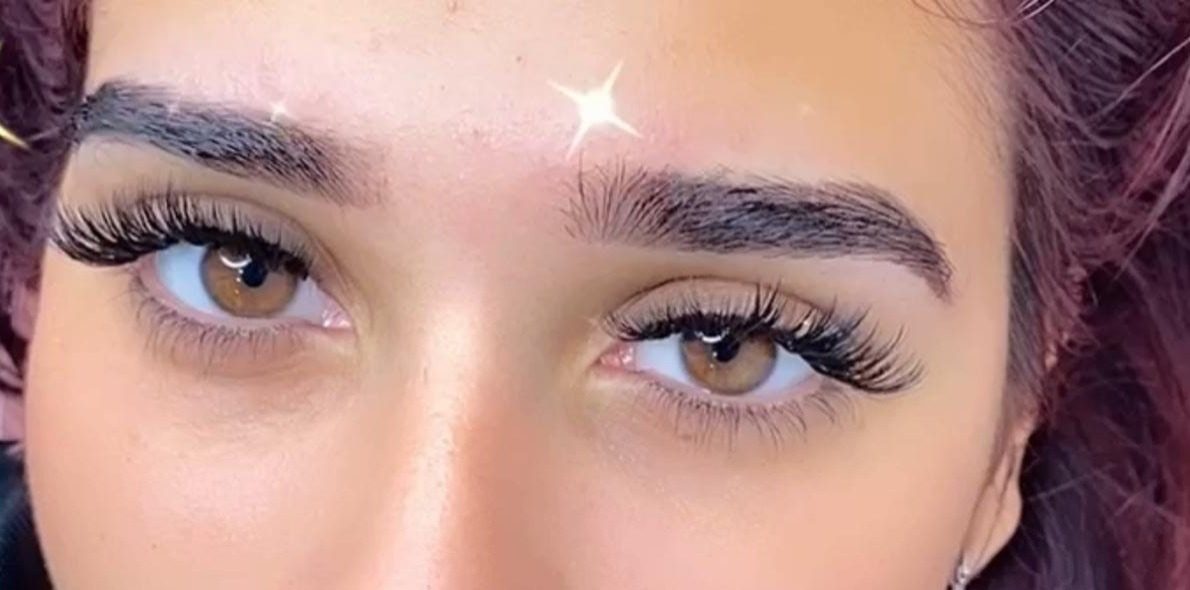
Close-up of long eyelashes

The wedding timeline

WhenStepWhy
6 to 8 weeks beforeResearch and book a technicianGood technicians are often busy in wedding season
4 to 6 weeks beforeTrial setCheck comfort, any reaction and the look in photos
2 to 3 weeks beforeOptional fillKeep lashes healthy and see how they wear
2 to 4 days beforeFinal full set or fillLashes settle and adhesive cures fully
Wedding dayNo mascara neededAvoid oil-based products near the lashes

If you are having a henna night or other events a few days before, schedule the final appointment before those too. Our Pre-Wedding Beauty Timeline shows how lashes fit alongside facials and makeup trials.

Choosing a style for your eyes and your look

The right lash style depends on your eye shape, your natural lashes and your overall bridal look. A few general pointers:

  • Hooded eyes often look best with slightly curled lashes that lift above the fold
  • Round eyes can be elongated with longer lashes at the outer corners
  • Almond eyes suit most styles
  • Deep-set eyes may benefit from a curl that brings the lashes forward
  • Very fine or short natural lashes cannot safely hold long or heavy extensions

Think about the full look too. Heavy volume lashes suit a dramatic Arabic or Indian bridal look, while a soft hybrid set fits a natural, minimal style. Show your technician photos of your dress and your planned makeup, and tell your makeup artist you will have extensions so they can plan the eyes around them. Our Makeup Artist Booking Checklist lists what to share.

Ask your technician

  • Which adhesive they use and whether a patch test is possible
  • How they isolate each lash so extensions do not stick together
  • What weight and length is safe for your natural lashes
  • How they clean tools and whether they use fresh disposables
  • How removal works if you react

Aftercare in UAE heat

Heat, humidity and sweat can shorten how long extensions last. In the first day or so after application, avoid getting the lashes wet and avoid steam, saunas and heavy exercise, or follow your technician’s advice on timing. After that:

  • Clean the lashes gently with a lash-safe cleanser to avoid build-up
  • Brush them with a clean spoolie each morning
  • Avoid oil-based makeup removers and creams around the eyes
  • Do not rub your eyes or sleep face-down on them
  • Do not pull or pick at extensions, which can damage natural lashes
Bride eye makeup with long lashes
Photo: Evi Michailidou, CC BY-SA 3.0

Who should avoid lash extensions

Speak to an eye doctor first or skip extensions if you

  • Have blepharitis, conjunctivitis, styes or other eye infections
  • Have very sensitive eyes or a history of allergy to cosmetic adhesives
  • Have had recent eye surgery
  • Have alopecia or lashes falling out unexpectedly
  • Are having chemotherapy or other treatments affecting hair

Some people react to the adhesive even after previous sets. If you have had redness or swelling with lashes before, tell your technician.

Red flags

Contact a licensed doctor or optometrist in the UAE and have the lashes removed by your technician if you experience eye pain, persistent redness, swelling of the eyelids, discharge, or changes in vision. Do not try to remove extensions yourself with force, as this can damage your natural lashes.

Alternatives to extensions

If you prefer not to have extensions, there are other ways to get fuller lashes on the day:

  • Strip lashes: applied by your makeup artist on the day; easy to remove that night
  • Individual cluster lashes: small clusters glued to the lash line for a natural look
  • Lash lift: curls your natural lashes for several weeks; patch test first
  • Waterproof or tubing mascara: simplest option
Strip false eyelashes on a tray
Photo: Thomas Hobbs, CC BY-SA 2.0

Extensions should be applied a few days before the wedding by a technician you have already tested, never for the first time the day before.

Extensions with a hijab, veil or niqab

Many brides in the UAE wear a veil or hijab for part of the day, and some wear a niqab, where the eyes become the focus of the whole look. A few practical points help here. Very long extensions can catch on a veil or brush against sunglasses, so ask your technician to keep the length comfortable for the accessories you will wear. If the eyes are the main feature, a softly defined set that frames them usually photographs better than the longest possible length. Finally, make sure your makeup artist knows about the extensions before applying eyeshadow and liner, so they use products that will not weaken the bond.

After the wedding

You can keep up with fills or let the extensions shed naturally. If you plan a honeymoon with lots of swimming, ask your technician about removal or a lighter set, since salt water, chlorine and sunscreen can shorten their life.

Frequently asked questions

Can I get lash extensions the day before my wedding?

It is safer to have them two to four days before. This allows the adhesive to cure fully and gives time to spot any irritation.

Will I still need mascara with extensions?

Usually not. Mascara, especially waterproof or oil-based formulas, can damage the bond and is hard to remove from extensions.

How long do lash extensions last?

They shed with your natural lashes over a few weeks, so most people need a fill every two to four weeks to keep them full.

Do lash extensions damage natural lashes?

When applied correctly and at a weight your lashes can support, they usually do not. Problems are more likely with heavy sets, poor technique or pulling them off.

Sources: American Academy of Ophthalmology, US Food and Drug Administration: Cosmetics, Dubai Health Authority

Cover photo: Shane Gavin, CC BY 2.0. Last reviewed: 2026-11-26. General information only, not medical advice. Please consult a licensed practitioner in the UAE about your own situation.
Skin Prep Before Makeup: A Routine for Long-Lasting Bridal and Event Makeup

Good skin prep makes makeup look smoother and last longer, especially in UAE heat and humidity. On the day it means cleansing, hydrating, protecting and priming; in the weeks before it means a stable routine and only treatments your skin already knows.

On the day: step by step

  1. Cleanse gently; avoid scrubs on the day.
  2. Use a hydrating toner or essence if your skin likes it.
  3. Apply a light moisturiser and let it absorb.
  4. Use sunscreen if you will be outdoors; let it set.
  5. Apply primer to areas where makeup tends to fade or crease.
  6. Blot excess oil before foundation.
Makeup brushes

Matching prep to skin type

Skin typeFocusAvoid
OilyLightweight gel moisturiser, mattifying primerHeavy creams before makeup
DryRicher moisturiser, hydrating primerPowder-heavy primers
CombinationDifferent products on T-zone and cheeksOne heavy product all over
SensitiveFragrance-free, simple productsTrying anything new on the day

In the weeks before

Treatments that improve hydration and skin quality need time to settle. Injectable skin boosters such as Profhilo are usually planned weeks in advance by a doctor, never days before an event, because of possible swelling or marks at injection points. Facials and peels also need a test run well before the date.

Final week rules

  • No new products, peels, waxing or injectables
  • No sunbathing or tanning beds
  • Sleep and hydrate; stress shows on skin
Bride portrait

Heat-proofing your makeup

  • Keep blotting papers rather than adding powder repeatedly
  • Use a setting spray suitable for your skin type
  • Stay in shade during outdoor photos when possible

Makeup can only be as smooth as the skin underneath it.

Frequently asked questions

Should I exfoliate the night before?

Only very gently and only if your skin is used to it. Strong exfoliation can cause redness on the day.

Do I need a primer?

Not always, but in heat and humidity a primer suited to your skin often helps makeup last.

When should I book injectable treatments before a wedding?

Ask a licensed doctor; they usually advise booking well in advance so any swelling has settled.

Sources: American Academy of Dermatology, NHS

Last reviewed: 2026-11-25. General information only, not medical advice. Please consult a licensed practitioner in the UAE about your own situation.
Microblading Before a Wedding: How Far Ahead to Book and What to Expect

If you want microblading for your wedding, book the first session around three to four months before the date. Brows usually need several weeks to heal and settle, and most artists schedule a touch-up session roughly four to eight weeks after the first one, which should also be fully healed before the wedding photos.

What microblading is

Microblading is a form of semi-permanent cosmetic tattooing. A practitioner uses a hand tool with fine needles to place pigment into the upper layers of the skin in hair-like strokes, creating the look of fuller brows. Related techniques include powder or ombre brows, which create a soft shaded effect, and combination brows, which mix strokes with shading.

Because it breaks the skin and deposits pigment, it carries risks similar to tattooing: infection, allergic reaction to pigment, scarring and results you may not like. The pigment fades over time, often over one to a few years depending on skin type, sun exposure and aftercare, but it is not something you can simply wash off.

Close-up of a natural, filled eyebrow
Photo: Billie Grace Ward from New York, USA, CC BY 2.0

A realistic wedding timeline

WhenWhat happensWhy it matters
4 to 6 months beforeResearch artists, book a consultationPopular artists can be booked well ahead
3 to 4 months beforeFirst sessionAllows time for healing and colour to settle
About 2 to 3 months beforeTouch-up session, as advised by your artistFills gaps and adjusts shape
Final 4 to 6 weeksNo new brow proceduresBrows should be fully healed and stable
Wedding weekLight brow gel or powder only if neededMicrobladed brows can still be enhanced with makeup

Every artist and every skin heals differently, so follow your practitioner’s own guidance. See our Pre-Wedding Beauty Timeline to fit microblading around facials, lashes and the makeup trial.

What healing usually looks like

Right after the procedure, brows often look darker and sharper than the final result. In the first one to two weeks, it is common to see some redness, tightness, itching and light flaking or scabbing as the skin heals. The colour may then look patchy or faded for a while before settling over the following weeks. This is why booking a few weeks before the wedding is risky: you could be photographed in the darkest or patchiest stage.

Aftercare in the UAE climate

Heat, sweat and sun can affect healing and fade pigment faster, so local conditions are worth planning around.

Aftercare habits most artists recommend

  • Keep the brows clean and follow the artist’s instructions exactly
  • Avoid heavy sweating, saunas, steam rooms and swimming pools for the period your artist advises
  • Avoid direct sun on the brows while they heal; wear a hat or stay in shade
  • Do not pick or scratch flakes
  • Avoid makeup, creams and active skincare on the brow area until healed

Once healed, daily sunscreen on the brow area helps slow fading.

Who should avoid microblading or wait

Speak to a doctor first or postpone if you

  • Are pregnant or breastfeeding
  • Have a tendency to keloid or raised scars
  • Take blood-thinning medication
  • Have diabetes that is not well controlled, or a condition affecting healing or immunity
  • Have active eczema, psoriasis, acne or a skin infection on or near the brows
  • Have used isotretinoin recently, as many practitioners advise waiting until your doctor says the skin has recovered
  • Have known allergies to pigments or topical anaesthetics

Your practitioner should ask about your medical history before the procedure. If they do not, consider it a warning sign.

Brow pencil and makeup as an alternative to microblading

Choosing a practitioner

Microblading quality depends heavily on the artist. Look for:

  • A salon or clinic properly licensed in its emirate for the services it provides
  • Healed results in their portfolio, not only fresh results right after the procedure
  • A clear consultation where they draw the shape first and adjust it with you
  • Single-use needles and blades opened in front of you, and a clean, organised workspace
  • Clear written aftercare instructions and a planned touch-up

Ask how the shape will suit your face and your usual makeup, and whether they recommend strokes or shading for your skin type. Oily skin, for example, often blurs fine strokes over time, so some artists suggest powder brows instead.

Alternatives if you are short on time

If the wedding is less than two months away, consider lower-risk options that will not need healing time:

  • Brow lamination: reshapes your existing hairs; usually lasts several weeks
  • Brow tint: darkens hairs temporarily; patch test first
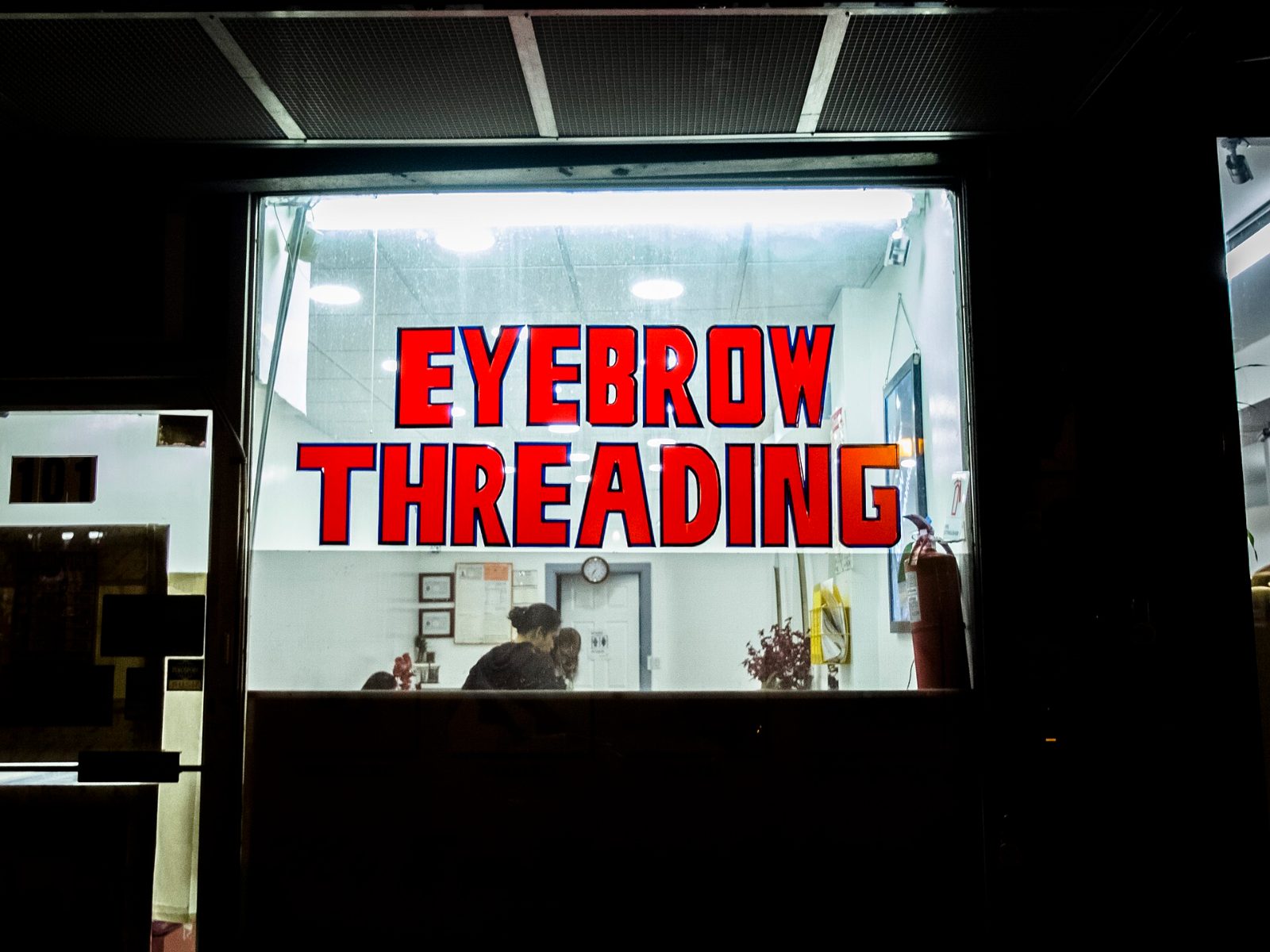
  • Professional shaping: threading or waxing to tidy the shape
  • Makeup: a good brow pencil, powder and gel applied by your makeup artist

These can be done closer to the date, but still not in the final days if you have not tried them before.

Microblading should be finished and healed well before the wedding. If the timeline is tight, a great brow pencil is the safer choice.

Red flags after the procedure

Contact the practitioner and a licensed doctor in the UAE if you notice increasing pain, swelling, warmth, pus, spreading redness or fever, which may signal an infection, or raised itchy bumps in the brow area weeks later, which can suggest a reaction to the pigment.

Frequently asked questions

Can I get microblading one month before my wedding?

It is risky. Brows may not be fully healed and may not have had their touch-up. If you do it this close, accept that the result may still be settling in photos.

Can I wear makeup on my microbladed brows on the wedding day?

Yes, once they are fully healed. Your makeup artist can add a little powder or gel to match the overall look.

Does microblading hurt?

Practitioners usually apply a topical numbing product. People describe sensations from mild discomfort to scratching. Tell the artist if you feel significant pain.

How long does microblading last?

It commonly lasts from one to a few years before fading, depending on your skin, sun exposure and aftercare. Many people book a colour refresh periodically.

Sources: American Academy of Dermatology, NHS: Tattoos and piercings, Dubai Health Authority

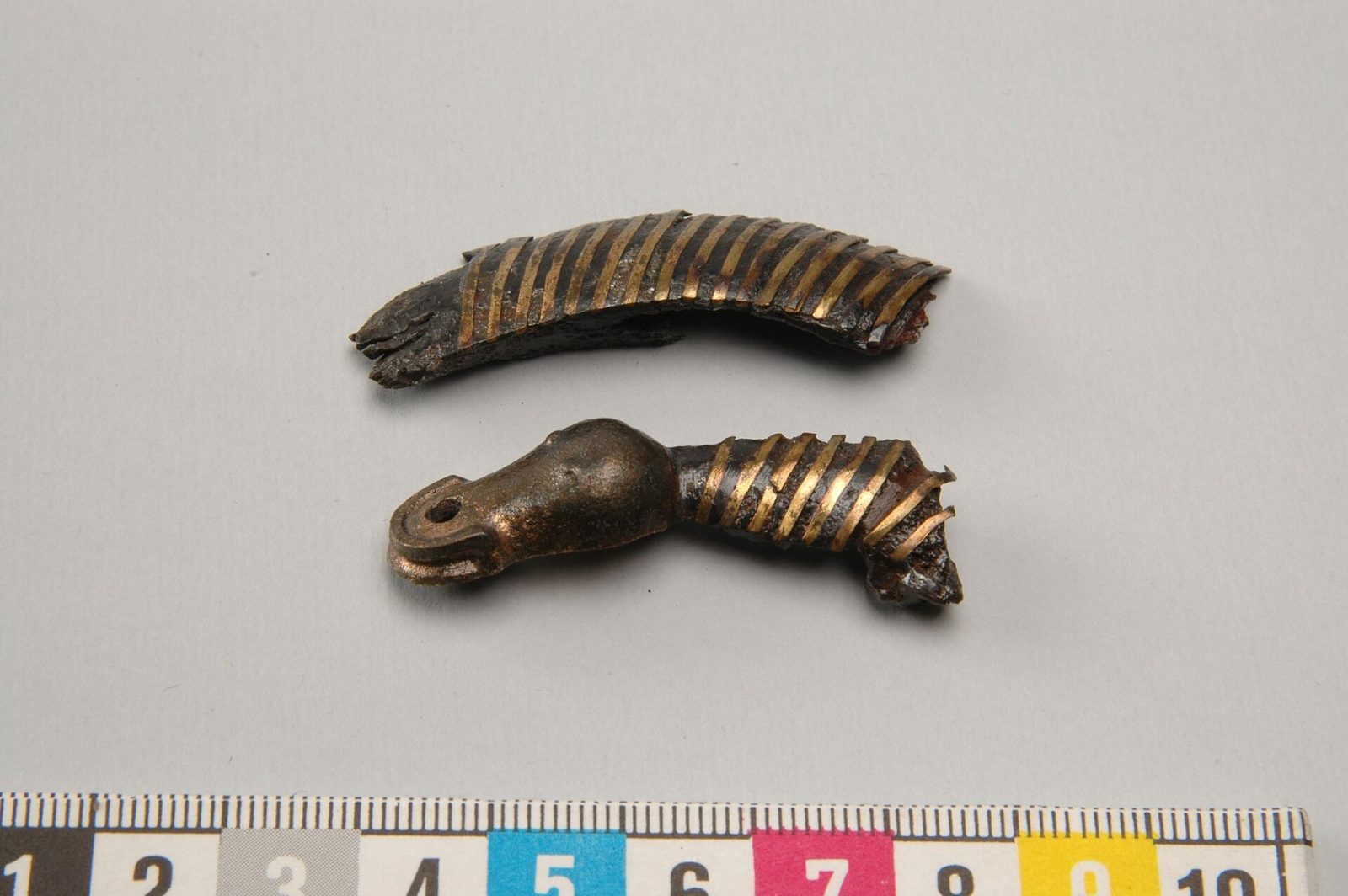
Cover photo: Elisabet Pettersson/Statens historiska museum, CC BY 2.5. Last reviewed: 2026-11-26. General information only, not medical advice. Please consult a licensed practitioner in the UAE about your own situation.
Chemical Peel Before a Wedding: Which Peel, How Far Ahead and What to Avoid

A chemical peel can brighten skin and soften uneven tone before a wedding, but only light peels belong in the final months, and the last one should usually be at least two weeks before the date. Medium and deep peels involve longer recovery and higher risk, so they are best done many months ahead, or after the wedding, and only under a licensed doctor’s care.

What a chemical peel does

A chemical peel applies an acid or another exfoliating solution to the skin to remove the outer layers in a controlled way. As the skin renews, it can look smoother and more even. Peels are used for dullness, uneven texture, some types of pigmentation and mild acne marks.

Peels are usually grouped by depth:

Peel depthCommon agentsTypical downtimeFit for a wedding timeline
Superficial (light)Glycolic, lactic, mandelic, salicylic acidsMild redness or light flaking for a few daysCan be part of a series in the months before
MediumStronger acids such as TCA in medical settingsPeeling and redness for around a week or moreOnly many months ahead, under a doctor
DeepPhenol-based or high-strength peelsWeeks of recoveryNot suitable in the run-up to a wedding

Recovery varies from person to person. Your doctor or licensed skin therapist will explain what to expect for the specific peel they suggest.

Skin treatment in a beauty clinic
Photo: Tadeáš Bednarz, CC BY-SA 4.0

A safe planning window

Example plan for light peels

  • 4 to 6 months before: skin consultation, choose a peel and a series plan
  • 3 to 4 months before: first light peel, ideally after a patch test
  • Every few weeks after that: repeat sessions only if your skin tolerates them well
  • At least 2 weeks before the wedding: final light peel at the latest
  • Final 2 weeks: no peels, no new actives, gentle routine only

If you have never had a peel, start early. A first peel shows how your skin responds; some people get more redness or flaking than expected. Our Pre-Wedding Beauty Timeline shows how peels fit with facials, Hydrafacials and the makeup trial.

The pigmentation question in the UAE

Strong sun exposure and warmer skin tones both increase the risk of post-inflammatory hyperpigmentation, which is darkening of the skin after irritation or injury. A peel that is too strong, done too often, or followed by sun exposure can leave dark patches that take months to fade, which is the opposite of what you want before a wedding.

To reduce the risk:

  • Choose a practitioner experienced with your skin tone
  • Start with a gentle peel and build up only if needed
  • Use broad-spectrum sunscreen every day and reapply when outdoors
  • Avoid beach days, desert trips and long outdoor sessions after a peel
  • Do not pick or peel flaking skin

Before and after a peel

Before

Your practitioner may advise stopping retinoids, exfoliating acids, scrubs and waxing on the face for several days before treatment. Tell them about all medicines you use, including acne treatments, and any history of cold sores.

After

Expect some tightness, redness or flaking depending on the peel. General aftercare often includes a gentle cleanser, a plain moisturiser and strict sun protection. Avoid makeup for the time your practitioner advises, as well as saunas, steam rooms, swimming and heavy exercise in the first days.

Who should avoid peels or speak to a doctor first

  • Pregnant or breastfeeding women, as some peeling agents are not recommended
  • People who have used isotretinoin recently
  • People with active eczema, rosacea flares, open wounds, sunburn or infection on the face
  • People prone to cold sores, who may need preventive treatment first
  • People prone to keloid scarring or significant pigmentation after injury
  • Anyone with very sensitive skin or recent waxing, threading or laser on the area
Sunscreen to protect skin after a peel

How peels affect your makeup trial

Try to schedule your makeup trial when your skin has fully recovered from the most recent peel, not in the days of flaking that follow it. Freshly peeled skin can be more sensitive to primers, long-wear foundations and setting sprays, and dry flakes make any base look patchy. If you have a peel planned shortly before the trial, tell your makeup artist, and consider moving one or the other by a week. On the wedding day itself, a gentle prep of hydrating serum and moisturiser gives the base a smooth surface. Skip exfoliating toners and scrubs that morning, even if your skin feels dull.

Red flags after a peel

Contact your practitioner or a licensed doctor in the UAE if you have blistering, oozing, severe pain, swelling, signs of infection such as pus or fever, or if dark or light patches appear and do not fade. Do not try to treat these with makeup or home remedies.

Peels versus other pre-wedding treatments

Peels are one of several ways to improve skin before the wedding. A Hydrafacial, for example, combines cleansing, exfoliation and hydration and is often chosen closer to the date because there is usually little visible downtime. A gentle enzyme facial is another lower-risk option for brightness. Your skin professional can help you choose one approach rather than layering too many treatments.

The best peel before a wedding is a light one you have already tried, done early enough that your skin has fully recovered by the trial.

Choosing where to have it done

Medium and deep peels are medical procedures and should be carried out by a doctor licensed by DHA, DOH or MOHAP in a licensed facility. Light peels are offered in many clinics and some licensed beauty centres; ask about the practitioner’s training, the exact product and strength, and what they do if your skin reacts. If you are unsure, start with a dermatology consultation.

Frequently asked questions

How close to the wedding can I have a chemical peel?

For a light peel you have had before, two weeks is usually the minimum. For a first peel or anything stronger, allow much more time, often several months.

Will a chemical peel remove melasma before my wedding?

Melasma is complex and can worsen with irritation, heat and sun. Some peels may be part of a treatment plan, but this needs a dermatologist’s assessment and time.

Can I wear makeup after a chemical peel?

Usually not straight away. Many practitioners suggest waiting until the skin has calmed, often a day or more after a light peel. Follow the advice you were given.

Is a peel better than a Hydrafacial before a wedding?

They do different things. A light peel targets texture and tone; a Hydrafacial focuses on cleansing and hydration with little downtime. Your skin goals and timeline decide which suits you.

Sources: American Academy of Dermatology: Chemical peels, NHS: Chemical peels, Dubai Health Authority

Cover photo: Momokoiwama, CC BY-SA 4.0. Last reviewed: 2026-11-26. General information only, not medical advice. Please consult a licensed practitioner in the UAE about your own situation.