
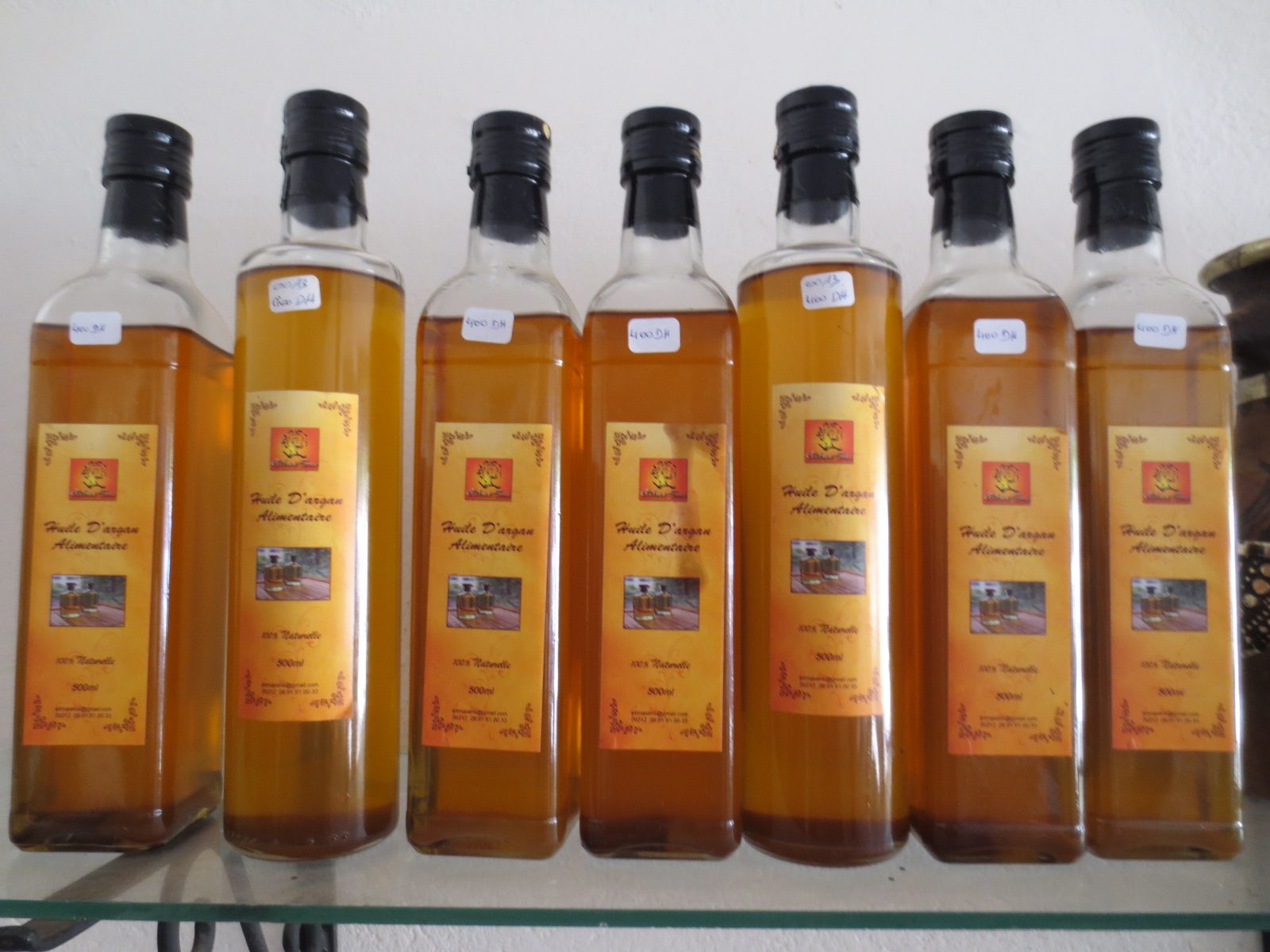
Arabic skin care products usually draw on ingredients with a long history in the region: rose water, argan oil, black seed oil, honey, frankincense, camel milk and dates. Many are pleasant and gentle, but natural does not automatically mean safe, and a few traditional products such as some kohl and black henna can be harmful. Choose registered products, patch test, and keep the basics of cleanser, moisturiser and sunscreen in place.
In this guide
Ingredients rooted in regional tradition
Across the Gulf, North Africa and the Levant, beauty rituals have used local plants and foods for generations. Modern brands in the UAE and the wider region have turned many of these into creams, oils, soaps and masks.
| Ingredient | Traditional use | How it is used today | Things to know |
|---|---|---|---|
| Rose water | Refreshing face and hair | Toners, mists | Can contain fragrance; check for irritation |
| Argan oil | Moisturising skin and hair | Face oils, hair serums | Rich; may feel heavy on oily skin |
| Black seed oil (habbat al barakah) | Skin and wellness rituals | Oils, soaps, creams | Some people react to it; patch test |
| Honey | Masks and soothing | Masks, cleansers | Avoid if allergic to bee products |
| Frankincense | Fragrance, rituals | Creams, oils | Essential oil can irritate sensitive skin |
| Camel milk | Nourishing soaps and creams | Soaps, moisturisers | Generally gentle; check other ingredients |
| Dates and date seed oil | Food and skin care | Oils, scrubs | Scrubs can be abrasive |
| Sidr (lote tree) leaves | Hair and body washing | Hair and body cleansers | Mainly used for hair |
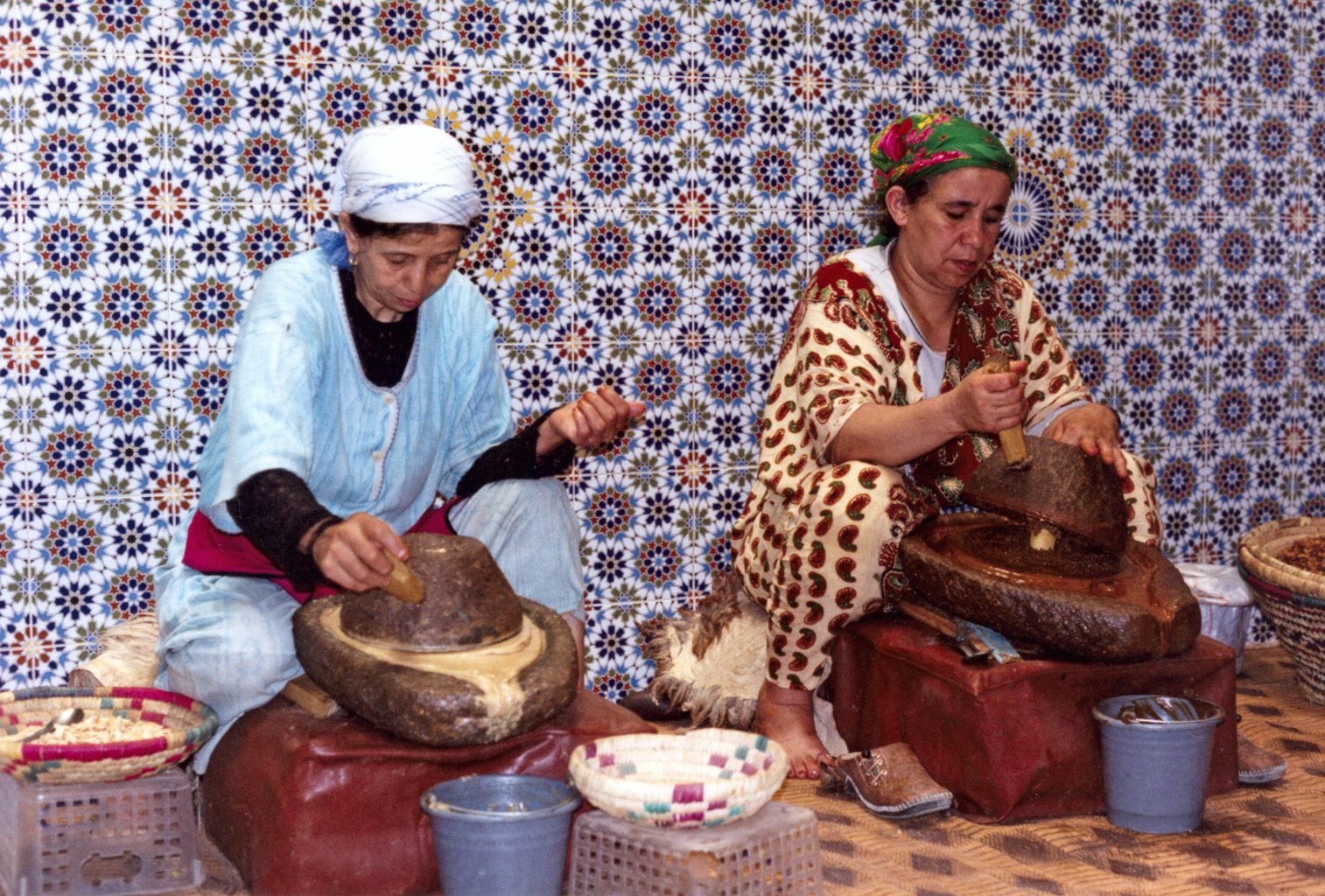
How these products fit a modern routine
Traditional ingredients work best as part of a simple, consistent routine rather than as a replacement for it:
- Cleanse with a gentle cleanser; a camel milk or black seed soap can work if it does not leave your skin tight.
- Tone with rose water if you enjoy it, ideally a fragrance free or lightly scented version.
- Moisturise with a cream; add a few drops of argan oil on dry areas if needed.
- Protect with a broad spectrum sunscreen every morning. No traditional oil provides reliable sun protection.
Safety concerns with some traditional products
Products to treat with caution
- Kohl and surma: some traditional eye kohl products have been found to contain lead, which is harmful, especially for children and during pregnancy. Use eye products registered for sale in the UAE and avoid unlabelled powders.
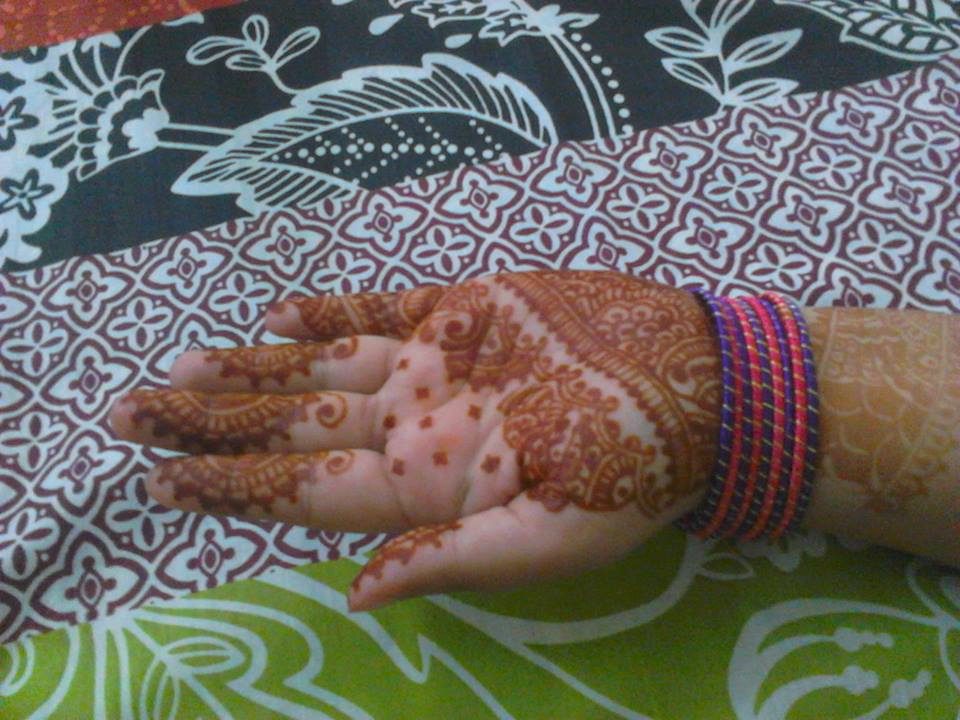
- Black henna: dark henna pastes for skin designs can contain PPD, a hair dye chemical that can cause severe allergic reactions and scarring. Natural henna is reddish brown, not jet black.
- Homemade bleaching creams or mixtures: unregistered lightening products sold informally may contain mercury or strong steroids, which can damage the skin and health.
- Undiluted essential oils: frankincense, rose and others can irritate or sensitise skin if applied neat.
Arabic beauty traditions and bridal preparation
Many brides in the UAE have pre-wedding rituals that include henna nights, hammam style body scrubs, rose water and fragrant oils. These can be lovely parts of the celebration. A few tips help them go smoothly:
- Use natural henna only, from a trusted artist, and ask what is in the paste
- Schedule body scrubs and hair removal a few days before the wedding, not the day before
- Avoid trying a new face oil or mask in the last month
- Tell your makeup artist about any oils or masks you used that morning, since heavy oils can affect makeup wear
Our pre-wedding beauty timeline helps you place henna, scrubs, facials and makeup trials in the right order, and the makeup artist booking checklist covers what to share with your artist.
Choosing good quality products
- Buy from authorised retailers, pharmacies or the brand’s own stores
- Check for an ingredient list in English or Arabic
- Look for expiry dates and a period after opening symbol
- Avoid products sold without labels or with extravagant medical claims
- Store oils away from heat and sunlight, which can make them go rancid
Patch test even natural products
Apply a small amount to the inner arm or behind the ear for a couple of days before using it on your face. Plant oils and extracts can cause allergic reactions just like synthetic ingredients.
Matching traditional ingredients to skin type
- Dry skin: argan oil, camel milk creams and honey masks tend to feel comforting.
- Oily skin: rose water toners and lighter products suit better than rich oils.
- Sensitive skin: choose fragrance free versions and avoid essential oil blends.
Who should be careful
- Pregnant or breastfeeding women should avoid unlabelled products and essential oils without medical advice
- People with eczema, rosacea or very sensitive skin should introduce products one at a time
- Anyone with bee allergies should avoid honey and propolis based products
- Parents should avoid traditional kohl on babies and children
Tradition offers lovely ingredients, but labels, registration and a patch test keep them safe.
When to see a doctor
Seek medical advice for a rash, blistering or swelling after henna or any product, eye irritation after using kohl, or skin that becomes thin, very red or unusually pale after using a lightening cream. Emergency care is needed for facial swelling with breathing difficulty.
Is rose water good for the face?
Many people find it refreshing. Choose products without added alcohol or heavy fragrance if your skin is sensitive.
Is argan oil suitable for oily skin?
It can feel heavy for some oily skin types. Try a small amount at night or use it only on dry areas.
Is traditional kohl safe?
Some traditional kohl has been found to contain lead. Use eye products registered for sale in the UAE and avoid unlabelled powders.
How can I tell if henna is safe?
Natural henna stains reddish brown and develops over a day or two. Very black, fast developing henna may contain PPD and should be avoided.
Sources: US Food and Drug Administration on kohl and henna, American Academy of Dermatology, Ministry of Health and Prevention UAE
Cover photo: Arnaud 25, CC BY-SA 3.0. Last reviewed: 2026-11-25. General information only, not medical advice. Please consult a licensed practitioner in the UAE about your own situation.