Good skin prep makes makeup look smoother and last longer, especially in UAE heat and humidity. On the day it means cleansing, hydrating, protecting and priming; in the weeks before it means a stable routine and only treatments your skin already knows.
Use a hydrating toner or essence if your skin likes it.
Apply a light moisturiser and let it absorb.
Use sunscreen if you will be outdoors; let it set.
Apply primer to areas where makeup tends to fade or crease.
Blot excess oil before foundation.
Matching prep to skin type
Skin type
Focus
Avoid
Oily
Lightweight gel moisturiser, mattifying primer
Heavy creams before makeup
Dry
Richer moisturiser, hydrating primer
Powder-heavy primers
Combination
Different products on T-zone and cheeks
One heavy product all over
Sensitive
Fragrance-free, simple products
Trying anything new on the day
In the weeks before
Treatments that improve hydration and skin quality need time to settle. Injectable skin boosters such as Profhilo are usually planned weeks in advance by a doctor, never days before an event, because of possible swelling or marks at injection points. Facials and peels also need a test run well before the date.
Final week rules
No new products, peels, waxing or injectables
No sunbathing or tanning beds
Sleep and hydrate; stress shows on skin
Heat-proofing your makeup
Keep blotting papers rather than adding powder repeatedly
Use a setting spray suitable for your skin type
Stay in shade during outdoor photos when possible
Makeup can only be as smooth as the skin underneath it.
Frequently asked questions
Should I exfoliate the night before?
Only very gently and only if your skin is used to it. Strong exfoliation can cause redness on the day.
Do I need a primer?
Not always, but in heat and humidity a primer suited to your skin often helps makeup last.
When should I book injectable treatments before a wedding?
Ask a licensed doctor; they usually advise booking well in advance so any swelling has settled.
The best lighting for makeup artists is bright, even, daylight balanced light (around 5000 to 5600 Kelvin) with a high colour rendering index, ideally CRI 95 or above, coming from the front of the face rather than overhead. In practice that means a good LED panel, a softbox or a quality ring light, plus a habit of checking the finished look under the lighting where the client will actually be seen.
Makeup that looks perfect under a warm bathroom bulb can look orange, grey or patchy in daylight or in wedding photos. Poor lighting hides uneven blending, makes foundation matching unreliable and creates shadows that tempt the artist to over correct. For bridal work in the UAE, where the same makeup may be seen in bright outdoor sunlight, warm ballroom lighting and camera flash on the same day, accurate lighting at the station is essential.
The three numbers that matter
Measure
What it means
What to look for
Colour temperature (Kelvin)
How warm or cool the light looks
Around 5000 to 5600K for neutral daylight; adjustable bi colour lights are useful
CRI (colour rendering index)
How accurately colours appear compared with natural light
90 is acceptable, 95 or higher is better for skin tone matching
Brightness (lumens or lux)
How much light reaches the face
Enough to see texture without squinting; dimmable is ideal
Some manufacturers also quote TLCI or TM-30 values. Higher is generally better, but CRI and colour temperature are the most useful starting points.
Types of lights compared
Ring lights
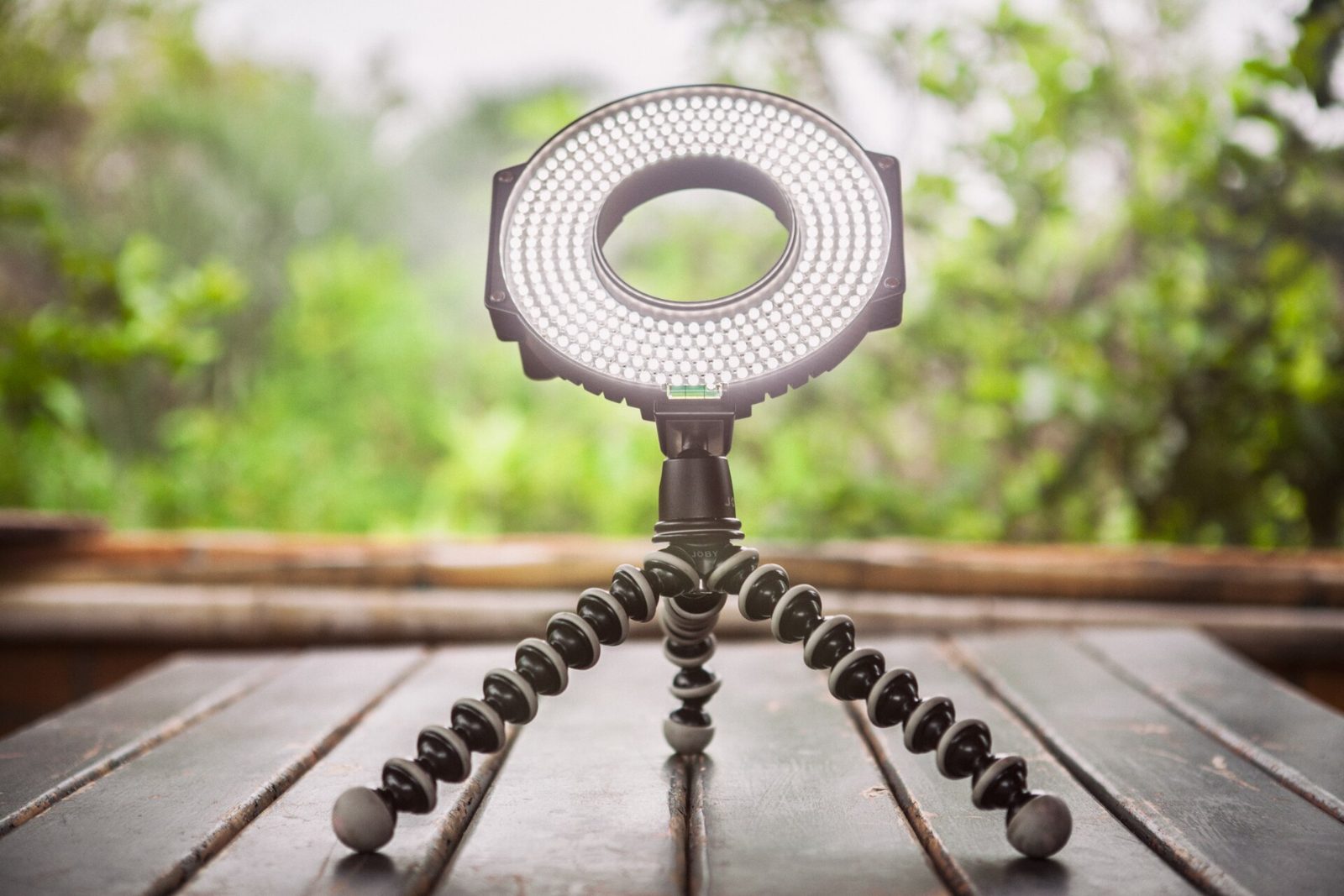
Popular, affordable and portable. They give even light from the front and a recognisable catchlight in the eyes. Cheaper models often have low CRI and can flatten the face, making contour hard to judge.
LED panels and softboxes
Larger sources give softer, more natural light with fewer harsh shadows. Two panels placed at about 45 degrees either side of the face are a classic set up. Many are bi colour and dimmable.
Mirror lights and vanity bulbs
Hollywood style mirrors look glamorous, but the quality varies widely. Check the CRI and colour temperature of the bulbs rather than relying on the look.
Natural daylight
A large window with indirect light is excellent for checking the final look, but it changes through the day and is not always available. Avoid direct sun on the face, which creates harsh shadows and heat.
Quick buying checklist
CRI 95 or higher if possible
Adjustable colour temperature, or fixed around 5600K
Dimmable output
Diffused light source, not bare LEDs
Stable stand and portable case for on location bridal work
Battery option for venues without nearby sockets
Positioning the light
Place the main light in front of the client at roughly eye level, or two lights at 45 degrees on either side.
Avoid relying on overhead ceiling light, which casts shadows under the eyes and nose.
Keep the client facing the light, with the artist slightly to the side so they do not block it.
Turn off or reduce strongly coloured room lights that mix with your light source.
Before finishing, step back and check the face from a normal conversation distance.
Checking makeup for the real setting
Professional artists often check the finished look in more than one light:
Daylight near a window for outdoor photos or a daytime ceremony
Warm light similar to the venue, since many wedding halls in Dubai and Abu Dhabi use warm, dim lighting
Phone camera with flash to spot flashback, the white cast some sunscreens and setting powders show in flash photos
Bridal trials
Ask your artist to do the trial in similar lighting to the wedding venue, and take photos in daylight and with flash. Our makeup artist booking checklist includes this and other trial questions, and the pre-wedding beauty timeline shows when to book the trial.
Practical points for on location work
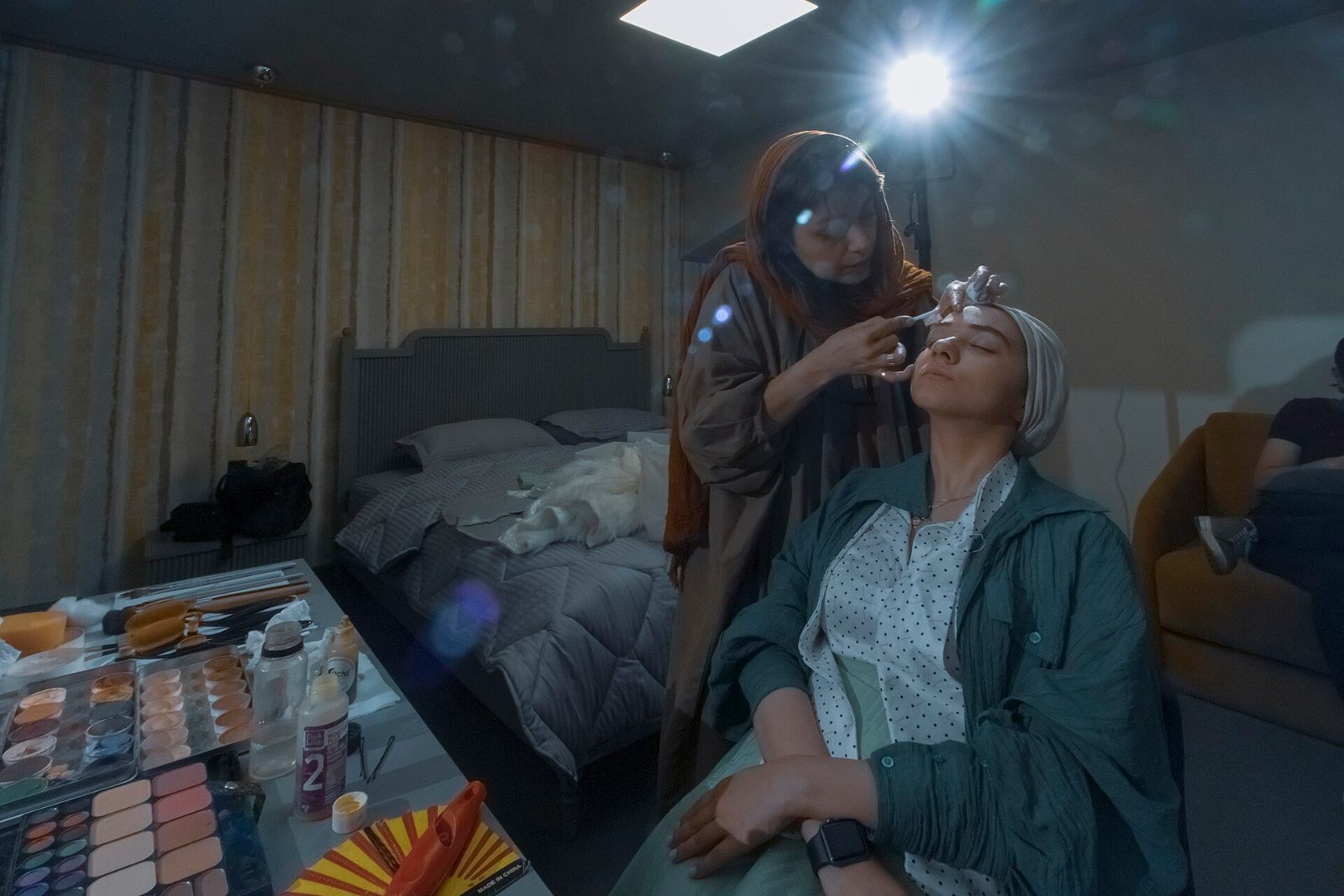
Bridal work in the UAE often happens in hotel rooms, villas or venue dressing rooms. Bring your own lighting rather than trusting the room. Portable LED panels with batteries are invaluable when sockets are far from the best spot. Keep cables taped down to avoid trips in busy bridal suites, and allow lights to cool before packing.
Lighting for different skin tones
Accurate light matters even more when working across the wide range of skin tones seen in the UAE. Low CRI lights often distort warm and deep undertones, making it hard to choose the right foundation shade or to spot ashy patches from powder. With a high CRI daylight source, undertones show clearly and colour correction becomes far easier. Always check foundation along the jaw in your main light and then near a window before committing to a shade.
Hygiene and comfort
Wipe light handles and mirrors between clients
Avoid positioning very bright lights directly in the client’s eyes for long periods; angle them slightly and use diffusion
Clients with light sensitivity or migraines may need lower brightness and breaks
Keep lights away from hairspray and alcohol based sprays, which are flammable
Good light shows the truth about blending and colour; great artists also check it in the light where the client will be seen.
Is a ring light good enough for professional makeup?
A good ring light with high CRI can work well, especially for content creation. Many professionals prefer softboxes or LED panels for softer, more natural light.
What colour temperature is best for makeup?
Around 5000 to 5600K mimics neutral daylight. Bi colour lights let you check warmer and cooler settings too.
What does CRI mean for makeup?
CRI measures how accurately a light shows colours. A higher CRI makes foundation matching and blending more reliable.
How do I avoid flashback in bridal photos?
Test the makeup with a camera flash during the trial. Your artist can change products that show a white cast.
The most useful questions to ask a bridal makeup artist cover five areas: their experience with your skin type and style, their hygiene and products, how they handle the trial and the wedding day logistics, what happens if something goes wrong, and exactly what you are paying for. Asking is only half of it; the way an artist answers tells you as much as the answer itself.
Can I see unfiltered photos of brides with a similar skin tone, skin type and eye shape to mine?
Have you worked with my style: Arabic, South Asian, soft glam, natural, hijab-friendly?
How do you adapt your work for very oily, dry, mature or acne-prone skin?
What a good answer sounds like
Specific examples, a portfolio with real skin texture rather than only heavily edited images, and confidence explaining how they would adapt products and techniques for you.
Photo: Fquasie, CC BY-SA 4.0
2. Hygiene and products
Questions to ask
How do you clean brushes and sponges between clients?
Do you use disposable mascara wands, lip applicators and spatulas?
Which brands do you use for base, lashes and adhesives?
Can I use my own foundation or skincare if I prefer?
How do you handle sensitive skin or allergies?
What a good answer sounds like
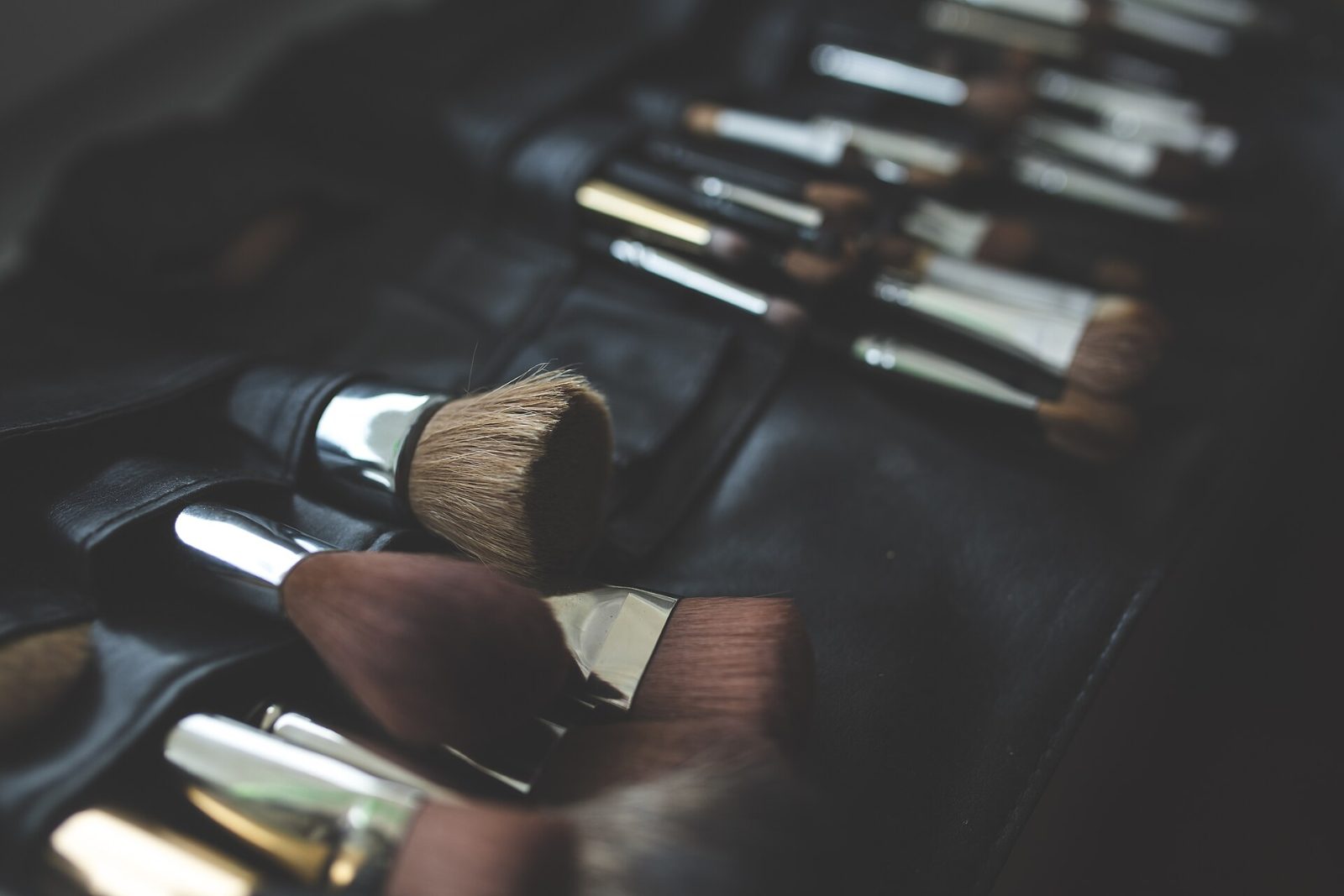
Clear routines: cleaned or fresh brushes for each client, disposables for eyes and lips, products decanted rather than used directly from the tube on several faces. Willingness to share a product list so you can patch test.
Hygiene red flags
Double-dipping mascara wands
Applying lipstick directly from the bullet to several clients
Dirty or stained brushes and sponges
Reluctance to share which products are used
Poor hygiene can spread infections, especially eye infections. If something looks wrong, it is fine to say so.
3. The trial
Questions to ask
Is the trial included or charged separately? Is the fee deducted if I book?
How long does the trial take, and can I try two looks?
Will you take photos in daylight and with flash?
Can I make changes after the trial?
What a good answer sounds like
Transparency about cost, enough time to test properly, and a genuine interest in your feedback. For cost details, see our guide on bridal trial makeup cost.
4. Wedding day logistics
Question
Why it matters
What time will you arrive and how long do you need for me?
Plans the morning schedule
Will you or an assistant do my makeup?
Ensures you get the artist you tested
How many people can you do in the time available?
Avoids delays with bridesmaids or family
Do you charge travel, and to which areas?
Clarifies costs for venues across emirates
Can you stay for touch-ups or outfit changes?
Useful for long, multi-event weddings
What do you need in the room: lighting, chair, power?
What happens if you are ill or cannot attend? Do you have a backup artist?
Can I have everything in writing?
What a good answer sounds like
Clear, written terms covering both sides, including a realistic plan if the artist cannot attend. Hesitation or vague answers here are a warning sign.
Keep it organised
Save each artist’s answers in one place so you can compare them side by side. Our Makeup Artist Booking Checklist gives you the full list in a format you can copy and send.
Questions about the UAE setting
A few questions are especially useful for weddings in the UAE:
Are you comfortable working at desert camps, beach venues or outdoor locations, and how do you adapt products for heat and wind?
Have you worked with brides who wear a hijab, shayla or niqab, and can you coordinate with a hijab stylist?
Do you travel between emirates, and is travel time included in the quote?
Can you work around family schedules, such as prayer times or separate events for women and men?
Do you hold the trade licence or permits required to offer your services where you operate?
Artists who regularly work across the UAE will usually answer these easily and may raise points you had not considered.
Questions artists may ask you
A good artist will also ask you questions. Be ready to share:
Your skin type, any conditions and allergies
Photos of your dress, jewellery, veil or hijab
Looks you love and looks you do not
The venue, ceremony time and photography plans
The number of people needing makeup
If an artist asks nothing about your skin or preferences, that can be a sign they apply the same look to everyone.
Booking timeline
Popular artists in the UAE can be booked months ahead in peak season. Start contacting artists once your date and venue are fixed, and schedule the trial after your outfit is chosen. Use our Pre-Wedding Beauty Timeline to fit everything together.
Reading reviews and asking for references
Online reviews are helpful, but read them carefully. Look for recent reviews that mention specific details, such as how the makeup lasted, punctuality and how the artist handled problems, rather than short, generic praise. If you can, ask friends or family who married recently in the UAE about their experience. Some artists are happy to share contact details of past brides who agreed to act as references, which can be reassuring for a large booking.
The best artist for you answers clearly, listens closely and puts your skin and comfort first.
Frequently asked questions
How many makeup artists should I contact?
Contacting three to five artists is common. It gives you enough to compare style, communication and price without becoming overwhelming.
Should I ask to see unedited photos?
Yes. Unedited or lightly edited photos show how the makeup really looks on skin, which is what you will see in person and in candid shots.
What should I do if an artist will not answer hygiene questions?
Treat it as a red flag. Professional artists are used to these questions and should answer clearly.
Is it rude to ask about a backup artist?
Not at all. Illness and emergencies happen, and a professional artist should have a plan.
Cover photo: Fquasie, CC BY-SA 4.0. Last reviewed: 2026-11-26. General information only, not medical advice. Please consult a licensed practitioner in the UAE about your own situation.
Soft bridal makeup, often called soft glam, sits between a natural look and full glam. It gives you smooth, even skin, softly sculpted cheeks, blended eyes in warm or neutral tones, defined but natural-looking lashes and a lip a little richer than your own. Every edge is diffused, so the face looks polished in photos without looking heavy in person.
Soft glam is a popular middle ground because it photographs well in both daylight and evening light, and it works across many cultures and dress styles at UAE weddings.
Key elements of soft glam
Even, skin-like base
Light to medium coverage, built in thin layers and blended into the hairline and neck. Concealer only where needed. The finish is usually satin: neither flat matte nor very dewy.
Soft sculpting
Cream or powder contour, blended so there are no visible lines, adds shape under the cheekbones and along the jaw. Bronzer warms the face.
Diffused blush
Rosy, peach or warm berry blush, blended upward into the contour so the colours melt together.
Blended eyes
A transition shade in the crease, a slightly deeper shade at the outer corner, and a satin or soft shimmer on the lid. Liner is smudged or tightlined rather than sharp.
Wispy lashes
Individual or natural strip lashes that lengthen and lift without looking heavy.
Defined but soft lips
A liner close to your lip colour, blended inward, and a rosy nude, mauve or soft berry lipstick, sometimes with a touch of gloss.
The blending rule
If you can see where one product ends and another begins, keep blending. Soft glam is all about diffused transitions: crease, contour, blush and lip liner.
Step-by-step overview
Cleanse, hydrate and prime the skin
Apply foundation in thin layers and conceal where needed
Lightly set the T-zone and under-eye area
Contour, bronze and blush, blending each into the next
Prime the eyes and build the shadow from light to deep
Smudge liner along the lash line and apply lashes
Fill and set the brows
Line and fill the lips
Add subtle highlight and finish with setting spray
Adapting soft glam to your features
Hooded eyes: place the crease shade slightly above the natural crease so it shows with eyes open
Mature skin: keep powder minimal and use cream blush
Oily skin: use a mattifying primer in the T-zone and blot during the day
Deep skin: choose rich bronzes, warm browns and gold, and tinted setting powder
Fair skin: soft taupe, rose and champagne, with brown-black mascara for daylight
Photo: geehairimages, CC BY 2.0
Making it last at UAE weddings
Soft glam needs to survive long ceremonies, heat outside, cold air inside and plenty of hugging. A few habits help:
Use long-wear foundation and a gripping or mattifying primer where needed
Set the T-zone and under-eye lightly with fine powder
Use waterproof mascara and a long-wear eyeshadow primer
Finish with a setting spray
Keep a touch-up kit with blotting papers, powder and your lipstick
Our Makeup Artist Booking Checklist includes questions on how artists make their looks last and whether they stay for touch-ups.
Soft glam across events
Many UAE weddings include more than one event. Soft glam can be adapted easily:
Henna or mehndi: soft glam with warmer, brighter colour on the eyes and lips
Nikah or ceremony: classic soft glam with a rosy nude lip
Reception: deepen the outer eye, add a little more liner and switch to a richer lip
Keeping the same base across events saves time and keeps your look consistent in photos.
Skin prep for a soft, smooth finish
Because soft glam uses lighter coverage than full glam, the condition of your skin shows more. A consistent routine with gentle cleansing, hydration and daily sunscreen in the months before the wedding helps. Avoid new treatments in the final weeks; our Pre-Wedding Beauty Timeline shows the usual windows.
Sensitive skin and lashes
If you have sensitive skin or eyes, patch test products and lash adhesive before your trial. Remove any product that causes redness, swelling or itching, and seek advice from a licensed doctor or optometrist in the UAE if a reaction persists.
Common soft glam mistakes
Even a soft look can go wrong. The most frequent issues artists see are:
Too little definition for the camera: what looks soft in the mirror can disappear in photos, so lashes and the outer eye usually need a little more depth than everyday makeup
Contour that is too cool or too grey: on warm and olive skin this can look muddy; a warm, soft bronze is usually more flattering
Overlined lips: soft glam relies on a natural lip shape, so the liner should follow your own border
Too much powder: heavy setting under the eyes and on the cheeks removes the soft, skin-like finish
Mismatched neck and face: the most visible problem in full-length photos
A good trial, reviewed in photos a day or two later, is the easiest way to catch these before the wedding.
Bringing references to your artist
Soft glam means slightly different things to different artists. Bring photos of soft glam looks on people with similar skin tone and features, and say what you like about each: the lip shade, the blush placement, the lashes. Share your dress and jewellery photos too.
Soft glam is polished but never harsh. Every line is blended, every colour is softened, and you still look like yourself.
Frequently asked questions
Is soft glam good for photos?
Yes. It has enough definition to show up in photos, especially with flash, while still looking soft in person.
How is soft glam different from natural bridal makeup?
Soft glam uses more coverage, more eye definition and lashes, while natural makeup aims for a nearly bare look with minimal products.
Can I wear soft glam with a hijab?
Yes. Soft glam frames the face beautifully with a hijab. Your artist may add a little more definition to the brows and eyes.
What lipstick suits soft glam?
Rosy nudes, mauves, soft pinks and light berries are popular, chosen to suit your skin tone and outfit.
Cover photo: Shixart1985, CC BY 2.0. Last reviewed: 2026-11-26. General information only, not medical advice. Please consult a licensed practitioner in the UAE about your own situation.
If you want microblading for your wedding, book the first session around three to four months before the date. Brows usually need several weeks to heal and settle, and most artists schedule a touch-up session roughly four to eight weeks after the first one, which should also be fully healed before the wedding photos.
Microblading is a form of semi-permanent cosmetic tattooing. A practitioner uses a hand tool with fine needles to place pigment into the upper layers of the skin in hair-like strokes, creating the look of fuller brows. Related techniques include powder or ombre brows, which create a soft shaded effect, and combination brows, which mix strokes with shading.
Because it breaks the skin and deposits pigment, it carries risks similar to tattooing: infection, allergic reaction to pigment, scarring and results you may not like. The pigment fades over time, often over one to a few years depending on skin type, sun exposure and aftercare, but it is not something you can simply wash off.
Photo: Billie Grace Ward from New York, USA, CC BY 2.0
A realistic wedding timeline
When
What happens
Why it matters
4 to 6 months before
Research artists, book a consultation
Popular artists can be booked well ahead
3 to 4 months before
First session
Allows time for healing and colour to settle
About 2 to 3 months before
Touch-up session, as advised by your artist
Fills gaps and adjusts shape
Final 4 to 6 weeks
No new brow procedures
Brows should be fully healed and stable
Wedding week
Light brow gel or powder only if needed
Microbladed brows can still be enhanced with makeup
Every artist and every skin heals differently, so follow your practitioner’s own guidance. See our Pre-Wedding Beauty Timeline to fit microblading around facials, lashes and the makeup trial.
What healing usually looks like
Right after the procedure, brows often look darker and sharper than the final result. In the first one to two weeks, it is common to see some redness, tightness, itching and light flaking or scabbing as the skin heals. The colour may then look patchy or faded for a while before settling over the following weeks. This is why booking a few weeks before the wedding is risky: you could be photographed in the darkest or patchiest stage.
Aftercare in the UAE climate
Heat, sweat and sun can affect healing and fade pigment faster, so local conditions are worth planning around.
Aftercare habits most artists recommend
Keep the brows clean and follow the artist’s instructions exactly
Avoid heavy sweating, saunas, steam rooms and swimming pools for the period your artist advises
Avoid direct sun on the brows while they heal; wear a hat or stay in shade
Do not pick or scratch flakes
Avoid makeup, creams and active skincare on the brow area until healed
Once healed, daily sunscreen on the brow area helps slow fading.
Who should avoid microblading or wait
Speak to a doctor first or postpone if you
Are pregnant or breastfeeding
Have a tendency to keloid or raised scars
Take blood-thinning medication
Have diabetes that is not well controlled, or a condition affecting healing or immunity
Have active eczema, psoriasis, acne or a skin infection on or near the brows
Have used isotretinoin recently, as many practitioners advise waiting until your doctor says the skin has recovered
Have known allergies to pigments or topical anaesthetics
Your practitioner should ask about your medical history before the procedure. If they do not, consider it a warning sign.
Choosing a practitioner
Microblading quality depends heavily on the artist. Look for:
A salon or clinic properly licensed in its emirate for the services it provides
Healed results in their portfolio, not only fresh results right after the procedure
A clear consultation where they draw the shape first and adjust it with you
Single-use needles and blades opened in front of you, and a clean, organised workspace
Clear written aftercare instructions and a planned touch-up
Ask how the shape will suit your face and your usual makeup, and whether they recommend strokes or shading for your skin type. Oily skin, for example, often blurs fine strokes over time, so some artists suggest powder brows instead.
Alternatives if you are short on time
If the wedding is less than two months away, consider lower-risk options that will not need healing time:
Brow lamination: reshapes your existing hairs; usually lasts several weeks
Brow tint: darkens hairs temporarily; patch test first
Professional shaping: threading or waxing to tidy the shape
Makeup: a good brow pencil, powder and gel applied by your makeup artist
These can be done closer to the date, but still not in the final days if you have not tried them before.
Microblading should be finished and healed well before the wedding. If the timeline is tight, a great brow pencil is the safer choice.
Red flags after the procedure
Contact the practitioner and a licensed doctor in the UAE if you notice increasing pain, swelling, warmth, pus, spreading redness or fever, which may signal an infection, or raised itchy bumps in the brow area weeks later, which can suggest a reaction to the pigment.
Frequently asked questions
Can I get microblading one month before my wedding?
It is risky. Brows may not be fully healed and may not have had their touch-up. If you do it this close, accept that the result may still be settling in photos.
Can I wear makeup on my microbladed brows on the wedding day?
Yes, once they are fully healed. Your makeup artist can add a little powder or gel to match the overall look.
Does microblading hurt?
Practitioners usually apply a topical numbing product. People describe sensations from mild discomfort to scratching. Tell the artist if you feel significant pain.
How long does microblading last?
It commonly lasts from one to a few years before fading, depending on your skin, sun exposure and aftercare. Many people book a colour refresh periodically.
Cover photo: Elisabet Pettersson/Statens historiska museum, CC BY 2.5. Last reviewed: 2026-11-26. General information only, not medical advice. Please consult a licensed practitioner in the UAE about your own situation.
Flashback is the white or ashy cast that can appear in photos when camera flash reflects off certain makeup ingredients, often some setting powders and mineral sunscreens. To avoid it on your wedding day, ask your artist to choose flash-friendly products, keep loose powder light and well blended, and test the look with your phone’s flash at the trial. You do not have to give up sun protection; you just need to plan how and when you apply it.
Some ingredients reflect light strongly. Under normal light you cannot see it, but a direct camera flash bounces off them and shows up as white patches, often under the eyes, around the nose and on the forehead. Common culprits include:
Some loose setting powders, especially very fine, light-reflecting or silica-heavy formulas used in thick layers
Mineral sunscreens with zinc oxide or titanium dioxide, particularly in heavy amounts
Some foundations and primers with high SPF and a light-reflecting finish
Highlighters with large shimmer particles applied heavily
Not every product with these ingredients causes flashback. It depends on the formula and how much you use.
Testing at your trial
The trial is where you catch flashback before it reaches your wedding album.
After the makeup is finished, take a photo near a window in natural light.
Take another under warm indoor lighting.
Take a close-up with your phone’s flash on, in a slightly dim room.
Look for white patches, a grey cast or a face that looks lighter than your neck.
If you see flashback, ask the artist to adjust: less powder, a different powder, or a different base. Our makeup artist booking checklist includes the flash test as one of the trial steps.
Product choices that photograph well
Area
Flash-friendly approach
Use with care
Base
Foundation matched to face and neck, thin layers
Very high SPF foundations with a bright finish
Under eyes
Light concealer set with a small amount of powder
Thick “baking” with white loose powder
Setting
Finely milled powder, pressed lightly
Heavy loose powder left unblended
Highlighter
Fine shimmer, placed on high points
Large glitter all over the face
Sunscreen
Applied earlier in the day, allowed to settle
Heavy mineral sunscreen right before photos
Matching the foundation to your neck and chest, not only your face, also matters. If the face looks lighter than the neck in flash photos, the mismatch becomes obvious.
Sunscreen and wedding photos
Sun protection matters, especially for outdoor ceremonies and photo sessions in the UAE. You do not need to choose between protected skin and good photos.
Apply your usual sunscreen in the morning as part of skin prep, and give it time to settle before makeup.
Ask your artist which sunscreen they recommend under makeup, especially if you use a mineral formula.
For outdoor photos, use shade, schedule shoots for cooler times, and consider SPF products designed to go over makeup.
Do not rely on SPF in foundation alone; most people use far less foundation than the amount needed for the labelled protection.
Protect your skin in the morning, test your makeup with flash at the trial, and the camera will do the rest.
Working with your photographer
Ask your photographer how they plan to light the indoor parts of your wedding. Many use off-camera or bounced flash, which is softer and less likely to cause harsh flashback than a direct on-camera flash. Share a photo from your trial with them so they know your look. A good photographer and a good makeup artist can coordinate, especially for venues with dim lighting or bright, mixed colours.
Ask for a photo-ready finish, not a heavy one
A thin, well-blended base often looks better in photos than full coverage. Ask your artist to build coverage only where needed.
Darker and deeper skin tones
Flashback can be especially visible on medium to deep skin tones, where a white cast stands out more. Ask your artist about powders and sunscreens that suit your skin tone, and do the flash test carefully at the trial. Translucent powders vary a lot; some leave a visible cast on deeper skin even when they look clear in the pan.
Touch-ups between photo sessions
Wedding days in the UAE often move between outdoor portraits in warm air, air-conditioned halls and dim reception rooms with flash. Each change can affect how your makeup looks on camera. Sweat and oil build up after outdoor sessions, and adding lots of powder to fix shine is one of the most common causes of flashback later in the evening.
Instead, blot first with blotting papers, pressing gently on the forehead, nose and chin. If you still need powder, use a small amount of the same flash-tested powder from your trial and press it on with a puff rather than sweeping it across the face. Refresh lip colour and check under the eyes with a cotton bud. Ask the person holding your touch-up kit to take a quick flash photo on their phone after any touch-up, so you can spot a white cast before the photographer does. These small checks take a minute and keep your photos consistent from the first portrait to the last dance.
Skin safety
Look after your skin
Patch-test any new sunscreen or powder before the trial, especially if you have sensitive skin.
Avoid starting new products in the final weeks before the wedding.
If you develop itching, redness or a rash after the trial, remove the makeup and see a licensed doctor or dermatologist in the UAE.
Seek urgent help for swelling of the face, lips or eyes, or any breathing difficulty.
Our pre-wedding beauty timeline shows when to finalise your sunscreen and makeup products so they are tested well before the day.
FAQ
What causes flashback in photos?
Light-reflecting ingredients in some powders, sunscreens and foundations bounce back camera flash, creating a white cast.
Does SPF always cause flashback?
No. It depends on the formula and the amount. Many sunscreens photograph well. Test yours at the trial.
How do I test for flashback?
Take a close-up photo with your phone’s flash in a slightly dim room after your makeup is done.
Can flashback be fixed after the photos are taken?
Some editing can help, but it is much easier to prevent it with the right products and a flash test at the trial.
Bridal makeup costs more than everyday makeup because you are paying for far more than one application: the artist’s planning and trial time, professional long-wear products, travel, early starts, waiting time, and the experience to get it right on a day that cannot be repeated. In the UAE, prices vary widely between artists and emirates, so it is more useful to understand what drives the cost than to rely on an average figure.
The bars above are illustrative, not measured shares. The balance differs from artist to artist.
The main cost factors
Factor
Typically lower cost
Typically higher cost
Artist
Newer artist building a portfolio
Senior or high-demand artist
Location
Studio appointment
Home, hotel or venue visit
Look
Soft natural look
Full glam with detailed eyes and lashes
Hair
Makeup only
Makeup with hair or hijab styling
Timing
Standard daytime start
Very early start or late finish
Season
Off-peak months
Peak wedding season
Travel
Within the same area
Across emirates or to remote venues
Extras
Bride only
Family, bridesmaids, multiple events
Costs brides often forget
Lashes: sometimes charged separately or upgraded at extra cost
Travel or parking fees
Touch-up time if the artist stays after the ceremony
A second look for a reception or outfit change
Makeup for mothers, sisters or bridesmaids
A second trial if the first one needs significant changes
Pre-wedding events such as henna nights or engagement parties
Build a full beauty budget
List every service you want, for every event, and every person. Then ask artists to quote against that list. Our Makeup Artist Booking Checklist helps you structure the request so quotes are easy to compare.
Is a more expensive artist always better?
Not necessarily. Price often reflects demand and experience, but the right artist for you is the one whose style matches what you want and whose work looks good on skin like yours. Judge by:
Unfiltered portfolio photos on similar skin tones and styles
Recent, detailed reviews from real brides
Clear answers about hygiene and products
How well they listen at the consultation and trial
Book early to have more choice of artists at different price points
Choose a studio trial rather than a home visit
Keep the bridal party small or offer simpler looks for guests
Use one artist for multiple events if they offer a combined package
Skip extras you do not need, such as body makeup or premium lashes
Consider an artist’s associate for guests, with the lead artist for you
Where not to cut corners
Do not skip the trial to save money, and do not choose an artist mainly because they are the cheapest if their hygiene or portfolio worries you. A reaction or a look you dislike on the day costs more in stress than a well-planned budget.
Comparing quotes fairly
Two quotes that look very different may cover very different services. One artist might include the trial, lashes, travel and two hours of touch-up time, while another quotes a lower figure for the makeup alone. Before deciding, line the quotes up item by item. Add any missing items using the artist’s own prices, so the totals reflect the same services. Then weigh the difference against portfolio, reviews and how comfortable you felt at the consultation. Being clear about your needs up front also helps artists quote accurately the first time.
Deposits and payment
Most artists ask for a deposit to secure the date, with the balance due before or on the wedding day. Ask for the terms in writing, including what happens if the date changes or either side has to cancel. Keep receipts and confirmations in one place.
Photo: Coyau, CC BY-SA 3.0
Products and safety
Part of what you pay for is professional, reputable products. Ask which brands are used, especially for foundation, lashes and adhesives, and patch test them before the trial if you have sensitive skin. Be cautious of very low prices that may reflect expired or unregulated products. If you develop redness, swelling or eye irritation after a trial, tell the artist and seek advice from a licensed doctor in the UAE.
Fitting makeup into the overall wedding budget
Beauty is one of many wedding costs, alongside the venue, catering, photography, outfits and more. Deciding early what share of the overall budget goes to hair and makeup, including family and pre-wedding events, makes it easier to choose an artist without second-guessing. Add the dates for trials and deposits to your Pre-Wedding Beauty Timeline so payments do not arrive as a surprise in the busiest weeks.
Photo: Shixart1985, CC BY 2.0
You are paying for planning, skill, time and peace of mind as much as the makeup itself. Ask what is included, in writing, and compare like with like.
Frequently asked questions
Why is bridal makeup more expensive than regular makeup?
Bridal bookings include a trial, planning, date reservation, travel, early starts, premium products and often touch-up time, which regular appointments do not.
Does bridal makeup cost include hair?
Sometimes. Many artists price hair or hijab styling separately. Check each quote carefully.
Are prices different across the emirates?
They can be. Travel distances, demand and the artist’s base location all affect pricing. Ask for a quote for your specific venue.
How can I avoid hidden costs?
Ask for a written quote listing every service, the number of people, travel, lashes, touch-up time and the deposit and cancellation terms.