Booking a Freelance Makeup Artist for Your Wedding in the UAE

A freelance makeup artist works independently, usually coming to your home, hotel or venue rather than working from a salon. For a wedding, a good freelancer offers flexibility and a more personal service. The key checks are a portfolio of real, unedited work, a valid licence to work in the emirate, a professional hygiene routine and a clear written agreement.

Freelance versus salon: what changes

PointFreelance artistSalon-based artist
LocationComes to youYou go to the salon
ScheduleOften flexible, including very early startsDepends on salon hours
Lighting and setupBrings portable lights and kitControlled salon setup
Team for bridal partyMay bring assistants or partner artistsUsually several staff on hand
Backup if illDepends on their networkSalon can usually replace
LicensingNeeds their own freelance or trade licenceCovered by the salon’s licence

Neither is automatically better. A freelancer can be ideal for an early-morning hotel start or a home henna night. A salon can be easier when many relatives need makeup at once.

Checking the artist’s licence

In the UAE, freelancers generally need a licence to provide services, whether through a free zone, a freelance permit or a trade licence in the relevant emirate. Requirements differ between emirates and change over time, so the simplest step is to ask the artist directly which licence they hold. A professional will answer without hesitation and can usually issue a proper invoice.

Working with a licensed artist gives you a clearer contract and a business you can contact if something goes wrong.
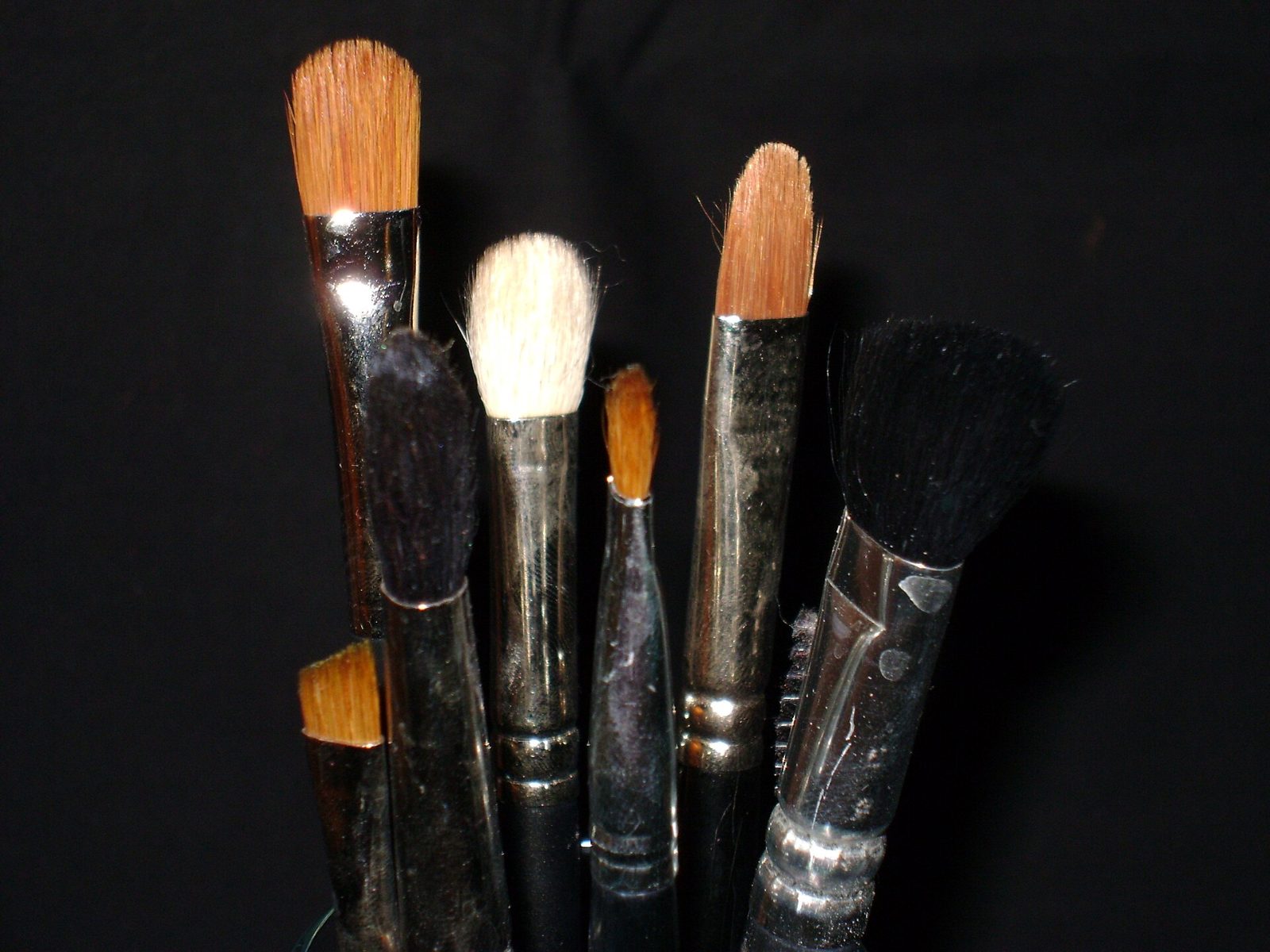
Professional makeup brushes in a kit
Photo: Evi Michailidou, CC BY-SA 3.0

Reviewing the portfolio

Look for photos and videos of real brides in natural light. Ask for unfiltered images, ideally of skin tones and types similar to yours. Check whether the artist’s style matches what you want: soft and natural, full glam, or a defined Arabic or South Asian bridal look. Social media is a good starting point, but heavily edited images hide texture, creasing and how makeup wears over time.

Hygiene for mobile artists

Mobile artists carry their kit everywhere, so good hygiene is a sign of professionalism.

What a careful freelancer does

  • Cleans brushes between clients and carries spares
  • Uses disposable mascara wands, lip brushes and sponges
  • Decants products onto a palette instead of dipping into pots
  • Sharpens pencils between uses
  • Sanitises hands and tools before starting
  • Keeps products out of the heat in transit

UAE summers are hard on makeup kits. Products left in a hot car can separate or spoil, so ask how the artist stores and transports their kit.

The trial

Book a paid trial two to three months before the wedding. Bring photos of your dress, jewellery and hijab or veil, and tell the artist about your skin type, allergies and any recent treatments. Wear the makeup for several hours, take photos in different lighting, and check your skin the next day for any reaction. Our makeup artist booking checklist lists what to confirm at the trial.

A freelancer’s real portfolio is your trial face, six hours later.

What the agreement should cover

Ask for the following in writing, by email or message at the very least:

  1. Date, start time and address.
  2. Who is being made up, and in what order.
  3. What is included: lashes, hairstyling, touch-up products, travel.
  4. Deposit amount and when the balance is due.
  5. Cancellation and rescheduling terms.
  6. What happens if the artist is ill: will they send a named replacement?
  7. Any extra fees for early starts or waiting time.

Ask about a backup artist

Many freelancers work in a network. Ask who would cover for them in an emergency and look at that person’s portfolio too.

Planning the day with a freelancer

A freelancer needs a good working space: a chair at the right height, a table, a power socket and natural light from a window if possible. Hotel rooms can be dark, so many artists bring ring lights or portable panels. Ask them what they need, and clear the space before they arrive.

Allow enough time. Bridal makeup and hair can take a few hours, and longer with lashes, detailed eye work or several people in the party. Build in time for traffic, especially on routes between emirates, and agree on an arrival time that leaves a buffer.
Bride having makeup applied in a hotel room
Photo: Marie Miller 224, CC BY-SA 4.0

Skin safety

Tell the artist about sensitive skin, eczema, acne treatments or any reaction you have had to cosmetics. Avoid new facial treatments, peels or laser in the final weeks before the wedding. If you develop swelling, hives or a spreading rash after a trial, remove the makeup gently and see a licensed doctor or dermatologist. Seek urgent help for swelling of the lips or eyes or any difficulty breathing.

Questions about price

Freelance bridal makeup prices in the UAE vary widely, depending on experience, demand, location, time of day and what is included. Compare written, itemised quotes rather than headline prices, and be wary of very low prices that may mean shortcuts on products or hygiene. Our pre-wedding beauty timeline shows when to book so you are not paying a premium for a last-minute slot.

FAQ

Are freelance makeup artists cheaper than salons?

Sometimes, but not always. Travel, early starts and assistants can add to the cost. Compare itemised quotes.

Do freelance makeup artists need a licence in the UAE?

Generally yes. The exact licence depends on the emirate and setup, so ask the artist which one they hold.

Can a freelancer do makeup for my whole bridal party?

Many can, often with assistants. Confirm how many people they can handle and how long it will take.

What if my freelancer cancels at the last minute?

That is why the agreement should name a backup plan. Ask before you pay a deposit.

Sources: UAE Government portal on freelance permits; American Academy of Dermatology; UAE Ministry of Health and Prevention.

Last reviewed: 2026-11-25. General information only, not medical advice. Please consult a licensed practitioner in the UAE about your own situation.


Vitamin C Serum Before Your Wedding: Benefits, Timing and How to Use It

Vitamin C serum is a topical antioxidant that many people use in the morning, under sunscreen, to help with dullness and uneven tone. If you want to add it before your wedding, start at least two to three months ahead, introduce it slowly, and keep using sunscreen, because vitamin C works alongside sun protection rather than replacing it.

What vitamin C does for skin

Vitamin C is an antioxidant. On the skin, it helps neutralise some of the free radicals caused by UV exposure and pollution, and it plays a role in collagen production. Dermatology sources describe topical vitamin C as helpful for brightness and for supporting sun protection when combined with sunscreen. Results build gradually over weeks, not days.

It will not erase deep pigmentation, scars or wrinkles on its own, and it is not a treatment for melasma or acne, though some people use it as part of a wider plan supervised by a dermatologist.

Types of vitamin C in serums

FormTypical feelPoints to know
L-ascorbic acidLight, sometimes tinglyThe most studied form; less stable, can irritate sensitive skin
Sodium ascorbyl phosphateGentleMore stable, often used for sensitive or acne-prone skin
Magnesium ascorbyl phosphateGentle, hydratingStable, mild
Ascorbyl glucosideGentleStable, popular in lighter formulas
Tetrahexyldecyl ascorbateOily or silkyOil-soluble, often found in creams

Serums come in a range of strengths. Higher is not always better: stronger serums can sting or irritate, especially in hot weather. If you have sensitive skin, a gentler form or lower strength is a sensible start.

Serum bottles on a bathroom shelf
Photo: Dantheman9758 at English Wikipedia (Original text: Dantheman9758 (talk)), CC BY 3.0

When to start before the wedding

  1. Three months or more before: a good time to introduce vitamin C, so any irritation has time to settle.
  2. One to two months before: keep using it consistently if your skin is happy.
  3. The final month: do not start it for the first time now. If you are already using it without problems, carry on.

Our pre-wedding beauty timeline shows how this fits with facials, exfoliation and makeup trials.

How to use it

  • Apply to clean, dry skin in the morning.
  • Use a few drops; more is not better.
  • Follow with moisturiser and a broad-spectrum sunscreen of SPF 30 or higher.
  • Start every other day for the first week or two, then increase to daily if comfortable.
  • Patch-test first on the side of the neck or jaw for a few days.

Pair it with sunscreen, every day

Vitamin C supports sun protection but cannot replace sunscreen. In the UAE, daily SPF is the single most important step for even, bright skin before your wedding.

Combining with other products

Vitamin C generally works well with sunscreen, moisturisers and hydrating serums. Many people use it in the morning and keep stronger actives, such as retinoids or exfoliating acids, for the evening to reduce the chance of irritation. If you use benzoyl peroxide, check with your dermatologist, as some combinations can reduce effectiveness or increase dryness.

The best vitamin C serum is the one you can use every morning without irritation.

Storing vitamin C in UAE heat

Vitamin C, especially L-ascorbic acid, breaks down with exposure to air, light and heat. A serum that turns dark orange or brown has oxidised and is less effective. To protect it:

  • Choose opaque, airtight bottles or pump packaging.
  • Store it in a cool place, away from the window and bathroom heat.
  • Never leave it in a hot car.
  • Close the cap tightly after each use.
  • Use it within the period shown on the packaging after opening.
Sunscreen applied after a morning serum
Photo: Facecreamband, CC BY-SA 3.0

Who should be careful

Check with a doctor or dermatologist first if you

  • Have rosacea, eczema or very reactive skin
  • Are using prescription treatments for acne or pigmentation
  • Are pregnant or breastfeeding and want to confirm your full routine is suitable
  • Have had a recent peel, laser or microneedling treatment

Stop using the serum if you get persistent stinging, redness, itching or a rash. Mild tingling for a moment can be normal with some forms, but burning that lasts is not. See a licensed dermatologist in the UAE if a reaction does not settle after stopping. Seek urgent help for swelling of the face, lips or eyes.

Setting realistic expectations

It helps to know what a serum can and cannot do in the time before your wedding. With steady use over a couple of months, many people find their skin looks a little brighter and more even, especially when they also wear sunscreen every day and get enough sleep. That is a real benefit, but it is gradual and subtle rather than dramatic.

Dark spots from old breakouts, sun damage or hormonal pigmentation tend to fade slowly, and some need professional treatment. If pigmentation is your main concern, a dermatologist can assess the cause, since different types respond to different approaches and some treatments need months to work. Starting that conversation early gives you more options and less pressure.

Photos can also be misleading. Before-and-after images online are often taken in different light or edited. A more honest way to track progress is to take your own photo in the same spot, at the same time of day, every couple of weeks. Comparing those pictures gives you a calmer, more accurate view of how your skin is responding.

Under makeup

Vitamin C serums usually sit well under makeup once fully absorbed. Let it settle for a few minutes before moisturiser and sunscreen. If a serum pills or feels sticky under foundation, try less product or a different texture. Tell your makeup artist if you use it, especially if your skin ever reacts. Our makeup artist booking checklist reminds you to share your routine at the trial.

FAQ

How long does vitamin C serum take to work?

Many people notice brighter skin after several weeks of consistent use. Changes in tone take longer.

Can I use vitamin C every day?

Many people do, once their skin is used to it. Start slowly and increase if there is no irritation.

Should I use vitamin C in the morning or at night?

Morning use under sunscreen is common because of its antioxidant role, but some people use it at night. Consistency matters more than timing.

My serum turned brown. Can I still use it?

It has likely oxidised and lost much of its effect. It is better to replace it.

Sources: American Academy of Dermatology; Skin Cancer Foundation; British Association of Dermatologists.

Cover photo: Reynosa Blogs from Reynosa Tamaulipas, Mexico, CC BY 2.0. Last reviewed: 2026-11-25. General information only, not medical advice. Please consult a licensed practitioner in the UAE about your own situation.

Bridal Makeup Kit: What to Pack for Touch-Ups on Your Wedding Day

A bridal makeup kit is a small touch-up bag that keeps your look fresh from the first photo to the last dance. At minimum it should hold your lipstick and liner, blotting papers, a pressed powder, cotton buds, tissues and a small mirror. In the UAE, add a hand fan and keep the kit out of the heat, because a car in summer can ruin makeup in minutes.

Why you need a touch-up kit

Even long-wear makeup moves over a long day. Eating, drinking, hugging guests, crying during speeches and moving between air-conditioned halls and warm outdoor spaces all take a toll. Your makeup artist will usually leave before the reception ends, so the kit is how you keep the look intact without help.

The goal is not to redo your makeup, but to fix the small things: shine on the forehead, faded lipstick, a smudge under the eyes, a lifting lash.

The essential kit

Ask your makeup artist which exact products they used, especially lipstick and powder, so your touch-ups match.

Core items

  • The lipstick or lip colour used on the day, plus the lip liner
  • Blotting papers to lift oil without disturbing makeup
  • Pressed powder in your shade, or a translucent powder
  • Cotton buds and a few makeup wipes or a small micellar water bottle
  • Tissues for tears and spills
  • A compact mirror
  • Lash glue, if you are wearing strip lashes

These items fit into a small clutch. Keep the rest for a larger bag that a bridesmaid or family member holds.

Lipsticks and lip liners on a table

Helpful extras

ItemWhy it helpsNotes
Mini setting sprayRefreshes and resets makeupHold at arm’s length to avoid spotting
Small concealerCovers smudges and rednessUse the shade from the day
Hand fanCools you before sweat startsVery useful at outdoor photo sessions
Breath mintsFresh breath for close conversationsMints rather than gum for photos
Hair pins and small combFixes loose strands and veil pinsAsk your hair stylist for spares
Safety pins and fashion tapeDress emergenciesSmall but often needed
PlastersShoe blistersClear ones photograph better
Pain relief you normally useLong day, tight shoesOnly products you already take safely

How to use blotting papers properly

Press a sheet gently onto shiny areas, such as the forehead, nose and chin, and lift it away. Do not rub, because rubbing moves foundation and creates patches. Blot first, then add a light layer of powder only if you still need it. Adding powder over oil without blotting can look cakey in photos.

Keeping your kit safe in UAE heat

Makeup products, especially lipsticks and cream products, can melt or separate in high temperatures. A car parked in the sun can get extremely hot inside, even with sunshades.

  • Keep the kit with you or with a trusted person, not in the car.
  • Use a small insulated pouch if you will spend time outdoors.
  • Store lipsticks upright in a closed case.
  • Avoid leaving setting spray or perfume in direct sun.

Plan your touch-ups like your photos: quick, scheduled, and done before you need them.

Who carries the kit

Choose one reliable person, often the maid of honour or a sister, to hold the kit and remind you to touch up at key moments: before the entrance, before photos and after dinner. If your wedding has separate men’s and women’s events, the kit stays with whoever is closest to you at each stage.

Bride touching up makeup before photos
Photo: Dr Neil Clifton, CC BY-SA 2.0

A simple touch-up routine

  1. Blot shine on the T-zone.
  2. Check under the eyes and clean any smudges with a cotton bud.
  3. Reapply lip liner and lipstick.
  4. Add a little powder where needed.
  5. Mist setting spray lightly if your makeup looks dry or powdery.

The whole routine takes a few minutes. Do it in good light, ideally near a window or with your phone’s flashlight.

Hygiene and skin safety

Use only your own products in the kit, and avoid sharing lipsticks or lash glue with guests. If you have sensitive skin, pack only products you have used before without a reaction. Wedding day is not the time to test a new setting spray or powder.

If your skin reacts

Remove the product with gentle water or micellar water. If you develop swelling of the lips, eyes or face, hives, or any breathing difficulty, seek medical help immediately. Mild redness that does not settle should be checked by a licensed doctor or dermatologist in the UAE.

Building the kit for a multi-day wedding

Many UAE weddings stretch over several events, such as a henna or mehndi night, a women-only celebration and a mixed reception, sometimes with different looks for each. In that case, pack a separate small pouch for each event, labelled with the day, so the right lip colour and lashes are ready when you need them. Your artist may use a deeper lip or a stronger eye for an evening event than for a daytime ceremony, and mixing up products in a rush can clash with your outfit.

Keep one shared pouch with the basics that never change: blotting papers, cotton buds, tissues, a mirror and safety pins. Refill it each evening so it is complete for the next day. If you are travelling between emirates for different events, keep the pouches in your hand luggage rather than the boot of the car. A little organisation the night before saves a lot of searching in a crowded bridal room.

Planning ahead

Ask your makeup artist at the trial for a list of the products used, and buy your touch-up items in advance. Our makeup artist booking checklist includes a reminder to request this list, and the pre-wedding beauty timeline shows when to buy and test each item.

FAQ

What is the most important item in a bridal touch-up kit?

Your lipstick and blotting papers. Lip colour fades fastest, and blotting keeps shine down without disturbing makeup.

Should I bring foundation for touch-ups?

Usually not. A small concealer and powder handle most fixes. Adding foundation during the event can make makeup look heavy.

Can my makeup artist stay for touch-ups?

Some artists offer to stay for part of the event for an extra fee. Ask during booking.

How do I stop makeup melting at an outdoor UAE wedding?

Schedule outdoor photos for cooler times, use a hand fan, blot regularly and ask your artist for long-wear, sweat-resistant products.

Sources: American Academy of Dermatology; UAE Ministry of Health and Prevention; NHS on allergic reactions.

Cover photo: Anna Logvinova, CC BY 3.0. Last reviewed: 2026-11-25. General information only, not medical advice. Please consult a licensed practitioner in the UAE about your own situation.
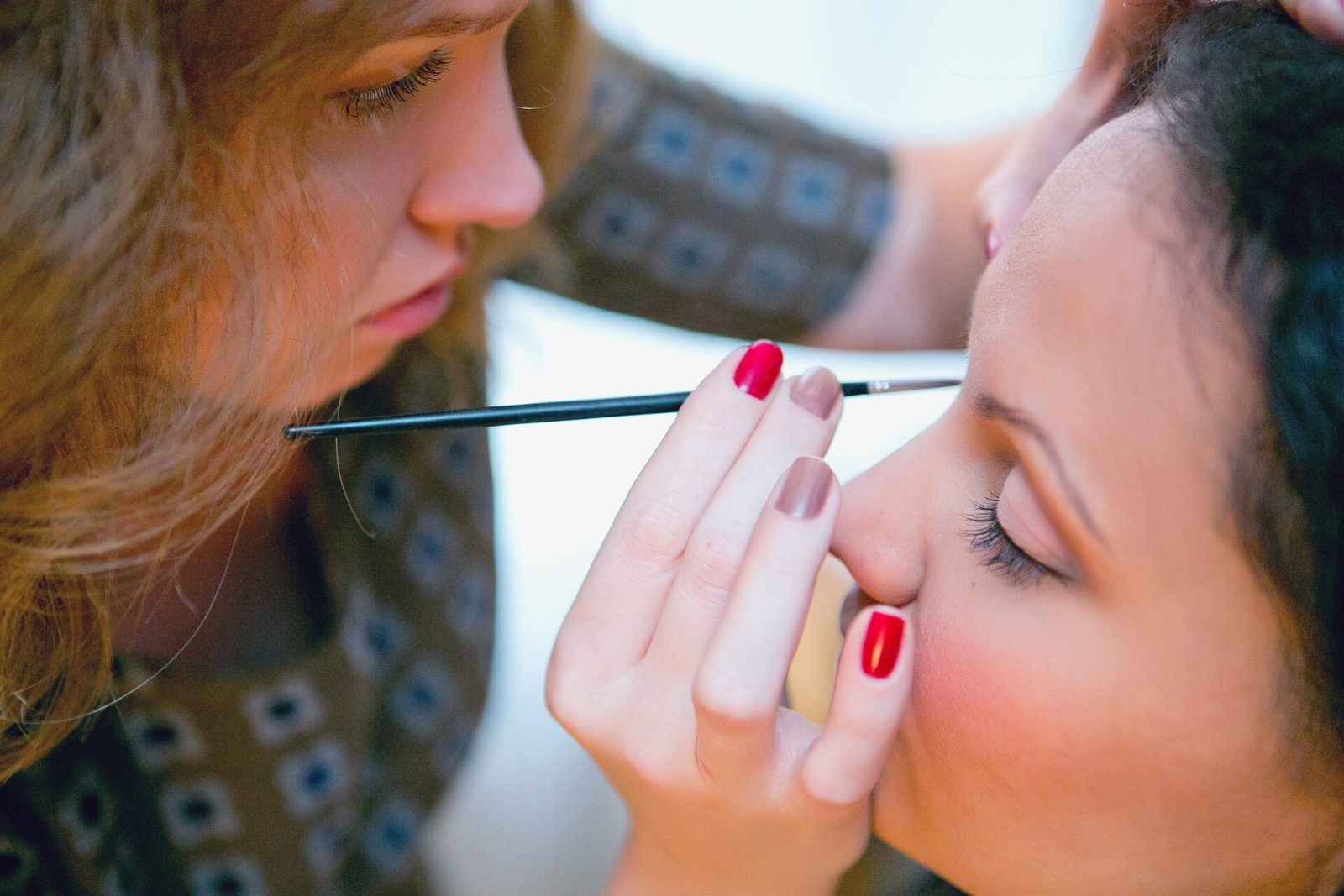
HydraFacial Side Effects: What Is Normal and When to Get Help

HydraFacial side effects are usually mild and short-lived: some redness, a feeling of tightness or warmth, and occasionally a few small breakouts in the days afterwards. Serious reactions are uncommon, but they can happen, especially on sensitive or already irritated skin, after strong retinoids or peels, or when hygiene is poor. Knowing what is normal makes it easy to spot what is not.

Normal reactions in the first 24 hours

The treatment combines exfoliating solutions, suction and extraction, so skin is mildly stimulated afterwards. Common, expected effects include:

  • Redness or pinkness, often fading within a few hours
  • Warmth or tingling, especially where exfoliating solutions were used
  • Tightness, which usually settles once you moisturise
  • Slight sensitivity to products you normally use without issue

If you had extractions on congested areas such as the nose and chin, those spots may feel a little tender for a day.

Mild redness after a facial treatment

Less common side effects

Side effectWhy it happensWhat usually helps
Small breakouts (“purging”)Congestion moving to the surface after extractionGentle cleansing, no picking; settles in days
Dryness or flakingExfoliation plus air conditioningBland moisturiser, pause active ingredients
Stinging with skincareFreshly exfoliated surfaceSkip acids and retinoids for a few days
Minor bruising or broken capillariesSuction on fragile skinTell your therapist next time to lower suction
Flare of rosacea or eczemaHeat, suction or ingredientsAvoid treatment during flares; see a dermatologist
Allergic or irritant reactionSensitivity to a serum or boosterStop products; seek medical advice if severe

Most likely to react

  • People using prescription retinoids or who recently took isotretinoin
  • Anyone who had a peel, laser, waxing or threading on the face in the past week or two
  • People with active rosacea, eczema, psoriasis or very reactive skin
  • Anyone with a recent sunburn

When a reaction is not normal

Most HydraFacial reactions fade within a day. Some signs need prompt attention.

Contact the clinic or a doctor if you notice

  • Redness, swelling or burning that worsens after 24 hours instead of improving
  • Blisters, raw or weeping areas
  • Hives, widespread itching, or swelling of the lips or eyes
  • Pus, yellow crusting, increasing warmth or fever, which may indicate infection
  • A cluster of painful small blisters, which may be a cold sore flare

If you have difficulty breathing or significant facial swelling, seek emergency care immediately.

A glow is normal. Pain is not. If your skin feels worse on day two than on day one, get it checked.

Side effects by skin type

Oily and acne-prone skin tends to tolerate the treatment well but is the most likely to notice a few spots afterwards as congestion surfaces. Resist the urge to squeeze them, which raises the risk of dark marks.

Dry or dehydrated skin may feel tight or flaky for a day or two, especially in air-conditioned rooms. A richer moisturiser and a pause on exfoliating products usually solve it.

Sensitive and rosacea-prone skin is the most likely to stay red for longer or to flare. Ask for lower suction, gentler solutions and no heat-based add-ons, and avoid booking during an active flare.

Medium to deep skin tones can develop post-inflammatory darkening if the skin is irritated or picked. Gentle extraction and strict sun protection afterwards help prevent this.

Pregnancy and HydraFacial

Many clinics treat pregnant clients with modified protocols, while others prefer to avoid exfoliating solutions containing acids during pregnancy. There is limited specific research. If you are pregnant or breastfeeding, discuss it with your doctor first and tell the clinic so they can adjust the serums they use.

How to reduce the risk of side effects

Before your appointment:

  1. Stop retinoids and exfoliating acids for a few days, or as your clinic advises.
  2. Avoid waxing, threading, peels and laser on the face for at least a week or two.
  3. Tell the therapist about every medicine and skincare product you use, including isotretinoin, even if you stopped recently.
  4. Mention any history of cold sores, rosacea or allergies.

After your appointment:

  1. Use a gentle cleanser and a plain moisturiser for a day or two.
  2. Skip makeup for the rest of the day if you can.
  3. Avoid saunas, hot yoga, steam rooms and intense exercise for 24 hours.
  4. Wear broad-spectrum sunscreen and keep out of strong sun. In the UAE, that means shade and a hat even on short outdoor trips.

Hygiene matters too

Some side effects, such as infection, are linked to how equipment is handled. On the genuine HydraFacial system, tips are designed to be single-use. Ask whether your tip is new and opened from sealed packaging, and whether the handpiece is cleaned between clients. In Dubai, clinics and healthcare professionals are licensed by the Dubai Health Authority; beauty centres are licensed separately by local authorities.

Planning around events

Because small breakouts and redness can happen, do not book your first ever HydraFacial right before a wedding or major event. Try it several weeks ahead, then book the final session a few days before the date. Our pre-wedding beauty timeline shows the ideal spacing, and the makeup artist booking checklist helps you coordinate with your makeup artist.

Applying a gentle moisturiser after treatment

Frequently asked questions

How long does redness last after a HydraFacial?

Usually a few hours, and rarely more than a day. If redness worsens after 24 hours, contact your clinic.

Is it normal to break out after a HydraFacial?

A few small spots can appear as congestion clears, typically settling within days. Widespread or painful breakouts should be reviewed by a dermatologist.

Can a HydraFacial cause burns?

It is not a heat-based treatment, so burns are not expected. Stinging, rawness or blistering suggests irritation or a reaction and should be checked.

Can I use retinol after a HydraFacial?

Most clinics suggest waiting a few days before restarting retinoids and exfoliating acids, to give the skin time to settle.

Sources: American Academy of Dermatology, HydraFacial official site, DermNet

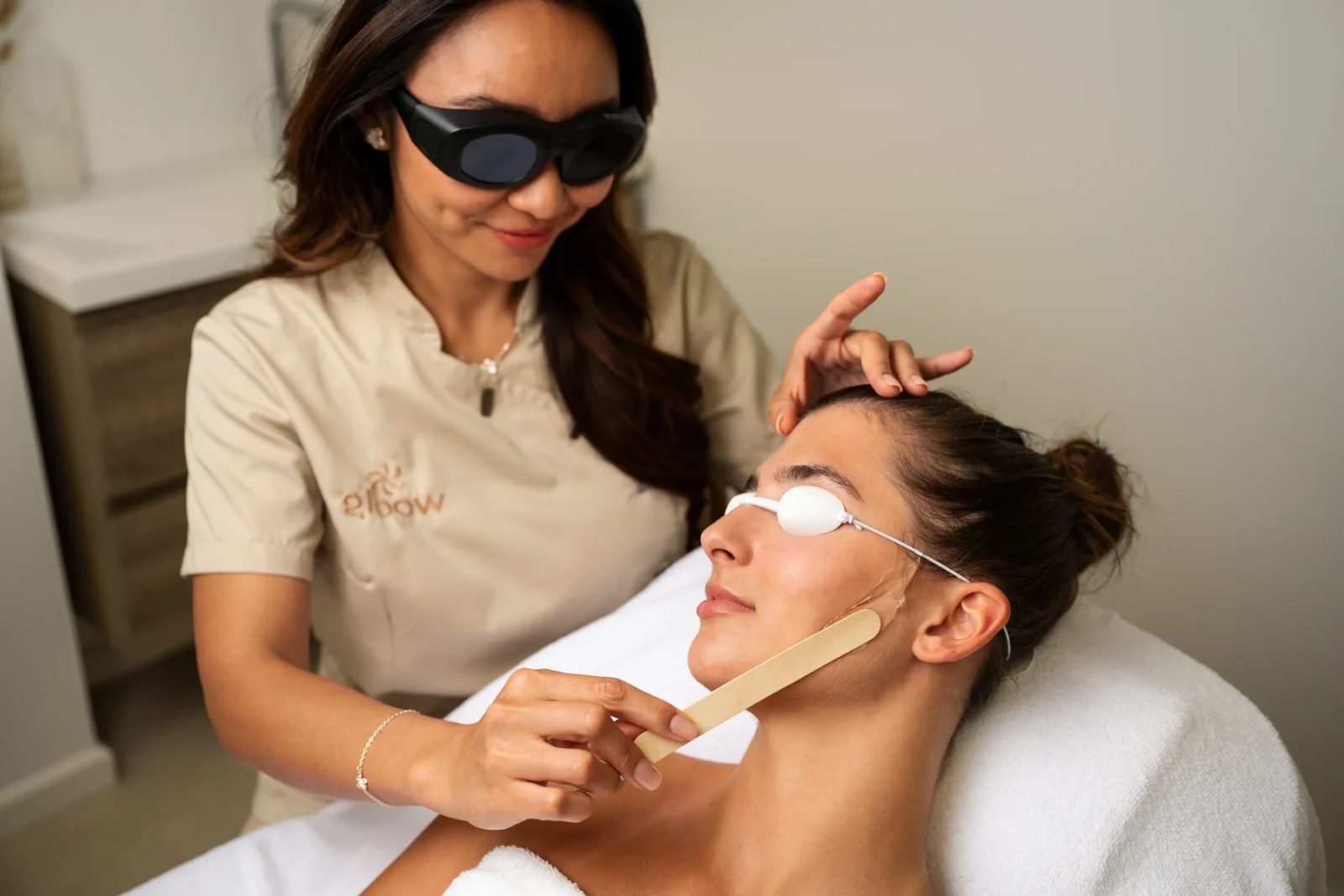
Cover photo: Gloow europe, CC BY 4.0. Last reviewed: 2026-11-25. General information only, not medical advice. Please consult a licensed practitioner in the UAE about your own situation.