What to Bring to Your Bridal Makeup Trial (and What to Ask While You Are There)

For your bridal makeup trial, bring photos of your dress, jewellery and hairstyle, a few reference images of looks you love and dislike, your veil, hijab or headpiece if you have it, and notes on your skin type and any allergies or treatments. Arrive with clean, moisturised skin, and plan to wear the makeup for several hours afterwards so you can see how it lasts.

Why the trial matters

The trial is your rehearsal. It is the time to try ideas, change your mind, and check how your skin reacts to the products, with no pressure of the wedding day. It is also your chance to see how the artist works: whether they listen, how they handle hygiene, and how they manage time.

Most brides book a trial two to three months before the wedding, after shortlisting artists. Our pre-wedding beauty timeline shows where it fits.

What to bring

Trial checklist

  • Photos of your dress, especially the neckline and colour
  • Photos or the actual jewellery, especially earrings and necklace
  • Your veil, hijab or headpiece, or clear photos of them
  • Three to five reference photos of looks you love
  • One or two photos of looks you do not want
  • A list of your skin care and any treatments in the last month
  • Notes on allergies, sensitivities or products that have irritated you
  • A top in a similar colour or neckline to your dress, if possible
  • A small mirror and your phone for photos

Wear a button-up or loose top so you can change without disturbing the makeup.

How to prepare your skin

  • Keep your usual routine in the days before; do not try new products.
  • Avoid peels, strong exfoliation, waxing or laser in the week before the trial.
  • Arrive with clean, moisturised skin and no makeup, unless the artist asks otherwise.
  • If you have a breakout, tell the artist rather than hiding it.

Questions to ask during the trial

QuestionWhy it matters
Which products and shades are you using?So you can buy touch-up items and keep the look consistent
How will the makeup hold in heat and humidity?Important for outdoor photos and long UAE events
Is this the look you would do on the day, or a variation?Confirms what you are approving
Will you personally do my makeup on the wedding day?Some artists send team members
How long will you need on the day?Helps you plan your schedule
What is included: lashes, touch-ups, hair?Avoids surprises in the final price
What happens if you are unwell on the day?Ask for a named backup

Our makeup artist booking checklist includes these questions so you can tick them off.

Speak up during the trial. Every change you ask for now is one less worry on the day.

Judging the result

Do not decide in the chair. Take photos:

  1. In natural daylight near a window.
  2. Indoors under warm lighting.
  3. With a phone flash, to see how the base and any SPF photograph.

Then wear the makeup for at least four to six hours, ideally through a normal day. Check for creasing under the eyes, fading on the lips, shine on the T-zone and how the base looks at the end. Notice how your skin feels the next day.

Bring a trusted second opinion

A friend or family member whose taste you trust can help you decide, but limit it to one person. Too many opinions in the room can make it hard to hear your own.
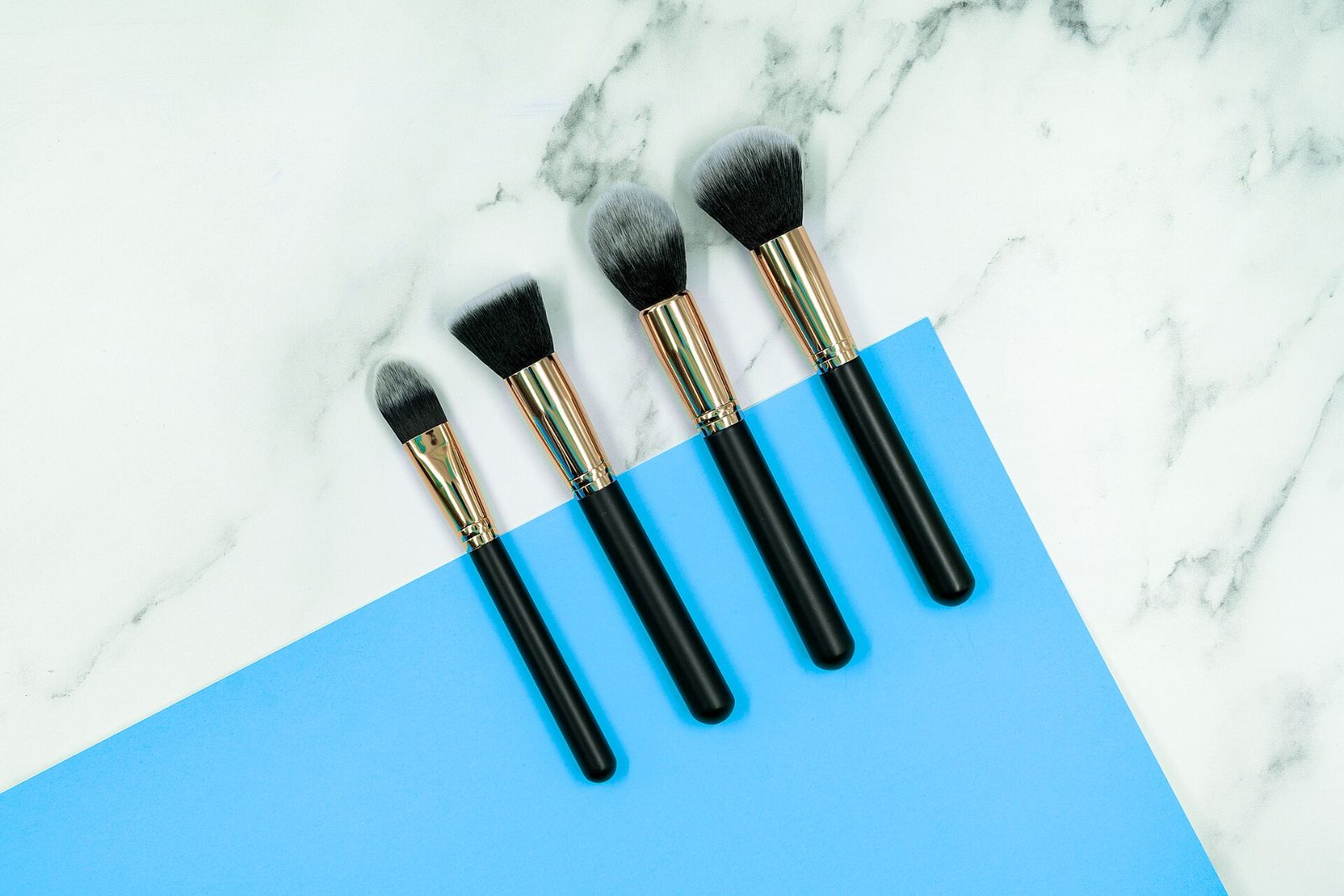
Makeup brushes prepared for a bridal trial
Photo: geehairimages, CC BY 2.0

Hygiene and skin safety

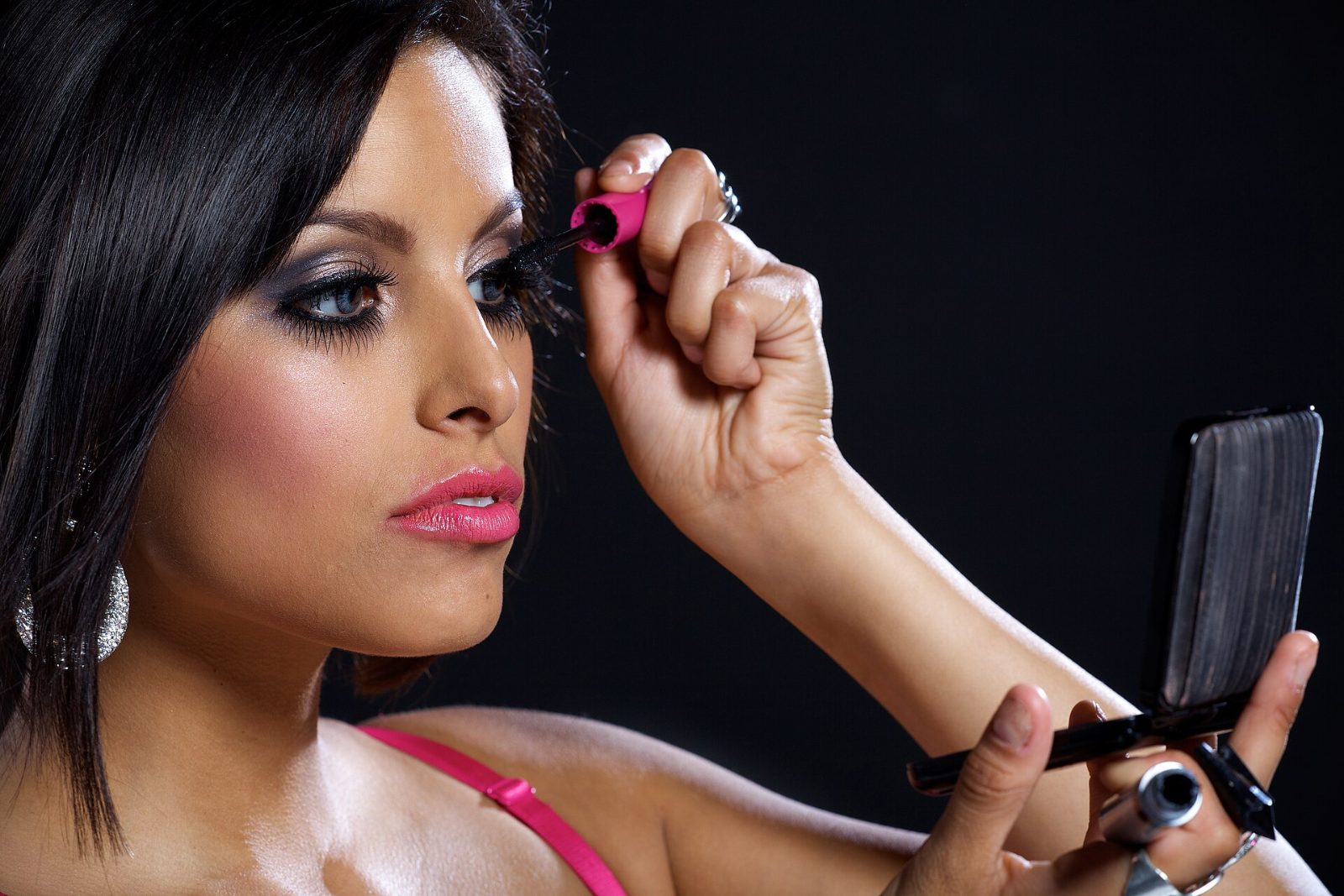
Watch how the artist handles products. Brushes should be clean, mascara wands and lip applicators should be disposable, and products should be taken out with a spatula rather than fingers. Tell the artist straight away if anything stings.
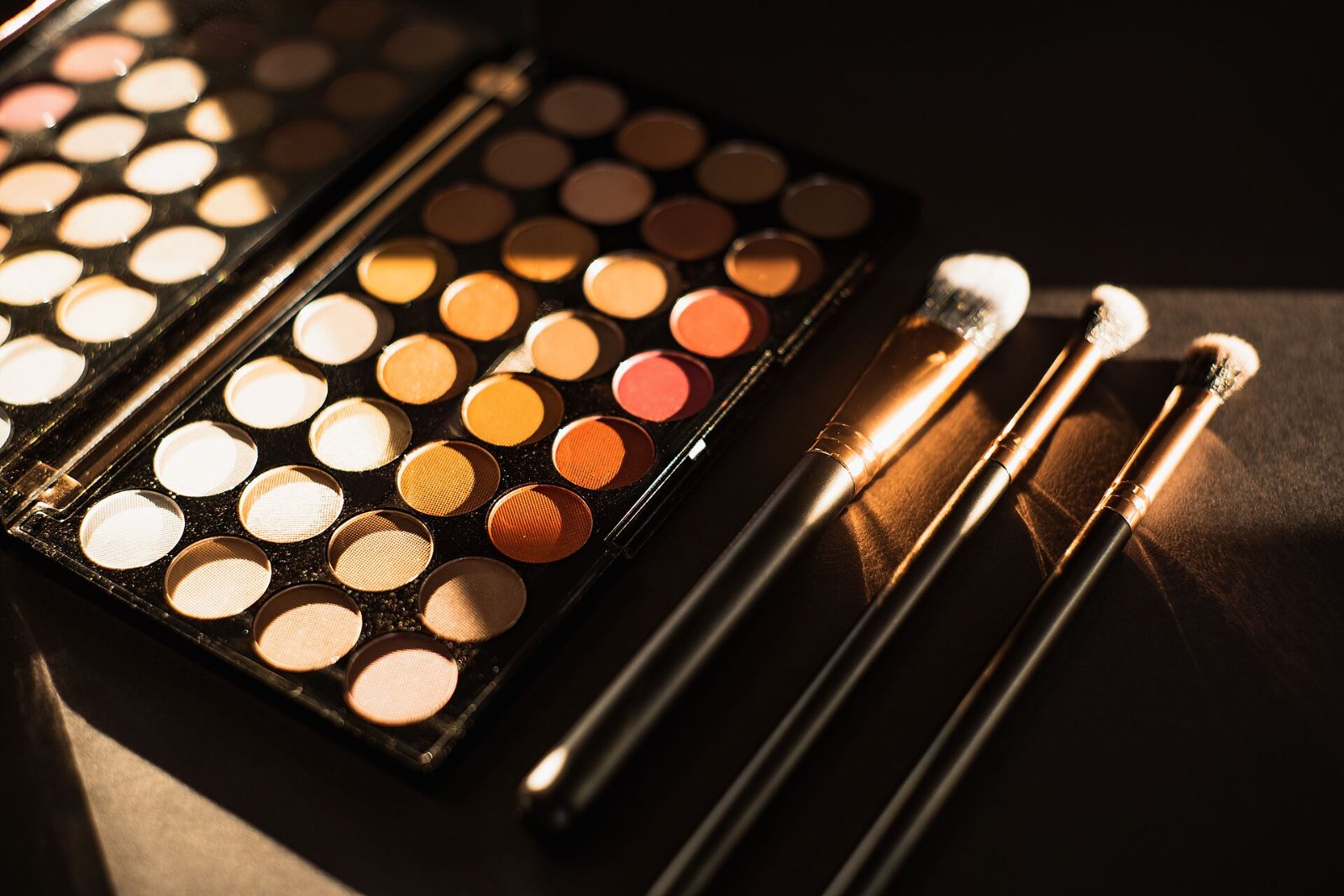
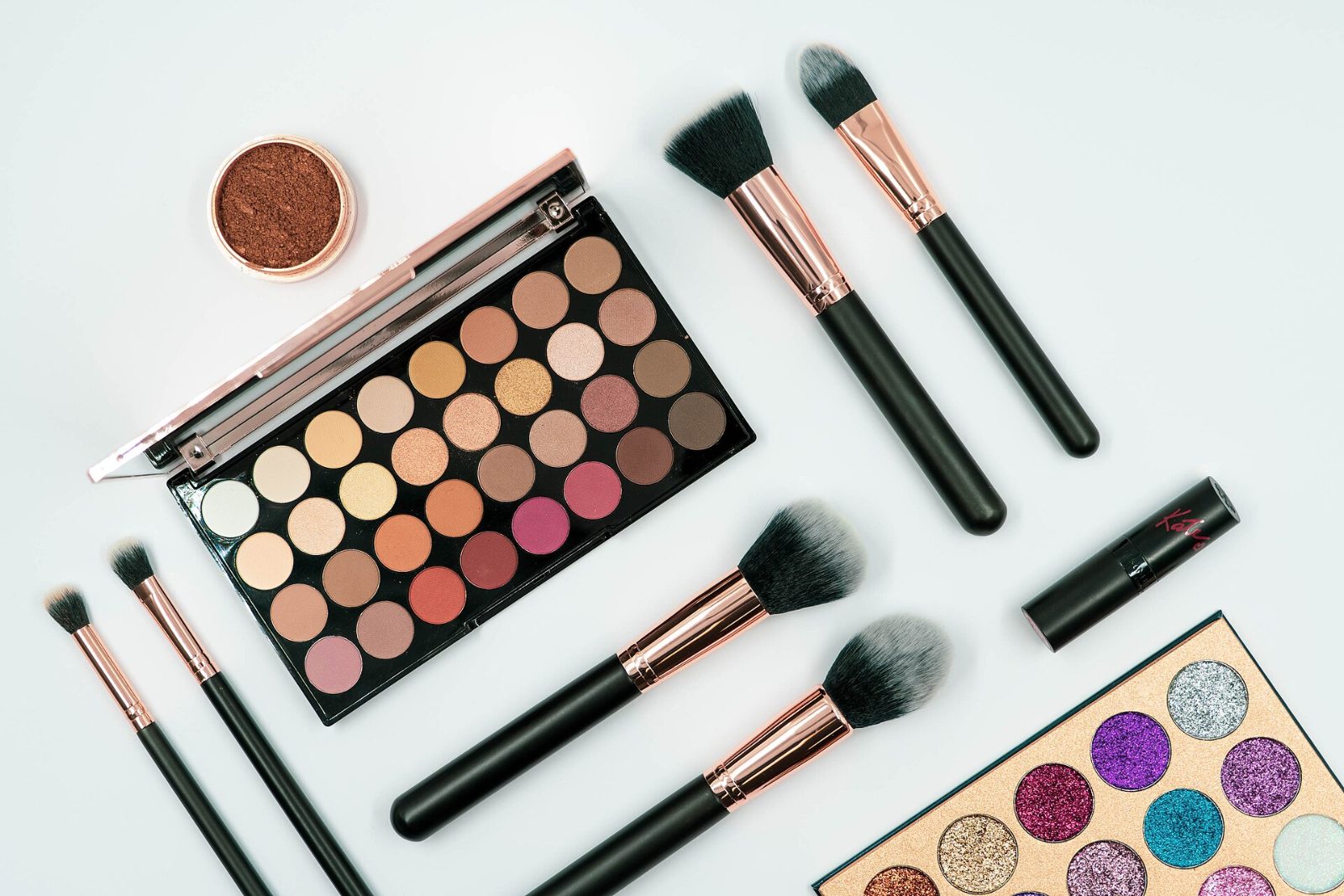
Clean makeup brushes laid out before a trial
Photo: geehairimages, CC BY 2.0

After the trial

Mild redness under lashes or where lash glue was used can happen and usually settles quickly. If you develop swelling, a spreading rash, itching that does not stop, or eye irritation that persists, remove the makeup gently and see a licensed doctor or dermatologist in the UAE. Seek urgent help for swelling of the lips, eyes or face, or any breathing difficulty.

Timing the trial with other appointments

Many brides combine the trial with a hair trial, a dress fitting or a photo session so they can see the complete look together. That can work very well, but leave enough time between appointments and keep the order sensible. If you are having a hair trial on the same day, ask both stylists who should go first, as heat styling can make you warm and affect fresh makeup, while some hijab styles are best pinned after the makeup is done.

Try to book the trial at a similar time of day to your wedding preparations, so the light and your energy levels are comparable. If your wedding is an evening event, a late-afternoon trial lets you see the look under indoor lighting later on. Avoid scheduling it straight after a facial, peel or threading session, since redness can make the base look patchy and hide how the makeup really performs. A calm, unhurried trial gives you the clearest picture of what to expect on the day.

After the trial

Write down what you liked and what you want changed while it is fresh. Send the artist a short message with your feedback and the final look, along with the photos you took. Confirm the booking in writing, with the date, timings, inclusions, deposit and cancellation terms.

If you were not happy with the trial, it is fine to book a second trial or choose a different artist. That is the point of trying first.

FAQ

How long does a bridal makeup trial take?

Often one to two hours, longer if hair is included or several looks are tried.

Should I wear makeup to my trial?

Usually no. Arrive with clean, moisturised skin unless the artist tells you otherwise.

Is a trial worth paying for?

Yes, for most brides. It reduces the risk of surprises and lets you test how your skin reacts.

What if I do not like the trial look?

Tell the artist clearly what to change. If it still is not right, consider a second trial or another artist.

Sources: American Academy of Dermatology; UAE Ministry of Health and Prevention; UAE Government portal on consumer rights.

Cover photo: Amuzujoe, CC BY-SA 4.0. Last reviewed: 2026-11-25. General information only, not medical advice. Please consult a licensed practitioner in the UAE about your own situation.

HydraFacial at Home: Home Visits, Gadgets and Safer Alternatives

A true HydraFacial uses a professional device in a clinic, so you cannot fully recreate it at home. What you can do is copy its logic, cleanse, gently exfoliate, hydrate and protect, with safe home products, or book a licensed provider who offers the treatment as a home visit. Cheap suction gadgets sold online are the option to be most careful with.

What people mean by HydraFacial at home

The phrase covers three quite different things:

  1. A home visit by a clinic or licensed therapist who brings a professional device to you.
  2. Hydradermabrasion or pore vacuum gadgets sold online, which mimic the suction step.
  3. A home routine that follows the same steps with ordinary skin care products.

Each has different risks and results. A professional device in trained hands is the closest to the clinic experience; a cheap gadget used without training carries the most risk.

Woman applying a hydrating face mask at home
Photo: Mark J Sebastian, CC BY-SA 2.0

Home visits: what to check

Mobile beauty and aesthetic services are popular in Dubai and Abu Dhabi, especially before weddings when the bride and family want treatments in one place. Before booking:

  • Ask which clinic or salon the therapist works for and check that the business is licensed to provide the service. Medical aesthetic providers in Dubai are licensed by the Dubai Health Authority and in Abu Dhabi by the Department of Health.
  • Ask which device is used and whether tips and solutions are single use.
  • Make sure the therapist asks about medications, allergies, pregnancy and recent treatments.
  • Expect a clean surface, a proper bed or reclining chair and good lighting.

If a provider cannot answer these questions clearly, book somewhere else.

Suction gadgets and hydradermabrasion devices

Small handheld pore vacuums and home hydradermabrasion machines are widely sold online. They can lift some surface oil, but they also carry real risks when used too strongly or for too long on one spot.

Risks of home suction devices

  • Bruising and tiny red dots from broken capillaries, especially on thin or sensitive skin
  • Irritation, redness and sensitivity that can last for days
  • Spreading bacteria if tips are not cleaned properly
  • Worsening of rosacea, active acne or broken skin
  • Dark marks on deeper skin tones after irritation

If you still decide to use one, choose the lowest setting, keep the device moving, never hold it over one area, and avoid the eyes, active spots and any broken skin. Stop at the first sign of bruising.

A safer home routine inspired by the treatment

HydraFacial stepHome equivalentNotes
CleanseGentle gel or cream cleanser, or a double cleanseMassage for a full minute
PeelMild chemical exfoliant such as lactic or low strength salicylic acidOnce or twice a week, not daily
ExtractSkip manual extraction; let the exfoliant do the workSqueezing raises the risk of marks
HydrateHyaluronic acid or glycerin serum on damp skinLayer under moisturiser
ProtectMoisturiser in the evening, sunscreen in the morningSunscreen is essential in the UAE

A hydrating sheet mask after exfoliation can give a pleasant glow for an evening out, though the effect is temporary.

A woman wearing a hydrating sheet mask

A step by step home session

  1. Remove makeup and sunscreen with a cleansing oil or balm, then rinse.
  2. Follow with a gentle gel or cream cleanser and pat dry.
  3. Apply a mild exfoliating toner or serum and leave it for the time stated on the label.
  4. Rinse if the product requires it, then apply a hydrating serum while the skin is still slightly damp.
  5. Use a sheet mask or hydrating mask for ten to fifteen minutes if you like.
  6. Seal with moisturiser. If it is daytime, finish with a broad spectrum sunscreen.

Keep the whole session gentle. Mild warmth or tingling from the exfoliant is common; stinging that lasts or burning means rinse it off and skip that product.

Who should not try at home treatments

  • Anyone pregnant or breastfeeding should ask their doctor before using exfoliating acids or devices
  • People using isotretinoin or prescription retinoids
  • People with rosacea, eczema, active cold sores, sunburn or broken skin
  • Anyone who has had injectables, laser or a peel in the last two weeks
  • People with a tendency to bruise easily or who take blood thinning medication

Results you can expect

A careful home routine will improve the feel and look of the skin over weeks, but it will not match the deep cleansing and simultaneous serum delivery of a professional device. The glow after a clinic session comes from the combination of exfoliation, suction and serum infusion in one sitting. Treat home care as maintenance between sessions rather than a replacement.

Before a wedding

Avoid experimenting with a new home device or strong exfoliant in the final month. Use what your skin already tolerates, and book any professional facial a few days before the wedding after a trial session earlier. Our pre-wedding beauty timeline helps you plan the dates.

Copy the steps, not the suction: gentle cleansing, mild exfoliation and good hydration are what you can safely do at home.

Red flags that need attention

Stop any home treatment and contact a licensed practitioner if you notice bruising that does not fade, blistering, swelling, a rash spreading beyond the treated area, signs of infection such as pus or increasing pain, or any breathing difficulty, which needs emergency care.

Is a home HydraFacial device as good as a clinic one?

No. Home gadgets are less powerful and less controlled. They can give a mild cleansing effect but cannot replicate the professional system safely.

Can I book a HydraFacial at home in Dubai?

Some licensed clinics and salons offer home visits. Check the provider’s licence, the device used and their hygiene practices before booking.

How often can I exfoliate at home?

Most people do well with one or two sessions a week using a mild chemical exfoliant. Reduce frequency if you notice stinging or dryness.

Are pore vacuums safe?

They can cause bruising and broken capillaries, especially on sensitive skin. If you use one, use the lowest setting and keep it moving.

Sources: American Academy of Dermatology, Dubai Health Authority, HydraFacial official site

Last reviewed: 2026-11-25. General information only, not medical advice. Please consult a licensed practitioner in the UAE about your own situation.

Is HydraFacial Safe During Pregnancy? What Clinics and Doctors Advise

There is little research on HydraFacial during pregnancy, so no one can promise it is completely safe. Many clinics either decline pregnant clients or offer a modified version that skips the acid peel step, and most ask for approval from your obstetrician first. If you want a facial while pregnant, talk to your doctor, then choose a licensed clinic that adapts the treatment.

Why the answer is cautious

Pregnant women are rarely included in cosmetic treatment studies, so most advice is based on what is known about individual ingredients rather than on trials of the treatment itself. That is why you will hear different answers from different clinics.

The main questions are about ingredients in the solutions, not the suction or the water based serums. Some HydraFacial peel solutions contain salicylic acid and other exfoliating acids. Health bodies generally advise caution with salicylic acid in pregnancy, especially in high strengths or over large areas, while low concentrations in wash off products are often considered lower risk. Your doctor is the right person to weigh that up for you.

A pregnant woman relaxing at home
Photo: Ed Yourdon, CC BY-SA 2.0

How clinics usually handle pregnant clients

ApproachWhat it meansWhat to ask
Decline until after birthNo treatment during pregnancyAsk about gentle non device facials instead
Modified HydraFacialCleansing and hydration steps only, no acid peelWhich solutions are used and what they contain
Full treatment with doctor’s noteStandard steps if your obstetrician approvesBring the ingredient list to your doctor

A clinic that does not ask whether you are pregnant before starting is not following good practice. In Dubai, look for facilities licensed by the Dubai Health Authority; in Abu Dhabi, by the Department of Health.

Avoid or postpone if

  • You have not discussed it with your obstetrician or midwife
  • Your pregnancy is considered high risk
  • You have pregnancy related skin conditions such as a new rash, intense itching or blistering, which need medical review rather than a facial
  • You are in the first trimester and your doctor prefers you to wait
  • The clinic cannot tell you exactly what is in each solution

Pregnancy skin changes and what helps

Hormonal changes in pregnancy can bring:

  • Melasma, patches of darker skin on the cheeks, forehead or upper lip, made worse by sun exposure
  • Acne or a change in oiliness
  • Sensitivity to products you used comfortably before
  • Dryness, particularly with long hours in air conditioning

Gentle care is usually the safest approach. Doctors often suggest a mild cleanser, a fragrance free moisturiser and daily broad spectrum sunscreen. Mineral sunscreens with zinc oxide or titanium dioxide are a common choice. Hats and shade help a great deal with melasma in UAE sunshine.

A wide brimmed sun hat for sun protection

Ingredients commonly avoided in pregnancy

Your doctor will give personalised advice, but these are often flagged:

  • Retinoids, including retinol and prescription retinoids
  • High strength salicylic acid peels
  • Hydroquinone, which is frequently avoided as a precaution
  • Some essential oils in high concentrations

Ingredients such as azelaic acid, niacinamide, hyaluronic acid and glycerin are often considered gentler options, but check each product with your doctor or pharmacist.

A safer facial during pregnancy

If your doctor is comfortable with a facial, a gentle approach could look like this:

  1. Cleanse with a mild, fragrance free product.
  2. Use hydrating serums and a soothing mask.
  3. Skip strong acids, peels and retinoids.
  4. Avoid lying flat on your back for long periods later in pregnancy; ask for a reclined position or pillows.
  5. Finish with moisturiser and mineral sunscreen.

Pregnant brides and wedding guests

If you are pregnant before your wedding or a family celebration, plan your skin care with your doctor early. Our pre-wedding beauty timeline can be adapted by removing treatments your doctor advises against. Let your makeup artist know too, since some brides become more sensitive to fragrance; the makeup artist booking checklist has a space for this.

Questions to take to your doctor

Bring the clinic’s ingredient list to your antenatal appointment and ask:

  • Is a facial with mild exfoliation acceptable at my stage of pregnancy?
  • Should the salicylic acid or other peel steps be left out?
  • Are there any skin conditions you want to rule out before I book?
  • Which sunscreen and moisturiser do you suggest for melasma and dryness?
  • Is there anything in my medical history that makes cosmetic treatments a bad idea right now?

Having these answers written down makes the conversation with the clinic simple. A good therapist will be glad to follow your doctor’s guidance and adjust the treatment accordingly.

Comfort during any treatment

Later in pregnancy, lying flat on your back for long periods can make some women feel dizzy or unwell. Ask for a reclined position, extra pillows and short breaks. Strong scents from products or candles can trigger nausea, so ask for a fragrance free setting. Stay hydrated, especially in summer when the walk from the car park can be hot.

After birth and while breastfeeding

Many clinics also ask about breastfeeding. Advice varies, and some practitioners prefer to avoid acid peels during this time as well. Ask your doctor, and remember that skin changes such as melasma often improve gradually after pregnancy, though not always fully.

When in doubt, wait. A facial can be booked after pregnancy, but your doctor’s advice matters most now.

Red flags during pregnancy

Seek medical advice promptly for intense itching, especially on the palms and soles, widespread rash, blistering or sudden swelling of the face or hands. These may be signs of conditions that need medical attention and are not cosmetic concerns.

Is HydraFacial safe in the first trimester?

There is little evidence either way. Many doctors and clinics suggest waiting, especially in the first trimester. Ask your obstetrician.

Does HydraFacial contain salicylic acid?

Some of the peel solutions used in the standard treatment contain salicylic acid. A clinic can often skip or swap that step for pregnant clients.

What can I do for pregnancy melasma?

Daily broad spectrum sunscreen, shade and a gentle routine are the main steps. Ask your doctor before using any pigment treatments.

Can I have a HydraFacial while breastfeeding?

Advice varies. Many practitioners modify the treatment or avoid acid peels. Check with your doctor first.

Sources: American College of Obstetricians and Gynecologists, American Academy of Dermatology, NHS pregnancy guidance

Last reviewed: 2026-11-25. General information only, not medical advice. Please consult a licensed practitioner in the UAE about your own situation.

How Long After Microneedling Can I Wear Makeup?

Most practitioners advise waiting at least 24 hours after microneedling before wearing makeup, and many suggest 48 hours or longer if the skin is still red, tender or has pinpoint bleeding. The exact time depends on the depth of the treatment and on your skin, so the instructions your own practitioner gives you should always come first.

Why you need to wait

Microneedling uses a device with fine needles to create tiny channels in the skin. These micro-injuries prompt a healing response that can improve texture over time, which is why it is popular for acne scars, enlarged pores and fine lines. But for a short time afterwards, the skin barrier is open.

Applying makeup too soon can:

  • Push product, bacteria and pigment into those open channels
  • Increase the risk of irritation, breakouts and infection
  • Trigger an allergic or irritant reaction in freshly treated skin
  • In rare cases, contribute to small granulomas, which are lumps caused by the body reacting to foreign material

Clean skin and clean hands in the first day or two are part of what makes the treatment work.

0 to 24 hNo makeupClean, cool, calm24 to 48 hOnly if advised:light, clean products48 to 72 hUsual makeup onceredness has settledAbout 1 weekActives backif your skin agrees

A general timeline

Time after treatmentWhat skin often looks likeMakeup and skincare
First 24 hoursRed, warm, tight, like mild sunburnNo makeup; gentle cleanser and the soothing product your practitioner recommends
24 to 48 hoursRedness fading; may feel drySome practitioners allow light mineral makeup; ask first
48 to 72 hoursOften mostly calm; possible light flakingUsual makeup if skin is comfortable and there are no open areas
Around 1 weekBack to normal for many peopleRetinoids, acids and exfoliants only when advised

Deeper treatments, combination treatments (for example microneedling with radiofrequency) and sensitive skin can all need longer.

Clean makeup brushes before reapplying makeup
Photo: geehairimages, CC BY 2.0

How to reintroduce makeup safely

When you get the go-ahead, a few habits reduce the risk of irritation:

  • Use clean tools: wash brushes and sponges before the first application, or use a fresh sponge
  • Start with fewer products: a light, fragrance-free base or mineral powder rather than full coverage
  • Avoid exfoliating products: scrubs, acids and retinoid-containing makeup or primers
  • Skip heavy setting sprays with alcohol if your skin stings
  • Apply gently: press rather than rub, and avoid tugging at the skin
  • Remove makeup gently at night with a mild cleanser

Fresh products help

If your concealer or foundation is old, or has been used with fingers for months, consider using a new one after treatment. Old, contaminated products are a common cause of breakouts on freshly treated skin.

Sun and heat matter more in the UAE

Treated skin is more sensitive to UV, and the UAE sun is strong. Stay out of direct sun as much as possible for the first days and wear the sunscreen your practitioner recommends once they say it is safe to apply. Avoid saunas, steam rooms, hot yoga, swimming pools and heavy exercise for at least the first day or two, as sweat, heat and chlorine can irritate the skin.

Planning microneedling before a wedding

If microneedling is part of your pre-wedding skin plan, timing is key:

Wedding timing pointers

  • Most courses involve several sessions a few weeks apart, so start months ahead
  • Book the final session at least two to four weeks before the wedding
  • Plan your makeup trial for when your skin has recovered, not in the days after a session
  • Never try microneedling for the first time in the final month

Use our Pre-Wedding Beauty Timeline to slot sessions in around your facials and trial, and mention any treatments to your makeup artist; it is one of the points in our Makeup Artist Booking Checklist.

Who should avoid microneedling or check first

Speak to a doctor first if you

  • Are pregnant or breastfeeding
  • Have active acne, cold sores, eczema, psoriasis or a skin infection in the area
  • Have used isotretinoin recently
  • Tend to form keloid or raised scars
  • Have a bleeding disorder or take blood-thinning medication
  • Have a condition or medication that affects healing

Red flags after treatment

Contact your practitioner or a licensed doctor in the UAE if you notice increasing pain, swelling, warmth, pus, fever, spreading redness, lasting bumps or dark patches. These can be signs of infection, a reaction or pigmentation and should be checked, not covered with makeup.

What to use in the first days instead of makeup

If you feel self-conscious about redness in the first day or two, there are gentle ways to manage without makeup. Plan the treatment for a day when you can stay home, such as before a weekend. Keep your skincare minimal: the cleanser and soothing moisturiser your practitioner suggests, applied with clean hands. A cool compress made from a clean cloth can make the skin feel more comfortable. Wear a wide-brimmed hat and sunglasses if you need to go outdoors.

If you have video calls for work, soft lighting in front of you, rather than overhead, makes redness much less visible on camera. It is also worth telling colleagues or family in advance so you do not feel pressured to cover the skin before it is ready.

Wide-brimmed hat for sun protection after treatment

Home devices versus clinic treatments

At-home derma rollers use shorter needles and are not the same as professional microneedling. They still carry a risk of infection if not cleaned properly or if used too often. In the UAE, professional microneedling should be done in a facility licensed by the relevant health authority, by a trained and licensed practitioner. Ask about needle depth, the device used, single-use cartridges and aftercare.

Give your skin a clean, calm day or two after microneedling. Makeup can wait; healing cannot be rushed.

Frequently asked questions

Can I wear mineral makeup right after microneedling?

Some practitioners allow mineral makeup after 24 hours, but not immediately after treatment. Ask your practitioner before applying anything.

Can I wear sunscreen after microneedling?

Sun protection is important after treatment, but freshly treated skin may react to some formulas. Use the product and timing your practitioner recommends.

When can I go back to my retinol after microneedling?

Usually not for several days to a week or more. Your practitioner will tell you when, based on how deep the treatment was.

What if I have an event the day after microneedling?

It is better to reschedule the treatment. Redness can last a day or more, and you should not cover freshly treated skin with makeup.

Sources: American Academy of Dermatology, NHS, Dubai Health Authority

Last reviewed: 2026-11-26. General information only, not medical advice. Please consult a licensed practitioner in the UAE about your own situation.

Bridal Hair or Makeup First? How to Decide the Order on Your Wedding Morning

There is no single correct order, but many teams do the bride’s hair first and makeup second, or work on both in stages. Hair first protects your finished makeup from hairspray, heat tools and sweat, while makeup first can help with certain styles, especially when the hair needs to frame finished makeup or when a hijab is involved. The best order is the one your artist and stylist agree on for your look and timeline.

Why hair first is common

  • Heat and steam: blow-drying and curling are warm, which can make you sweat, especially in a warm room
  • Products: hairspray and other styling products can settle on the face
  • Freshness: makeup done later looks fresher for the ceremony and photos
  • Hairline blending: the artist can blend foundation to the finished hairline and adjust around face-framing pieces

Many stylists protect the face with a cape or towel and hold a hand or card in front of the face when spraying, but hair first removes the worry.

Hair firstLots of heat stylingHeavy hairsprayWant freshest makeupfor the ceremonyMakeup firstHijab or shayla stylingSleek styles needingthe face finishedArtist preferenceStagedCurls set whilemakeup is appliedFinal hair stylingat the end

When makeup first makes sense

  • Hijab, shayla or niqab styling: the face is usually finished first, and the hijab is styled over it
  • Very sleek or slicked-back hair: some artists prefer the hair to be pulled back after makeup so the hairline is clean
  • Face-framing styles: a stylist may want to see the finished makeup to place pieces around it
  • Artist and stylist preference: some teams simply work better in a certain order

The staged approach

Many experienced teams work in stages. For example, the stylist preps and sets curls, the artist applies makeup while the hair sets, and the stylist finishes the style at the end. This keeps both professionals working and saves time. Ask your team whether they plan to work this way.

OrderAdvantagesWatch-outs
Hair firstMakeup stays fresh; no sweat or spray on finished faceHair may drop slightly while makeup is done
Makeup firstGood for hijab styling; hairline visibleProtect makeup from spray and heat
StagedEfficient; both look freshNeeds good coordination between artist and stylist
Hair being styled with a curling iron
Hairstylist preparing a bridal hairstyle

How hijab styling changes the order

For brides who wear a hijab, the usual sequence is makeup first, then hijab styling, sometimes with an under-cap placed before makeup to keep hair off the face. Key points:

  • Agree on whether the under-cap goes on before or after foundation
  • Ask the artist to blend foundation well at the edges where fabric will sit
  • Use transfer-resistant base and setting spray to protect light-coloured fabric
  • Allow time for pinning and accessories after makeup

Veils, headpieces and jewellery

Veils and headpieces are usually placed last. Heavy jewellery such as a maang tikka, matha patti or tiara may affect how the hair is styled and where makeup needs to be clean, so bring them to both trials. Earrings and necklaces should go on after makeup to avoid transfer.

Planning the morning with your team

Questions to ask your artist and stylist

  • Which order do you prefer, and why?
  • Will you work in stages or one after the other?
  • How long does each step take?
  • Who is the last person to touch the bride before the dress goes on?
  • How will you protect the makeup when spraying hair?
  • Will you stay for touch-ups or veil placement?

Our Makeup Artist Booking Checklist includes more questions about timings. For the overall schedule, see our guide on how long bridal makeup takes.

Practical tips for the wedding morning

  • Arrive with clean, dry hair prepared as your stylist instructs
  • Wear a button-front top so nothing goes over your head
  • Keep the room cool, but not so cold that your skin dries out
  • Eat before the appointments start
  • Drink water through a straw once lipstick is on

Protect your face during hair styling

If hair goes second, ask the stylist to hold a shield in front of your face when spraying, and keep a clean tissue to blot any spray. Your artist can do a quick check after the hair is finished.

What about bridesmaids and family?

The same question applies to everyone getting ready, and the order often depends on who is available. With one artist and one stylist, a rotation usually works best: while one person has hair done, another has makeup, and they swap. People with simpler looks, or those who need to leave early for other duties, often go first. Mothers and the bride usually go near the end so they look freshest in the main family photos.

If several people wear a hijab, plan for the time each one needs to pin and style it after makeup, and make sure there is a mirror and good light for this step, separate from the makeup station. If the photographer wants getting-ready shots, let them know which order you are using so they can catch the moments they want, such as the final touches of lipstick or the veil being placed.

When the weather plays a part

For outdoor ceremonies or photos on a warm day, many teams prefer to finish makeup as late as possible so it has less time in the heat. Humidity near the coast can also make curls drop faster, so the stylist may want to finish hair later too, which is where a staged approach helps. Discuss the forecast and venue with both professionals a few days before.

Sensitivities and comfort

Hairspray and heat can irritate sensitive skin and eyes. If you have asthma, allergies or sensitive skin, tell your stylist and ask for products and ventilation that suit you. Keep your eyes closed when spray is used near your face. If you get persistent eye irritation, redness or breathing discomfort, stop and seek advice from a licensed doctor in the UAE.

Hair or makeup first matters less than the plan. Agree the order with your team at the trial, and stick to it on the day.

Frequently asked questions

Do brides usually do hair or makeup first?

Many teams do hair first so makeup stays fresh, but makeup first is common for hijab styling and some sleek styles. Staged approaches are also popular.

Will hairspray ruin my makeup?

It can leave a film or feel tacky if sprayed directly on the face. Stylists usually shield the face, and your artist can blot and touch up afterwards.

Should I do my hair and makeup trial on the same day?

It is very helpful. You see the full look together and can test the order you plan to use on the wedding day.

When should the veil go on?

Usually after both hair and makeup are complete, just before or after getting dressed, depending on the veil and dress.

Sources: American Academy of Dermatology, American Academy of Ophthalmology, NHS: Asthma

Last reviewed: 2026-11-26. General information only, not medical advice. Please consult a licensed practitioner in the UAE about your own situation.
Natural Bridal Makeup Looks: Five Ways to Look Like Yourself, Only More Rested

Natural bridal makeup is designed to make you look like yourself on your best day: skin that looks like skin, softly defined eyes and brows, a healthy flush and a lip close to your own colour. It suits brides who rarely wear much makeup, daytime and outdoor weddings, and anyone who wants to recognise themselves in the photos. The challenge is that “natural” still needs enough definition to show up on camera.

Five natural looks to consider

1. No-makeup makeup

Sheer skin tint, concealer only where needed, groomed brows, curled lashes with brown-black mascara and a tinted balm. The most minimal option; best for brides with calm, even skin and soft daylight photos.

2. Fresh glow

A light, luminous base, cream blush, a subtle highlight on the cheekbones and a rosy nude lip. Looks healthy and radiant, especially at outdoor and garden venues.

3. Soft definition

Natural base with a little more definition around the eyes: a soft brown in the crease, tightlined lashes and a few individual lashes at the outer corners. A good middle ground for photos.

4. Sun-kissed natural

Bronzer where the sun would naturally hit, peach blush and soft gold on the lids. Suits beach weddings and warm skin tones.

5. Natural with a statement lip

Everything minimal except a defined lip in rose, berry or red. Simple, classic and striking in photos.

LookCoverageEyesBest for
No-makeup makeupVery sheerMascara onlyCalm, even skin; daytime
Fresh glowLightSoft wash of colourGarden and outdoor venues
Soft definitionLight to mediumSoft crease, tightline, a few lashesBrides who want natural but photo-ready
Sun-kissedLightBronze and goldBeach and warm-toned brides
Statement lipLightMinimalClassic, timeless photos

If you are deciding between natural and something fuller, see our guides to soft glam bridal makeup and neutral bridal makeup.

Skin prep is the real foundation

With minimal makeup, your skin is on show. Starting a consistent routine months ahead gives the biggest improvement: gentle cleansing, a suitable moisturiser and daily sunscreen, with any active ingredients introduced early. Our bridal skin care routine guide covers this in detail, and the Pre-Wedding Beauty Timeline shows when to fit in professional treatments.

Avoid in the final weeks

  • New active products, peels or facials you have not had before
  • Strong exfoliation that can leave redness or flaking
  • First-time brow or lash tints without a patch test
  • Sunburn or uneven tan from beach days and outdoor events

Making natural makeup photograph well

Natural makeup can disappear in photos, especially with flash or in bright daylight. A few adjustments help:

  • Brows: groomed and lightly filled to frame the face
  • Lashes: curled and defined; a few individual lashes at the outer corners look natural in person and show in photos
  • Blush: slightly more than you would wear every day, blended well
  • Lips: a shade a little deeper than your natural lip colour
  • Concealer: thin, but enough to even out redness and shadows

Do the photo test

At your trial, take photos in daylight, indoors and with flash, and look at them on a larger screen. If you look washed out, ask your artist to add a little more definition to the brows, lashes and lips rather than more foundation.

Bridal bouquet for a natural wedding look

Keeping a natural look fresh in UAE heat

Light coverage is comfortable in warm weather, but shine and sweat can still affect the look:

  • Use a long-wear skin tint or light foundation, not just moisturiser
  • Set the T-zone lightly with a fine powder
  • Choose waterproof mascara
  • Keep blotting papers and your lip product nearby
  • For outdoor photos, schedule them in the softer light of morning or late afternoon

Natural looks with a hijab or veil

Natural makeup pairs beautifully with a hijab, as the fabric frames the face. A soft flush on the cheeks and well-groomed brows keep the face from looking flat. With a veil, check the look in photos with the veil on, since sheer fabric can soften features further.

Choosing an artist for a natural look

Some artists specialise in full glam and find natural looks harder to deliver. Look for portfolios that show visible skin texture, soft definition and brides who look like themselves. Explain clearly how much makeup you are comfortable with, and bring photos of yourself on a good day as well as reference images. Our Makeup Artist Booking Checklist helps you prepare.

Sensitive skin and minimal routines

A natural look usually means fewer products, which is good news for sensitive skin. Still, patch test the products your artist plans to use, and tell them about any allergies, eczema or rosacea. If you notice stinging, redness or swelling, remove the product and seek advice from a licensed doctor in the UAE.

Keeping it natural across several events

If you have more than one celebration, you can keep the same natural base and adjust just one feature per event. A fresh glow might suit a daytime ceremony, while the evening could add a slightly deeper lip and a few more lashes. Small changes like these keep you looking like yourself in every photo while giving each occasion its own feel.

Fresh flowers for a natural wedding
Photo: Sam Oth (User:World Trekker), CC BY-SA 2.5

Natural bridal makeup is not no makeup. It is just enough, placed carefully, so you look like yourself in every photo.

Frequently asked questions

Will natural makeup look too plain in wedding photos?

Not if it includes enough definition. Groomed brows, defined lashes, a little extra blush and a lip slightly deeper than your own make a natural look photograph well.

Do I still need a trial for natural makeup?

Yes. A trial shows how the products work on your skin and whether the look has enough definition for photos.

Can I do my own natural bridal makeup?

Many brides do, especially for very minimal looks. Practise several times in the same lighting and test photos before the day.

Is natural makeup good for oily skin?

Yes, with a long-wear base, a mattifying primer on the T-zone and blotting papers for touch-ups.

Sources: American Academy of Dermatology, NHS: Sunscreen and sun safety, US Food and Drug Administration: Cosmetics

Last reviewed: 2026-11-26. General information only, not medical advice. Please consult a licensed practitioner in the UAE about your own situation.