Korean Skin Care Routine: A Realistic Version for Busy Brides in the UAE

A Korean skin care routine layers products from thinnest to thickest: cleanse, tone, treat with an essence or serum, moisturise, and finish with sunscreen in the morning. The famous ten-step version adds double cleansing, exfoliation, sheet masks and eye cream, but most people get the benefits from five or six steps done consistently.

The idea behind the routine

The Korean approach puts hydration and prevention first. Instead of one heavy cream, it uses several light layers that each add water or support the skin barrier. The order matters because thinner, watery products absorb better when applied before thicker creams and oils.

For brides, the appeal is practical: well-hydrated skin looks smoother under makeup, and a steady routine is easier on the skin than a last-minute rush of strong treatments. In the UAE, where you move between hot outdoor air and cold, dry air conditioning, layering light hydration often feels more comfortable than one rich cream.

The classic steps, explained

StepProductWhat it doesEssential?
1Oil cleanser (evening)Dissolves sunscreen and makeupYes, if you wear SPF or makeup
2Water-based cleanserRemoves sweat and residueYes
3Exfoliant (1 to 3 times a week)Removes dead skin cellsOptional
4TonerAdds a first layer of hydrationOptional
5EssenceLight hydrating treatmentOptional
6Serum or ampouleTargets a concern such as dullnessOptional
7Sheet mask (occasional)Extra hydrationOptional
8Eye creamMoisture for the eye areaOptional
9MoisturiserSeals in hydrationYes
10Sunscreen (morning)Protects from UV damageYes

The essentials are cleansing, moisturising and daily sunscreen. Everything else is a tool to use if your skin needs it.

Washing the face as the first step of a routine
Photo: Marcin Białek, CC BY-SA 4.0

A simplified morning routine

  1. Rinse or gentle cleanse. If your skin is dry, lukewarm water may be enough in the morning. Oily skin often prefers a mild cleanser.
  2. Hydrating toner or essence. Pat a small amount into damp skin.
  3. Serum, if you use one. An antioxidant serum is a common choice in the morning.
  4. Light moisturiser. Gel textures suit humid summer days. Creams suit dry winter air and long hours in AC.
  5. Sunscreen. Use a broad-spectrum SPF 30 or higher and reapply when you are outdoors for long periods.

A simplified evening routine

  1. Oil or balm cleanser to remove sunscreen and makeup.
  2. Water-based cleanser for a clean base. This pair is called double cleansing.
  3. Toner or essence.
  4. Treatment step, such as a gentle exfoliant two or three nights a week, or a hydrating serum.
  5. Moisturiser or sleeping mask.

Keep actives apart at first

If you use exfoliating acids, do not combine them with other strong actives such as retinoids on the same night until you know how your skin reacts. Irritation before a wedding is far harder to fix than to avoid.

Adjusting the routine for UAE conditions

Heat and humidity outdoors make skin feel oilier, while air conditioning indoors can leave it tight and dehydrated. Many people find that their skin is both at once. A few adjustments help:

  • Use lighter textures in summer and richer ones in the cooler months.
  • Keep sunscreen non-negotiable, even on days spent mostly indoors or in the car, since UVA passes through glass.
  • Do not over-cleanse. Washing too often can make dehydration worse, which can lead to more oil.
  • Store products away from heat. Do not leave sunscreen in a hot car.

Consistency beats complexity: five steps done daily will outperform ten steps done now and then.

Common mistakes with layered routines

The most frequent problem is doing too much. Layering an exfoliating toner, an acid serum and a retinoid on the same night can strip the skin barrier, leaving it red, tight and more prone to breakouts. If your skin suddenly stings when you apply a plain moisturiser, that is often a sign the barrier needs a rest. Pause the actives, keep to a gentle cleanser, moisturiser and sunscreen for a week or two, and reintroduce one active at a time.

The second mistake is using too little sunscreen. Most people apply far less than the amount used in testing, so the real protection is lower than the label suggests. A common guide is roughly two finger-lengths of product for the face and neck. Reapply after sweating, swimming or long periods outdoors.

A third mistake is judging a product too early. Hydrating steps can make skin feel better within days, but changes in texture or tone usually take several weeks of steady use. Give each new product time, and keep notes on what you started and when. That simple record is very useful if you later need to explain a reaction to a dermatologist.

Timing it around your wedding

Start or adjust your routine at least two to three months before the wedding, so any reaction has time to settle. In the last month, avoid new products, strong peels and new exfoliants. Sheet masks and hydrating steps are usually the safest way to give your skin a boost in the final week, as long as you have used them before. Our pre-wedding beauty timeline lays this out week by week.
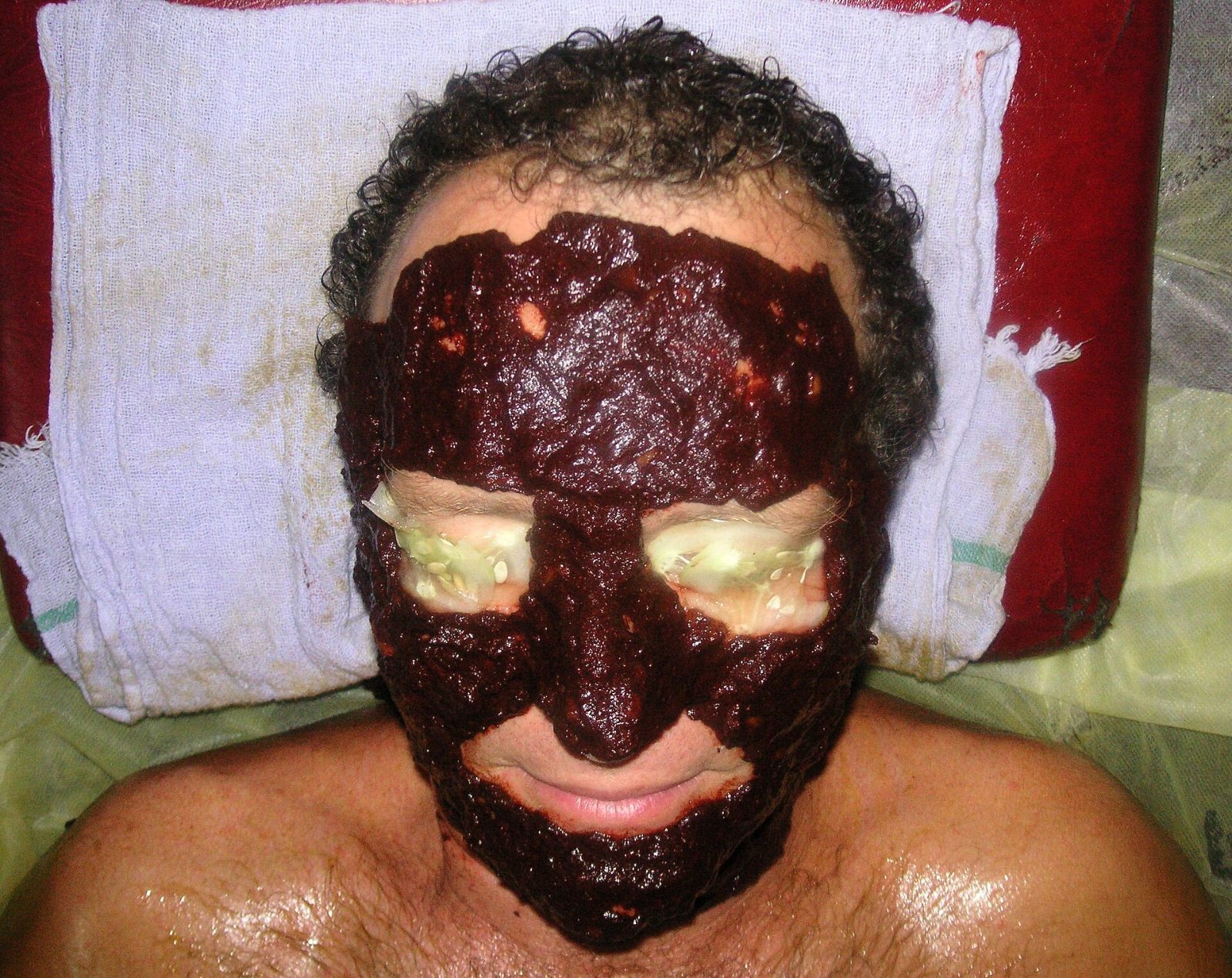
Woman using a hydrating sheet mask
Photo: Ch-info.ch, CC BY 3.0

Who should get advice first

  • People with rosacea, eczema or very sensitive skin, before adding exfoliants or fragranced products.
  • Anyone who is pregnant or breastfeeding, before using retinoids or high-strength actives.
  • Anyone using prescription acne or pigmentation treatment, before adding more actives.

Stop a product and see a licensed dermatologist in the UAE if you develop swelling, blistering, a spreading rash, or redness and burning that do not settle after you stop.

FAQ

Do I really need ten steps?

No. Cleansing, moisturising and sunscreen are the core. Add toner, essence or serum only if they solve a specific concern for you.

What is double cleansing?

It means cleansing with an oil or balm first to break down sunscreen and makeup, then with a water-based cleanser. It is mainly useful in the evening.

How long should I wait between layers?

A few moments until each layer feels mostly absorbed is usually enough. There is no need for long waits with light, watery products.

Can I use a Korean routine with oily skin?

Yes. Choose lightweight gel moisturisers, non-comedogenic sunscreen and gentle exfoliants, and skip heavy creams and oils.

Sources: American Academy of Dermatology; Skin Cancer Foundation on sunscreen; NHS skin care advice.

Cover photo: WGW2007, CC BY-SA 4.0. Last reviewed: 2026-11-25. General information only, not medical advice. Please consult a licensed practitioner in the UAE about your own situation.

Skin Care Routine: Simple Morning and Evening Steps for UAE Skin

A good skin care routine has a morning job and an evening job. In the morning you cleanse lightly, hydrate and protect with sunscreen; in the evening you remove the day’s sunscreen and grime, apply any treatment product and moisturise. Three or four steps done consistently will do more for your skin than ten steps done occasionally, especially in the UAE’s heat and air-conditioned interiors.

The basic structure

MorningEvening1. Gentle cleanse or rinse2. Antioxidant serum (optional)3. Moisturiser4. Sunscreen SPF 30+1. Remove sunscreen and makeup2. Cleanse3. Treatment (optional)4. Moisturiser

The order follows a simple rule: thinnest textures first, thickest last, and sunscreen always on top in the morning.

Morning routine, step by step

1. Cleanse or rinse. If your skin is oily or you sweat at night, use a gentle cleanser. If it is dry or sensitive, a splash of lukewarm water may be enough.

2. Antioxidant serum (optional). Vitamin C serums are popular for brightness and some protection against environmental damage. Niacinamide is a gentler alternative for sensitive or oily skin.

3. Moisturiser. A light gel or lotion in humid months, something richer if you spend the day in dry air conditioning.

4. Sunscreen. Broad-spectrum, SPF 30 or higher, applied generously to face, neck and ears. In the UAE, this is the most important step of the entire routine, every day of the year.

Reapply without ruining makeup

Keep a sunscreen stick, powder sunscreen or mist in your bag. Blot oil first with a tissue, then reapply over makeup when you are outdoors for long periods.

Evening routine, step by step

1. Remove sunscreen and makeup. An oil cleanser, balm or micellar water dissolves water-resistant sunscreen and long-wear makeup.

2. Cleanse. A gentle water-based cleanser removes what remains. Skip harsh foaming products that leave skin squeaky and tight.

3. Treatment (optional). This is where active ingredients go, such as a retinoid for texture and fine lines, an exfoliating acid for dullness, or a prescription product from your dermatologist. Use one at a time and introduce slowly.

4. Moisturiser. Seal everything in. Dry skin may like a richer cream at night.

Adjusting for your skin type

Skin typeCleanserMoisturiserUseful extras
OilyGel cleanserOil-free gelNiacinamide, salicylic acid a few times a week
DryCream or milk cleanserRich cream with ceramidesHydrating serum, gentle oils at night
CombinationGentle gelLight lotion; richer on dry patchesSpot-treat congestion only
SensitiveFragrance-free, low-foamSimple, fragrance-freePatch test everything; fewer steps
Acne-proneGentle cleanserNon-comedogenicBenzoyl peroxide or retinoid with medical advice

Building a new routine gradually

If you are starting from scratch, do not buy and start everything on the same day. Begin with the three essentials, cleanser, moisturiser and sunscreen, and use them for two weeks. If your skin is calm, add one treatment product, such as a retinoid two or three nights a week, and increase slowly over a month or two. If irritation appears, step back to the last routine that felt comfortable.

This slow approach makes it easy to identify which product is responsible if something goes wrong, and it gives each active ingredient time to show what it can do. Keeping a note on your phone of what you started and when is surprisingly useful, both for you and for a dermatologist if you ever need one.

Daily skin care products on a shelf
Photo: Kolobetsoo, CC BY-SA 4.0

Weekly extras

  • Exfoliation: one to three times a week with a chemical exfoliant, depending on tolerance. Avoid harsh scrubs.
  • Masks: hydrating masks after long flights, sun exposure or very dry days.
  • Fresh pillowcases and towels: small habits that help acne-prone skin.

A routine that fits into five minutes is a routine you will still be doing in six months.

Common mistakes

  1. Skipping sunscreen on cloudy or indoor days. UVA passes through clouds and windows, including car windows.
  2. Layering too many actives. Retinoids, acids and vitamin C all in one night often cause irritation.
  3. Changing products constantly. Most products need weeks to show results.
  4. Over-cleansing. Washing too often or too harshly strips the skin barrier, which can increase oiliness and sensitivity.
  5. Ignoring the neck and hands. They show sun damage just as much as the face.

Planning a routine before a wedding

If you are preparing for a wedding or another important event, set your routine at least two to three months before. Introduce any new active ingredient early, then keep things stable in the final month. Avoid new peels, strong retinoids or unfamiliar products in the last two weeks. Our pre-wedding beauty timeline maps routines, facials and makeup trials week by week, and the makeup artist booking checklist helps you coordinate skin prep with your artist.

Check with a doctor first if

  • You are pregnant or breastfeeding, especially before using retinoids or strong acids
  • You have persistent acne, rosacea, eczema or spreading pigmentation
  • A product causes burning, swelling, hives or a rash; stop using it
  • You notice a new, changing or bleeding spot or mole
Applying moisturiser as part of a daily routine
Photo: Shixart1985, CC BY 2.0

Frequently asked questions

How long should I wait between skin care steps?

For most products, a minute or so is enough. Some prescription treatments come with specific timing instructions, so follow those.

Do I need toner?

Not necessarily. Modern toners are optional hydrating or exfoliating steps. Cleanser, moisturiser and sunscreen are the essentials.

Should my routine change in summer and winter?

Many UAE residents use lighter textures in the humid summer and richer creams in winter, when dry indoor air and cooler nights increase dryness. Sunscreen stays all year.

When will I see results from a new routine?

Hydration improves within days. Changes in tone, texture and breakouts usually take eight to twelve weeks of consistent use.

Sources: American Academy of Dermatology, British Association of Dermatologists, NHS

Cover photo: Facecreamband, CC BY-SA 3.0. Last reviewed: 2026-11-25. General information only, not medical advice. Please consult a licensed practitioner in the UAE about your own situation.
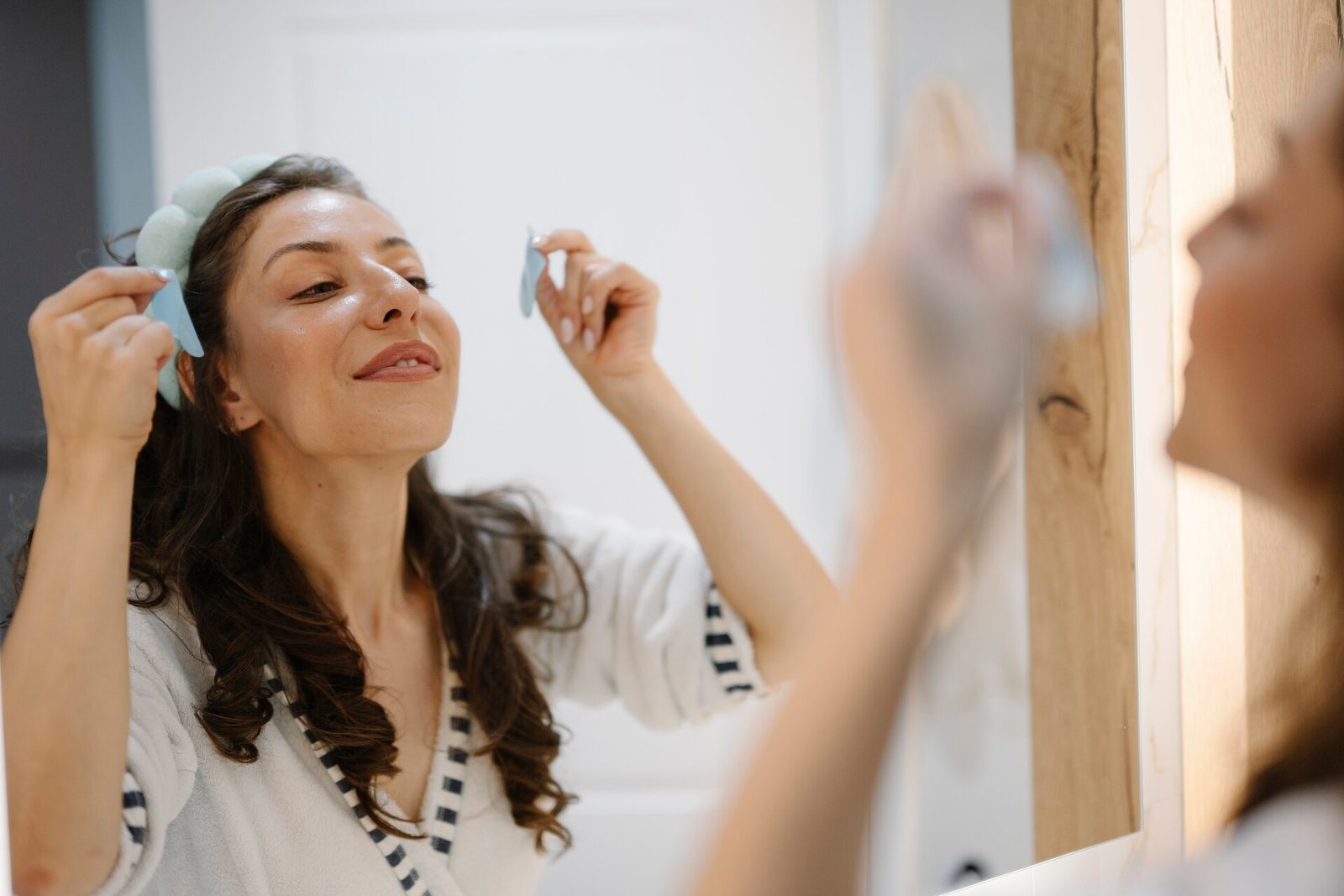
Japanese Skin Care: A Minimal Routine Built for Prevention

Japanese skin care is built on a small number of careful steps: gentle double cleansing, a hydrating “lotion” patted into the skin, a light moisturiser or emulsion, and serious sun protection. Compared with the many-layered Korean approach, it tends to be more minimal and more focused on long-term prevention, which suits busy routines and the strong UAE sun well.

The philosophy: less, but done well

Japanese skin care, sometimes called J-beauty, values consistency, gentleness and prevention. Rather than chasing quick fixes, the goal is skin that stays healthy and even over decades. Three ideas run through most routines:

  • Thorough but gentle cleansing, so skin is clean without being stripped.
  • Hydration first, with water-light textures applied in thin layers.
  • Sun avoidance and protection as a daily habit, not a beach-only habit.

Many Japanese products are designed to feel almost weightless, which makes them comfortable in heat and humidity.

Japanese skin care products

A typical Japanese routine

StepProductJapanese name you may seePurpose
1Oil cleanserCleansing oilDissolves sunscreen and makeup (evening)
2Foaming or gel cleanserFace washRemoves remaining residue
3LotionKeshosuiWatery hydrating toner, patted in with hands or a cotton pad
4Serum or essenceBiyoekiTargeted ingredients
5Emulsion or creamNyueki or creamSeals in moisture
6Sunscreen (morning)UV milk or gelDaily UV protection

The “lotion” step is the one many people outside Japan find confusing. It is not a body lotion but a thin, watery hydrating liquid. Some people apply it in several thin layers, gently pressing it into the skin rather than rubbing.

A simple UAE-friendly version

Morning: gentle face wash, hydrating lotion, light emulsion, UV milk or gel sunscreen.

Evening: cleansing oil, face wash, lotion, serum if needed, emulsion or cream.

Ingredients common in Japanese products

  • Hyaluronic acid and ceramides, for hydration and barrier support.
  • Rice bran and rice ferment, used for softness and an even-looking tone.
  • Green tea, an antioxidant ingredient.
  • Camellia oil, a light traditional oil for skin and hair.
  • Fermented ingredients, such as sake-derived ferments, used for a smooth, radiant look.
  • Vitamin C derivatives and tranexamic acid, often found in products aimed at dark spots.

Japan has a regulatory category called “quasi-drugs” for cosmetics containing certain active ingredients at approved concentrations, for example some brightening and anti-acne products. This is why some Japanese labels mention approved active ingredients more clearly than standard cosmetics do.

Japanese skin care is less about how many steps you do, and more about doing a few steps gently, every day, for years.

Japanese sunscreens

Japanese sunscreens are widely loved for their light, often watery textures that dry quickly and sit invisibly under makeup. The PA system for rating UVA protection, from PA+ to PA++++, originated in Japan and is now used across much of Asia. Higher PA means stronger UVA protection.

In the UAE, where UV is intense all year, choose SPF 30 or higher with PA+++ or PA++++. Many Japanese “UV milks” are labelled water- and sweat-resistant, which helps outdoors, but they still need to be reapplied every two hours in the sun and after swimming. Water-resistant formulas usually need a cleansing oil to remove fully.

Japanese vs Korean skin care

Number of stepsUsually fewerOften more, highly layered
FocusPrevention, simplicity, qualityHydration layers, innovation, trends
TexturesVery light, refinedLight to rich, playful formats
Known forSunscreens, cleansing oils, lotionsSunscreens, essences, sheet masks

Both share double cleansing and sun protection. You can happily mix products from both if they suit your skin.

Adapting it to your skin type

Oily or acne-prone skin: light lotions and gel emulsions work well. Choose a sunscreen gel and a non-comedogenic cleanser.

Dry skin: apply the lotion in several thin layers and finish with a cream. In dry air-conditioned rooms, this layering helps a lot.

Sensitive skin: look for fragrance-free and alcohol-free formulas; some Japanese lotions and sunscreens contain alcohol, which can sting.

Check before you start

  • Patch test new products for several days, especially if you have sensitive skin
  • During pregnancy or breastfeeding, ask your doctor about any product with strong actives
  • Persistent acne, pigmentation that is spreading, or a changing mole needs a dermatologist

Fitting it into a pre-wedding plan

A Japanese-style routine is a good choice before a wedding because it is gentle and unlikely to cause surprises. Start any new product at least two to three months before the date and keep your routine stable during the final weeks. The pre-wedding beauty timeline shows how to schedule skin care alongside facials and makeup trials.

Buying Japanese skin care in the UAE

Japanese brands are available in pharmacies, beauty chains and specialist Asian stores, as well as online. Buy from authorised sellers, check packaging and expiry dates, and be cautious of prices far below the usual. Some product names and instructions may only be in Japanese, so ask the retailer if you are unsure how to use them.

Patting a hydrating lotion into the skin

Frequently asked questions

What is the Japanese lotion step?

A thin, watery hydrating liquid applied after cleansing. It preps the skin and adds a first layer of moisture before serums and creams.

Is Japanese skin care good for oily skin?

Often, yes. Many products are light and quick-absorbing. Choose gel textures and non-comedogenic sunscreens.

Do I need a cleansing oil?

It is useful in the evening if you wear water-resistant sunscreen or makeup. Rinse it well, then follow with a gentle face wash.

Is Japanese sunscreen safe to use every day?

Yes, when used as directed. Choose one that feels comfortable so you will apply enough and reapply outdoors.

Sources: American Academy of Dermatology, British Association of Dermatologists

Cover photo: DryPot, CC BY-SA 3.0. Last reviewed: 2026-11-25. General information only, not medical advice. Please consult a licensed practitioner in the UAE about your own situation.

Double Cleansing: Who Needs It and How to Do It Without Drying Your Skin

Double cleansing means washing your face twice in the evening: first with an oil, balm or micellar cleanser to break down sunscreen and makeup, then with a gentle water-based cleanser to clean the skin itself. It is most useful if you wear long-wear makeup, water-resistant sunscreen or both. If you wear little or no makeup and have dry or sensitive skin, a single gentle cleanse may be all you need.

Why two cleansers?

Many sunscreens, long-wear foundations and waterproof mascaras are designed to resist water and sweat. A water-based cleanser alone may not dissolve them fully. Oils and balms bind to these products and lift them away; the second cleanser then removes the residue, along with sweat and dirt.

In the UAE, where daily sunscreen is essential and many people wear makeup that has to survive heat and humidity, double cleansing is a practical way to make sure your skin is truly clean at night.

Step by step

  1. First cleanse. Apply an oil, balm or micellar water to dry skin. Massage gently for about a minute, including over the eyes if the product is suitable for them. Add a little water to emulsify oils, then rinse.
  2. Second cleanse. Use a gentle, low-foam cleanser on damp skin. Massage briefly and rinse with lukewarm water.
  3. Pat dry. Use a clean towel and pat rather than rub.
  4. Follow with moisturiser and any evening treatment.

Choosing the first cleanser

First cleanserTextureGood forPoints to know
Cleansing oilLiquid oil that emulsifies with waterHeavy makeup, water-resistant sunscreenChoose one labelled to rinse clean
Cleansing balmSolid balm that meltsDry or normal skin, full glamUse clean hands or the spatula provided
Micellar waterWatery, used on cotton padsSensitive skin, light makeupRub gently; follow with a rinse cleanse

If you have acne-prone skin, look for a first cleanser that is labelled non-comedogenic and rinse it off thoroughly.

Choosing the second cleanser

The second cleanser should be mild. Gel cleansers suit oily or combination skin; cream or lotion cleansers suit dry skin. Avoid harsh, very foamy cleansers if your skin feels tight afterwards, which is a sign of over-cleansing.

Your skin should feel comfortable, not squeaky

Squeaky-clean skin often means the cleanser has stripped natural oils. Comfortable, soft skin after cleansing is the goal.

Who can skip it

  • People who wear no makeup and use a sunscreen that removes easily with one cleanse.
  • People with very dry or sensitive skin, who may do better with one gentle cleanse or a single cleansing balm that rinses well.
  • Anyone whose skin becomes red or tight with double cleansing.

There is no need to double cleanse in the morning. A rinse with water or a light single cleanse is enough for most people.

Clean is the goal. Two steps are just one way to get there.

Cleansing products lined up on a shelf
Photo: Sarah Stierch, CC BY 2.0

Double cleansing before the wedding

In the months before your wedding, consistent, gentle cleansing helps keep skin clear and comfortable. If you are using retinoids or acids, keep cleansing especially gentle to avoid irritation.

After makeup trials and on the wedding night itself, long-wear bridal makeup and lashes need careful removal:

  1. Remove strip lashes slowly from the outer corner.
  2. Hold a cotton pad soaked in an eye makeup remover or micellar water on the eyes for a few seconds before wiping.
  3. Massage a cleansing balm or oil over the face to dissolve foundation and setting spray.
  4. Follow with your usual gentle cleanser and moisturiser.

Pack these in your overnight bag so you are not tempted to sleep in your makeup. Our pre-wedding beauty timeline reminds you to prepare this kit.

Clean face towel and cleanser beside a sink

Adapting double cleansing to your skin type

Oily or combination skin. A light cleansing oil followed by a gel cleanser usually works well. Rinse the oil thoroughly and make sure it emulsifies, turning milky with water, so it does not leave a film. You may prefer to double cleanse every evening, since heat and sweat add to the oil on your skin.

Dry skin. A cleansing balm or cream cleanser is often more comfortable than oil, and the second step can be a very mild cream cleanser or even just lukewarm water if your skin feels tight. Apply moisturiser while the skin is still slightly damp.

Sensitive skin. Choose fragrance-free products with short ingredient lists. Micellar water applied gently with soft cotton pads, followed by a mild rinse-off cleanser, can be gentler than massaging oil into the skin. Patch-test new products first.

Acne-prone skin. Look for non-comedogenic first cleansers and avoid heavy balms that leave residue. If you use prescription acne treatment, ask your dermatologist whether double cleansing suits your routine.

Whatever your skin type, the right routine is the one that leaves your skin clean, calm and comfortable rather than tight, red or stinging.

Common mistakes

  • Scrubbing hard. Friction irritates skin; let the product do the work.
  • Using hot water. Very hot water dries skin; lukewarm is better.
  • Cleansing too long. About a minute for each step is usually enough.
  • Skipping moisturiser. Clean skin needs moisture, especially in air-conditioned rooms.
  • Using dirty cloths. Change face cloths often to avoid bacteria.

When to see a dermatologist

See a licensed dermatologist if you develop a persistent rash, stinging, burning, or breakouts that do not improve with gentler cleansing, or if you have eczema, rosacea or another skin condition that flares with cleansing products. Seek urgent help for any swelling of the face, lips or eyes.

FAQ

Is double cleansing necessary every night?

It is helpful on nights you wear makeup or water-resistant sunscreen. On other nights, one gentle cleanse may be enough.

Does cleansing oil cause breakouts?

Some people find certain oils clog pores. Choose a non-comedogenic oil and rinse it off well, or try micellar water instead.

Can I double cleanse if I have sensitive skin?

Yes, with very gentle products, but some sensitive skin does better with one cleanse. Watch how your skin reacts.

Should I double cleanse in the morning?

Usually not. A light cleanse or a rinse with water is enough.

Sources: American Academy of Dermatology on face washing; British Association of Dermatologists; NHS skin care advice.

Last reviewed: 2026-11-25. General information only, not medical advice. Please consult a licensed practitioner in the UAE about your own situation.
Korean Skin Care: The Routine, Key Ingredients and What Works in the UAE

Korean skin care is an approach built around gentle cleansing, layering hydration in light textures, and daily sun protection, with the aim of healthy, even, dewy skin rather than covering problems with makeup. You do not need the famous ten steps. A few well-chosen Korean products can fit perfectly into a UAE routine, especially their lightweight moisturisers and sunscreens.

The philosophy behind K-beauty

Korean skin care, often shortened to K-beauty, became globally popular in the 2010s. Its core ideas are simple and sensible:

  • Prevention over correction. Protect the skin barrier and use sunscreen every day so problems develop more slowly.
  • Hydration in layers. Several thin, watery products rather than one heavy cream.
  • Gentleness. Low-irritation cleansers and soothing ingredients instead of harsh scrubs.
  • Texture matters. Formulas that feel pleasant encourage people to use them consistently.

The result many people aim for is “glass skin”, meaning skin that looks clear, smooth and luminous.

Korean skin care products on display
Photo: Donald Trung Quoc Don (Chữ Hán: 徵國單) – Wikimedia Commons – © CC BY-SA 4.0 Intern, CC BY-SA 4.0

The classic multi-step routine

You will often see a ten-step routine described online. It is better understood as a menu than a rulebook.

StepProductPurposeEssential?
1Oil cleanser or cleansing balmDissolves sunscreen, makeup and sebumUseful at night if you wear sunscreen or makeup
2Water-based cleanserRemoves remaining residueYes
3ExfoliantRemoves dead cellsOptional, one to three times a week
4TonerRebalances and preps skinOptional
5EssenceLightweight hydrationOptional
6Serum or ampouleConcentrated active ingredientsOptional, choose by concern
7Sheet maskIntensive hydrationOccasional
8Eye creamHydrates the eye areaOptional
9MoisturiserSeals in hydrationYes
10Sunscreen (morning)UV protectionYes

The truly essential steps are cleanse, moisturise and protect. Everything else is a way to target specific concerns or to enjoy the ritual.

A realistic UAE routine

Morning: gentle cleanser, hydrating essence or serum, light gel moisturiser, Korean sunscreen.

Evening: cleansing balm (if you wore sunscreen or makeup), gentle cleanser, one treatment serum, moisturiser.

  • Centella asiatica (cica): a plant extract used to calm redness and support the skin barrier.
  • Snail mucin: a secretion filtrate valued for hydration and soothing. It is not vegan, which matters to some buyers.
  • Rice extract and rice water: used for brightening and softness.
  • Ginseng: an antioxidant ingredient, common in more premium lines.
  • Propolis and honey: for hydration and a soothing feel.
  • Hyaluronic acid and panthenol: classic humectants that draw water into the skin.
  • Niacinamide: widely used for tone, oil control and barrier support.

Many of these have reasonable support for hydration and soothing. Bold claims, such as dramatic anti-ageing or “whitening”, should be treated with caution.

The real secret of K-beauty is not a mystery ingredient. It is gentle cleansing and wearing sunscreen every single day.

Korean sunscreens and the UAE sun

Korean sunscreens are popular because they are often light, invisible and comfortable under makeup, which makes them easier to reapply in heat. Many use modern UV filters and carry an SPF value plus a PA rating, from PA+ to PA++++, which indicates UVA protection. Higher PA means more UVA protection.

In the UAE, where UV levels are high most of the year, look for SPF 30 or higher with PA+++ or PA++++, apply generously, and reapply every two hours outdoors.

Is Korean skin care right for your skin?

Oily or acne-prone skin: lightweight layering often works well, but too many layers can feel heavy in humid weather. Choose gel textures and non-comedogenic products.

Dry skin: the layered hydration approach is a natural fit, especially in air-conditioned environments.

Sensitive skin: cica and panthenol products can be soothing, but plant extracts and fragrances can also irritate. Patch test, and add one product at a time.

Pregnancy: many K-beauty products are gentle, but check for retinoids and ask your doctor about any active ingredient.

Stop a product and seek advice if

You develop itching, burning, swelling, hives or a rash. Persistent acne, spreading pigmentation or a changing mole need a dermatologist, not another serum.

Buying authentic K-beauty in the UAE

Korean products are widely sold in UAE pharmacies, beauty chains, malls and online. Counterfeits do circulate on some marketplaces. Buy from authorised retailers or brand stores, check batch codes and expiry dates, and be wary of prices far below the usual. If packaging, smell or texture differs from what you know, do not use it.

Building it into a pre-wedding plan

If you are preparing for a wedding, start any new Korean routine at least two to three months ahead so you have time to see how your skin reacts. Avoid adding new products in the final two weeks. The pre-wedding beauty timeline shows where routine changes, facials and makeup trials belong.

Woman using a hydrating sheet mask

Frequently asked questions

Do I need all ten steps of Korean skin care?

No. Cleansing, moisturising and daily sunscreen are the essentials. Add a serum or essence if it helps a specific concern.

What is double cleansing?

Cleansing first with an oil or balm to dissolve sunscreen and makeup, then with a gentle water-based cleanser. It is mainly useful in the evening.

Are Korean products suitable for hot climates?

Many are, especially gel moisturisers and fluid sunscreens. Heavier creams may be better saved for winter or very dry indoor air.

Is Korean skin care better than Western skin care?

Not inherently. Korean brands are known for pleasant textures and sunscreens, but good products exist everywhere. Choose based on ingredients and how your skin responds.

Sources: American Academy of Dermatology, British Association of Dermatologists

Last reviewed: 2026-11-25. General information only, not medical advice. Please consult a licensed practitioner in the UAE about your own situation.