Can I Wash My Face After a HydraFacial? Aftercare Timeline

Yes, you can wash your face after a HydraFacial, but most clinics suggest waiting until the evening or at least several hours so the serums have time to absorb, then using only lukewarm water and a gentle, fragrance free cleanser. Avoid scrubs, cleansing brushes, acids and retinoids for a day or two.

Why clinics suggest waiting a few hours

The last stage of a HydraFacial infuses hydrating and antioxidant serums into freshly cleansed skin. Washing straight away removes some of that layer before it has settled. There is no strict medical rule about the exact number of hours, so follow your clinic’s instructions; many simply advise not washing until the evening or the next morning.

If you must cleanse sooner, for example after sweating heavily on a hot day in Dubai, a gentle rinse with lukewarm water is better than leaving sweat and dust on the skin.

Woman rinsing her face with water

How to wash your face after the treatment

  1. Use lukewarm water, not hot, since skin may be slightly more sensitive.
  2. Choose a mild, fragrance free cleanser with no exfoliating acids or beads.
  3. Use clean fingertips rather than a brush, sponge or cloth.
  4. Massage gently for about thirty seconds, then rinse thoroughly.
  5. Pat dry with a clean, soft towel. Do not rub.
  6. Apply a simple moisturiser, and sunscreen if it is daytime.

Aftercare timeline

Time after treatmentCleansingProductsOther advice
First few hoursAvoid washing if possibleLeave the serums onNo heavy makeup
Evening of treatment dayGentle cleanse with lukewarm waterLight moisturiserSkip workouts, saunas and steam
Next 24 to 48 hoursGentle cleanser twice dailyMoisturiser and sunscreenNo retinoids, acids or scrubs
After 48 to 72 hoursBack to your usual cleanserReintroduce actives graduallyWatch for any irritation

This is general guidance. Your practitioner may give slightly different timings based on the boosters and solutions used.

Products to pause for a couple of days

  • Retinol and other retinoids
  • Glycolic, lactic, salicylic and other exfoliating acids
  • Physical scrubs and cleansing brushes
  • Strong vitamin C serums if your skin feels sensitive
  • Products with fragrance or alcohol that sting

Makeup after a HydraFacial

Most clinics suggest waiting until the next day to wear full makeup. Your pores have just been cleared, and fresh skin can be more reactive. If you need makeup the same day, use a light layer, clean brushes or sponges and products you already know suit your skin. Mineral makeup is a common choice.

Wedding week timing

If you are a bride, schedule your HydraFacial so you have at least a few days between treatment and wedding makeup. Our pre-wedding beauty timeline shows a sensible order, and you can let your artist know the date through the makeup artist booking checklist.

Sun, heat and sweat

UV exposure in the UAE is high for most of the year. After a HydraFacial, apply a broad spectrum sunscreen before going outside, wear a hat if you will be in the sun and try to avoid long periods outdoors in the middle of the day. Intense exercise, hot yoga, saunas and steam rooms can make the skin flushed and irritated, so leave them for about a day.

What is normal after washing

  • Mild pinkness for a few hours
  • Skin feeling softer, smoother and slightly tight
  • Occasional small breakouts in the following days, which some people get as pores clear

Washing the face gently with water
Photo: Eric Kilby from Somerville, MA, USA, CC BY-SA 2.0

What is not normal

Stop using any product and contact your clinic or a doctor if you notice:

  • Burning or stinging that continues after rinsing
  • Swelling of the face, lips or eyes
  • Hives, blistering or a spreading rash
  • Pain that gets worse rather than better
  • Any breathing difficulty, which needs emergency care

Gentle, lukewarm and fragrance free: that is the rule for the first wash after a HydraFacial.

Common aftercare mistakes

  • Scrubbing to remove the serum feel. Some people dislike the slightly tacky finish and wash it off with a scrub. Leave it, or rinse gently with water if it really bothers you.
  • Booking threading or waxing the same day. Hair removal on freshly treated skin can cause irritation. Leave a few days between them.
  • Jumping straight back into retinol. Even if your skin feels fine, wait the time your clinic suggests.
  • Forgetting the neck. If your treatment included the neck, apply the same gentle aftercare there.
  • Using an old, unwashed towel or pillowcase. Fresh fabric helps reduce the chance of breakouts in the days after.

Who should take extra care

If you have sensitive skin, rosacea, eczema or are using prescription skin treatments, ask your practitioner for specific aftercare instructions. Pregnant or breastfeeding clients should have checked with their doctor before the treatment and should continue to follow both the clinic’s and the doctor’s advice afterwards.

Building the next steps into your routine

After a couple of days you can return to your normal routine. Reintroduce actives one at a time, starting with the gentlest. If you used a retinoid before, start on alternate nights for the first week. Keep sunscreen daily to protect the results, which typically last for days to a couple of weeks depending on your skin and routine.

How long after a HydraFacial can I wash my face?

Many clinics suggest waiting until the evening or the next morning. Follow your practitioner’s instructions.

Can I use my regular cleanser after HydraFacial?

If it is gentle and fragrance free, yes. Avoid cleansers with acids, scrubs or strong active ingredients for a couple of days.

Can I shower after a HydraFacial?

Yes, but keep the water lukewarm and avoid letting hot water run directly on your face for a long time.

Is it okay to sweat after a HydraFacial?

Light sweating is unavoidable in UAE weather, but skip intense workouts for about a day. Rinse gently if you sweat heavily.

Sources: HydraFacial official site, American Academy of Dermatology, Dubai Health Authority

Last reviewed: 2026-11-25. General information only, not medical advice. Please consult a licensed practitioner in the UAE about your own situation.
HydraFacial Benefits: What It Really Does for Your Skin, and Its Limits

The main benefits of a HydraFacial are cleaner pores, smoother and more hydrated skin, and a brighter look straight after treatment, with little or no downtime. It is a good maintenance and “event-ready” facial, but its effects are temporary and it cannot replace medical treatment for deep scarring, melasma or severe acne.

Benefits you can see the same day

Most people book a HydraFacial for how their skin looks when they walk out. Because the treatment combines exfoliation, suction extraction and serum infusion in one pass, the immediate changes are noticeable.

  • Smoother texture. Gentle exfoliation removes dead surface cells that make skin look rough and dull.
  • Clearer-looking pores. Vacuum extraction lifts out some of the oil and debris in blackheads, especially on the nose and chin.
  • Hydration. Hyaluronic acid based serums leave skin feeling plump and comfortable.
  • Glow. Light reflects more evenly from smoother, hydrated skin, which is why people describe the look as “glass skin” for a few days.
  • Makeup sits better. Foundation glides on more evenly over an exfoliated, hydrated surface, a big reason brides book one shortly before a wedding.
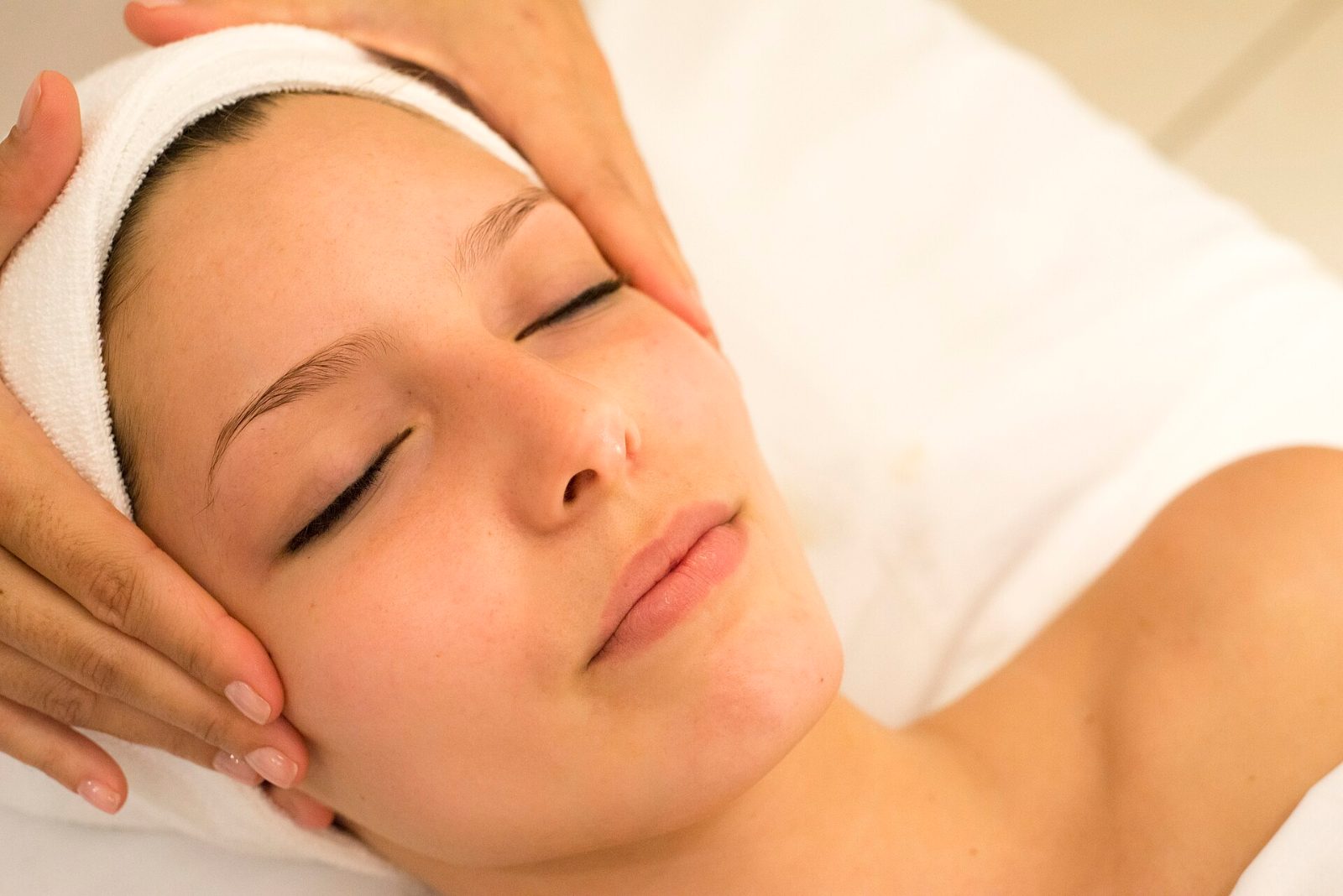
Hydrated, glowing skin after a facial

Benefits that build with regular sessions

When repeated at regular intervals, often every four weeks or so, some people notice longer-lasting changes:

  • fewer blackheads and less congestion over time
  • a more even skin tone, especially where dullness is caused by dead skin buildup
  • skin that feels less dehydrated in air-conditioned environments

These are maintenance effects. If you stop, skin gradually returns to its usual state.

What a HydraFacial cannot do

Being realistic about the limits saves money and disappointment. Clinical evidence for HydraFacial is limited compared with long-established treatments such as retinoids, chemical peels or lasers, and much of the available data comes from small studies or the manufacturer.

ConcernCan HydraFacial help?What usually helps more
Dull, dehydrated skinYes, visibly and quicklyRegular moisturiser and sunscreen to maintain
Blackheads and mild congestionOftenSalicylic acid, retinoids, regular facials
Inflamed or cystic acneNot a treatment; may irritateDermatologist-led medical treatment
Deep acne scarsMinimalMicroneedling, lasers, subcision
Melasma and stubborn pigmentationLimited, short-term brightening onlyStrict sun protection, dermatologist-prescribed treatment
Deep wrinkles and saggingMinimalRetinoids, energy-based devices, injectables

Think of a HydraFacial as an excellent clean and polish, not a renovation. It makes healthy skin look its best.

Why it suits UAE skin and lifestyle

Life in the UAE creates a particular mix of skin stressors. Outdoors, heat and humidity increase sweat and oil and can clog pores. Indoors, constant air conditioning dries the surface. Sunscreen, which is essential here, can build up if not cleansed properly. A treatment that clears and hydrates at the same time fits that pattern well.

There is also no peeling or visible downtime for most people, which makes it easy to fit around work, travel and social events.

Best timing before a big event

Do a first HydraFacial at least four to six weeks before the date to see how your skin responds, then book the final one around three to five days before. That leaves time for any redness or small breakouts to settle. Our pre-wedding beauty timeline maps facials alongside makeup trials and other appointments.

Boosters: do they add benefits?

Many clinics offer add-on serums known as boosters, aimed at specific goals such as brightening, firming or calming. Some contain peptides, growth factors or plant extracts. They can make the treatment more tailored, but evidence for individual boosters varies. Ask what is in them and what difference you should realistically expect.

LED light therapy and lymphatic drainage are also common add-ons. Red and blue light have some evidence for calming skin and for mild acne respectively, but results are modest.

Who should not expect benefits, or should avoid it

A HydraFacial is gentle, but check with a doctor or dermatologist first if you:

  • are pregnant or breastfeeding, as some solutions contain exfoliating acids
  • use prescription retinoids, recently took isotretinoin, or have very sensitised skin
  • have active rosacea, eczema, sunburn, cold sores or broken skin on the face
  • have inflamed, painful acne that needs medical care

Get medical advice if

Redness, burning or swelling worsens over the day after treatment, blisters appear, or you notice pus or spreading redness. These are not expected effects.

Keeping the results

Results last longer with a simple routine at home:

  1. Cleanse gently twice a day, especially after sweating or wearing sunscreen all day.
  2. Moisturise morning and night, choosing lighter textures in humid weather.
  3. Wear broad-spectrum sunscreen daily and reapply outdoors.
  4. Avoid harsh scrubs, which undo the even surface a facial creates.
Facial treatment in a calm spa setting
Photo: Alvinategyeka, CC BY-SA 4.0

Frequently asked questions

How soon will I see HydraFacial benefits?

Immediately. Skin usually looks smoother and more hydrated as soon as the treatment is finished, with the effect most visible over the next few days.

Is a HydraFacial good for anti-ageing?

It can make skin look fresher and fine dehydration lines less visible for a while. It does not significantly change deeper wrinkles or skin laxity.

Is a HydraFacial good for acne?

It can help with blackheads and mild congestion. For inflamed, cystic or persistent acne, see a dermatologist; extraction over inflamed spots can make them worse.

How often should I get a HydraFacial?

Many clinics suggest monthly sessions for maintenance, but there is no medical need for a fixed schedule. Choose a rhythm that fits your skin and budget.

Sources: American Academy of Dermatology, HydraFacial official site, DermNet

Last reviewed: 2026-11-25. General information only, not medical advice. Please consult a licensed practitioner in the UAE about your own situation.

HydraFacial Before Your Wedding: When to Book and What to Expect

A HydraFacial is a popular pre-wedding facial because it cleanses, exfoliates and hydrates in one session with little or no downtime. Most brides book a first session several weeks before the wedding to see how their skin reacts, and a final one a few days before, never a brand-new treatment the day before.

What a HydraFacial does

The treatment uses a device that cleanses, gently exfoliates, extracts and then infuses serums into the skin. Skin usually looks brighter and more hydrated straight afterwards, which is why it is often booked before events.

Facial treatment in a spa

A simple timeline

WhenWhat to do
2–3 months beforeBook a skin consultation; start a steady routine
6–8 weeks beforeFirst HydraFacial to test how your skin reacts
2–4 weeks beforeOptional second session
3–5 days beforeFinal session if your skin tolerated earlier ones
Final weekNo new treatments or products

Many clinics and Pearl Skin offer HydraFacial treatments as part of bridal packages, so ask about combining sessions with your overall skin plan instead of booking a one-off the day before.

Make the most of it

  • Tell the therapist about any actives you use, such as retinoids
  • Avoid waxing or threading the face just before the facial
  • Keep the following days low-key: sunscreen, no harsh scrubs
  • Plan your makeup trial after a facial so you see your real skin

Who should be careful

Ask a doctor or therapist first if you

  • Have active acne flare-ups, rosacea or eczema on the face
  • Have a sunburn or recent peel
  • Use prescription skincare, especially retinoids or isotretinoin
  • Are pregnant and want to check which serums are used
Bridal makeup
Photo: Bridalglamguide, CC BY-SA 4.0

The best wedding facial is the second one, not the first.

Frequently asked questions

Can I wear makeup after a HydraFacial?

Many people can, but some therapists suggest waiting until the next day. Ask at your appointment.

Will it make me break out before the wedding?

Most people tolerate it well, but any facial can trigger a reaction in sensitive skin. That is why testing weeks earlier matters.

Is one session enough?

One session gives a short-term glow. Results that last longer come from a steady routine and repeated sessions.

Sources: American Academy of Dermatology, NHS

Last reviewed: 2026-11-25. General information only, not medical advice. Please consult a licensed practitioner in the UAE about your own situation.
HydraFacial at Home: Home Visits, Gadgets and Safer Alternatives

A true HydraFacial uses a professional device in a clinic, so you cannot fully recreate it at home. What you can do is copy its logic, cleanse, gently exfoliate, hydrate and protect, with safe home products, or book a licensed provider who offers the treatment as a home visit. Cheap suction gadgets sold online are the option to be most careful with.

What people mean by HydraFacial at home

The phrase covers three quite different things:

  1. A home visit by a clinic or licensed therapist who brings a professional device to you.
  2. Hydradermabrasion or pore vacuum gadgets sold online, which mimic the suction step.
  3. A home routine that follows the same steps with ordinary skin care products.

Each has different risks and results. A professional device in trained hands is the closest to the clinic experience; a cheap gadget used without training carries the most risk.

Woman applying a hydrating face mask at home
Photo: Mark J Sebastian, CC BY-SA 2.0

Home visits: what to check

Mobile beauty and aesthetic services are popular in Dubai and Abu Dhabi, especially before weddings when the bride and family want treatments in one place. Before booking:

  • Ask which clinic or salon the therapist works for and check that the business is licensed to provide the service. Medical aesthetic providers in Dubai are licensed by the Dubai Health Authority and in Abu Dhabi by the Department of Health.
  • Ask which device is used and whether tips and solutions are single use.
  • Make sure the therapist asks about medications, allergies, pregnancy and recent treatments.
  • Expect a clean surface, a proper bed or reclining chair and good lighting.

If a provider cannot answer these questions clearly, book somewhere else.

Suction gadgets and hydradermabrasion devices

Small handheld pore vacuums and home hydradermabrasion machines are widely sold online. They can lift some surface oil, but they also carry real risks when used too strongly or for too long on one spot.

Risks of home suction devices

  • Bruising and tiny red dots from broken capillaries, especially on thin or sensitive skin
  • Irritation, redness and sensitivity that can last for days
  • Spreading bacteria if tips are not cleaned properly
  • Worsening of rosacea, active acne or broken skin
  • Dark marks on deeper skin tones after irritation

If you still decide to use one, choose the lowest setting, keep the device moving, never hold it over one area, and avoid the eyes, active spots and any broken skin. Stop at the first sign of bruising.

A safer home routine inspired by the treatment

HydraFacial stepHome equivalentNotes
CleanseGentle gel or cream cleanser, or a double cleanseMassage for a full minute
PeelMild chemical exfoliant such as lactic or low strength salicylic acidOnce or twice a week, not daily
ExtractSkip manual extraction; let the exfoliant do the workSqueezing raises the risk of marks
HydrateHyaluronic acid or glycerin serum on damp skinLayer under moisturiser
ProtectMoisturiser in the evening, sunscreen in the morningSunscreen is essential in the UAE

A hydrating sheet mask after exfoliation can give a pleasant glow for an evening out, though the effect is temporary.

A woman wearing a hydrating sheet mask

A step by step home session

  1. Remove makeup and sunscreen with a cleansing oil or balm, then rinse.
  2. Follow with a gentle gel or cream cleanser and pat dry.
  3. Apply a mild exfoliating toner or serum and leave it for the time stated on the label.
  4. Rinse if the product requires it, then apply a hydrating serum while the skin is still slightly damp.
  5. Use a sheet mask or hydrating mask for ten to fifteen minutes if you like.
  6. Seal with moisturiser. If it is daytime, finish with a broad spectrum sunscreen.

Keep the whole session gentle. Mild warmth or tingling from the exfoliant is common; stinging that lasts or burning means rinse it off and skip that product.

Who should not try at home treatments

  • Anyone pregnant or breastfeeding should ask their doctor before using exfoliating acids or devices
  • People using isotretinoin or prescription retinoids
  • People with rosacea, eczema, active cold sores, sunburn or broken skin
  • Anyone who has had injectables, laser or a peel in the last two weeks
  • People with a tendency to bruise easily or who take blood thinning medication

Results you can expect

A careful home routine will improve the feel and look of the skin over weeks, but it will not match the deep cleansing and simultaneous serum delivery of a professional device. The glow after a clinic session comes from the combination of exfoliation, suction and serum infusion in one sitting. Treat home care as maintenance between sessions rather than a replacement.

Before a wedding

Avoid experimenting with a new home device or strong exfoliant in the final month. Use what your skin already tolerates, and book any professional facial a few days before the wedding after a trial session earlier. Our pre-wedding beauty timeline helps you plan the dates.

Copy the steps, not the suction: gentle cleansing, mild exfoliation and good hydration are what you can safely do at home.

Red flags that need attention

Stop any home treatment and contact a licensed practitioner if you notice bruising that does not fade, blistering, swelling, a rash spreading beyond the treated area, signs of infection such as pus or increasing pain, or any breathing difficulty, which needs emergency care.

Is a home HydraFacial device as good as a clinic one?

No. Home gadgets are less powerful and less controlled. They can give a mild cleansing effect but cannot replicate the professional system safely.

Can I book a HydraFacial at home in Dubai?

Some licensed clinics and salons offer home visits. Check the provider’s licence, the device used and their hygiene practices before booking.

How often can I exfoliate at home?

Most people do well with one or two sessions a week using a mild chemical exfoliant. Reduce frequency if you notice stinging or dryness.

Are pore vacuums safe?

They can cause bruising and broken capillaries, especially on sensitive skin. If you use one, use the lowest setting and keep it moving.

Sources: American Academy of Dermatology, Dubai Health Authority, HydraFacial official site

Last reviewed: 2026-11-25. General information only, not medical advice. Please consult a licensed practitioner in the UAE about your own situation.
Is HydraFacial Safe During Pregnancy? What Clinics and Doctors Advise

There is little research on HydraFacial during pregnancy, so no one can promise it is completely safe. Many clinics either decline pregnant clients or offer a modified version that skips the acid peel step, and most ask for approval from your obstetrician first. If you want a facial while pregnant, talk to your doctor, then choose a licensed clinic that adapts the treatment.

Why the answer is cautious

Pregnant women are rarely included in cosmetic treatment studies, so most advice is based on what is known about individual ingredients rather than on trials of the treatment itself. That is why you will hear different answers from different clinics.

The main questions are about ingredients in the solutions, not the suction or the water based serums. Some HydraFacial peel solutions contain salicylic acid and other exfoliating acids. Health bodies generally advise caution with salicylic acid in pregnancy, especially in high strengths or over large areas, while low concentrations in wash off products are often considered lower risk. Your doctor is the right person to weigh that up for you.

A pregnant woman relaxing at home
Photo: Ed Yourdon, CC BY-SA 2.0

How clinics usually handle pregnant clients

ApproachWhat it meansWhat to ask
Decline until after birthNo treatment during pregnancyAsk about gentle non device facials instead
Modified HydraFacialCleansing and hydration steps only, no acid peelWhich solutions are used and what they contain
Full treatment with doctor’s noteStandard steps if your obstetrician approvesBring the ingredient list to your doctor

A clinic that does not ask whether you are pregnant before starting is not following good practice. In Dubai, look for facilities licensed by the Dubai Health Authority; in Abu Dhabi, by the Department of Health.

Avoid or postpone if

  • You have not discussed it with your obstetrician or midwife
  • Your pregnancy is considered high risk
  • You have pregnancy related skin conditions such as a new rash, intense itching or blistering, which need medical review rather than a facial
  • You are in the first trimester and your doctor prefers you to wait
  • The clinic cannot tell you exactly what is in each solution

Pregnancy skin changes and what helps

Hormonal changes in pregnancy can bring:

  • Melasma, patches of darker skin on the cheeks, forehead or upper lip, made worse by sun exposure
  • Acne or a change in oiliness
  • Sensitivity to products you used comfortably before
  • Dryness, particularly with long hours in air conditioning

Gentle care is usually the safest approach. Doctors often suggest a mild cleanser, a fragrance free moisturiser and daily broad spectrum sunscreen. Mineral sunscreens with zinc oxide or titanium dioxide are a common choice. Hats and shade help a great deal with melasma in UAE sunshine.

A wide brimmed sun hat for sun protection

Ingredients commonly avoided in pregnancy

Your doctor will give personalised advice, but these are often flagged:

  • Retinoids, including retinol and prescription retinoids
  • High strength salicylic acid peels
  • Hydroquinone, which is frequently avoided as a precaution
  • Some essential oils in high concentrations

Ingredients such as azelaic acid, niacinamide, hyaluronic acid and glycerin are often considered gentler options, but check each product with your doctor or pharmacist.

A safer facial during pregnancy

If your doctor is comfortable with a facial, a gentle approach could look like this:

  1. Cleanse with a mild, fragrance free product.
  2. Use hydrating serums and a soothing mask.
  3. Skip strong acids, peels and retinoids.
  4. Avoid lying flat on your back for long periods later in pregnancy; ask for a reclined position or pillows.
  5. Finish with moisturiser and mineral sunscreen.

Pregnant brides and wedding guests

If you are pregnant before your wedding or a family celebration, plan your skin care with your doctor early. Our pre-wedding beauty timeline can be adapted by removing treatments your doctor advises against. Let your makeup artist know too, since some brides become more sensitive to fragrance; the makeup artist booking checklist has a space for this.

Questions to take to your doctor

Bring the clinic’s ingredient list to your antenatal appointment and ask:

  • Is a facial with mild exfoliation acceptable at my stage of pregnancy?
  • Should the salicylic acid or other peel steps be left out?
  • Are there any skin conditions you want to rule out before I book?
  • Which sunscreen and moisturiser do you suggest for melasma and dryness?
  • Is there anything in my medical history that makes cosmetic treatments a bad idea right now?

Having these answers written down makes the conversation with the clinic simple. A good therapist will be glad to follow your doctor’s guidance and adjust the treatment accordingly.

Comfort during any treatment

Later in pregnancy, lying flat on your back for long periods can make some women feel dizzy or unwell. Ask for a reclined position, extra pillows and short breaks. Strong scents from products or candles can trigger nausea, so ask for a fragrance free setting. Stay hydrated, especially in summer when the walk from the car park can be hot.

After birth and while breastfeeding

Many clinics also ask about breastfeeding. Advice varies, and some practitioners prefer to avoid acid peels during this time as well. Ask your doctor, and remember that skin changes such as melasma often improve gradually after pregnancy, though not always fully.

When in doubt, wait. A facial can be booked after pregnancy, but your doctor’s advice matters most now.

Red flags during pregnancy

Seek medical advice promptly for intense itching, especially on the palms and soles, widespread rash, blistering or sudden swelling of the face or hands. These may be signs of conditions that need medical attention and are not cosmetic concerns.

Is HydraFacial safe in the first trimester?

There is little evidence either way. Many doctors and clinics suggest waiting, especially in the first trimester. Ask your obstetrician.

Does HydraFacial contain salicylic acid?

Some of the peel solutions used in the standard treatment contain salicylic acid. A clinic can often skip or swap that step for pregnant clients.

What can I do for pregnancy melasma?

Daily broad spectrum sunscreen, shade and a gentle routine are the main steps. Ask your doctor before using any pigment treatments.

Can I have a HydraFacial while breastfeeding?

Advice varies. Many practitioners modify the treatment or avoid acid peels. Check with your doctor first.

Sources: American College of Obstetricians and Gynecologists, American Academy of Dermatology, NHS pregnancy guidance

Last reviewed: 2026-11-25. General information only, not medical advice. Please consult a licensed practitioner in the UAE about your own situation.