
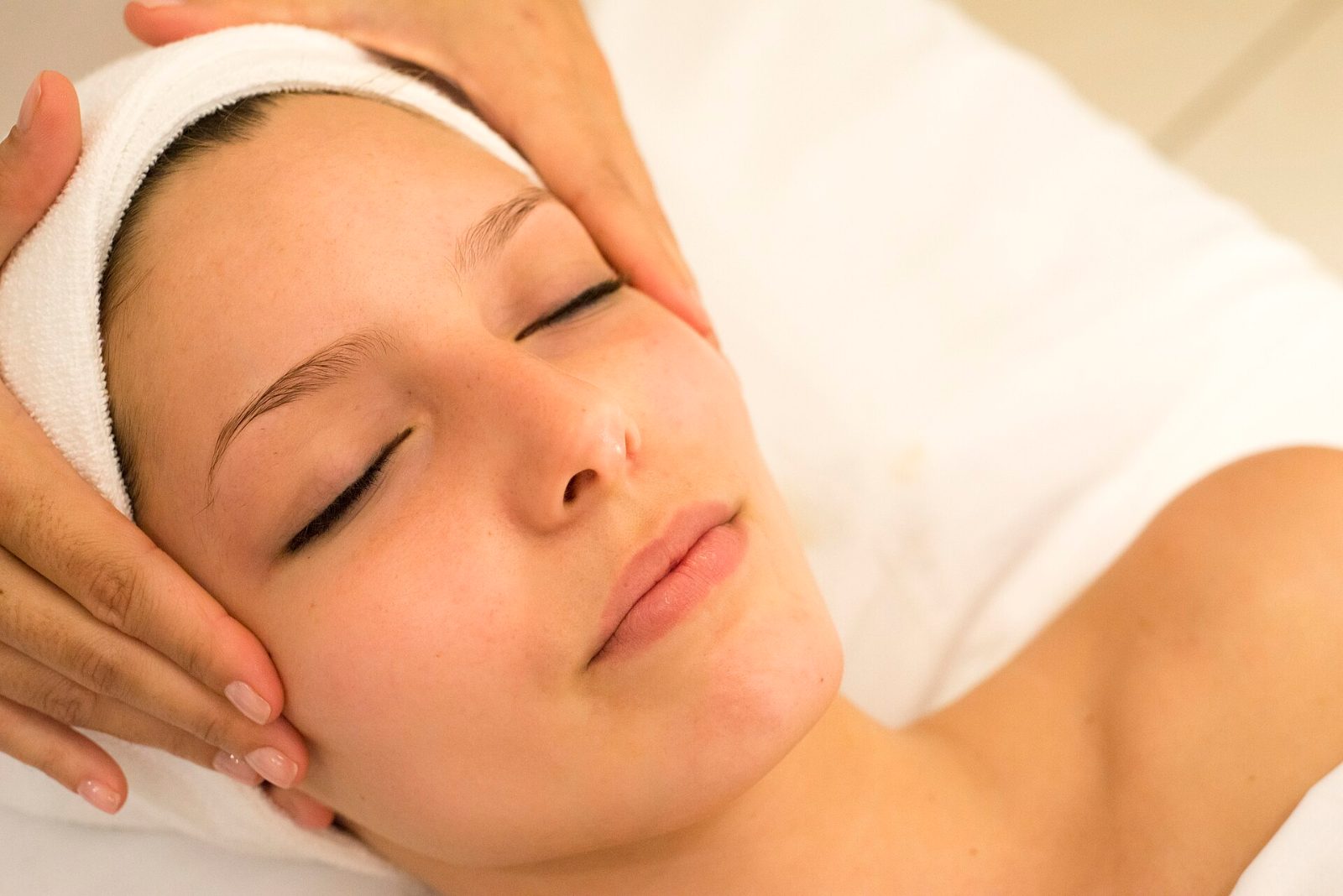
The main benefits of a HydraFacial are cleaner pores, smoother and more hydrated skin, and a brighter look straight after treatment, with little or no downtime. It is a good maintenance and “event-ready” facial, but its effects are temporary and it cannot replace medical treatment for deep scarring, melasma or severe acne.
Benefits you can see the same day
Most people book a HydraFacial for how their skin looks when they walk out. Because the treatment combines exfoliation, suction extraction and serum infusion in one pass, the immediate changes are noticeable.
- Smoother texture. Gentle exfoliation removes dead surface cells that make skin look rough and dull.
- Clearer-looking pores. Vacuum extraction lifts out some of the oil and debris in blackheads, especially on the nose and chin.
- Hydration. Hyaluronic acid based serums leave skin feeling plump and comfortable.
- Glow. Light reflects more evenly from smoother, hydrated skin, which is why people describe the look as “glass skin” for a few days.
- Makeup sits better. Foundation glides on more evenly over an exfoliated, hydrated surface, a big reason brides book one shortly before a wedding.
Benefits that build with regular sessions
When repeated at regular intervals, often every four weeks or so, some people notice longer-lasting changes:
- fewer blackheads and less congestion over time
- a more even skin tone, especially where dullness is caused by dead skin buildup
- skin that feels less dehydrated in air-conditioned environments
These are maintenance effects. If you stop, skin gradually returns to its usual state.
What a HydraFacial cannot do
Being realistic about the limits saves money and disappointment. Clinical evidence for HydraFacial is limited compared with long-established treatments such as retinoids, chemical peels or lasers, and much of the available data comes from small studies or the manufacturer.
| Concern | Can HydraFacial help? | What usually helps more |
|---|---|---|
| Dull, dehydrated skin | Yes, visibly and quickly | Regular moisturiser and sunscreen to maintain |
| Blackheads and mild congestion | Often | Salicylic acid, retinoids, regular facials |
| Inflamed or cystic acne | Not a treatment; may irritate | Dermatologist-led medical treatment |
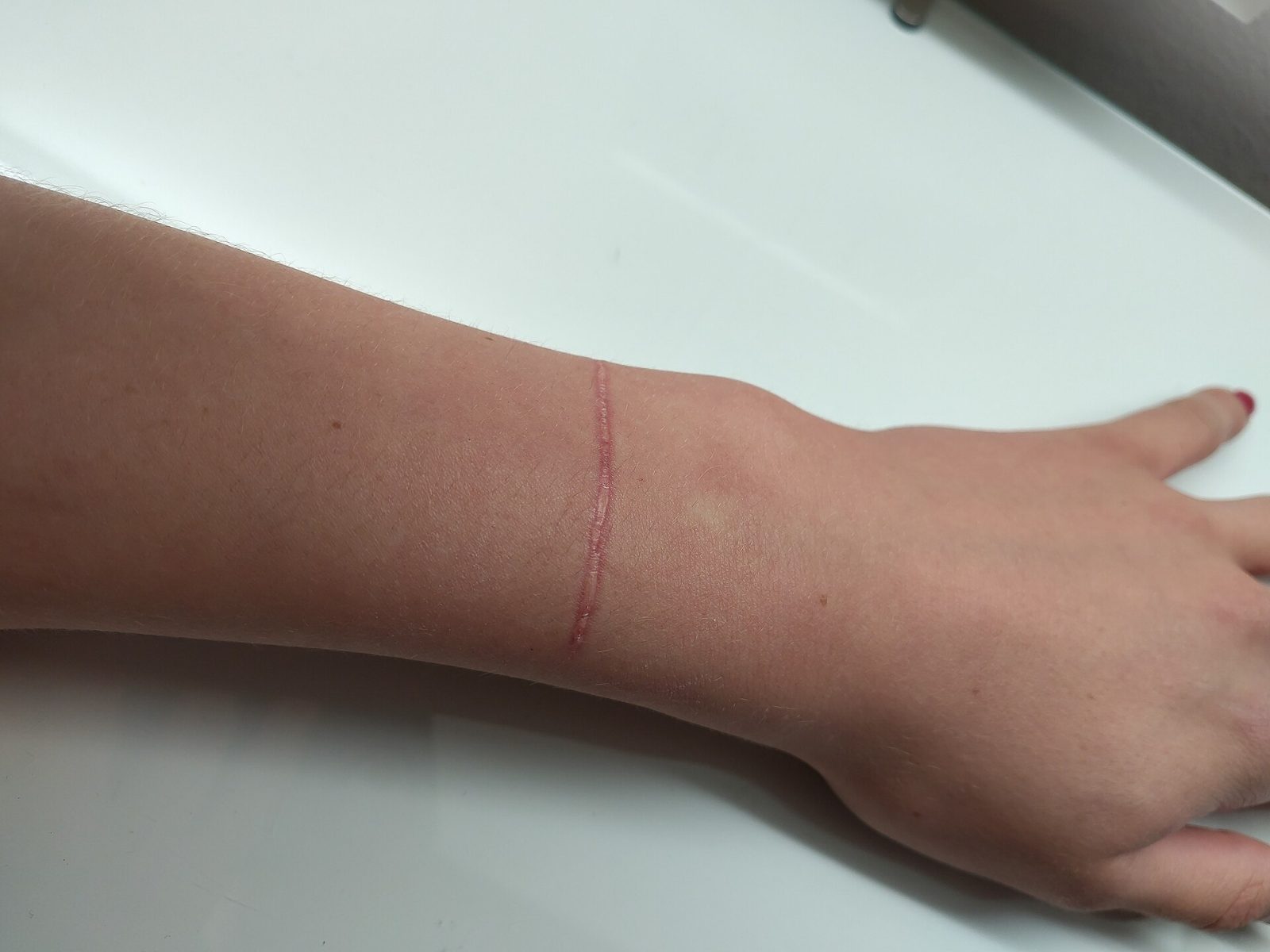
| Deep acne scars | Minimal | Microneedling, lasers, subcision |
| Melasma and stubborn pigmentation | Limited, short-term brightening only | Strict sun protection, dermatologist-prescribed treatment |
| Deep wrinkles and sagging | Minimal | Retinoids, energy-based devices, injectables |
Think of a HydraFacial as an excellent clean and polish, not a renovation. It makes healthy skin look its best.
Why it suits UAE skin and lifestyle
Life in the UAE creates a particular mix of skin stressors. Outdoors, heat and humidity increase sweat and oil and can clog pores. Indoors, constant air conditioning dries the surface. Sunscreen, which is essential here, can build up if not cleansed properly. A treatment that clears and hydrates at the same time fits that pattern well.
There is also no peeling or visible downtime for most people, which makes it easy to fit around work, travel and social events.
Best timing before a big event
Do a first HydraFacial at least four to six weeks before the date to see how your skin responds, then book the final one around three to five days before. That leaves time for any redness or small breakouts to settle. Our pre-wedding beauty timeline maps facials alongside makeup trials and other appointments.
Boosters: do they add benefits?
Many clinics offer add-on serums known as boosters, aimed at specific goals such as brightening, firming or calming. Some contain peptides, growth factors or plant extracts. They can make the treatment more tailored, but evidence for individual boosters varies. Ask what is in them and what difference you should realistically expect.
LED light therapy and lymphatic drainage are also common add-ons. Red and blue light have some evidence for calming skin and for mild acne respectively, but results are modest.
Who should not expect benefits, or should avoid it
A HydraFacial is gentle, but check with a doctor or dermatologist first if you:
- are pregnant or breastfeeding, as some solutions contain exfoliating acids
- use prescription retinoids, recently took isotretinoin, or have very sensitised skin
- have active rosacea, eczema, sunburn, cold sores or broken skin on the face
- have inflamed, painful acne that needs medical care
Get medical advice if
Redness, burning or swelling worsens over the day after treatment, blisters appear, or you notice pus or spreading redness. These are not expected effects.
Keeping the results
Results last longer with a simple routine at home:
- Cleanse gently twice a day, especially after sweating or wearing sunscreen all day.
- Moisturise morning and night, choosing lighter textures in humid weather.
- Wear broad-spectrum sunscreen daily and reapply outdoors.
- Avoid harsh scrubs, which undo the even surface a facial creates.

Frequently asked questions
How soon will I see HydraFacial benefits?
Immediately. Skin usually looks smoother and more hydrated as soon as the treatment is finished, with the effect most visible over the next few days.
Is a HydraFacial good for anti-ageing?
It can make skin look fresher and fine dehydration lines less visible for a while. It does not significantly change deeper wrinkles or skin laxity.
Is a HydraFacial good for acne?
It can help with blackheads and mild congestion. For inflamed, cystic or persistent acne, see a dermatologist; extraction over inflamed spots can make them worse.
How often should I get a HydraFacial?
Many clinics suggest monthly sessions for maintenance, but there is no medical need for a fixed schedule. Choose a rhythm that fits your skin and budget.
Sources: American Academy of Dermatology, HydraFacial official site, DermNet
Last reviewed: 2026-11-25. General information only, not medical advice. Please consult a licensed practitioner in the UAE about your own situation.