Best Lighting for Makeup Artists: Colour Temperature, CRI and Setup

The best lighting for makeup artists is bright, even, daylight balanced light (around 5000 to 5600 Kelvin) with a high colour rendering index, ideally CRI 95 or above, coming from the front of the face rather than overhead. In practice that means a good LED panel, a softbox or a quality ring light, plus a habit of checking the finished look under the lighting where the client will actually be seen.

Why lighting makes or breaks makeup

Makeup that looks perfect under a warm bathroom bulb can look orange, grey or patchy in daylight or in wedding photos. Poor lighting hides uneven blending, makes foundation matching unreliable and creates shadows that tempt the artist to over correct. For bridal work in the UAE, where the same makeup may be seen in bright outdoor sunlight, warm ballroom lighting and camera flash on the same day, accurate lighting at the station is essential.
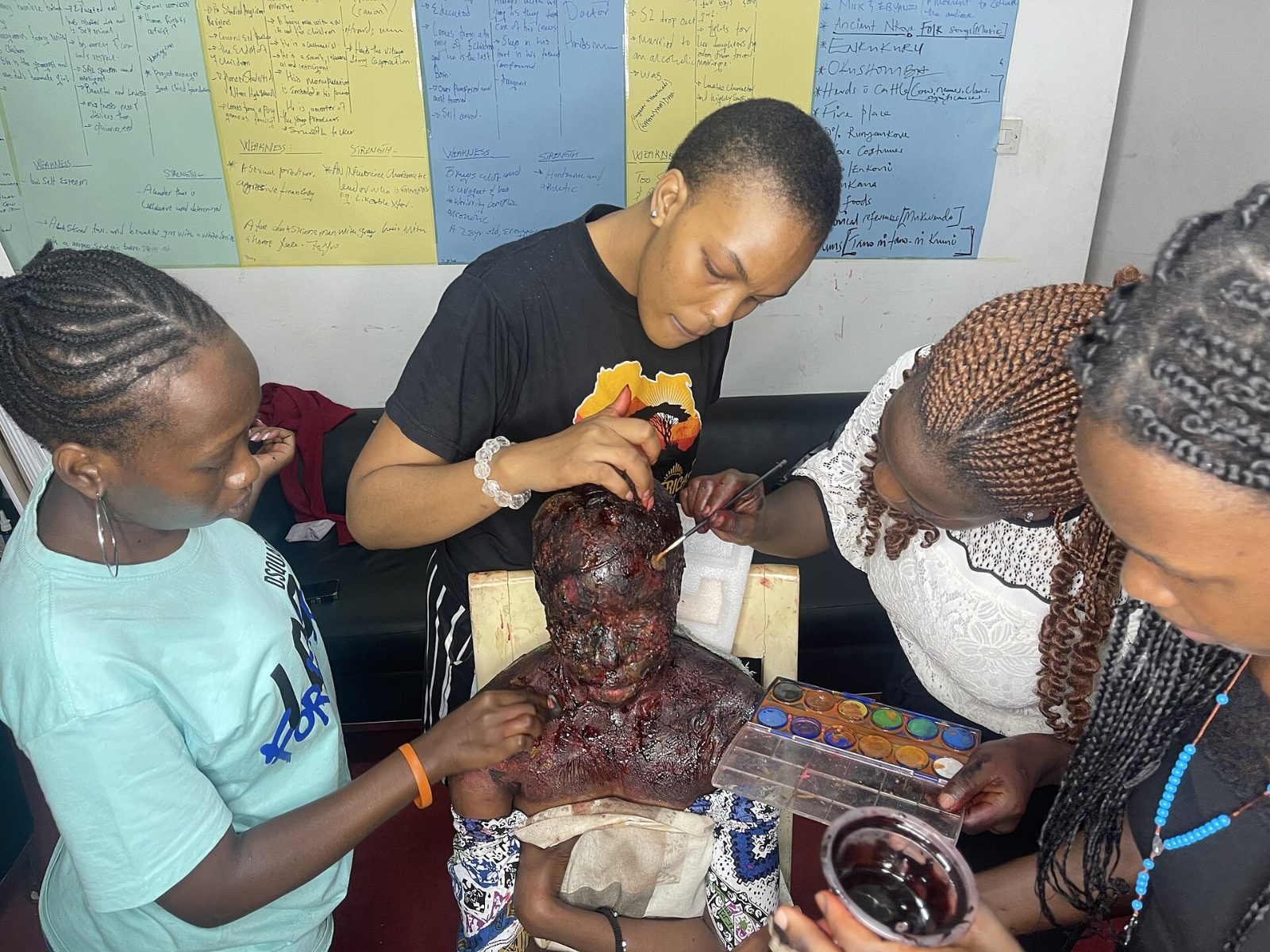
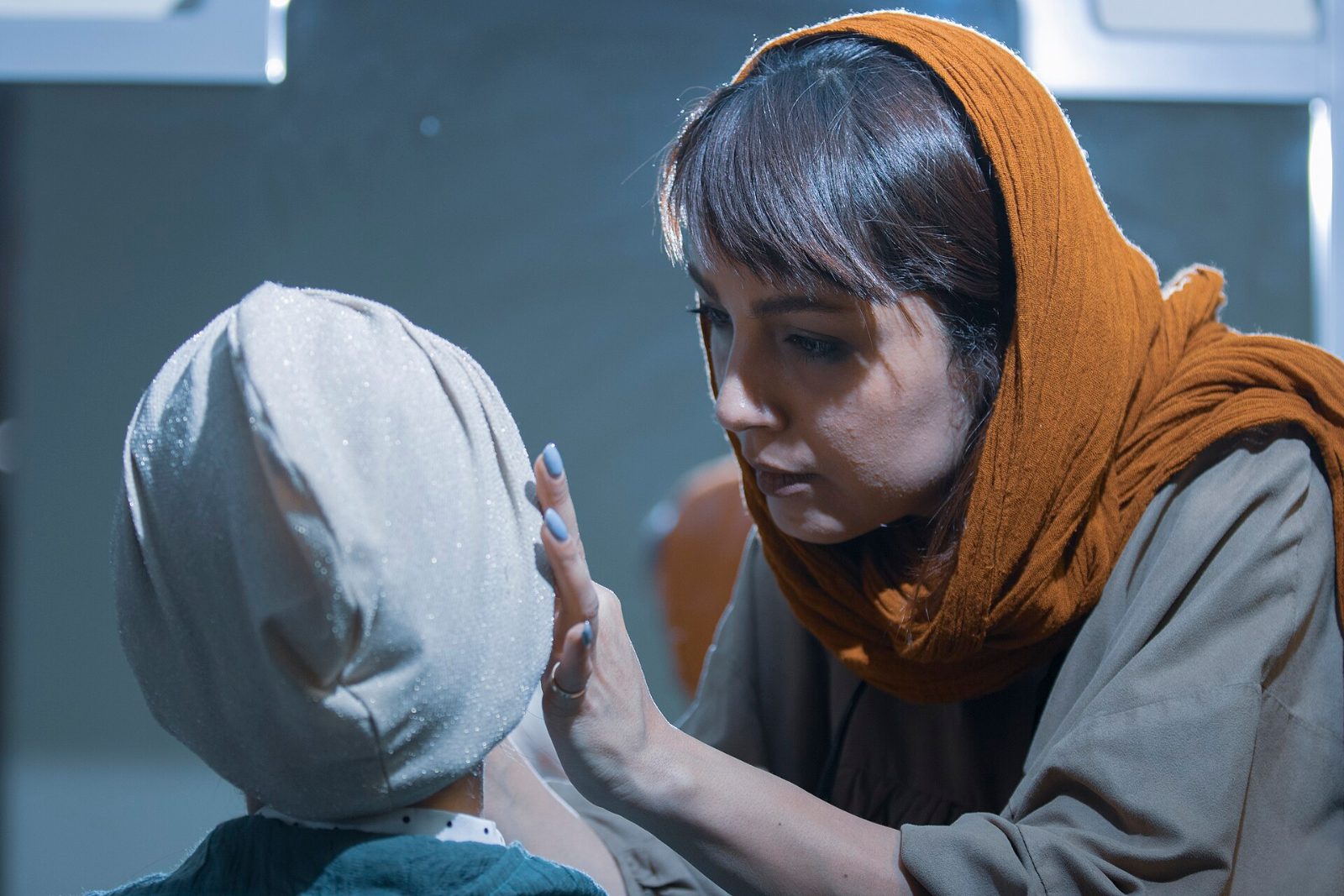
A makeup artist applying makeup in a studio

The three numbers that matter

MeasureWhat it meansWhat to look for
Colour temperature (Kelvin)How warm or cool the light looksAround 5000 to 5600K for neutral daylight; adjustable bi colour lights are useful
CRI (colour rendering index)How accurately colours appear compared with natural light90 is acceptable, 95 or higher is better for skin tone matching
Brightness (lumens or lux)How much light reaches the faceEnough to see texture without squinting; dimmable is ideal

Some manufacturers also quote TLCI or TM-30 values. Higher is generally better, but CRI and colour temperature are the most useful starting points.

Types of lights compared

Ring lights

Popular, affordable and portable. They give even light from the front and a recognisable catchlight in the eyes. Cheaper models often have low CRI and can flatten the face, making contour hard to judge.

LED panels and softboxes

Larger sources give softer, more natural light with fewer harsh shadows. Two panels placed at about 45 degrees either side of the face are a classic set up. Many are bi colour and dimmable.

Mirror lights and vanity bulbs

Hollywood style mirrors look glamorous, but the quality varies widely. Check the CRI and colour temperature of the bulbs rather than relying on the look.

Natural daylight

A large window with indirect light is excellent for checking the final look, but it changes through the day and is not always available. Avoid direct sun on the face, which creates harsh shadows and heat.

Quick buying checklist

  • CRI 95 or higher if possible
  • Adjustable colour temperature, or fixed around 5600K
  • Dimmable output
  • Diffused light source, not bare LEDs
  • Stable stand and portable case for on location bridal work
  • Battery option for venues without nearby sockets

Positioning the light

  1. Place the main light in front of the client at roughly eye level, or two lights at 45 degrees on either side.
  2. Avoid relying on overhead ceiling light, which casts shadows under the eyes and nose.
  3. Keep the client facing the light, with the artist slightly to the side so they do not block it.
  4. Turn off or reduce strongly coloured room lights that mix with your light source.
  5. Before finishing, step back and check the face from a normal conversation distance.
A ring light set up in a beauty studio

Checking makeup for the real setting

Professional artists often check the finished look in more than one light:

  • Daylight near a window for outdoor photos or a daytime ceremony
  • Warm light similar to the venue, since many wedding halls in Dubai and Abu Dhabi use warm, dim lighting
  • Phone camera with flash to spot flashback, the white cast some sunscreens and setting powders show in flash photos

Bridal trials

Ask your artist to do the trial in similar lighting to the wedding venue, and take photos in daylight and with flash. Our makeup artist booking checklist includes this and other trial questions, and the pre-wedding beauty timeline shows when to book the trial.

Practical points for on location work

Bridal work in the UAE often happens in hotel rooms, villas or venue dressing rooms. Bring your own lighting rather than trusting the room. Portable LED panels with batteries are invaluable when sockets are far from the best spot. Keep cables taped down to avoid trips in busy bridal suites, and allow lights to cool before packing.

Lighting for different skin tones

Accurate light matters even more when working across the wide range of skin tones seen in the UAE. Low CRI lights often distort warm and deep undertones, making it hard to choose the right foundation shade or to spot ashy patches from powder. With a high CRI daylight source, undertones show clearly and colour correction becomes far easier. Always check foundation along the jaw in your main light and then near a window before committing to a shade.

Hygiene and comfort

  • Wipe light handles and mirrors between clients
  • Avoid positioning very bright lights directly in the client’s eyes for long periods; angle them slightly and use diffusion
  • Clients with light sensitivity or migraines may need lower brightness and breaks
  • Keep lights away from hairspray and alcohol based sprays, which are flammable

Good light shows the truth about blending and colour; great artists also check it in the light where the client will be seen.

Is a ring light good enough for professional makeup?

A good ring light with high CRI can work well, especially for content creation. Many professionals prefer softboxes or LED panels for softer, more natural light.

What colour temperature is best for makeup?

Around 5000 to 5600K mimics neutral daylight. Bi colour lights let you check warmer and cooler settings too.

What does CRI mean for makeup?

CRI measures how accurately a light shows colours. A higher CRI makes foundation matching and blending more reliable.

How do I avoid flashback in bridal photos?

Test the makeup with a camera flash during the trial. Your artist can change products that show a white cast.

Sources: CIE International Commission on Illumination, US Department of Energy, American Academy of Dermatology

Last reviewed: 2026-11-25. General information only, not medical advice. Please consult a licensed practitioner in the UAE about your own situation.
Questions to Ask a Bridal Makeup Artist, and What Good Answers Sound Like

The most useful questions to ask a bridal makeup artist cover five areas: their experience with your skin type and style, their hygiene and products, how they handle the trial and the wedding day logistics, what happens if something goes wrong, and exactly what you are paying for. Asking is only half of it; the way an artist answers tells you as much as the answer itself.

1Experience2Hygiene, products3Trial4Wedding day5Contract, payment

1. Experience and style

Questions to ask

  • Can I see unfiltered photos of brides with a similar skin tone, skin type and eye shape to mine?
  • Have you worked with my style: Arabic, South Asian, soft glam, natural, hijab-friendly?
  • How do you adapt your work for very oily, dry, mature or acne-prone skin?

What a good answer sounds like

Specific examples, a portfolio with real skin texture rather than only heavily edited images, and confidence explaining how they would adapt products and techniques for you.

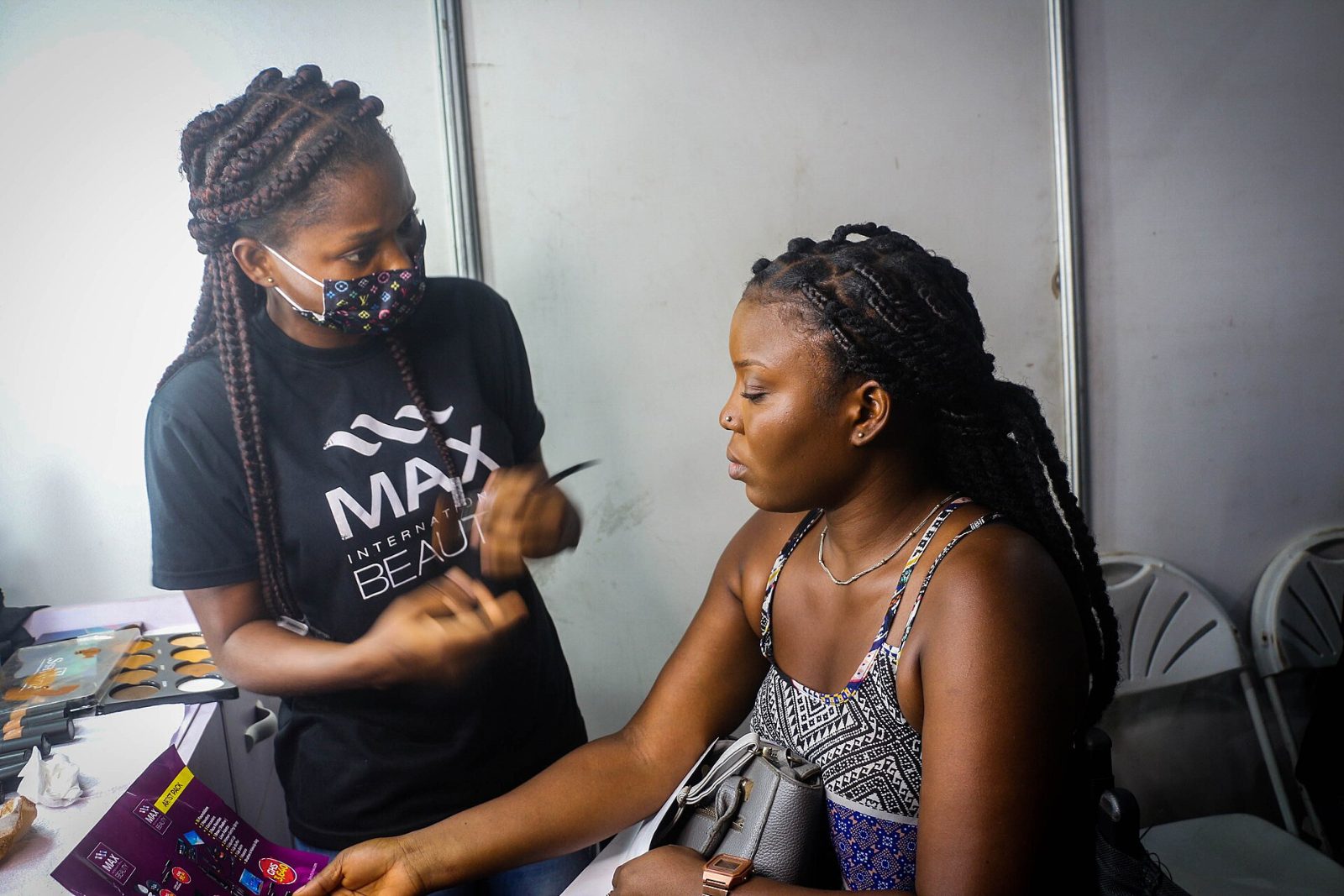
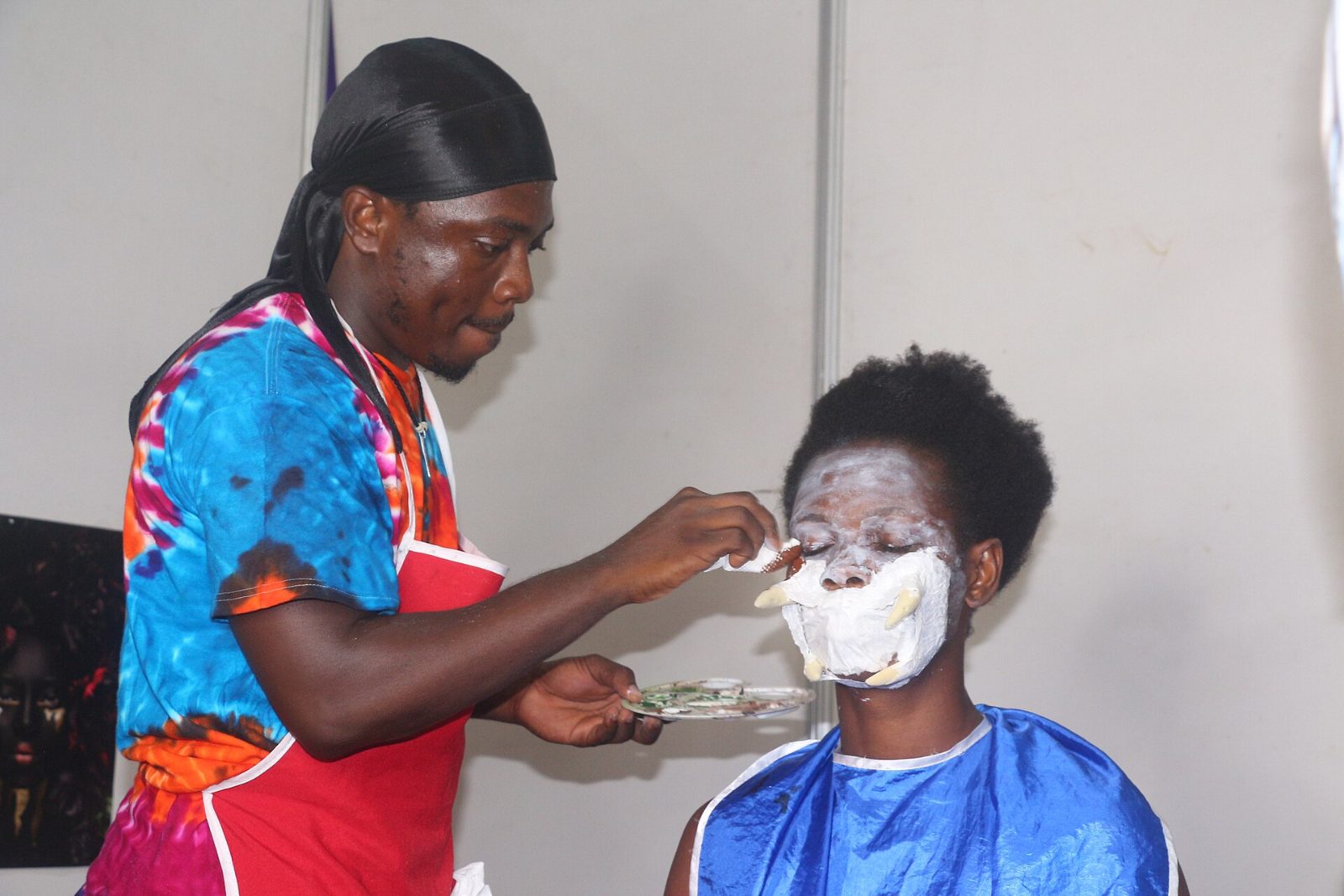
Makeup artist at work with a client
Photo: Fquasie, CC BY-SA 4.0

2. Hygiene and products

Questions to ask

  • How do you clean brushes and sponges between clients?
  • Do you use disposable mascara wands, lip applicators and spatulas?
  • Which brands do you use for base, lashes and adhesives?
  • Can I use my own foundation or skincare if I prefer?
  • How do you handle sensitive skin or allergies?

What a good answer sounds like

Clear routines: cleaned or fresh brushes for each client, disposables for eyes and lips, products decanted rather than used directly from the tube on several faces. Willingness to share a product list so you can patch test.

Hygiene red flags

  • Double-dipping mascara wands
  • Applying lipstick directly from the bullet to several clients
  • Dirty or stained brushes and sponges
  • Reluctance to share which products are used

Poor hygiene can spread infections, especially eye infections. If something looks wrong, it is fine to say so.

3. The trial

Questions to ask

  • Is the trial included or charged separately? Is the fee deducted if I book?
  • How long does the trial take, and can I try two looks?
  • Will you take photos in daylight and with flash?
  • Can I make changes after the trial?

What a good answer sounds like

Transparency about cost, enough time to test properly, and a genuine interest in your feedback. For cost details, see our guide on bridal trial makeup cost.

4. Wedding day logistics

QuestionWhy it matters
What time will you arrive and how long do you need for me?Plans the morning schedule
Will you or an assistant do my makeup?Ensures you get the artist you tested
How many people can you do in the time available?Avoids delays with bridesmaids or family
Do you charge travel, and to which areas?Clarifies costs for venues across emirates
Can you stay for touch-ups or outfit changes?Useful for long, multi-event weddings
What do you need in the room: lighting, chair, power?Prevents problems in hotel suites

For the full timing picture, see how long bridal makeup takes.

5. Contract, payment and contingencies

Questions to ask

  • How much is the deposit, and is it refundable?
  • When is the balance due, and how can I pay?
  • What happens if I change the date or cancel?
  • What happens if you are ill or cannot attend? Do you have a backup artist?
  • Can I have everything in writing?

What a good answer sounds like

Clear, written terms covering both sides, including a realistic plan if the artist cannot attend. Hesitation or vague answers here are a warning sign.

Keep it organised

Save each artist’s answers in one place so you can compare them side by side. Our Makeup Artist Booking Checklist gives you the full list in a format you can copy and send.

Notebook for comparing makeup artist answers

Questions about the UAE setting

A few questions are especially useful for weddings in the UAE:

  • Are you comfortable working at desert camps, beach venues or outdoor locations, and how do you adapt products for heat and wind?
  • Have you worked with brides who wear a hijab, shayla or niqab, and can you coordinate with a hijab stylist?
  • Do you travel between emirates, and is travel time included in the quote?
  • Can you work around family schedules, such as prayer times or separate events for women and men?
  • Do you hold the trade licence or permits required to offer your services where you operate?

Artists who regularly work across the UAE will usually answer these easily and may raise points you had not considered.

Questions artists may ask you

A good artist will also ask you questions. Be ready to share:

  • Your skin type, any conditions and allergies
  • Photos of your dress, jewellery, veil or hijab
  • Looks you love and looks you do not
  • The venue, ceremony time and photography plans
  • The number of people needing makeup

If an artist asks nothing about your skin or preferences, that can be a sign they apply the same look to everyone.

Booking timeline

Popular artists in the UAE can be booked months ahead in peak season. Start contacting artists once your date and venue are fixed, and schedule the trial after your outfit is chosen. Use our Pre-Wedding Beauty Timeline to fit everything together.

Reading reviews and asking for references

Online reviews are helpful, but read them carefully. Look for recent reviews that mention specific details, such as how the makeup lasted, punctuality and how the artist handled problems, rather than short, generic praise. If you can, ask friends or family who married recently in the UAE about their experience. Some artists are happy to share contact details of past brides who agreed to act as references, which can be reassuring for a large booking.

The best artist for you answers clearly, listens closely and puts your skin and comfort first.

Frequently asked questions

How many makeup artists should I contact?

Contacting three to five artists is common. It gives you enough to compare style, communication and price without becoming overwhelming.

Should I ask to see unedited photos?

Yes. Unedited or lightly edited photos show how the makeup really looks on skin, which is what you will see in person and in candid shots.

What should I do if an artist will not answer hygiene questions?

Treat it as a red flag. Professional artists are used to these questions and should answer clearly.

Is it rude to ask about a backup artist?

Not at all. Illness and emergencies happen, and a professional artist should have a plan.

Sources: American Academy of Ophthalmology, American Academy of Dermatology, UAE Government portal

Cover photo: Fquasie, CC BY-SA 4.0. Last reviewed: 2026-11-26. General information only, not medical advice. Please consult a licensed practitioner in the UAE about your own situation.
Bridal Makeup Cost: What You Are Really Paying For

Bridal makeup costs more than everyday makeup because you are paying for far more than one application: the artist’s planning and trial time, professional long-wear products, travel, early starts, waiting time, and the experience to get it right on a day that cannot be repeated. In the UAE, prices vary widely between artists and emirates, so it is more useful to understand what drives the cost than to rely on an average figure.

Why bridal makeup is priced differently

An everyday makeup appointment is usually a single service. A bridal booking typically includes several hidden components:

  • Consultation and planning before the trial
  • A trial, often as long as the wedding-day appointment
  • Blocking the date, which means turning away other bookings in peak season
  • Travel and setup at a home, hotel suite or venue
  • Very early starts and sometimes long waiting periods for touch-ups
  • Premium long-wear products and lashes
  • Responsibility: one of the most photographed days of your life

For a look at price ranges specifically in Dubai, see our guide to makeup artist prices in Dubai.

Artist skill and experienceTime: trial, travel, waitingProducts and lashesPeak-season dateExtras and add-ons

The bars above are illustrative, not measured shares. The balance differs from artist to artist.

The main cost factors

FactorTypically lower costTypically higher cost
ArtistNewer artist building a portfolioSenior or high-demand artist
LocationStudio appointmentHome, hotel or venue visit
LookSoft natural lookFull glam with detailed eyes and lashes
HairMakeup onlyMakeup with hair or hijab styling
TimingStandard daytime startVery early start or late finish
SeasonOff-peak monthsPeak wedding season
TravelWithin the same areaAcross emirates or to remote venues
ExtrasBride onlyFamily, bridesmaids, multiple events

Costs brides often forget

  • Lashes: sometimes charged separately or upgraded at extra cost
  • Travel or parking fees
  • Touch-up time if the artist stays after the ceremony
  • A second look for a reception or outfit change
  • Makeup for mothers, sisters or bridesmaids
  • A second trial if the first one needs significant changes
  • Pre-wedding events such as henna nights or engagement parties

Build a full beauty budget

List every service you want, for every event, and every person. Then ask artists to quote against that list. Our Makeup Artist Booking Checklist helps you structure the request so quotes are easy to compare.

Is a more expensive artist always better?

Not necessarily. Price often reflects demand and experience, but the right artist for you is the one whose style matches what you want and whose work looks good on skin like yours. Judge by:

  • Unfiltered portfolio photos on similar skin tones and styles
  • Recent, detailed reviews from real brides
  • Clear answers about hygiene and products
  • How well they listen at the consultation and trial

For a list of questions to ask, see questions to ask a bridal makeup artist.

Ways to manage the cost

  • Book early to have more choice of artists at different price points
  • Choose a studio trial rather than a home visit
  • Keep the bridal party small or offer simpler looks for guests
  • Use one artist for multiple events if they offer a combined package
  • Skip extras you do not need, such as body makeup or premium lashes
  • Consider an artist’s associate for guests, with the lead artist for you

Where not to cut corners

Do not skip the trial to save money, and do not choose an artist mainly because they are the cheapest if their hygiene or portfolio worries you. A reaction or a look you dislike on the day costs more in stress than a well-planned budget.

Comparing quotes fairly

Two quotes that look very different may cover very different services. One artist might include the trial, lashes, travel and two hours of touch-up time, while another quotes a lower figure for the makeup alone. Before deciding, line the quotes up item by item. Add any missing items using the artist’s own prices, so the totals reflect the same services. Then weigh the difference against portfolio, reviews and how comfortable you felt at the consultation. Being clear about your needs up front also helps artists quote accurately the first time.

Deposits and payment

Most artists ask for a deposit to secure the date, with the balance due before or on the wedding day. Ask for the terms in writing, including what happens if the date changes or either side has to cancel. Keep receipts and confirmations in one place.

Planning a wedding budget
Photo: Coyau, CC BY-SA 3.0

Products and safety

Part of what you pay for is professional, reputable products. Ask which brands are used, especially for foundation, lashes and adhesives, and patch test them before the trial if you have sensitive skin. Be cautious of very low prices that may reflect expired or unregulated products. If you develop redness, swelling or eye irritation after a trial, tell the artist and seek advice from a licensed doctor in the UAE.

Fitting makeup into the overall wedding budget

Beauty is one of many wedding costs, alongside the venue, catering, photography, outfits and more. Deciding early what share of the overall budget goes to hair and makeup, including family and pre-wedding events, makes it easier to choose an artist without second-guessing. Add the dates for trials and deposits to your Pre-Wedding Beauty Timeline so payments do not arrive as a surprise in the busiest weeks.

Professional makeup brushes
Photo: Shixart1985, CC BY 2.0

You are paying for planning, skill, time and peace of mind as much as the makeup itself. Ask what is included, in writing, and compare like with like.

Frequently asked questions

Why is bridal makeup more expensive than regular makeup?

Bridal bookings include a trial, planning, date reservation, travel, early starts, premium products and often touch-up time, which regular appointments do not.

Does bridal makeup cost include hair?

Sometimes. Many artists price hair or hijab styling separately. Check each quote carefully.

Are prices different across the emirates?

They can be. Travel distances, demand and the artist’s base location all affect pricing. Ask for a quote for your specific venue.

How can I avoid hidden costs?

Ask for a written quote listing every service, the number of people, travel, lashes, touch-up time and the deposit and cancellation terms.

Sources: UAE Government portal, American Academy of Dermatology, US Food and Drug Administration: Cosmetics

Last reviewed: 2026-11-26. General information only, not medical advice. Please consult a licensed practitioner in the UAE about your own situation.

Booking a Celebrity Makeup Artist for Your Wedding: What the Title Really Means

A celebrity makeup artist is usually someone who has worked with well-known clients, on photo shoots, at events or on television, and uses that experience to market their services. For a bride, the title can signal skill and experience, but it is not a qualification. Verify the claim, judge the artist on unedited bridal work and a trial, and decide whether the higher fee buys you something you actually need.

What the title usually means

There is no official definition or certificate for “celebrity makeup artist”. It can describe someone who regularly works with public figures, someone who has done makeup for a few well-known people, or someone who mainly works on editorial and campaign shoots. Each of those can be a talented artist, but editorial work and bridal work are different skills.

Editorial makeup is designed for controlled lighting, short shoots and retouching. Bridal makeup has to look good in person, under mixed lighting, through tears and heat, for many hours, and with no retouching on guests’ phones.

How to verify the claim

  1. Ask for specifics. Which events, publications or productions? When?
  2. Look for credits. Magazines, campaigns and productions often credit makeup artists. Professional pages and agencies may list their clients.
  3. Check the artist’s own channels. Look for consistent work over time, not a single photo with a famous person.
  4. Focus on brides. Ask for unedited photos of real brides in natural light.
  5. Read reviews from brides. Look for comments about punctuality, hygiene and how the makeup lasted.

What a celebrity profile can tell you

  • The artist is likely experienced with cameras and lighting
  • They may work quickly and calmly under pressure
  • They may have access to a strong professional kit
  • They may have a busy calendar, so early booking is essential
Makeup artist's professional brush set
Photo: geehairimages, CC BY 2.0

What you pay extra for

High-profile artists usually charge more. Part of that reflects skill and demand; part reflects their brand. Before you commit, understand what the higher fee includes.

QuestionWhy it matters
Will the artist personally do your makeup?Some well-known artists send team members for parts of the work
Is the trial with the artist or an assistant?You want to test the person who will do your wedding look
What is included: lashes, hair, touch-ups?Inclusions vary widely
How long will they stay?Some leave immediately after the look is finished
What are the deposit and cancellation terms?High-demand artists often have strict terms
What happens if they are unavailable?Ask for a named backup

Is a celebrity artist right for you?

It can be a good choice if you love their style, they have strong bridal work, and the budget allows it without cutting into other priorities. It may be less suitable if their portfolio is mostly editorial, if they cannot confirm they will do your makeup personally, or if the price means compromising on other important parts of your wedding.

Many brides find that an experienced bridal specialist, without a celebrity profile, delivers exactly the result they want for less. What matters most is the trial.

Judge the artist on your face at the trial, not on someone else’s face in a magazine.

The trial

Book a paid trial two to three months before the wedding. Bring photos of your dress, jewellery and hijab or veil, and tell the artist about your skin type and any treatments or allergies. Wear the makeup for several hours, photograph it in daylight, indoor light and with flash, and check your skin the next day. Our makeup artist booking checklist lists the questions to ask.

Hygiene and skin safety

A high profile does not guarantee good hygiene. Watch for clean brushes, disposable applicators for mascara and lips, decanted products and clean hands. Tell the artist about sensitive skin, eczema, acne treatments or recent facial procedures.

If your skin reacts

Remove the makeup gently if you feel burning or itching. See a licensed doctor or dermatologist in the UAE if redness, swelling or a rash does not settle. Seek urgent help for swelling of the lips, eyes or face, or any breathing difficulty.

Makeup products ready for a bridal trial
Photo: Hernan Irastorza from Buenos Aires, Argentina, CC BY 2.0

Getting the most from a high-profile booking

If you do book a well-known artist, a little preparation helps you get full value. Before the trial, send a short brief: your wedding date and venue, the time you need to be ready, photos of your outfit, and three or four looks you love along with one or two you dislike. Clear references save time and help the artist understand your taste quickly.

At the trial, speak up early. High-profile artists are used to strong opinions on shoots, and most welcome clear feedback. If the brows feel too strong or the base too heavy, say so while there is still time to adjust. Ask the artist to note the exact products and shades used, so the wedding-day look matches the trial and you can buy touch-up products.

On the day, protect the schedule. Make sure the room is ready, the lighting is good and family members know when the bride’s slot begins. Busy artists often have tight timings, and a calm, organised room lets them focus on doing their best work for you.

Booking timeline

Popular artists may be booked many months in advance for peak wedding season. Shortlist early, enquire with your date, and book soon after a successful trial. Our pre-wedding beauty timeline shows when to secure your artist alongside other preparations.

Contracts and social media

Some well-known artists like to share bridal work on their social media. If you prefer privacy, discuss it before booking and ask for it to be written into your agreement. Equally, if you are happy to be featured, you might ask whether that affects the terms in any way.

FAQ

Is a celebrity makeup artist better for weddings?

Not automatically. Bridal skills, long-wear techniques and a successful trial matter more than famous clients.

How can I check if someone is really a celebrity makeup artist?

Ask for specific credits, look for published work with their name, and focus on consistent, verifiable work over time.

Will a celebrity artist do my makeup personally?

Ask directly and get it in writing. Some send team members for certain bookings.

Can I ask the artist not to post my photos?

Yes. Discuss it before booking and include it in your agreement.

Sources: UAE Government portal on consumer rights; American Academy of Dermatology; UAE Ministry of Health and Prevention.

Last reviewed: 2026-11-25. General information only, not medical advice. Please consult a licensed practitioner in the UAE about your own situation.

Bridal Makeup Trial Cost: What You Pay For and How to Get Full Value

A bridal makeup trial is usually charged as a separate service, and the price varies widely between artists, emirates and the type of look. In the UAE, some artists include the trial in a bridal package, some deduct it from the final bill if you book, and others charge it in full. Rather than looking for an average figure, ask each artist for a written quote that says exactly what the trial includes.

Why artists charge for trials

A trial is a full appointment. The artist plans the look with you, applies complete makeup, often including lashes, and adjusts it as you go. It can take as long as, or longer than, the wedding-day makeup. They also use professional products and block out time that could go to another client, often in the busy cooler-season months. That is why most professional artists charge for trials rather than offering them free.

Often includedConsultation and planningFull makeup applicationAdjustments and photosProduct notes for the dayOften extraHair or hijab trialLashes or premium lashesTravel to your locationA second trial

What affects the price

FactorWhy it changes the cost
Artist experience and demandSenior or very busy artists usually charge more
LocationStudio trials are often cheaper than home or hotel visits
Look complexityFull glam with lashes takes longer than a soft natural look
Hair includedA combined hair and makeup trial costs more
Number of looksTesting two looks, such as ceremony and reception, takes longer
Season and dayWeekend and peak-season slots can be in higher demand
Travel between emiratesTravel time and fuel may be added

Because so many factors are involved, prices quoted online or by friends may not apply to you. Always compare like with like.

Is a trial worth paying for?

For most brides, yes. A trial lets you:

  • Check that you and the artist understand each other’s taste
  • See how products behave on your skin over several hours
  • Test the look in daylight, indoor light and flash photos
  • Find out how long the makeup takes, for planning the wedding morning
  • Spot any reactions to products before the wedding

If you skip the trial, you see the result for the first time on your wedding day, with no time to change direction.

Makeup brushes set out for a trial
Photo: geehairimages, CC BY 2.0

Questions to ask about the trial fee

Before you pay

  • Is the trial fee deducted from the wedding package if I book?
  • Does the trial include lashes, and which kind?
  • Is a hair or hijab trial included or separate?
  • Can I try two looks in one session?
  • How long will the trial last?
  • Is a second trial possible, and what does it cost?
  • What is the cancellation policy?

Our Makeup Artist Booking Checklist includes these questions and more, ready to copy into a message.

When to book the trial

Most brides book the trial one to three months before the wedding, once the dress, hairstyle and colour scheme are decided. Booking too early can mean your skin, hair colour or tan changes before the day; too late leaves no time for a second trial. Fit it into your Pre-Wedding Beauty Timeline after any facials or treatments have settled.

Makeup products tested at a bridal trial
Photo: Doll Joints, CC BY 2.0

How to get the most from your trial

Prepare

Arrive with clean, moisturised skin. Bring photos of looks you like and do not like, a picture of your dress and jewellery, and your usual lipstick if you have a favourite.

Recreate the conditions

If possible, wear a top in a similar colour and neckline to your dress. Bring the veil, hijab or headpiece, or a similar one, so the artist can see how the face is framed.

Test it properly

Wear the makeup for the rest of the day. Take photos outdoors, indoors and with flash. Note where it fades, creases or shines first.

Give honest feedback

Tell the artist what you love and what does not feel like you. Good artists welcome feedback; the trial exists for adjustments.

Sensitive skin

If you have sensitive skin or allergies, ask for the product list before the trial and patch test anything new a few days in advance. If you react during or after the trial, tell the artist so they can change products, and seek advice from a licensed doctor in the UAE if the reaction does not settle.

Fitting the trial into your budget

It helps to treat beauty costs as one line in your wedding budget rather than paying for each item as it comes up. List the trial, the wedding-day makeup, any hair or hijab styling, lashes, travel, touch-up time and makeup for family or bridesmaids, then compare full quotes from two or three artists. An artist with a higher trial fee may still be better value overall if the fee is deducted from the package or if lashes and travel are included.

If you are booking several services with one artist, such as makeup for an engagement party, henna night and wedding, ask whether a single trial can cover more than one look. Some artists are happy to test a soft daytime look on one side of the face and a fuller evening look on the other, which is a practical way to compare two directions in one session. Keep all quotes and confirmations in writing, including dates, times, deposits and what happens if either side needs to cancel.

Red flags when comparing artists

  • No written quote or unclear terms
  • Pressure to pay the full wedding fee before the trial
  • Portfolio with only heavily filtered photos
  • No answers about hygiene or product brands
  • Refusal to adjust the look after your feedback

Treat the trial as part of the wedding budget, not an optional extra. It is the cheapest way to avoid an expensive surprise on the day.

Frequently asked questions

Is the bridal trial included in the makeup package?

Sometimes. Some artists include it, some deduct it from the final bill, and some charge it separately. Ask for this in writing.

Can I skip the trial to save money?

You can, but it increases risk. If budget is tight, consider a trial with the artist’s associate or a shorter consultation instead of skipping entirely.

Should I book a hair trial too?

If you have a complex hairstyle, extensions or a veil to fit, a hair trial is worth considering. Some artists offer combined trials.

What if I do not like my trial makeup?

Tell the artist clearly what you would change. Many artists can adjust on the spot or offer a second trial. If the styles do not match at all, it may be better to look for another artist.

Sources: Dubai Department of Economy and Tourism, American Academy of Dermatology, UAE Government portal

Cover photo: Fidelis ogunseri ocsfilms, CC BY-SA 4.0. Last reviewed: 2026-11-26. General information only, not medical advice. Please consult a licensed practitioner in the UAE about your own situation.
Bridal Hair or Makeup First? How to Decide the Order on Your Wedding Morning

There is no single correct order, but many teams do the bride’s hair first and makeup second, or work on both in stages. Hair first protects your finished makeup from hairspray, heat tools and sweat, while makeup first can help with certain styles, especially when the hair needs to frame finished makeup or when a hijab is involved. The best order is the one your artist and stylist agree on for your look and timeline.

Why hair first is common

  • Heat and steam: blow-drying and curling are warm, which can make you sweat, especially in a warm room
  • Products: hairspray and other styling products can settle on the face
  • Freshness: makeup done later looks fresher for the ceremony and photos
  • Hairline blending: the artist can blend foundation to the finished hairline and adjust around face-framing pieces

Many stylists protect the face with a cape or towel and hold a hand or card in front of the face when spraying, but hair first removes the worry.

Hair firstLots of heat stylingHeavy hairsprayWant freshest makeupfor the ceremonyMakeup firstHijab or shayla stylingSleek styles needingthe face finishedArtist preferenceStagedCurls set whilemakeup is appliedFinal hair stylingat the end

When makeup first makes sense

  • Hijab, shayla or niqab styling: the face is usually finished first, and the hijab is styled over it
  • Very sleek or slicked-back hair: some artists prefer the hair to be pulled back after makeup so the hairline is clean
  • Face-framing styles: a stylist may want to see the finished makeup to place pieces around it
  • Artist and stylist preference: some teams simply work better in a certain order

The staged approach

Many experienced teams work in stages. For example, the stylist preps and sets curls, the artist applies makeup while the hair sets, and the stylist finishes the style at the end. This keeps both professionals working and saves time. Ask your team whether they plan to work this way.

OrderAdvantagesWatch-outs
Hair firstMakeup stays fresh; no sweat or spray on finished faceHair may drop slightly while makeup is done
Makeup firstGood for hijab styling; hairline visibleProtect makeup from spray and heat
StagedEfficient; both look freshNeeds good coordination between artist and stylist
Hair being styled with a curling iron
Hairstylist preparing a bridal hairstyle

How hijab styling changes the order

For brides who wear a hijab, the usual sequence is makeup first, then hijab styling, sometimes with an under-cap placed before makeup to keep hair off the face. Key points:

  • Agree on whether the under-cap goes on before or after foundation
  • Ask the artist to blend foundation well at the edges where fabric will sit
  • Use transfer-resistant base and setting spray to protect light-coloured fabric
  • Allow time for pinning and accessories after makeup

Veils, headpieces and jewellery

Veils and headpieces are usually placed last. Heavy jewellery such as a maang tikka, matha patti or tiara may affect how the hair is styled and where makeup needs to be clean, so bring them to both trials. Earrings and necklaces should go on after makeup to avoid transfer.

Planning the morning with your team

Questions to ask your artist and stylist

  • Which order do you prefer, and why?
  • Will you work in stages or one after the other?
  • How long does each step take?
  • Who is the last person to touch the bride before the dress goes on?
  • How will you protect the makeup when spraying hair?
  • Will you stay for touch-ups or veil placement?

Our Makeup Artist Booking Checklist includes more questions about timings. For the overall schedule, see our guide on how long bridal makeup takes.

Practical tips for the wedding morning

  • Arrive with clean, dry hair prepared as your stylist instructs
  • Wear a button-front top so nothing goes over your head
  • Keep the room cool, but not so cold that your skin dries out
  • Eat before the appointments start
  • Drink water through a straw once lipstick is on

Protect your face during hair styling

If hair goes second, ask the stylist to hold a shield in front of your face when spraying, and keep a clean tissue to blot any spray. Your artist can do a quick check after the hair is finished.

What about bridesmaids and family?

The same question applies to everyone getting ready, and the order often depends on who is available. With one artist and one stylist, a rotation usually works best: while one person has hair done, another has makeup, and they swap. People with simpler looks, or those who need to leave early for other duties, often go first. Mothers and the bride usually go near the end so they look freshest in the main family photos.

If several people wear a hijab, plan for the time each one needs to pin and style it after makeup, and make sure there is a mirror and good light for this step, separate from the makeup station. If the photographer wants getting-ready shots, let them know which order you are using so they can catch the moments they want, such as the final touches of lipstick or the veil being placed.

When the weather plays a part

For outdoor ceremonies or photos on a warm day, many teams prefer to finish makeup as late as possible so it has less time in the heat. Humidity near the coast can also make curls drop faster, so the stylist may want to finish hair later too, which is where a staged approach helps. Discuss the forecast and venue with both professionals a few days before.

Sensitivities and comfort

Hairspray and heat can irritate sensitive skin and eyes. If you have asthma, allergies or sensitive skin, tell your stylist and ask for products and ventilation that suit you. Keep your eyes closed when spray is used near your face. If you get persistent eye irritation, redness or breathing discomfort, stop and seek advice from a licensed doctor in the UAE.

Hair or makeup first matters less than the plan. Agree the order with your team at the trial, and stick to it on the day.

Frequently asked questions

Do brides usually do hair or makeup first?

Many teams do hair first so makeup stays fresh, but makeup first is common for hijab styling and some sleek styles. Staged approaches are also popular.

Will hairspray ruin my makeup?

It can leave a film or feel tacky if sprayed directly on the face. Stylists usually shield the face, and your artist can blot and touch up afterwards.

Should I do my hair and makeup trial on the same day?

It is very helpful. You see the full look together and can test the order you plan to use on the wedding day.

When should the veil go on?

Usually after both hair and makeup are complete, just before or after getting dressed, depending on the veil and dress.

Sources: American Academy of Dermatology, American Academy of Ophthalmology, NHS: Asthma

Last reviewed: 2026-11-26. General information only, not medical advice. Please consult a licensed practitioner in the UAE about your own situation.