
Most people need only four kinds of skin care products: a gentle cleanser, a moisturiser, a broad-spectrum sunscreen and, optionally, one or two targeted “actives” such as vitamin C, niacinamide or a retinoid. In the UAE, the order of importance is clear: sunscreen first, then a routine simple enough that you actually follow it through heat, humidity and air conditioning.
The core four
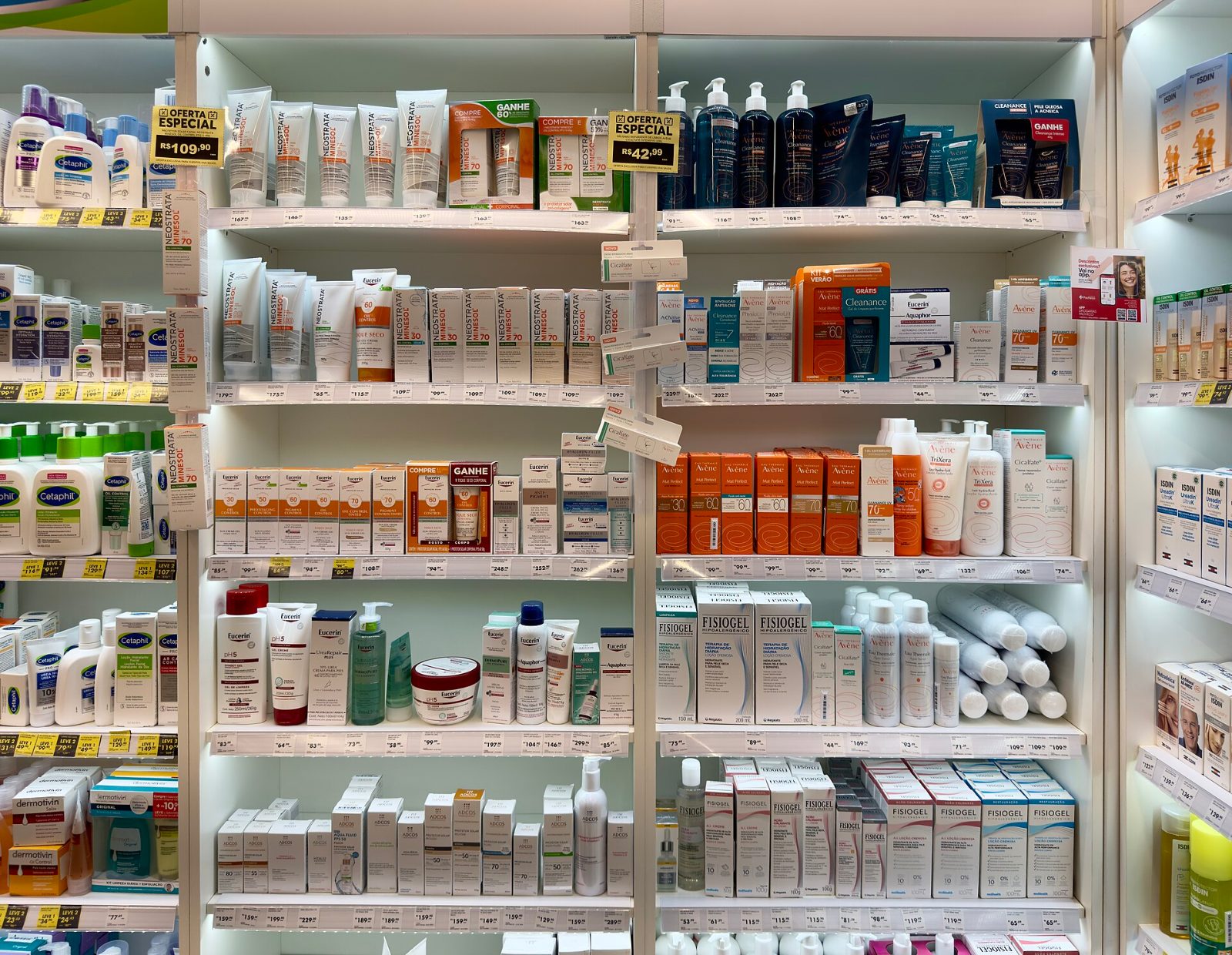
Shelves in Dubai malls and pharmacies are full of serums, essences, toners and masks, but the foundation of a routine is much smaller.
| Product | What it does | What to look for |
|---|---|---|
| Cleanser | Removes sweat, sunscreen, makeup and pollution | Gentle, non-stripping; gel for oily skin, cream or milk for dry |
| Moisturiser | Supports the skin barrier and limits water loss | Light gel-cream for humid days, richer cream for dry AC rooms |
| Sunscreen | Protects against UVA and UVB, the main cause of premature ageing and pigmentation | Broad spectrum, SPF 30 or higher, a texture you will reapply |
| Targeted active | Addresses a specific concern | One or two chosen for your goal, introduced slowly |
Everything else is optional. Toners, essences, mists and masks can be enjoyable, but they rarely make or break results.
Choosing actives without overdoing it
Actives are ingredients with evidence for specific effects. Using too many at once is the most common reason skin becomes red, flaky and reactive. Pick based on your main concern.
Dullness and uneven tone: vitamin C (ascorbic acid or derivatives) in the morning, under sunscreen.
Oiliness, enlarged pores, redness: niacinamide is generally well tolerated and pairs with most other products.
Fine lines and texture: retinoids, such as retinol or retinal, used at night and introduced gradually. Prescription retinoids are stronger and should be supervised by a doctor.
Breakouts and blackheads: salicylic acid (a BHA) helps clear pores; benzoyl peroxide targets acne bacteria.
Rough texture: glycolic or lactic acid (AHAs) exfoliate the surface, but they increase sun sensitivity.
Who should be careful with actives
- Retinoids are generally avoided during pregnancy and when trying to conceive; ask your doctor about any product while pregnant or breastfeeding
- People with eczema, rosacea or very sensitive skin should introduce one new product at a time
- Strong acids and retinoids together can irritate; alternate nights or ask a dermatologist
Matching products to your skin type
Oily or acne-prone: lightweight, “non-comedogenic” moisturisers and fluid or gel sunscreens. Do not skip moisturiser; dehydrated oily skin can feel tight and look shinier.
Dry: cream cleansers, richer moisturisers with ceramides, glycerin or squalane, and a hydrating sunscreen. Indoor air conditioning makes dryness worse in the UAE, even in humid months.
Combination: a gel-cream that works for both zones, or a lighter product on the T-zone and a richer one on the cheeks.
Sensitive: fragrance-free, short ingredient lists, and patch testing before full use.
The best product is the one your skin tolerates and you use every day. Consistency beats an expensive bottle used twice a month.
Sunscreen in the UAE: non-negotiable
UV levels in the UAE are high throughout the year, including on cloudy and cooler winter days. UVA passes through car windows, which matters in a country where many people drive a lot. Apply a generous amount every morning to face, neck and ears, and reapply every two hours outdoors, after swimming or heavy sweating.
If you find sunscreen greasy in the heat, try a fluid, gel or matte formula, or a tinted one that doubles as light coverage.
Buying genuine products in the UAE
Counterfeit cosmetics are a global problem. They may contain the wrong ingredients, contaminants or too little sunscreen protection. To reduce the risk:
- buy from brand stores, pharmacies, department stores and authorised online sellers
- be cautious with prices far below normal retail
- check packaging, batch codes and expiry dates; cosmetics sold in the UAE should carry proper labelling
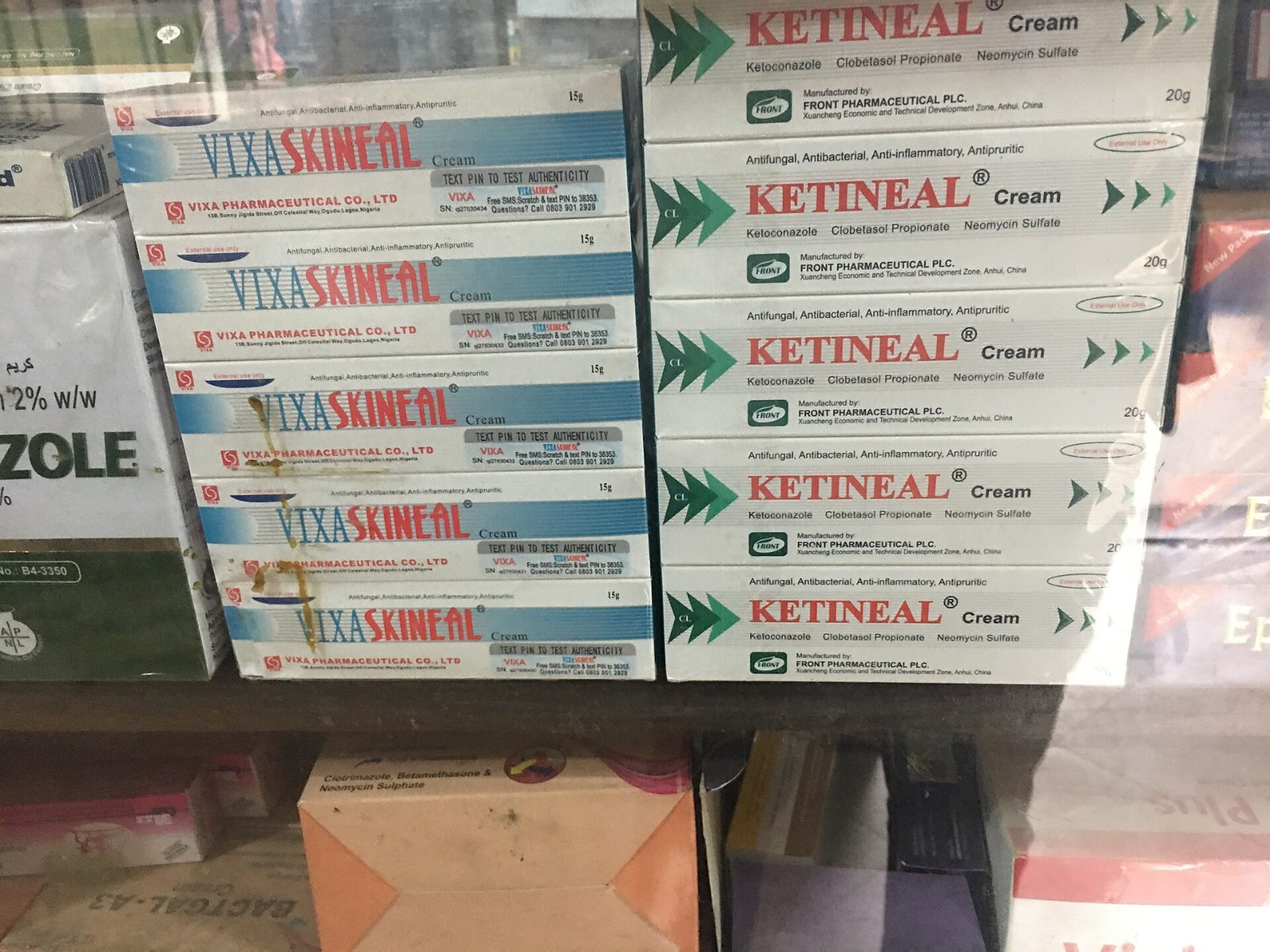
- avoid unlabelled creams sold through social media, especially “whitening” products, which can contain harmful ingredients such as mercury or undeclared steroids
Pre-wedding product planning
If you are getting ready for a wedding or another big event, avoid starting strong new actives in the final weeks. Introduce changes at least two or three months ahead so that any irritation has time to settle. Our pre-wedding beauty timeline shows where skin care changes, facials and makeup trials fit.
Patch test, every time
Apply a small amount of a new product behind the ear or on the side of the neck once a day for several days. If there is no redness, itching or bumps, try it on a small area of the face before using it all over.

When products are not enough
See a dermatologist if you have persistent or painful acne, patches of pigmentation that are spreading, a rash that does not settle, or any spot or mole that is new, changing, bleeding or itching. Over-the-counter products are not a substitute for medical diagnosis.
Frequently asked questions
In what order should I apply skin care products?
A simple rule is thinnest to thickest: cleanser, then any water-based serum, then moisturiser, and sunscreen last in the morning. At night, skip sunscreen and apply treatments such as retinoids before moisturiser unless told otherwise.
Do I need different products in summer and winter?
Many people in the UAE switch to lighter textures in the humid summer months and richer moisturisers in winter, when indoor air and cooler nights can dry the skin.
Are expensive skin care products better?
Not necessarily. Many affordable cleansers, moisturisers and sunscreens are excellent. Price often reflects branding, packaging and texture rather than effectiveness.
How long before I see results from a new product?
Moisturisers feel different immediately. Actives such as retinoids, vitamin C or niacinamide usually need at least eight to twelve weeks of consistent use.
Sources: American Academy of Dermatology, British Association of Dermatologists, Ministry of Health and Prevention UAE
Cover photo: Charlie.Smatt, CC BY-SA 4.0. Last reviewed: 2026-11-25. General information only, not medical advice. Please consult a licensed practitioner in the UAE about your own situation.