

A HydraFacial in Dubai is a medical-grade facial done with a patented device that cleanses, exfoliates, extracts and hydrates the skin in one session of roughly 30 to 60 minutes. You will find it in dermatology clinics, licensed beauty centres and some spas across the city, and the main things to check are the facility licence, the person operating the device, and which add-ons are actually included in the quoted price.
What a HydraFacial actually is
HydraFacial is a brand name, not a general technique. The treatment is performed with a device made by The HydraFacial Company, which uses a spiral-tipped handpiece and vacuum suction to deliver liquid serums while lifting debris out of pores at the same time. The company calls this Vortex-Fusion. Many clinics offer “hydra” or “aqua” facials on similar-looking machines, but those are different devices and the results and serums are not the same.
The standard protocol runs in three stages:
- Cleanse and peel. The skin is cleansed and a gentle exfoliating solution loosens dead skin cells.
- Extract and hydrate. Suction clears congestion from pores while a hydrating serum is applied.
- Fuse and protect. Antioxidant and hydrating serums are pushed into the surface of the skin.
Many menus then add “boosters” (targeted serums for brightness, fine lines or congestion), LED light, or lymphatic drainage. These extras change both the price and the session length.

Why it is popular in the UAE
Dubai’s climate is hard on skin in two opposite ways. Outdoors, heat and humidity increase oil and sweat, which can clog pores. Indoors, long hours in air-conditioned offices, malls and cars dry out the surface layer. A treatment that both clears pores and adds hydration fits that pattern, which is a large part of its appeal here.
It is also a “no downtime” facial for most people. Redness, if any, usually fades within hours, so it is easy to fit around work, travel and events. That is why many brides and guests book one in the run-up to a wedding (see our separate guide on timing a HydraFacial before the big day).
At a glance
- Session length: roughly 30 to 60 minutes depending on add-ons
- Downtime: usually none, mild redness for some people
- Results: smoother, more hydrated skin straight away; effects are temporary
- Typical rhythm offered by clinics: monthly, or a short series before an event
Where to book: clinic, salon or spa
In Dubai, health facilities and the practitioners who work in them are licensed by the Dubai Health Authority (DHA). In Abu Dhabi the regulator is the Department of Health (DOH), and in the northern emirates it is the Ministry of Health and Prevention (MOHAP). A HydraFacial is a cosmetic procedure rather than surgery, but medical-grade facials with exfoliating acids are often performed in licensed clinics, especially when combined with peels, microneedling or prescription skincare.
| Setting | What to expect | Good for |
|---|---|---|
| Dermatology or aesthetic clinic | Doctor or licensed therapist, skin assessment, can combine with medical treatments | Acne, pigmentation, sensitive or reactive skin |
| Licensed beauty centre | Trained therapist, often more flexible booking | Healthy skin wanting a refresh |
| Hotel or day spa | Relaxing setting, sometimes shorter protocol | Maintenance and pampering |
Whichever you choose, ask whether the machine is a genuine HydraFacial device and whether the serum tips are new and sealed for your session. Single-use tips are standard on the genuine system.
How much does it cost?
Prices in Dubai vary widely by setting, area, the protocol (signature, deluxe, platinum and similar tiers) and the boosters included. Promotions are common, and packages of several sessions usually reduce the per-visit cost. Rather than relying on a number you saw online, compare written quotes that list:
- the exact protocol name and steps
- which booster serums and LED are included
- whether a consultation is charged separately
- the cancellation and rescheduling policy
If a price looks far below everyone else’s, ask directly whether the device is the original brand.
Who should be cautious
A HydraFacial is gentle compared with most peels, but it is not for everyone at every moment. Speak to a doctor or dermatologist first if you:
- are pregnant or breastfeeding (some exfoliating solutions contain acids that many practitioners avoid during pregnancy)
- use prescription retinoids or isotretinoin, or have recently stopped them
- have active rosacea flares, eczema, sunburn or open wounds on the face
- have an active cold sore or other skin infection
- have had injectables, laser or a peel in the past one to two weeks
Stop and get help if
You notice blistering, spreading redness, swelling that worsens after 24 hours, or signs of infection such as warmth, pus or fever. These are not normal reactions to a facial and need medical attention.
Getting the most out of a session
Small habits before and after make a visible difference.
Before: skip waxing, threading and strong exfoliants on the face for a few days. Arrive with clean skin if you can, and tell the therapist about every active ingredient you use.
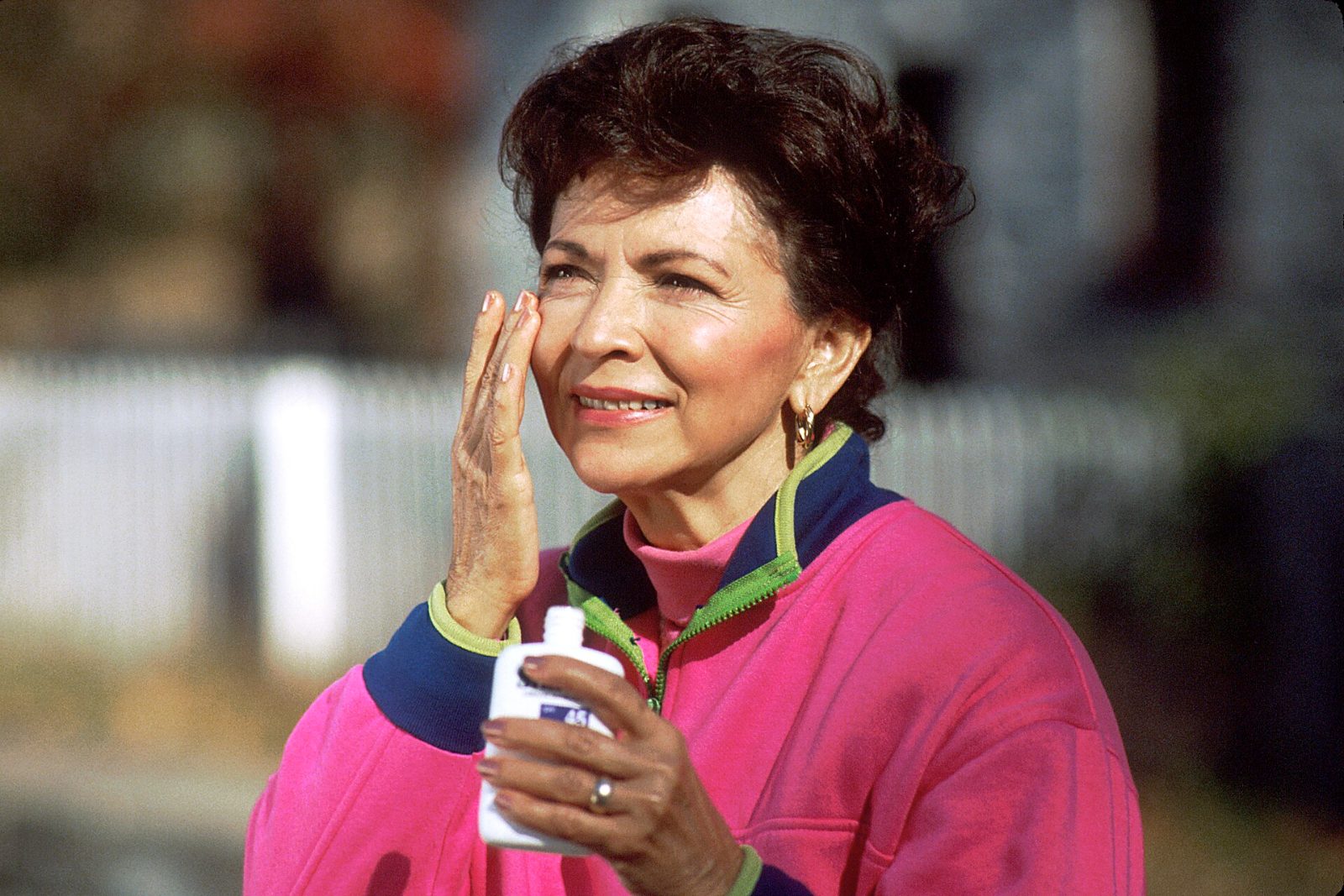
After: keep makeup off for the rest of the day if possible, avoid saunas, hot yoga and intense workouts for 24 hours, and wear a broad-spectrum sunscreen every day. Freshly exfoliated skin burns more easily, and UAE sun is strong all year round, not only in summer.
The glow from a HydraFacial is real but temporary. Daily sunscreen and a steady routine are what keep it.
Planning around an event
If you are booking for a wedding or another big day, do a trial session at least a few weeks before, so you know how your skin reacts. Then book the final one a few days before the event rather than the day itself. Our pre-wedding beauty timeline lays out where facials, trials and other treatments fit in the weeks before the date, and the makeup artist booking checklist helps you line up the rest of your beauty team.
Questions to ask at the consultation
- Is this a genuine HydraFacial device, and are the tips single-use?
- Who will perform the treatment, and what is their training?
- Which boosters do you recommend for my skin, and why?
- What should I avoid using on my skin for the next 48 hours?
Frequently asked questions
How long does a HydraFacial last?
The immediate smoothness and hydration usually look best for several days to about a week. Clinics typically suggest repeating it every four weeks or so, roughly in line with the skin’s natural renewal cycle, but there is no obligation to follow a set schedule.
Does a HydraFacial hurt?
Most people describe it as a cool, slightly tingling suction. Extraction on congested areas such as the nose can feel stronger. Tell the therapist if anything is uncomfortable so they can adjust the suction.
Can I have a HydraFacial if I have acne?
Mild congestion and blackheads often respond well. For active, inflamed or cystic acne, see a dermatologist first, because extraction over inflamed spots can irritate them and acne may need medical treatment.
Can I go to the beach after a HydraFacial?
It is better to avoid direct sun, swimming pools and the sea for at least a day. If you do go out, use a high-SPF broad-spectrum sunscreen and a hat.
Sources: HydraFacial official site, Dubai Health Authority, American Academy of Dermatology
Cover photo: Charles Lam from Hong Kong, China, CC BY-SA 2.0. Last reviewed: 2026-11-25. General information only, not medical advice. Please consult a licensed practitioner in the UAE about your own situation.