
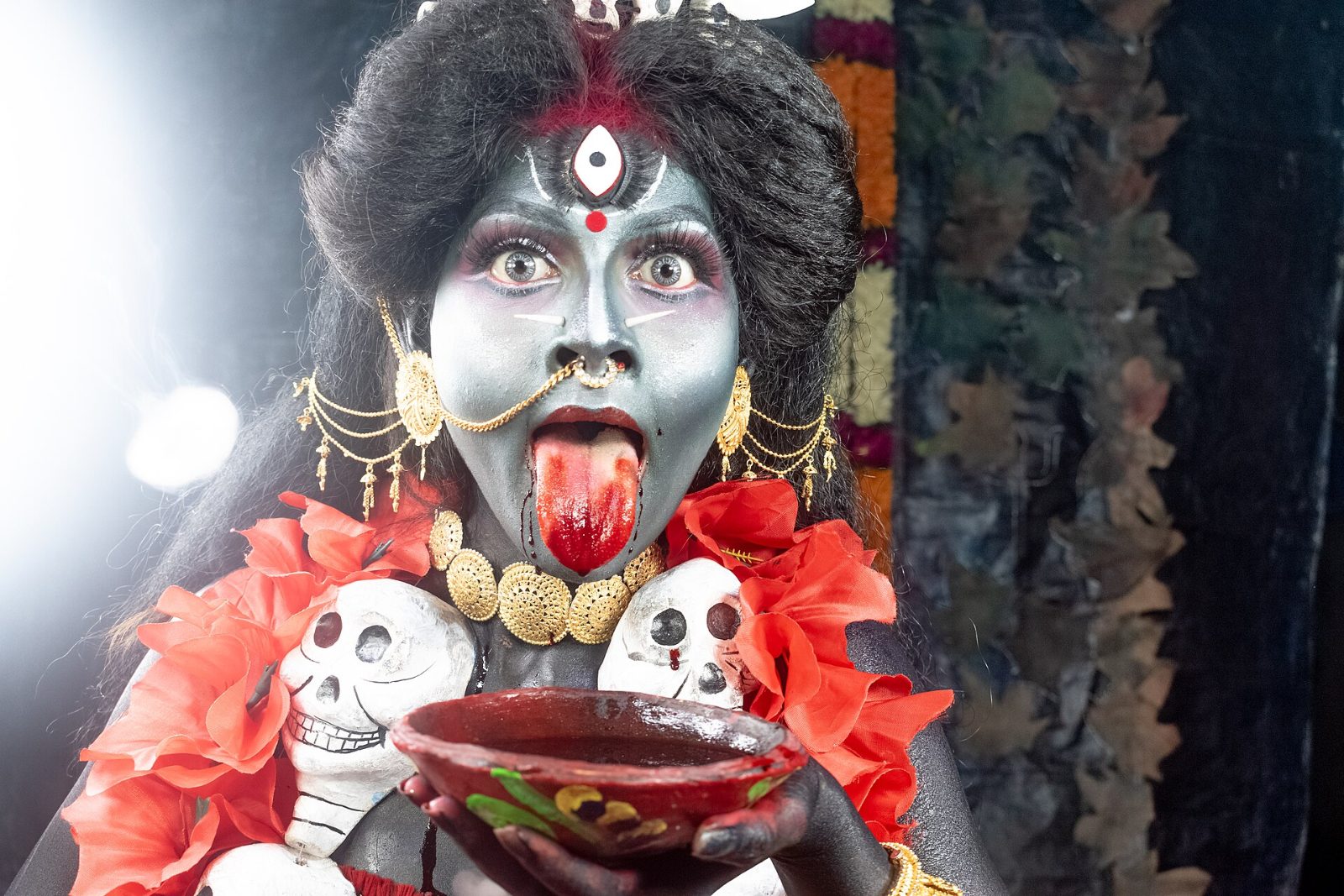
A makeup artist certification is a certificate from a course or academy showing that the artist completed training. There is no single global licence for makeup artistry, so certificates vary from short workshops to long professional programmes. For a bride, a certificate is a useful sign of training, but it does not replace a trade licence, a strong portfolio and good hygiene in practice.
In this guide
- Certification, licence and portfolio: three different things
- What a good training programme covers
- Training in the UAE
- How a bride can verify an artist
- If you are thinking of becoming a makeup artist
- Skin safety questions to ask any artist
- Red flags that no certificate can outweigh
- Planning around your wedding
- FAQ
Certification, licence and portfolio: three different things
| What it is | What it shows | What it does not show |
|---|---|---|
| Training certificate | The artist completed a course | How good their work is today |
| Trade or freelance licence | The artist is permitted to run a business in the emirate | Their skill or style |
| Portfolio and reviews | Real results and client experiences | Whether they hold a licence |
| Trial with you | How the look suits your face and lasts | Long-term reliability |
The strongest choice ticks all four boxes. If you have to prioritise, a licence plus a strong, unedited portfolio and a good trial usually tell you more than a certificate alone.
What a good training programme covers
Courses vary widely, but serious programmes usually include:
- Skin types, skin preparation and colour theory
- Foundation matching across different skin tones
- Eye, brow and lip techniques for photography and long wear
- Bridal makeup, including long-wear and humidity-resistant methods
- Lash application and safe use of lash glue
- Hygiene, sanitation and avoiding cross-contamination
- Recognising skin conditions and when not to apply makeup
The hygiene and skin-safety parts matter most to you as a client, because they affect your skin, not just how the makeup looks.
Training in the UAE
The UAE has makeup academies and beauty training centres, as well as international brands that run courses locally. In Dubai, private training institutes are regulated by the Knowledge and Human Development Authority, and other emirates have their own education or economic departments. Many artists also train abroad or through well-known international academies and brand programmes.
Because programmes differ so much, ask the artist where they trained, how long the course was, and what it covered. A professional will be happy to tell you.
How a bride can verify an artist
- Ask about the licence. Ask which licence they hold to work in the emirate, whether through a salon, a free zone, a freelance permit or a trade licence.
- Ask about training. Where and when did they train? Have they done any recent courses?
- Check the portfolio. Look for unedited photos in natural light and examples on skin similar to yours.
- Read reviews carefully. Look for detailed reviews from real brides, including how the makeup held up.
- Book a paid trial. Watch their hygiene habits in person.
Hygiene habits that matter more than any certificate
- Clean brushes for every client
- Disposable applicators for mascara and lips
- Products decanted onto a palette, not used straight from the pot
- Hands sanitised before touching your face
- Willingness to patch-test if you have sensitive skin
Our makeup artist booking checklist includes these questions so you can work through them at the trial.
A certificate shows training. Hygiene and results show professionalism.
If you are thinking of becoming a makeup artist
Many readers ask about certification because they want to train themselves. A few points worth knowing:
- Choose a course with plenty of hands-on practice on real faces, not only demonstrations.
- Make sure hygiene and skin safety are covered properly.
- Check whether the institute is licensed by the relevant authority in its emirate.
- Build a portfolio of unedited work as you train.
- Learn about licensing before you take paid clients, since working without the right permit can lead to fines.
The business side, from licensing to contracts and cancellations, matters as much as technique if you plan to work with brides.
Skin safety questions to ask any artist
A well-trained artist will ask about your skin, not just your look. Expect questions about allergies, sensitive skin, eczema, acne treatments, recent peels or laser, and whether you wear contact lenses. If an artist does not ask, mention these yourself.
When makeup should wait
- Open wounds, active cold sores or infected spots in the area
- Fresh chemical peel, laser or microneedling, until your practitioner says it is safe
- An active eye infection
- A known allergy to a product or lash glue ingredient
If a trial leaves you with swelling, a spreading rash or persistent redness, remove the makeup and see a licensed doctor or dermatologist. Seek urgent help if your lips, eyes or face swell or you have trouble breathing.
Red flags that no certificate can outweigh
Some warning signs should make you look elsewhere, however impressive the wall of certificates. Be cautious if an artist refuses to show unedited photos, will not give you a written quote, asks for the full fee in cash with no receipt, or becomes vague when you ask about their licence. In a trial, watch out for brushes taken straight from a bag without cleaning, a single mascara wand used on several people, or products that look old, separated or dried out.
Pay attention to how the artist listens. A professional asks about your skin, your outfit and the feel you want, and adjusts the look when you give feedback. If they dismiss your concerns about sensitivity or say a stinging product is normal, that is a sign to stop. Good training shows in small habits, not in framed paper.
Planning around your wedding
Shortlist artists six to nine months ahead for peak season, and book a trial two to three months before. Our pre-wedding beauty timeline maps out these steps alongside your skin prep.
FAQ
Do makeup artists need to be certified in the UAE?
There is no single makeup certification required everywhere, but artists generally need the right licence to work commercially. Training certificates are a plus, not a substitute.
Is a certificate from an international academy better?
Not necessarily. What matters is what the course covered, how much hands-on practice it included and the quality of the artist’s current work.
How can I check an artist’s licence?
Ask the artist for their licence details or the salon they work through, and request a proper invoice for your booking.
Should I choose a certified artist over one with a great portfolio?
Ideally both. If you must choose, a strong unedited portfolio, good reviews, a licence and a successful trial tell you more than a certificate alone.
Sources: Knowledge and Human Development Authority, Dubai; UAE Government portal; American Academy of Dermatology.
Cover photo: TAPAS KUMAR HALDER, CC BY-SA 4.0. Last reviewed: 2026-11-25. General information only, not medical advice. Please consult a licensed practitioner in the UAE about your own situation.