
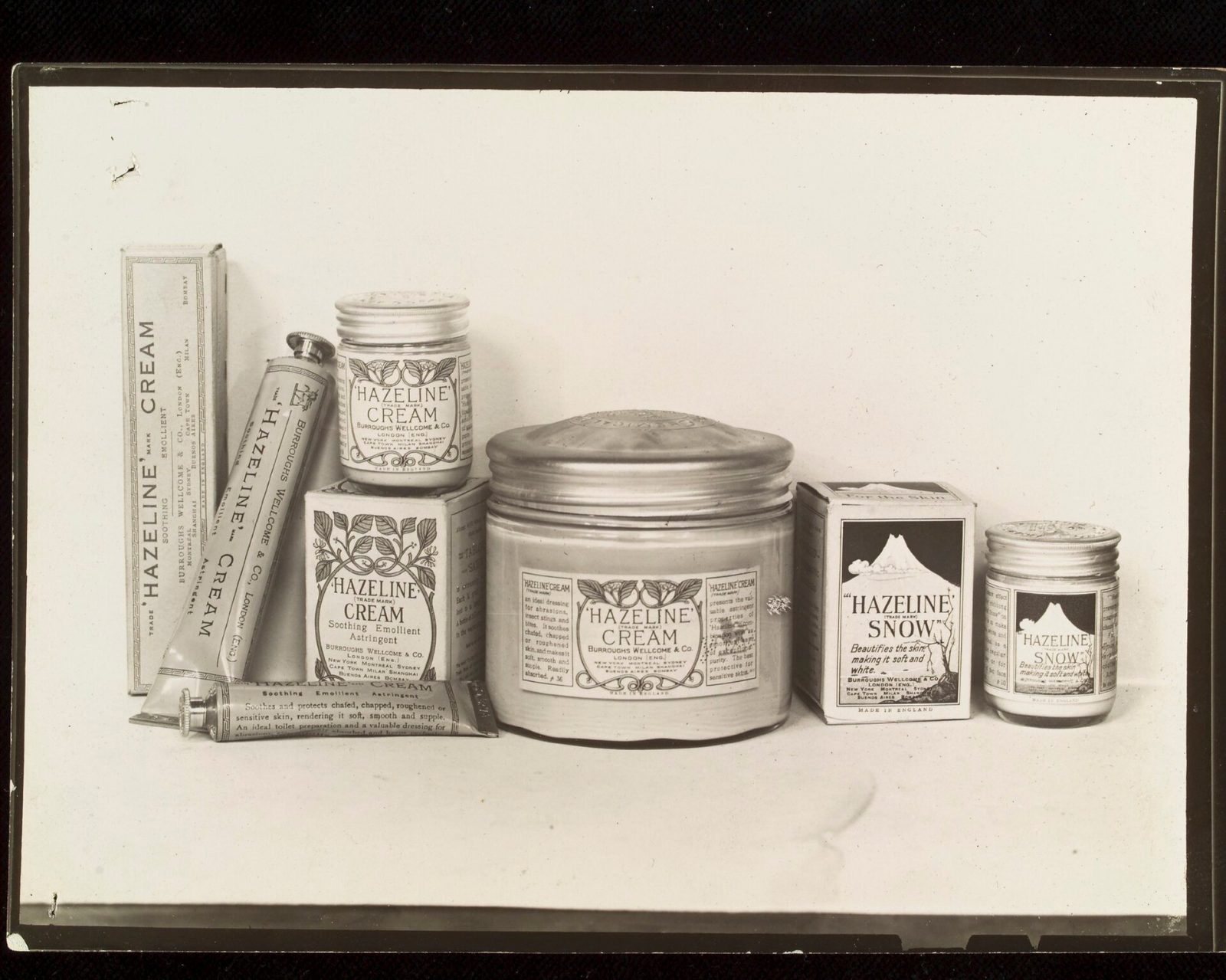
Combination skin does best with balancing products rather than products made for one extreme: a gentle gel or light cream cleanser, a lightweight moisturiser that you apply more generously on dry areas, a broad spectrum sunscreen and, if needed, a targeted treatment used only where it is needed. The trick is to treat different zones differently.
What combination skin looks like
Most people with combination skin have an oilier T zone, the forehead, nose and chin, and normal to dry cheeks. Some notice the pattern changes with the seasons. In the UAE, coastal humidity in summer can make the T zone shinier, while air conditioning dries the cheeks and around the mouth. That mix is why one product rarely suits the whole face.
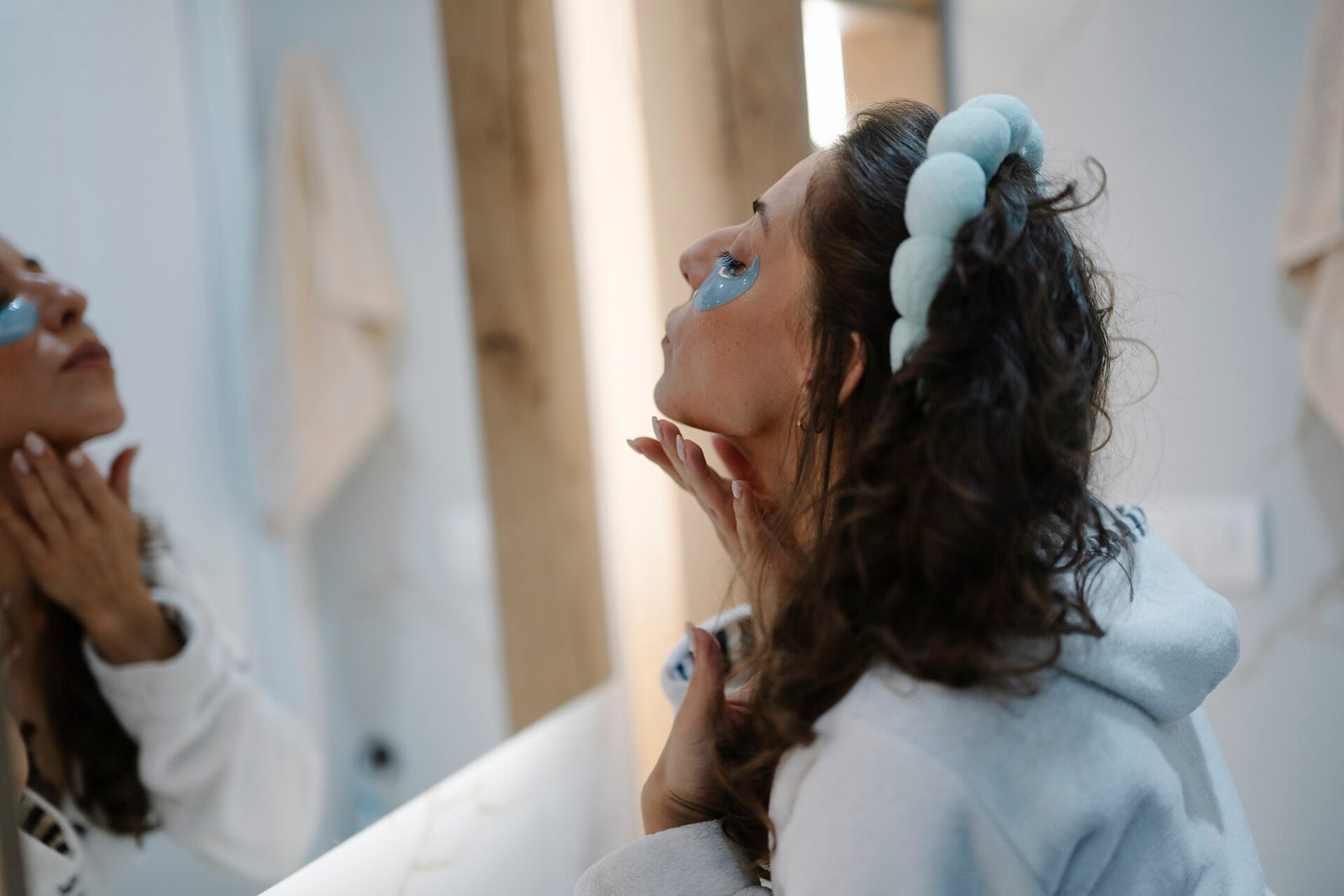
Choosing products step by step
| Step | Best choice for combination skin | Avoid |
|---|---|---|
| Cleanser | Gentle gel or light cream, low foaming | Harsh foaming cleansers that tighten the cheeks |
| Toner (optional) | Hydrating, alcohol free | Astringent toners with lots of alcohol |
| Treatment | Niacinamide all over, or salicylic acid only on the T zone | Strong acids on dry cheeks |
| Moisturiser | Gel cream, with a richer cream on dry patches if needed | Heavy balms across the whole face |
| Sunscreen | Fluid or light lotion, broad spectrum | Thick, greasy formulas |
Multi zone care: the simple idea that works
You do not need two complete routines. Instead, use the same basic products and adjust where you put them:
- Apply exfoliating products such as salicylic acid only to the T zone or areas with blackheads.
- Use a little extra moisturiser on the cheeks and around the mouth.
- Use a clay mask on the nose and forehead only, and a hydrating mask on the cheeks at the same time. This is often called multi masking.
- Blot the T zone during the day rather than powdering the whole face.
Multi masking for a special event
Before a wedding or party, a clay mask on the T zone and a hydrating mask on the cheeks can leave the skin balanced for makeup. Try it at least once well ahead of the event to make sure your skin likes both masks.
Ingredients that suit combination skin
Niacinamide
Helps with the look of oiliness and enlarged pores and is usually gentle enough for the whole face.
Hyaluronic acid and glycerin
Hydrating ingredients that add water without heaviness. Good for dehydrated cheeks.
Salicylic acid
Useful for congested pores in the T zone. Use it selectively if your cheeks are dry.
Ceramides
Support the skin barrier and are helpful wherever the skin feels tight or flaky.
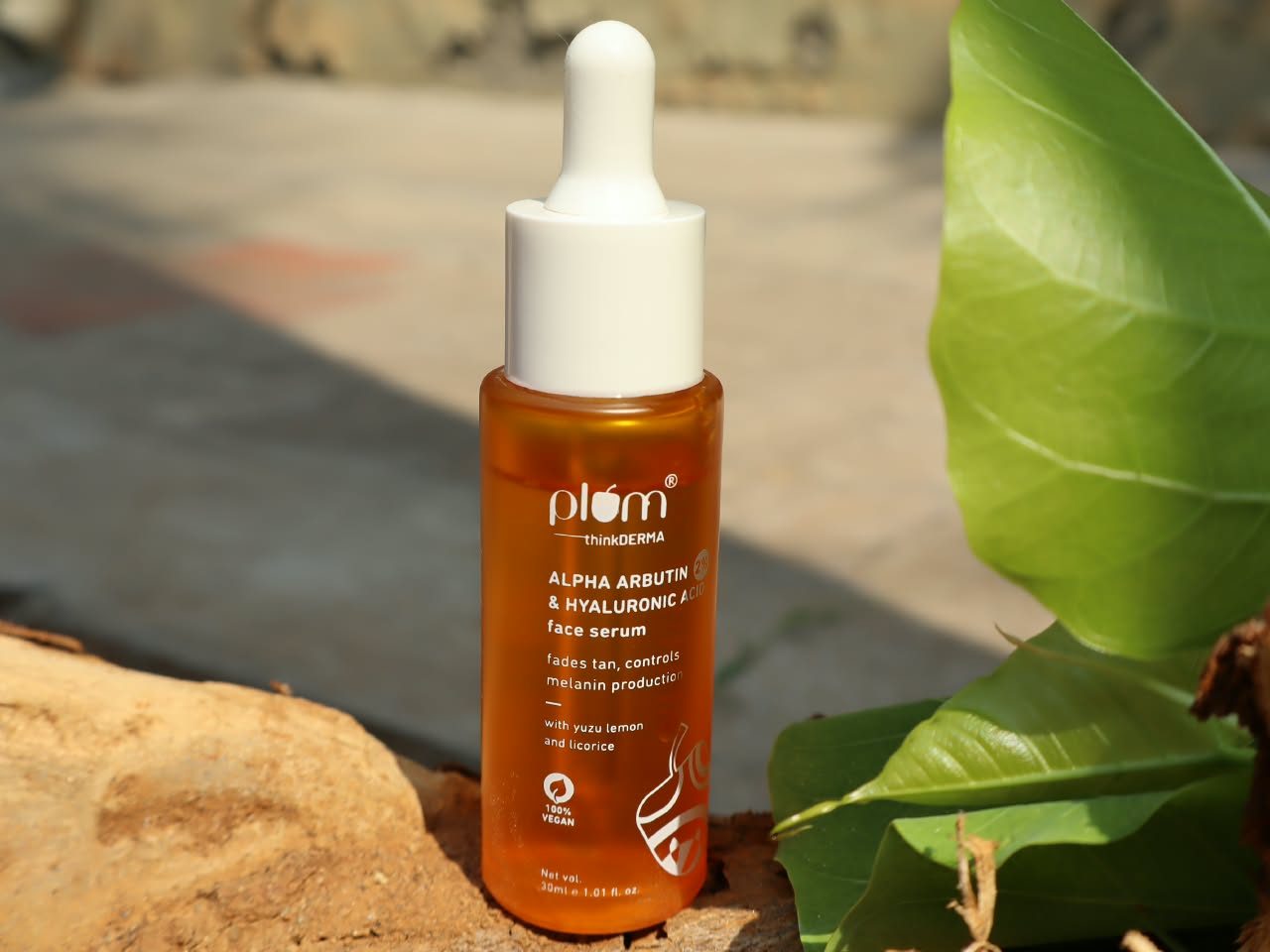
Check before using actives
- Pregnant or breastfeeding: avoid retinoids and ask your doctor before using acids.
- On prescription acne treatment: check with your doctor before adding over the counter actives.
- Sensitive skin, rosacea or eczema: introduce new products one at a time and seek a dermatologist’s advice.
A sample routine
- Morning: gentle cleanser, niacinamide serum, gel cream moisturiser, sunscreen.
- Evening: cleanse twice if you wore sunscreen or makeup, salicylic acid on the T zone two to three nights a week, moisturiser all over with extra on the cheeks.
- Weekly: multi masking on one evening.
Change one product at a time and give each change a few weeks before you judge it.
Common mistakes with combination skin
- Treating the whole face as oily. Strong cleansers and acids all over can leave the cheeks flaky and irritated while the T zone stays shiny.
- Treating the whole face as dry. Rich creams everywhere can clog pores on the nose and forehead.
- Changing everything at once. If your skin reacts, you will not know which product caused it.
- Skipping sunscreen because of shine. Lightweight fluids are made for this skin type, and sun exposure darkens post spot marks.
- Over blotting with powder. Layering powder through the day can look cakey on the drier areas.
Makeup for combination skin
Primers can be applied in zones too: a mattifying primer on the T zone and a hydrating primer on the cheeks. Long wear foundations designed for combination skin often balance both areas. When you book a bridal makeup trial, tell your artist about your skin type so they can plan products and touch ups; our makeup artist booking checklist includes this question.
Adjusting through the UAE year
In the cooler months, many people find their cheeks get drier and can use a slightly richer moisturiser. In the humid summer months, a lighter gel cream may be enough everywhere, with more frequent blotting on the T zone. If you travel often between dry desert air and humid coastal areas, keep a small hydrating mist or travel size moisturiser in your bag.
Your pre-wedding beauty timeline is a good place to plan these seasonal changes if your wedding falls at a time of year when your skin behaves differently.
Treat the zones, not the label: combination skin is two skin types sharing one face.
When to see a professional
See a licensed dermatologist in the UAE for persistent acne, scaly or itchy patches, redness that does not settle, or sudden changes in your skin. Stop any product and seek medical help urgently if you develop swelling, hives or difficulty breathing.
Can I use one moisturiser for combination skin?
Yes, many people do. Choose a light gel cream and apply a little more on the dry areas.
Should combination skin use oil cleansers?
They can be useful for removing sunscreen and makeup. Rinse thoroughly and follow with a gentle water based cleanser.
Is combination skin the same as oily skin?
No. Oily skin tends to be shiny all over, while combination skin is oily in some areas and normal or dry in others.
How often should combination skin be exfoliated?
Usually one to three times a week, focusing on the T zone. Reduce if your cheeks feel tight or irritated.
Sources: American Academy of Dermatology, British Association of Dermatologists, NHS
Cover photo: Wikimedia Commons contributor, CC BY 4.0. Last reviewed: 2026-11-25. General information only, not medical advice. Please consult a licensed practitioner in the UAE about your own situation.